



Weathered Stone Statue Plinth
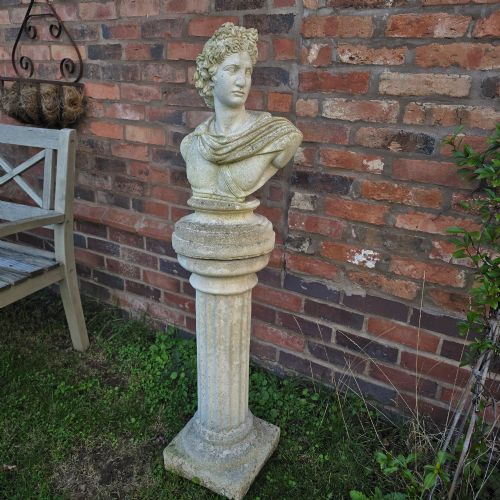
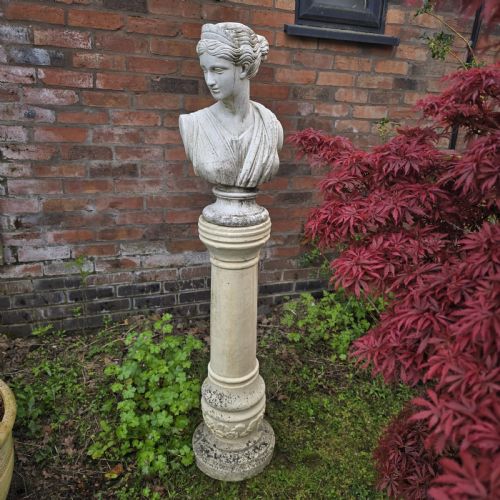
These weathered stone statue plinth pieces are garden ornaments designed to elevate statuary, bringing classical presence to outdoor spaces.
Weathered Stone Statue Plinth
When you search for a weathered stone statue plinth, you are looking at architectural supports and display columns that elevate garden statuary, busts, and lions. These pieces originate across the nineteenth century, nineteen twenty, nineteen thirty, and nineteen fifty.
The inventory on this page ranges from tall garden pedestals to matched pairs of plinths supporting classical figures and carved lions. You will find styles spanning classical, neoclassical, and nineteenth century Chinese interpretations.
Most examples function outdoors, where decades of exposure have developed patinas on reconstituted stone, cast stone, and concrete. Buyers select these items to anchor garden layouts and support sculptural works with sturdy foundations.
How they were made
The objects recorded here utilise cast stone, reconstituted stone, and concrete moulded into classical architectural proportions. Artisans shaped these composite materials to replicate traditional carved masonry.
Certain items display hand-carving techniques in stoneware and stone, particularly evident in nineteenth century Chinese examples. Surface finishes often incorporate paint layers that have weathered over decades of exterior placement.
Weathered Stone Statue Plinth Retail Price Guide 2026
Typical asking prices for weathered stone statue plinth among the pieces listed under this phrase on Sellingantiques today, from the lower quarter to the upper quarter. They describe what is for sale here now, not the wider market.
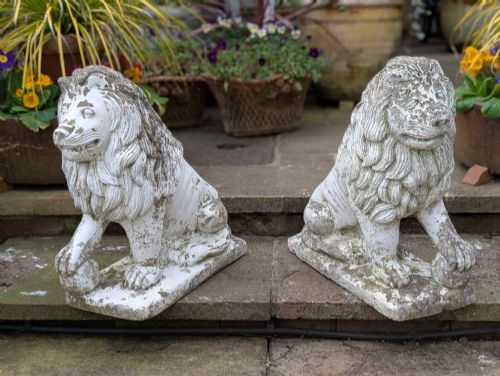
Several stone lions have kept watch over invisible gardens for nearly two centuries, waiting patiently for a new driveway to guard.
What varies in quality
Quality in a weathered stone statue plinth relates to the crispness of architectural moulding and the organic character of the weathering. Superior examples exhibit well-balanced proportions and harmonious ageing across the stone surfaces.
The integrity of the cast or carved material dictates longevity in garden environments. Pieces showing balanced textural wear and solid structural mass offer a more convincing presence than uniform modern reproductions.
The Weathered Stone Statue Plinth Glossary
- Plinth
- A heavy base or lower block supporting a statue, pillar, or vase. It elevates garden sculpture above ground level.
- Reconstituted stone
- A manufactured material made from crushed natural stone and binding agents. It is poured into moulds to create architectural ornaments.
- Neoclassical
- A style inspired by the classical art and architecture of ancient Greece and Rome. It prioritises symmetry, restraint, and formal proportion.
- Stoneware
- A robust ceramic fired at high temperatures to achieve a vitrified, impermeable body. It resists frost and weathering in exterior settings.
Weathered Stone Statue Plinth: Frequently Asked Questions
Are these plinths suitable for outdoor use?
These pieces are manufactured from durable materials such as cast stone, concrete, and stoneware designed for exterior display. Decades of exposure have seasoned the surfaces to withstand garden conditions.
Plinths should be placed on firm, level ground to support the weight of heavy statuary safely throughout the seasons.
How do I choose the right height?
Consider the scale of the statue or bust intended for the top in relation to your garden surroundings. Taller pedestals draw the eye upward and suit open lawn settings.
Shorter plinths work effectively within enclosed borders or alongside pathways where intimate viewing distances apply.
What styles are represented here?
The selection encompasses classical and neoclassical revival designs alongside nineteenth century Chinese carved stone pieces. These styles reflect historical European and Asian garden traditions.
Architectural details include moulded cornices, panelled sides, and cylindrical columns that echo ancient stone construction.
How should I clean weathered stone?
Gentle brushing with a soft bristle brush and water removes loose debris without damaging the historic patina. Avoid harsh chemical cleaners or pressure washers that strip away aged surfaces.
Allowing natural moss and weathering to remain often enhances the visual character of reconstituted and cast stone.