
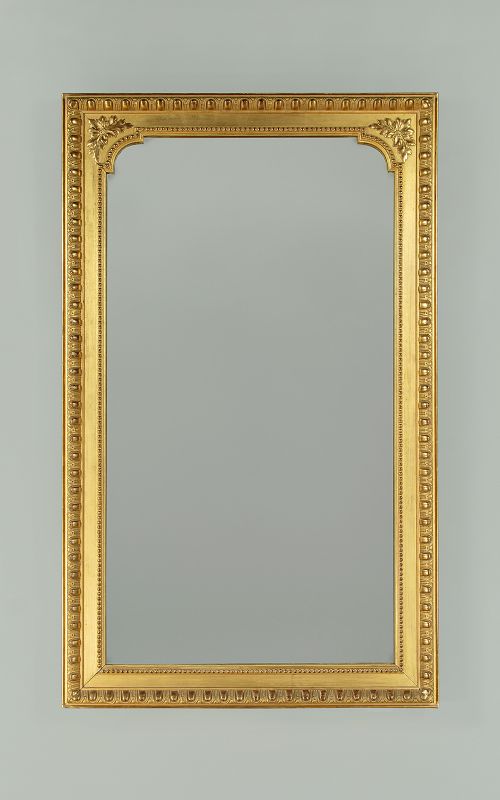


Classical Framed Mirror
A classical framed mirror brings architectural depth and reflective light to a room, drawing on Regency, Victorian and Georgian design traditions.
Classical Framed Mirror
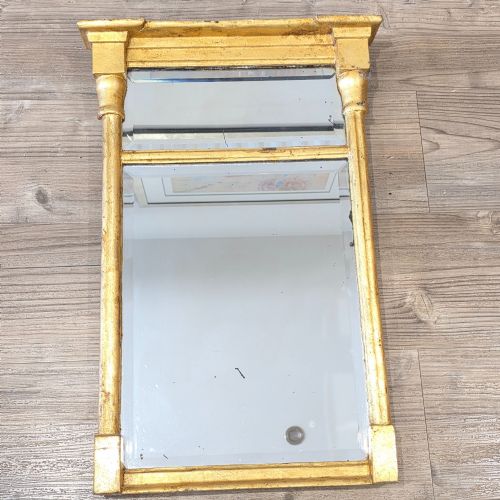
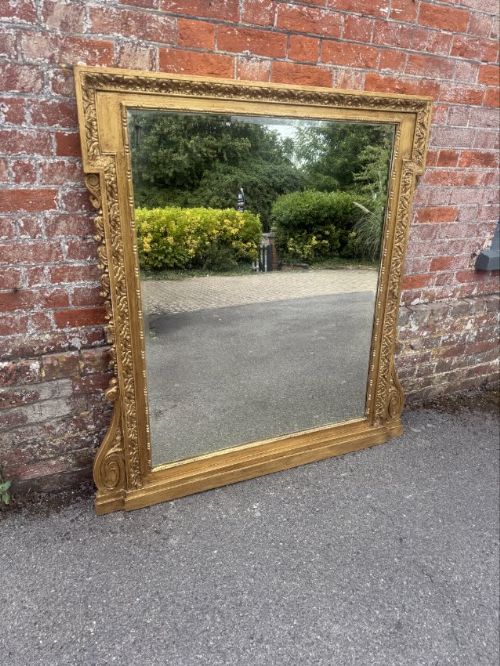
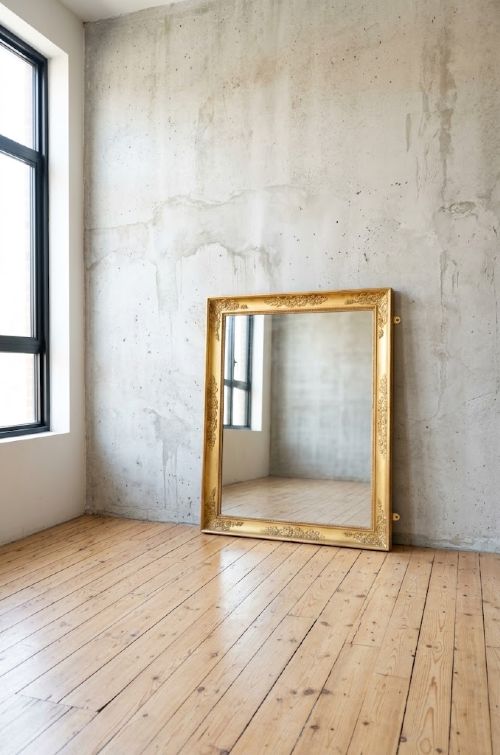
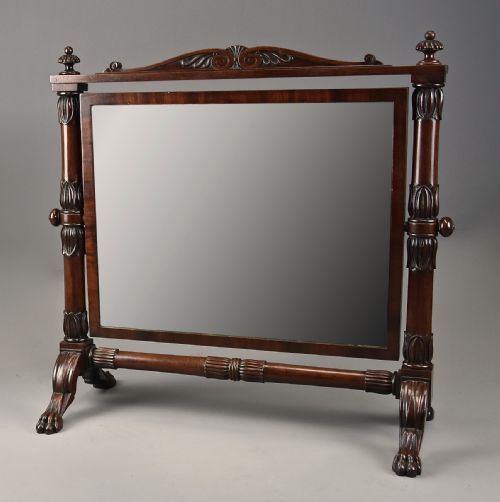
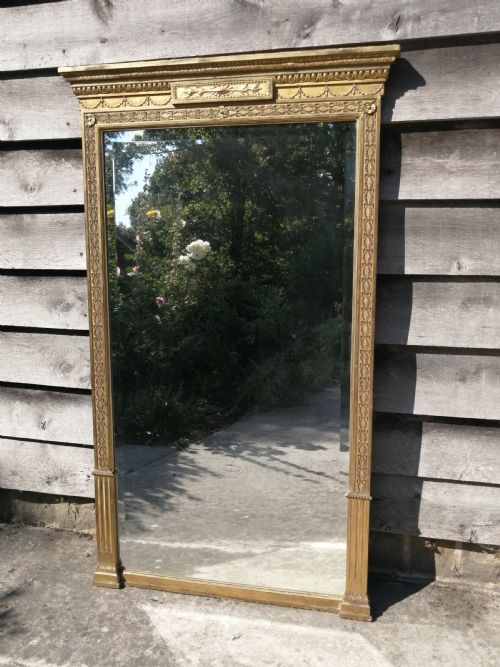
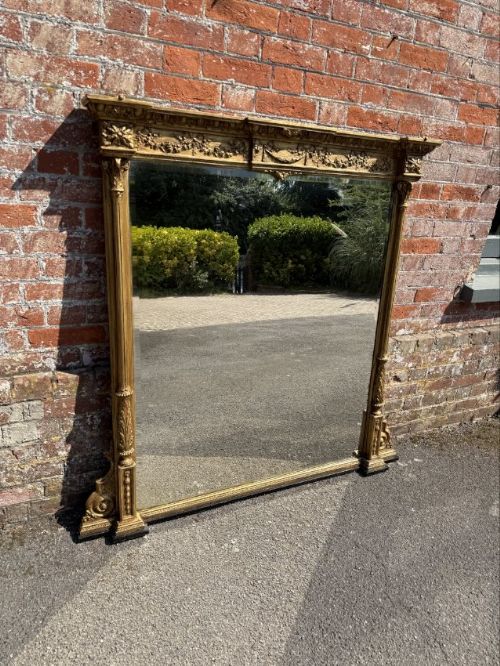
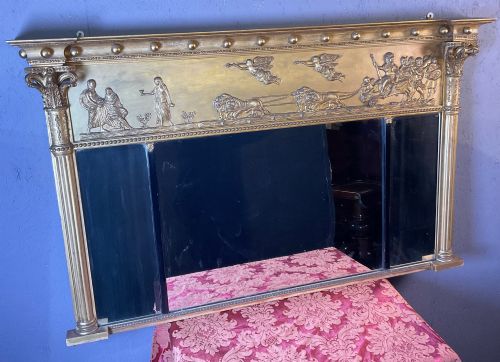
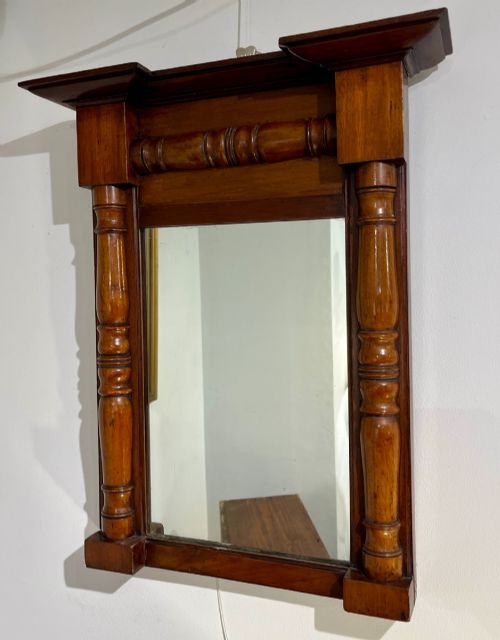
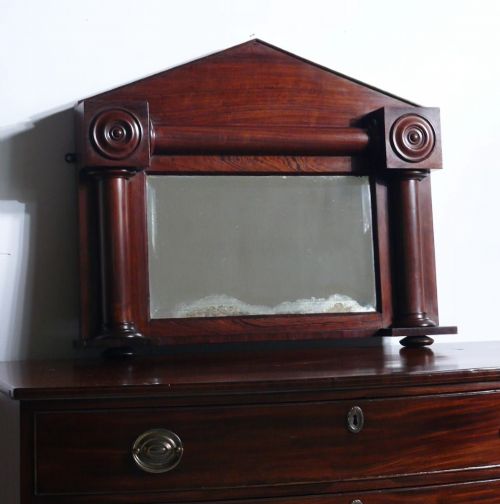
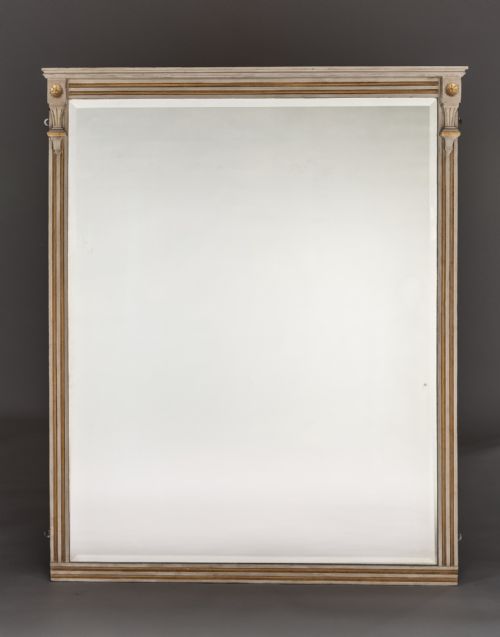
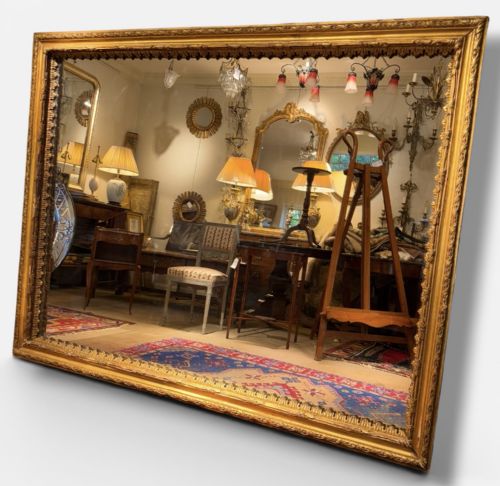
A classical framed mirror encompasses wall mirrors, overmantel mirrors, pier mirrors and dressing table mirrors found across the Georgian, Regency and Victorian periods. Buyers seeking a classical framed mirror will most frequently encounter giltwood and gesso overmantel mirrors and pier mirrors bearing neoclassical or Louis XVI style details.
The selection spans centuries of craftsmanship, including nineteenth-century English and French workshops, alongside revival pieces from later decades. These mirrors serve both functional and decorative roles, often anchoring a room's aesthetic with traditional proportions and carved ornamentation.
Materials and Construction
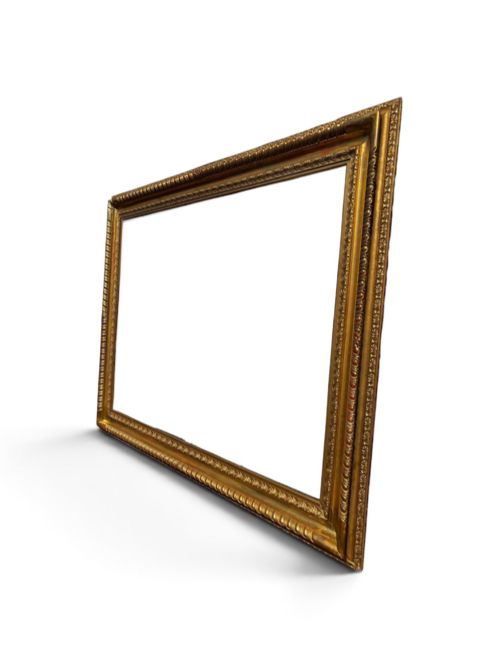
Makers shaped solid woods such as mahogany, rosewood and carved timber to form the structural foundations of these pieces. Carved wood and gesso provided the base for intricate surface decoration, allowing artisans to apply gold leaf and parcel-gilt finishes.
Glass plates were silvered and set within frames, occasionally accompanied by specialist elements like eglomisé glass panels or canvas oleograph pictures. Joinery techniques and rope twist mouldings secured the heavy frames necessary to support substantial mirror glass.
Listings feature woods including mahogany and rosewood alongside traditional giltwood and gesso finishes across nineteenth-century periods.
Assessing Quality
The standard of carving and gilding separates exceptional pieces from standard work, visible in the crispness of floral, mythological and column details on giltwood surfaces. Depth and precision in the carved wood and gesso indicate the skill level of the original workshop.
Originality of components, such as retaining an authentic mirror plate or eglomisé panel, elevates a piece's integrity. Proportion, scale and the harmony of the overall neoclassical design dictate the visual impact of the mirror within an interior.
P & MA Nicholson
The Classical Framed Mirror Glossary
- Giltwood
- Wood that has been coated with gold leaf or gold paint. This finish creates a luminous surface characteristic of fine period frames.
- Gesso
- A plaster-like mixture applied to wood frames to create a smooth surface for carving and gilding. Artisans built up layers of gesso before applying gold leaf.
- Overmantel Mirror
- A large mirror designed to hang specifically above a fireplace mantelpiece. These pieces often feature wide horizontal proportions and ornate arched or rectangular frames.
- Pier Mirror
- A tall mirror designed to hang on the wall space between two windows. They frequently incorporate lower consoles or proportioned frames suited to narrow architectural spaces.
- Trumeau Mirror
- A decorative wall mirror combined with a painted panel or artwork above the glass. French examples often include classical carvings and oil-painted scenes.
- Eglomisé
- A technique involving cold painting and gilding on the rear face of glass. This creates a mirrored, reflective panel with delicate translucent designs.
Classical Framed Mirror: Frequently Asked Questions
Where should I hang an overmantel mirror?
An overmantel mirror traditionally sits directly above a fireplace mantelpiece, anchoring the vertical space of the chimney breast. Its generous proportions reflect light across the room and balance the architectural weight of the hearth below.
Ensure the wall fixings are rated for the substantial weight of carved wood and gesso frames. Positioning it to catch light from opposite windows will maximise brightness in the interior.
How do I identify a Regency mirror?
Regency mirrors often feature classical architectural motifs such as columns, eglomisé panels and ball-detail cornices. The frames frequently display giltwood finishes influenced by neoclassical design trends from the early nineteenth century.
Look for proportioned pier glass formats and refined carving styles that distinguish the Regency era from heavier Victorian iterations. Original plates and construction methods further confirm the period.
How do I care for antique giltwood?
Maintain giltwood frames by dusting gently with a soft, dry brush to prevent accumulation in carved crevices. Avoid using liquid cleaners, polishes or damp cloths, which can damage delicate gold leaf and gesso layers.
Keep the mirror away from direct sunlight and excessive humidity to protect the wood substrate and the silvering on the glass plate. Gentle handling preserves the original surface finish.