

Classical Fine Art Painting
A classical fine art painting brings centuries of European portraiture, mythology and landscape into a room through oil, canvas and carved giltwood.
Classical Fine Art Painting
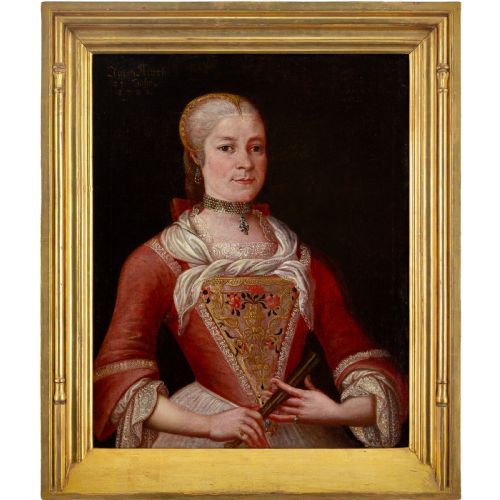
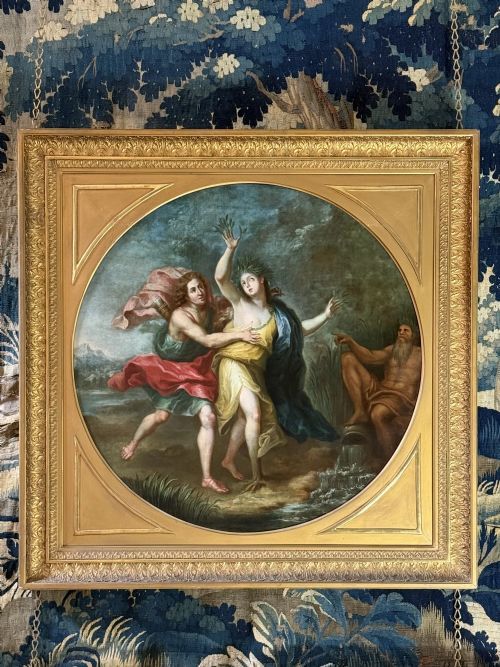
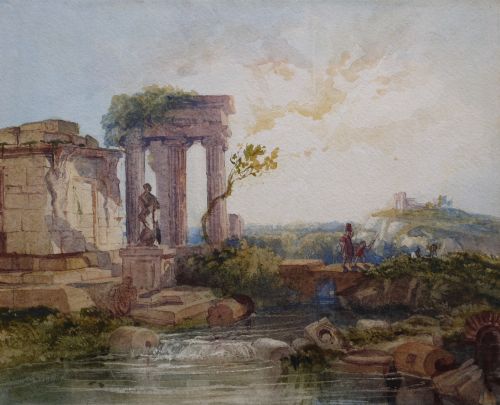
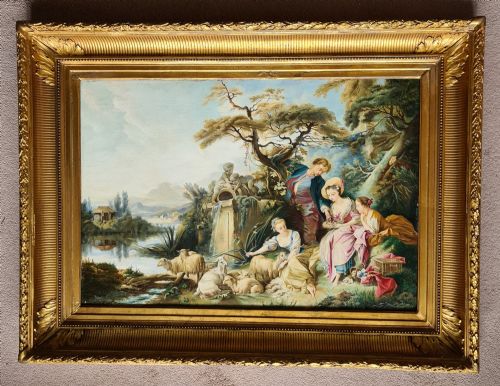
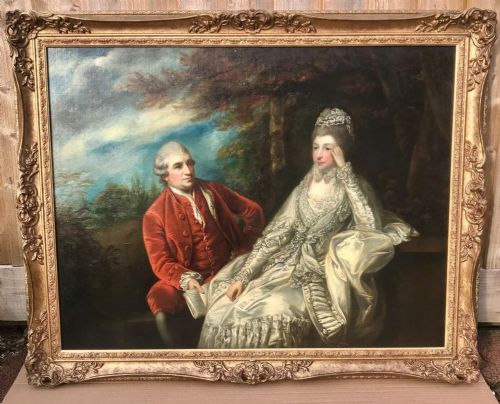
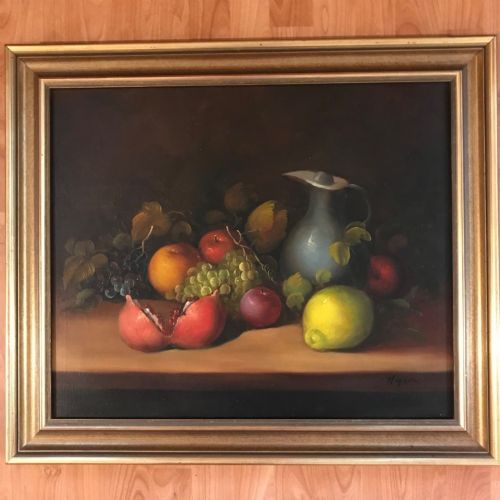
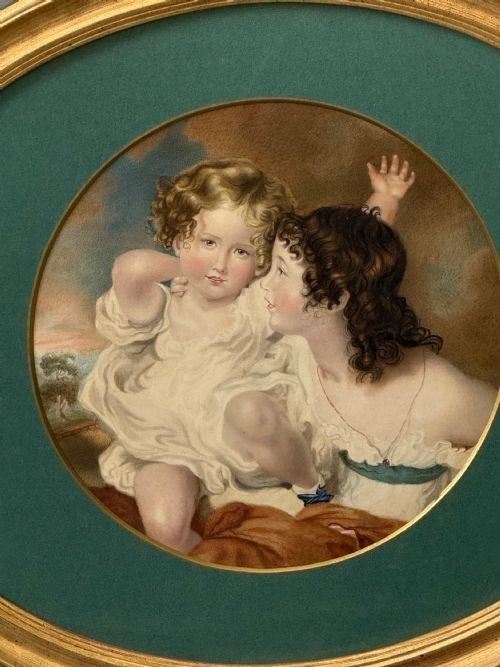
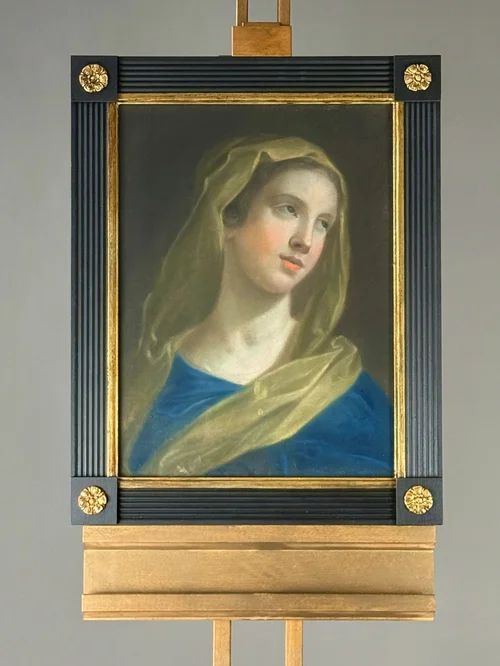
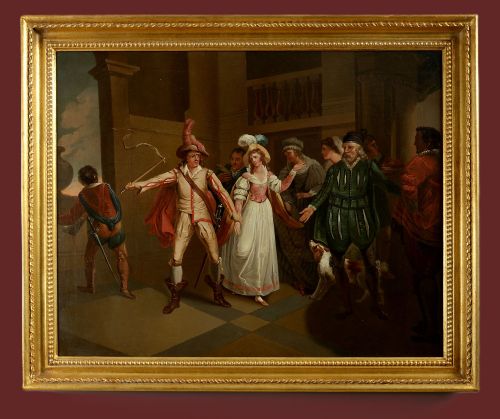
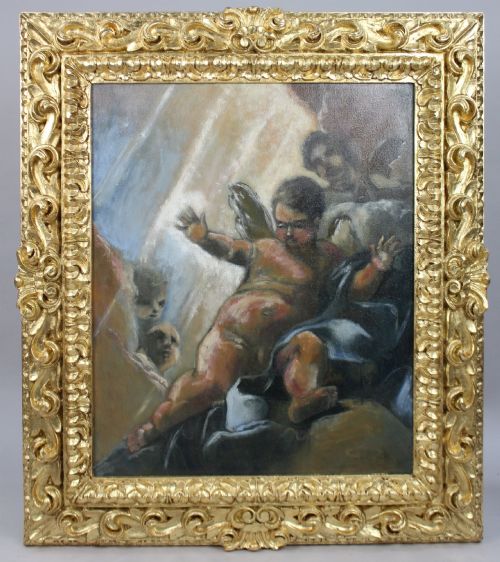
A classical fine art painting represents historical traditions ranging from the seventeenth-century Baroque and Dutch Golden Age through to Georgian and Victorian academic works. Buyers seeking this phrase encounter framed oils on canvas, wooden panels and watercolours depicting mythological narratives, formal portraits and pastoral landscapes.
The selections span European schools including Italian, French, Bavarian and British regional workshops. Many pieces demonstrate direct art-historical lineage through master copies, studio followers or grand tour creations from the eighteenth and nineteenth centuries.
Materials and technique
Painters of these periods applied oil paint or water-based media onto prepared supports of woven canvas, wooden panels or paper. Canvases received layers of gesso ground to seal the fabric before pigment application.
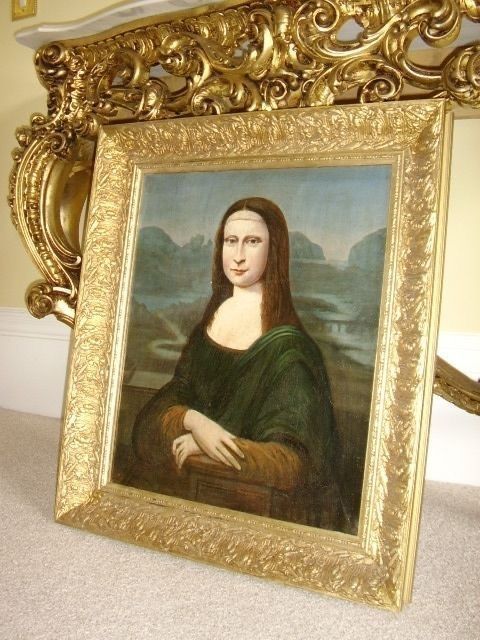
Finished works found housing within heavy wooden frames embellished with carved giltwood, leaf gilding and gesso mouldings that complemented the academic weight of the canvas.
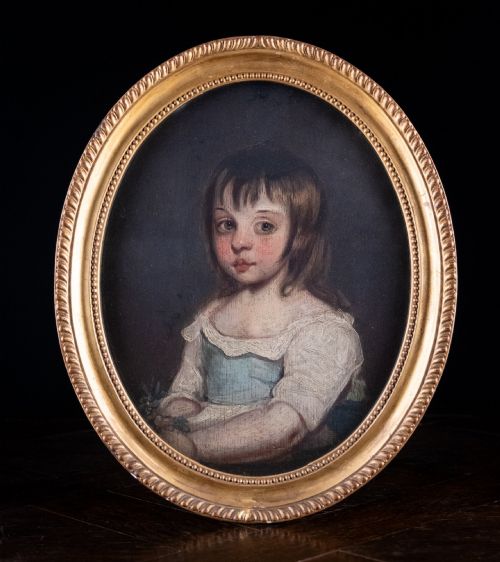
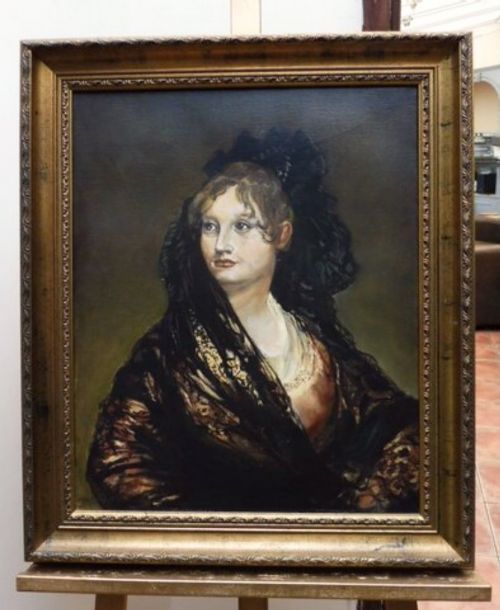
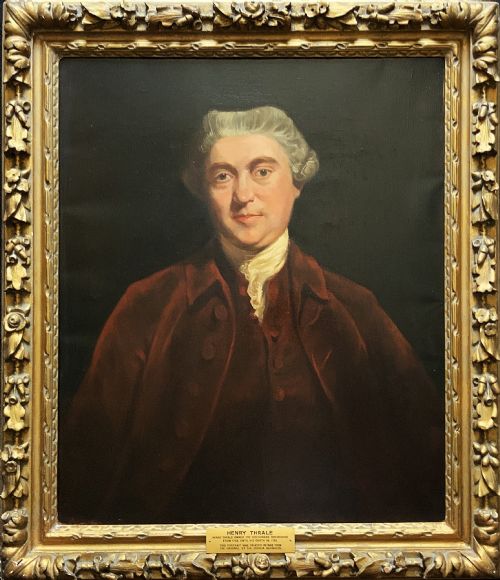
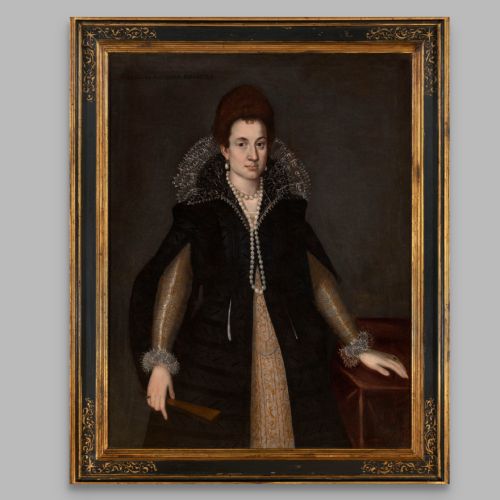
Several portraits preserve the exact gaze of eighteenth-century sitters who sat motionless for hours while artists struggled against fading daylight.
Distinctions in execution
The calibre of a painting rests upon the anatomical precision of figures, the depth achieved in chiaroscuro shading and the confident handling of drapery. Superior works capture individual psychology in portraiture and atmospheric perspective in landscapes rather than relying on formulaic studio repetition.
Framing also distinguishes the tier of a piece; period-correct hand-carved giltwood frames significantly elevate the historical integrity of the artwork compared to later replacements.
Charles-Antoine Coypel·Pierre Mignard·Francisco Jose de Goya y Lucientes·Sir Joshua Reynolds·Benedetto Luti·Pietro Fachetti·Jacob Philipp Hackert·Guillaume Courtois·Sir Allan Ramsay·Robert Byng·Theodore Jensen·William Etty
The Classical Fine Art Painting Glossary
- Oil on Canvas
- A traditional painting medium where pigments are suspended in drying oils and applied to a stretched woven fabric support. This combination allows for rich blending and deep tonal graduation.
- Giltwood
- Timber carved and coated with thin sheets of gold leaf or metal leaf over a prepared gesso base. It provides a reflective, opulent border for formal academic works.
- Gesso
- A paint mixture consisting of a binder mixed with chalk, gypsum or pigment used to prepare wooden panels or canvases. It creates a smooth, absorbent surface for painting.
- Baroque
- An artistic style originating in the early seventeenth century characterised by dramatic movement, deep shadow and grand emotional intensity. Works in this manner emphasise theatrical composition.
- Neoclassical
- A Western cultural movement drawing on the art of classical antiquity that prioritises austere linear precision and sober mythological subjects. It emerged during the eighteenth century as a reaction against ornate rococo excess.
Classical Fine Art Painting: Frequently Asked Questions
How do I hang a heavy framed oil painting?
Heavy oil paintings set in carved giltwood frames require secure wall fixings screwed directly into masonry or wooden wall studs. Utilising professional picture hooks rated for the specific weight ensures the canvas remains stable over time.
Position the centre of the canvas at standard eye level, avoiding direct sunlight or proximity to heat sources that could dry out the wooden stretcher bars and canvas support.
What is the difference between an original and an after work?
An original painting is executed directly from life or imagination by the primary artist during their active period. Works designated as 'after' an artist are historically significant secondary interpretations painted by later practitioners studying master compositions.
Academy students and accomplished artists frequently painted copies of famous works during the eighteenth and nineteenth centuries to refine their technique and supply the grand tour market.
How can I tell a seventeenth century canvas from a nineteenth century copy?
Examination of the canvas weave, stretcher construction and preparation ground often reveals the chronological era of manufacture. Seventeenth-century supports typically display hand-woven textures and older joinery techniques compared to nineteenth-century mill-produced fabrics.
Pigment analysis and the style of craquelure across the paint surface provide further clues regarding the actual age of the application.