



Classical Figure Study
When you search for a classical figure study, you encounter academic drawings, bronzes and oil paintings depicting mythological subjects and human forms.
Classical Figure Study
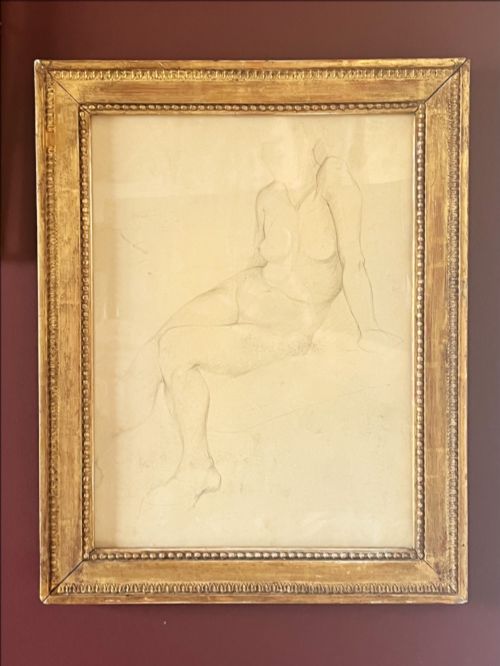
A classical figure study represents human anatomy, mythological characters and antique sculpture rendered by artists for training or exhibition. You find works originating from the seventeenth century through to the early twentieth century, with nineteenth-century examples appearing frequently.
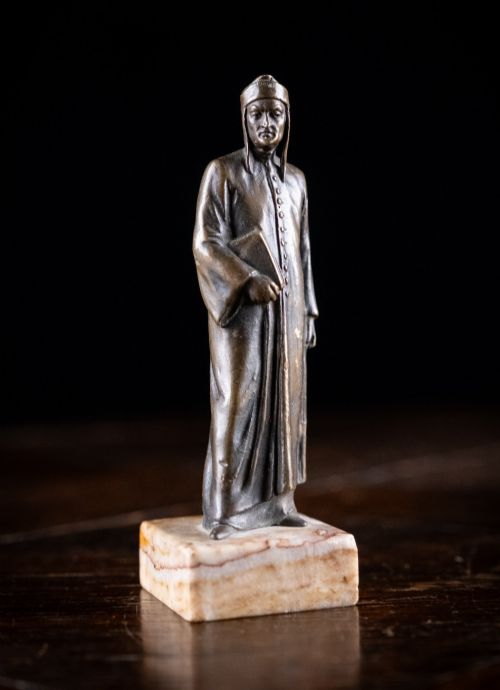
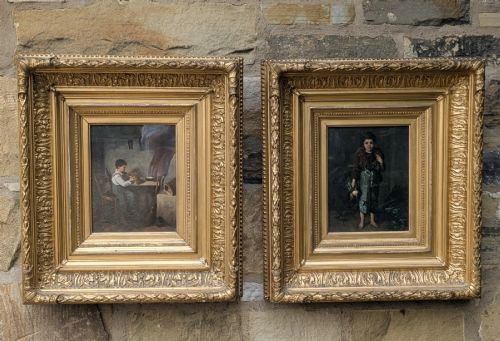
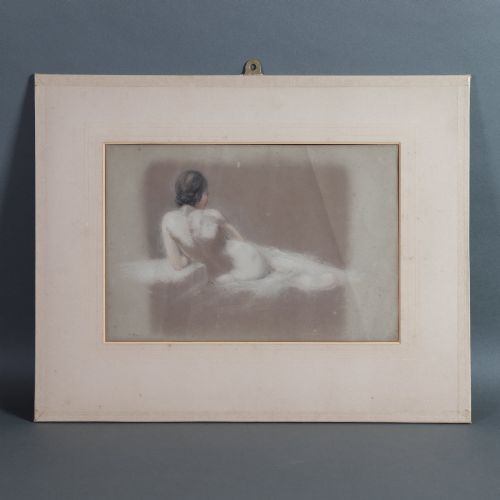
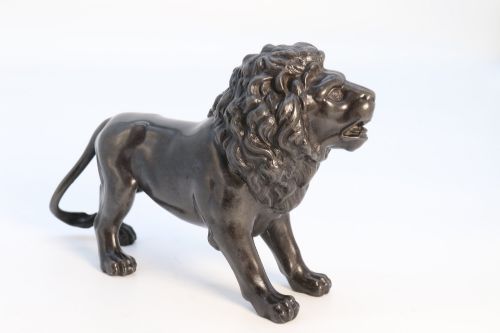
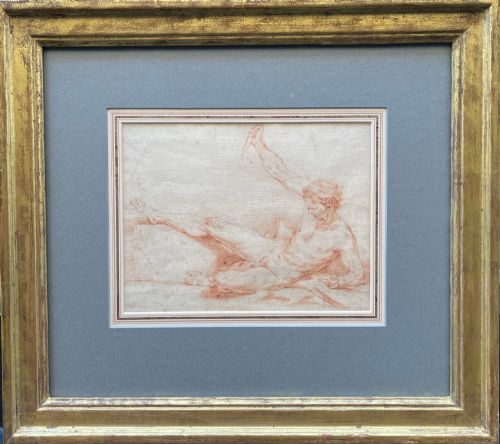
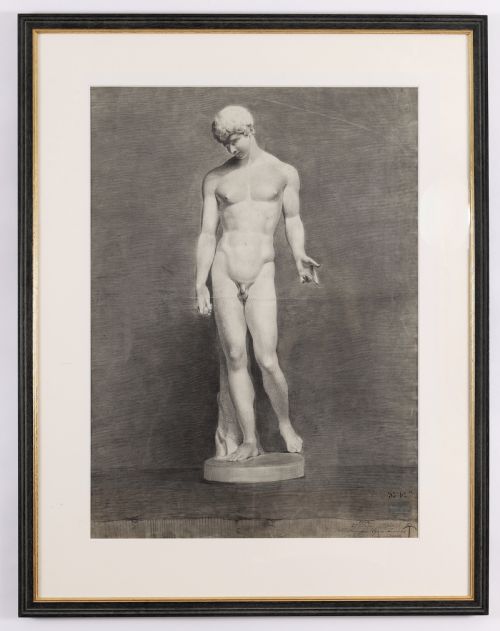
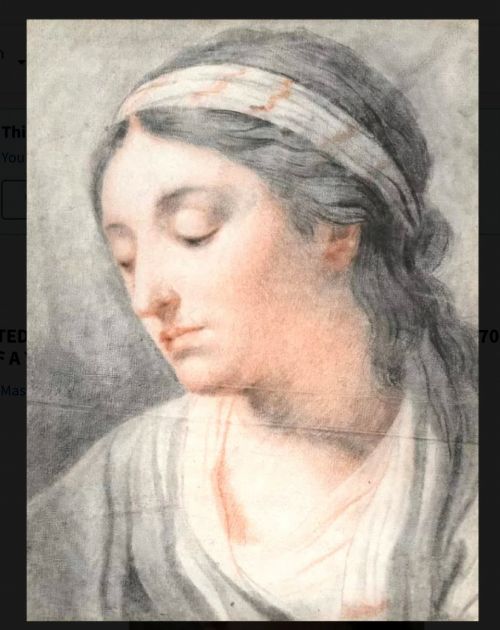
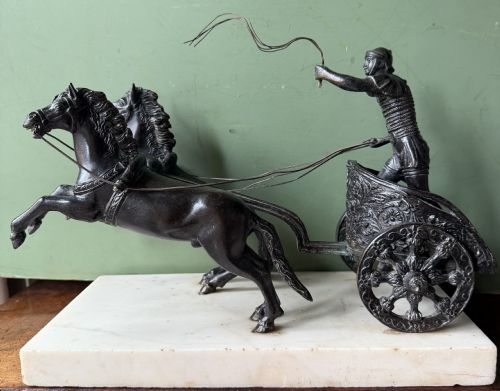
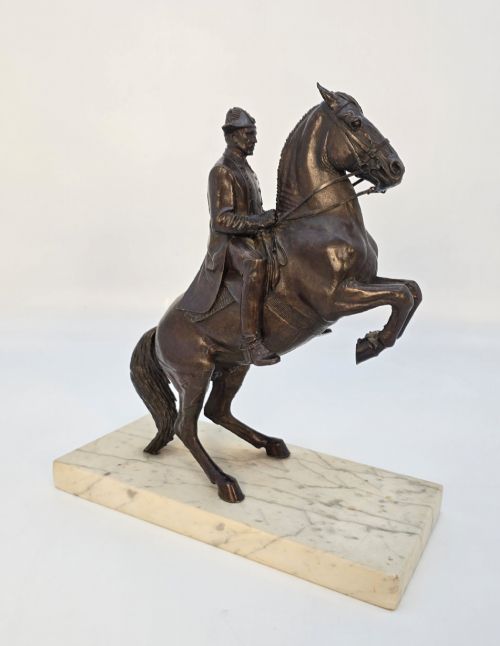
The objects take several forms, including framed graphite and red chalk drawings on paper, oil paintings on panel or canvas, and cast bronze sculptures mounted on marble. Many pieces reflect academic training methods where students copied antique statues or drew from live models.
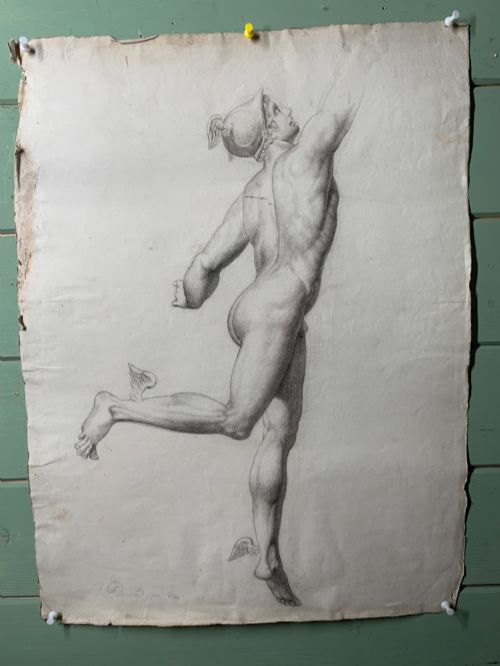
The subjects draw heavily on classical antiquity, featuring figures such as Hercules, Ariadne, Hermes and various deities. Grand Tour souvenirs also form part of the selection, bringing small-scale bronzes of famous statues out of Italy for collectors.
How they were made
Paper works utilise graphite, charcoal, red chalk, pen and ink, capturing tonal graduation and musculature through careful hatching and shading. Drawings often appear on aged paper sheets, sometimes with sketches on both recto and verso sides.
Bronze sculptures employ the lost-wax casting method, often finished with a dark patina and mounted upon white marble or gilt wood plinths. Painters apply oil colours to canvas, board or panel to build up figurative compositions and portraits.
Neoclassical and academic styles dominate the selection of figure studies available.
What varies in quality
Quality rests upon anatomical precision, the sensitivity of the line work, and the fidelity of the cast in bronze pieces. Stronger examples demonstrate a confident understanding of proportion, light and shadow derived from rigorous academic training.
Medium handling creates distinction, as seen in the crispness of red chalk sketches or the fine detail preserved in Grand Tour bronzes after ancient marbles. Weaker items display stiff proportions and hesitant marks that lack the observational depth of accomplished hands.
William Etty·Johann Heinrich Dannecker·François-André Vincent·Hector Lemaire·James Clark
The Classical Figure Study Glossary
- Grand Tour
- A cultural journey undertaken by wealthy young Europeans in the eighteenth and nineteenth centuries to view classical antiquities. Travellers often returned with small bronze souvenirs of famous statues.
- Sanguine
- A type of red chalk used extensively for drawing figure studies and portraits from the Renaissance onwards. It allows artists to model flesh tones and shadows effectively.
- Recto and verso
- The front and back sides of a single sheet of paper or leaf. Drawings sometimes occupy both sides when paper was scarce or used for preliminary exercises.
- Parian porcelain
- A fine-grained white ceramic type developed in the nineteenth century to imitate carved marble. It frequently served for sculptural reductions of classical figures.
- Academic realism
- An artistic style produced by the standards of European art academies of the nineteenth century. It emphasises precise rendering of the human figure and classical subjects.
Classical Figure Study: Frequently Asked Questions
What is a classical figure study?
A classical figure study is a drawing, painting or sculpture focusing on the human form, often inspired by ancient Greek and Roman art or created as part of academic art training.
These pieces served as preparatory exercises or finished cabinet works depicting nudes, mythological characters and anatomical details.
How were these pieces used originally?
Artists produced figure studies to master human anatomy, perspective and shading before executing large history paintings or grand compositions.
Bronze versions and souvenir paintings were collected by travellers on the Grand Tour to display their classical education and taste at home.
How should I display a drawing?
Drawings on paper require conservation-grade framing with acid-free mounts to prevent deterioration over time. Keep them away from direct sunlight to protect the fragile chalk, graphite or ink pigments.
Proper lighting enhances the tonal qualities of red chalk and pencil studies without risking the integrity of the paper.
How do I identify a Grand Tour bronze?
Grand Tour bronzes are typically small-scale reductions of famous antique sculptures like the Farnese Hercules or the Dying Gaul. They frequently feature patinated surfaces and are mounted on stone plinths such as white marble.
These pieces date predominantly from the nineteenth century and reflect the neoclassical interests of European travellers.