



Classical Dutch Still Life
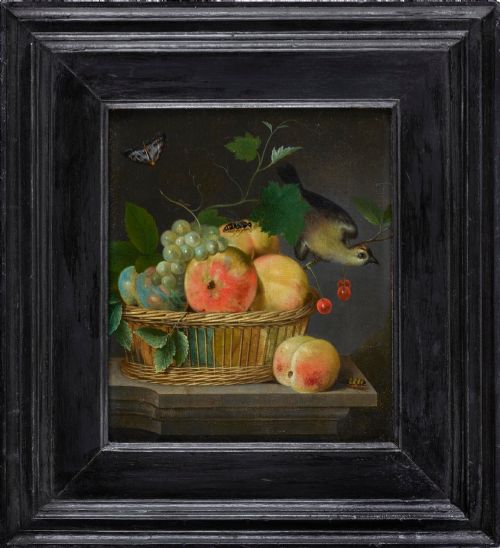
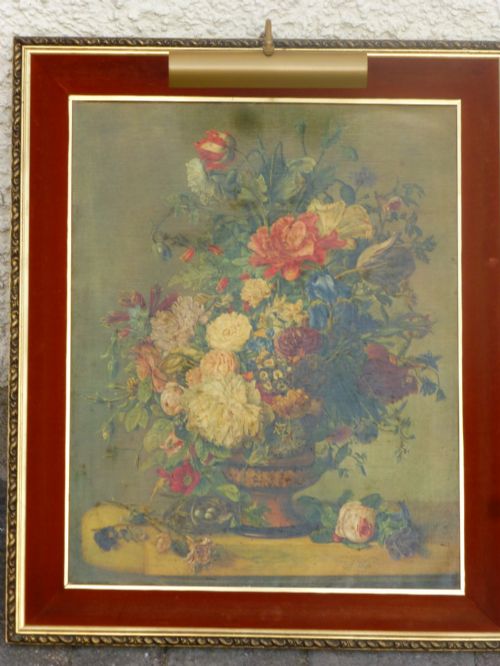
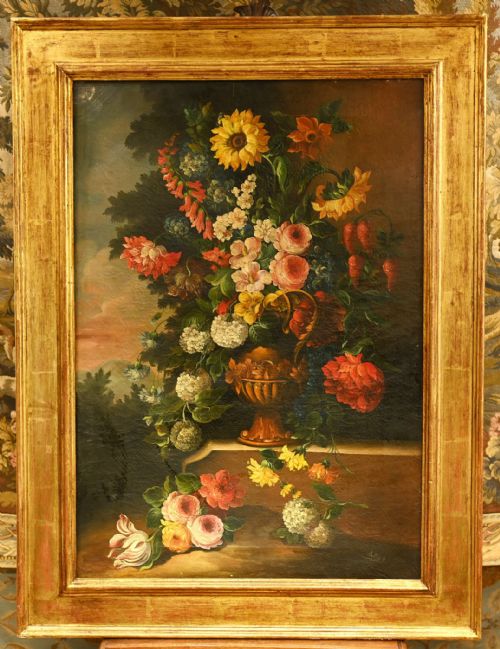
These classical dutch still life oil paintings capture rich compositions of fruit, flowers and banquets across centuries of skilled artistry.
Classical Dutch Still Life
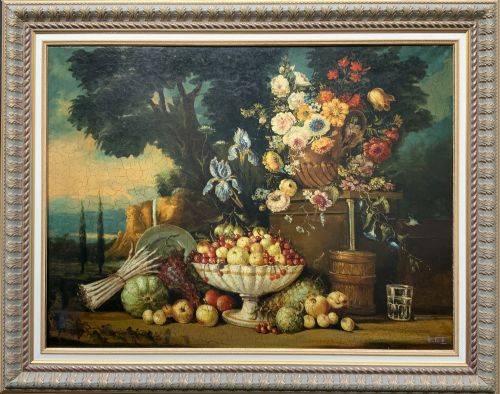
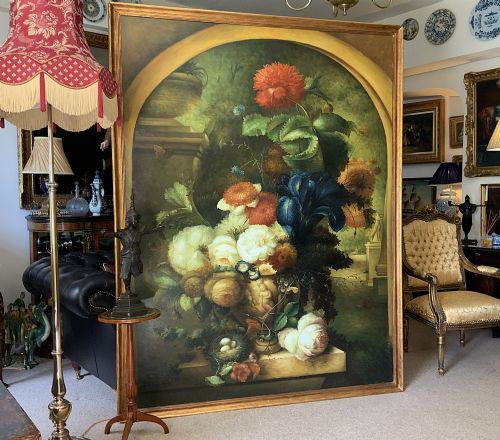
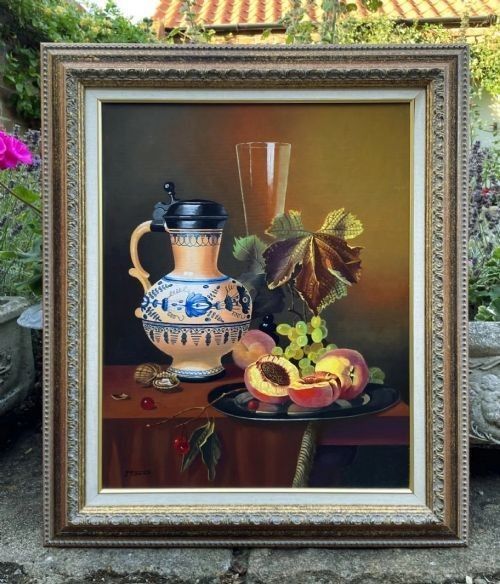
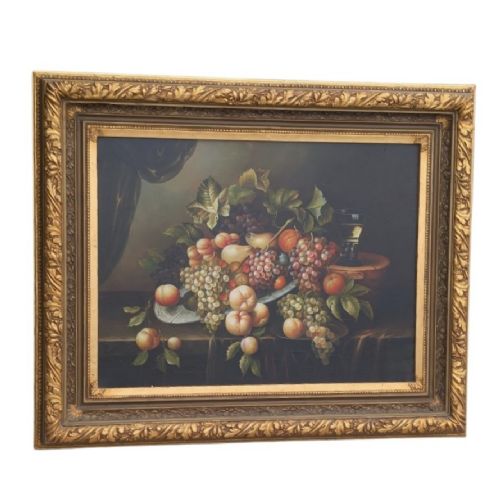
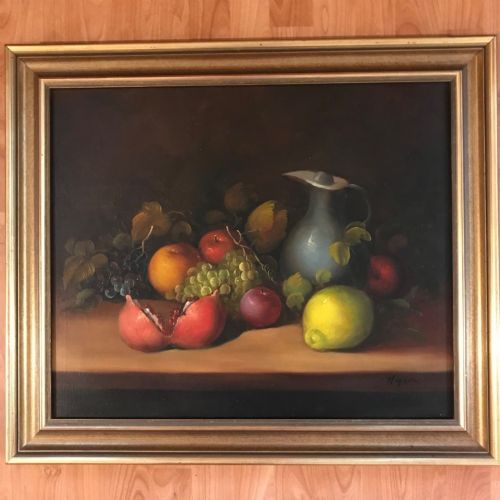
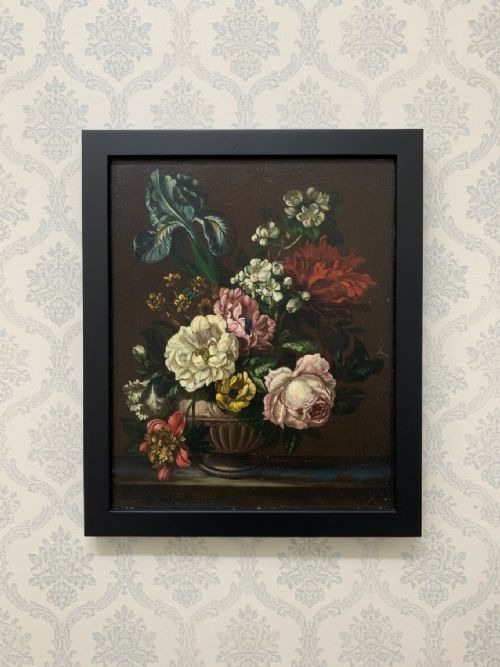
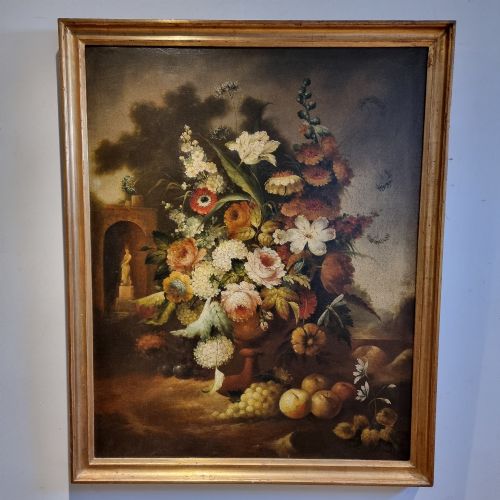
A classical dutch still life brings together detailed arrangements of flowers, fruit and objects on canvas or wood panels. These artworks draw inspiration from historical Dutch Golden Age styles, baroque traditions and classical realism. You will encounter pieces ranging from authentic earlier periods to later interpretations created in the twentieth century.
The subjects typically feature natural bounty, including fruit in baskets, abundant floral displays and occasionally birds or portrait elements. Compositions often utilise dramatic lighting against dark backgrounds to emphasise texture and form. Such works serve as striking wall art for traditional interiors and period settings.
Materials and construction methods
Artists built these works using oil paint applied to prepared surfaces such as canvas or wood panels. Canvases are frequently stretched over wooden frames, whilst panels provide a rigid base for meticulous brushwork. The physical structure supports layers of pigment that build depth and luminosity within the composition.
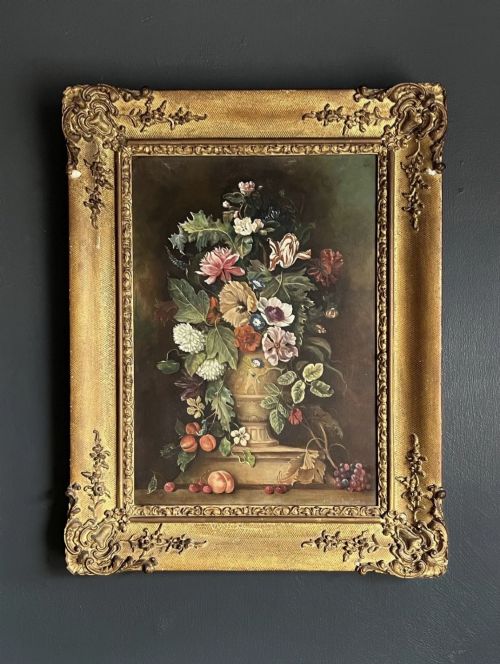
Many of these paintings sit within ornate surrounds, including gilt gesso frames finished with gold leaf. These decorative wooden mouldings complement the richness of the painted scenes. The combination of oil paint, canvas and gilded wood defines the physical makeup of these pieces.
Classical Dutch Still Life Retail Price Guide 2026
Typical asking prices for classical dutch still life among the pieces listed under this phrase on Sellingantiques today, from the lower quarter to the upper quarter. They describe what is for sale here now, not the wider market.
Listings feature works executed in oil on canvas and wood, ranging from seventeenth-century origins to twentieth-century classical revivals.
Distinguishing quality in composition and framing
Quality reveals itself through the precision of the brushwork and the balance of the composition. Finer examples display meticulous detail in textures such as fruit skin, delicate petals and woven baskets. The handling of light and shadow creates a convincing sense of depth that draws the eye into the scene.
The housing of the artwork also influences the overall character. Pieces set within period gilt gesso frames or substantial gilded wood mouldings demonstrate greater attention to historical context. The harmony between the painted canvas and its surround marks the distinction in craftsmanship.
The Classical Dutch Still Life Glossary
- Gilt gesso
- A plaster-like material applied to wood and coated in gold leaf to create ornate picture frames. This technique provides a decorative border suited to traditional oil paintings.
- Oil on panel
- A painting technique where oil pigments are applied directly to a flat wooden board rather than stretched fabric. This method offers a stable surface favoured in various historical periods.
- Dutch Golden Age
- A period in the seventeenth century renowned for artistic achievement in portraiture and still life painting. Subsequent centuries frequently drew inspiration from this era's distinct aesthetic.
- Trompe l'oeil
- An artistic technique that uses realistic imagery to create the optical illusion that depicted objects exist in three dimensions. This style plays with perception and spatial depth.
- Baroque
- An artistic style characterised by drama, rich detail and high contrast between light and dark. It underpins many elaborate floral and fruit compositions.
Classical Dutch Still Life: Frequently Asked Questions
What subjects appear in these paintings?
The compositions commonly depict arrangements of fruit, abundant floral displays and banquet scenes. Additional elements like wicker baskets, birds or portrait items occasionally feature within the arrangements.
These subjects follow established traditions focused on capturing the texture and natural form of everyday objects.
How should I display these artworks?
These pieces suit traditional living spaces, dining rooms and studies where period aesthetics predominate. Their detailed compositions work well as central focal points on panelled or neutral walls.
Matching the painting with a suitable wall space allows the dark backgrounds and rich colours to stand out effectively.
Are these works painted on canvas?
Many examples utilise oil paint on canvas stretched over wooden supports. Others are created on wood panels or incorporate gilt gesso framing.
The choice of support varies according to the period and the specific style followed by the artist.
How do I identify the period of a piece?
Dating relies on observing the materials, frame construction and stylistic markers associated with specific eras. Listings indicate various periods ranging from earlier centuries through to twentieth-century interpretations.
Examining the canvas preparation and frame type provides further clues regarding the age of the artwork.