





Classical Crest Overmantel Mirror
A classical crest overmantel mirror anchors a chimney breast with height, symmetry, and period grandeur.
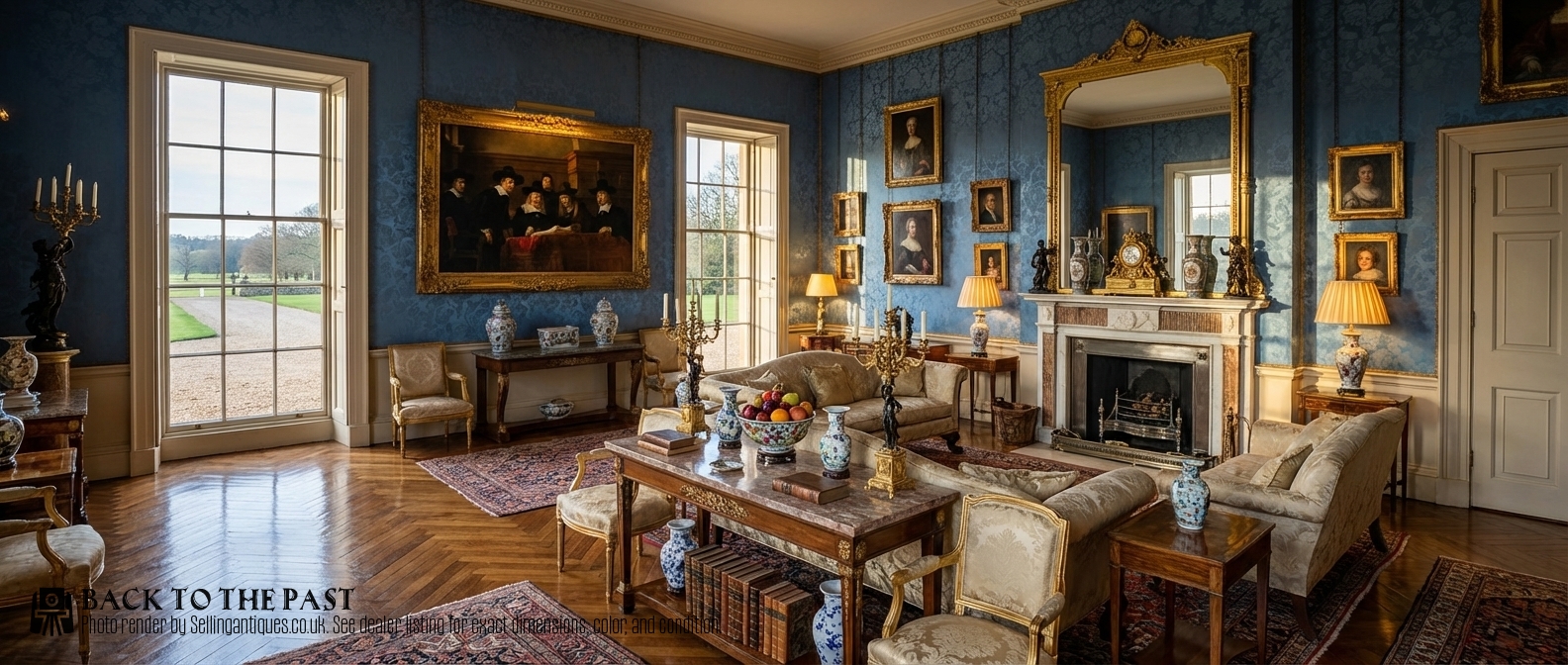
Classical Crest Overmantel Mirror
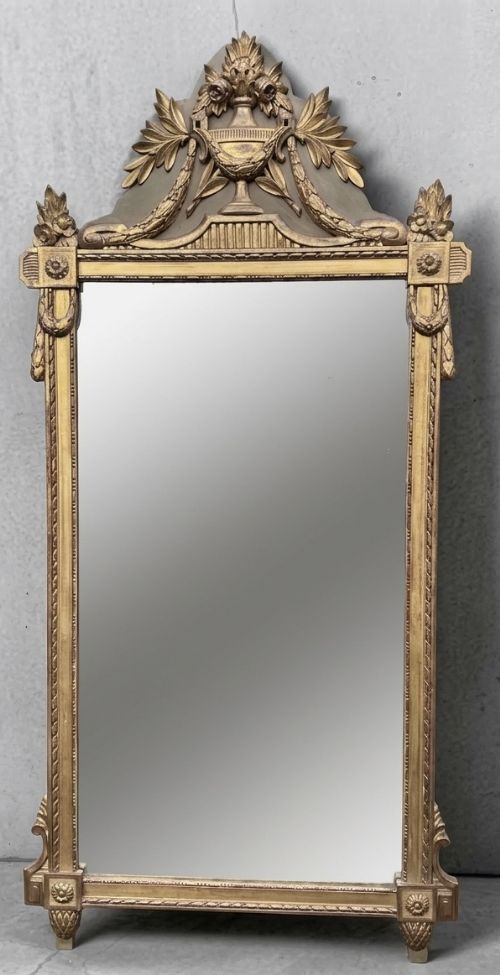
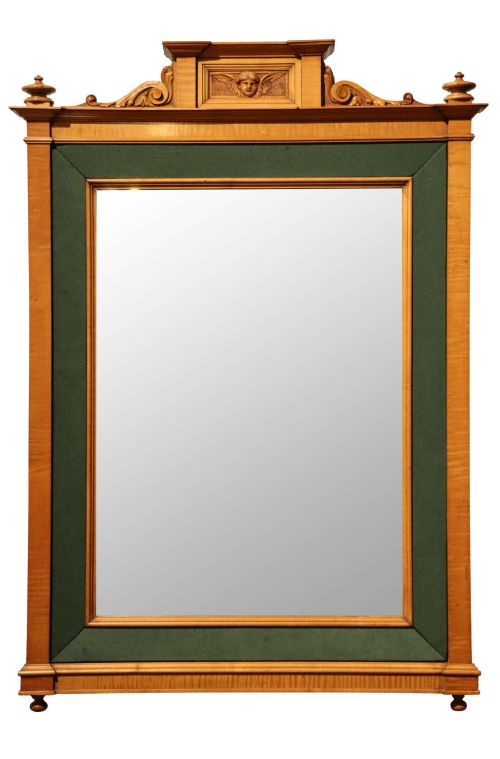
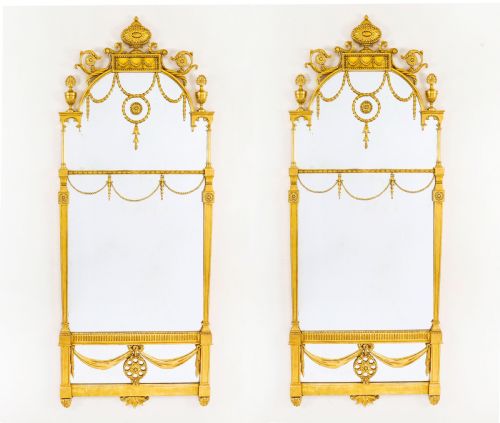
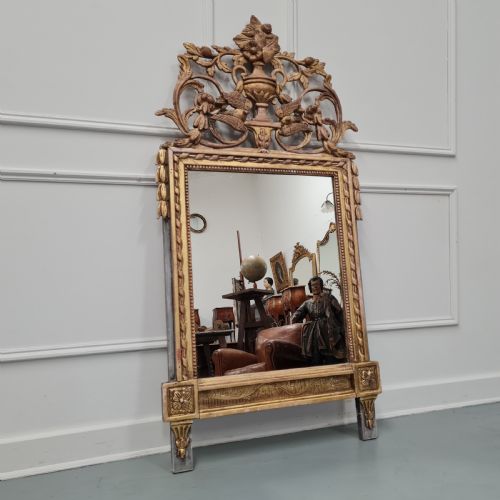
A classical crest overmantel mirror brings architectural presence to a room, designed historically to sit directly above a fireplace mantelpiece. When searching for a classical crest overmantel mirror, buyers encounter grand proportions, arched tops, and elaborate ornamentation originating across the nineteenth and eighteenth centuries.
Materials and construction
Frames are constructed from wood and gesso, serving as the foundational base for intricate ornamentation and relief work. Artisans applied gold leaf and silver leaf to achieve the luminous metallic finishes characteristic of the period.
Glazing relies on traditional mirror glass set within heavy wooden and gesso armatures, often reinforced to support the substantial weight of large wall-hanging formats.
Classical Crest Overmantel Mirror Retail Price Guide 2026
Typical asking prices for classical crest overmantel mirror among the pieces listed under this phrase on Sellingantiques today, from the lower quarter to the upper quarter. They describe what is for sale here now, not the wider market.
Listings span the eighteenth, nineteenth, and early twentieth centuries, incorporating Victorian, Regency, and Adam Revival design influences.
Distinguishing quality and craftsmanship
Quality rests in the crispness of the carved or moulded gesso detailing along the crest and frame. Finer examples display deeply defined classical motifs and delicate relief work rather than soft or blurred ornamentation.
The application of gold leaf or silver leaf also dictates standard, with superior pieces showing meticulous burnishing and hand-finishing that endures across centuries.
The Classical Crest Overmantel Mirror Glossary
- Overmantel mirror
- A large mirror specifically designed to hang above a fireplace mantel. These pieces often feature horizontal or vertical proportions suited to architectural chimney breasts.
- Gesso
- A plaster-like mixture applied to a wooden base and carved or moulded into relief details. It forms the intricate decorative crests seen on many antique frames.
- Giltwood
- Timber that has been coated with a thin layer of gold leaf. This finish provides a warm, reflective metallic sheen to the frame.
- Adam Revival
- An architectural and decorative style drawing on ancient Roman and Greek designs. It gained popularity during the nineteenth century, influencing mirror frames with urns, swags, and classical symmetry.
- Putto
- A representation of a small plump child, often winged, derived from classical art. These figures frequently appear on the cresting of ornate mirrors.
Classical Crest Overmantel Mirror: Frequently Asked Questions
Where should I hang an overmantel mirror?
Traditionally, these mirrors sit centrally upon the chimney breast directly above the fireplace mantel. This placement allows the frame to anchor the surrounding wall space.
They also function effectively on large blank walls in reception rooms to create a sense of expanded space and reflect natural light.
How do I secure a heavy gilt mirror?
Due to the substantial weight of timber, gesso, and glass, professional wall fixings are essential for safe installation. Mirrors must be hung from structural wall studs or masonry using heavy-duty brackets.
Wire alone is rarely sufficient for large antique overmantels; securing the frame directly to the wall at multiple points ensures stability.
What defines the Adam Revival style?
The Adam Revival draws heavily on eighteenth-century neoclassical design principles established by the Adam brothers. It is characterised by refined symmetry, delicate swags, urn motifs, and classical architectural elements.
Mirrors from this movement display restrained elegance compared to later, more exuberant Victorian interpretations.
Are original mirror plates common?
Many antique mirrors retain their original glass plates, which often display light foxing, minor speckling, and gentle distortion. These natural signs of age confirm the authenticity of the piece.
Replacement glass occasionally occurs if the original plate was damaged over the centuries of use.