

Classical Copperplate Engraving
Classical copperplate engraving brings together centuries of fine printmaking, offering framed historical portraits and architectural studies for interior display.
Classical Copperplate Engraving
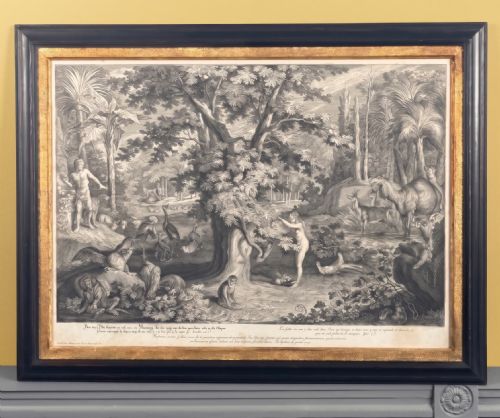
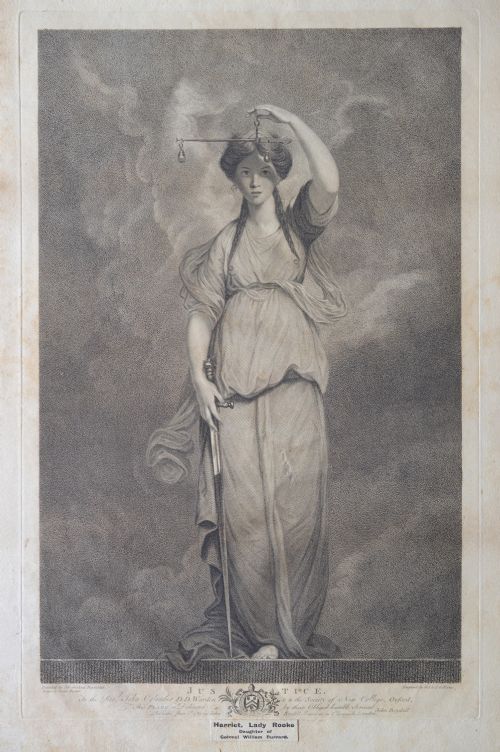
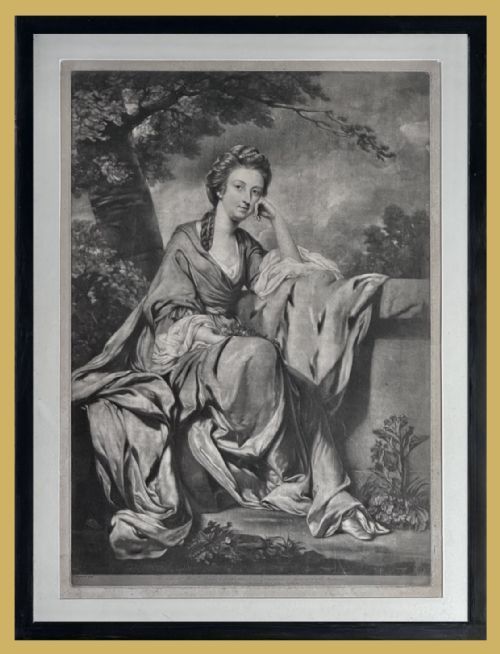
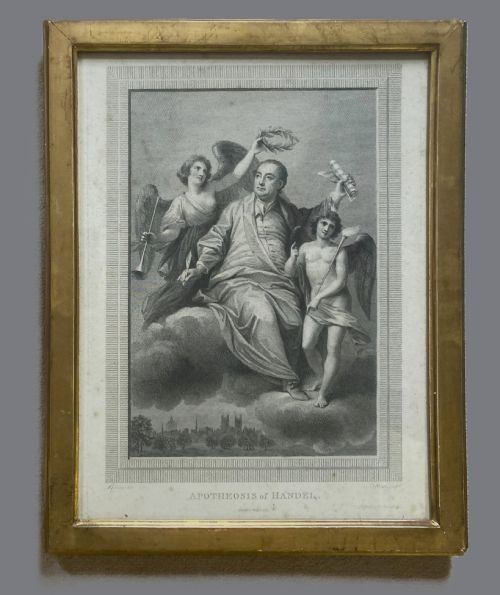
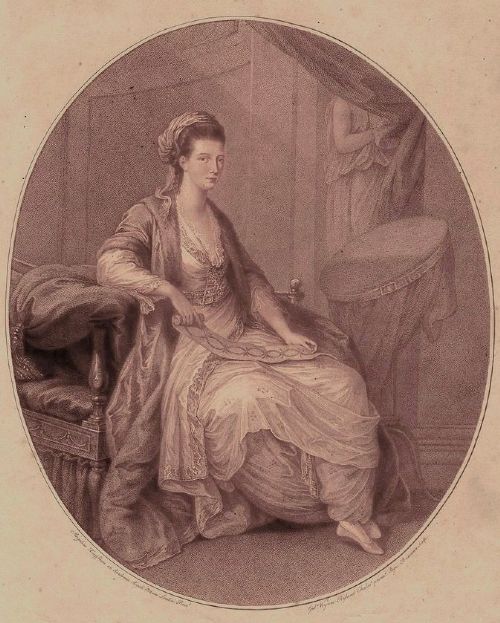
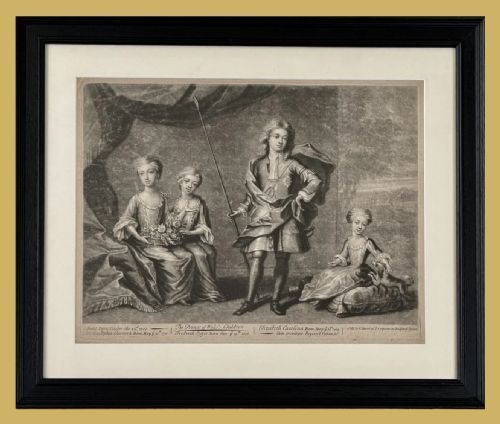
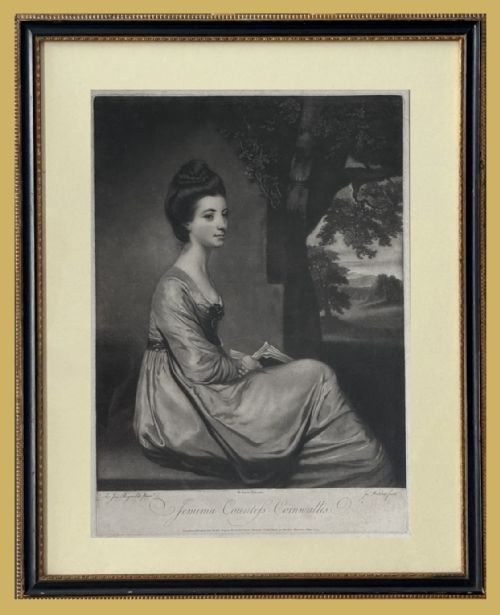
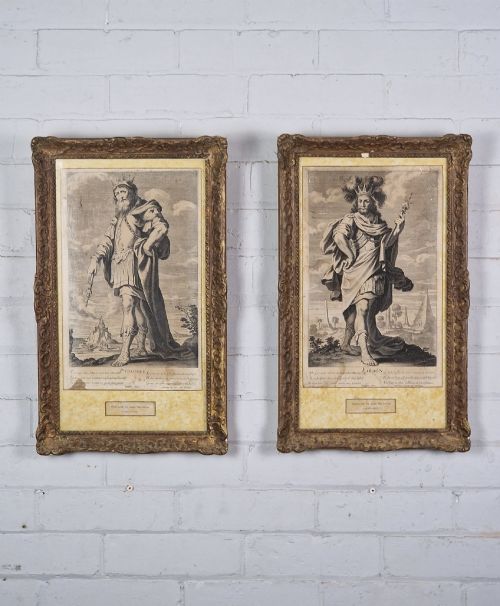
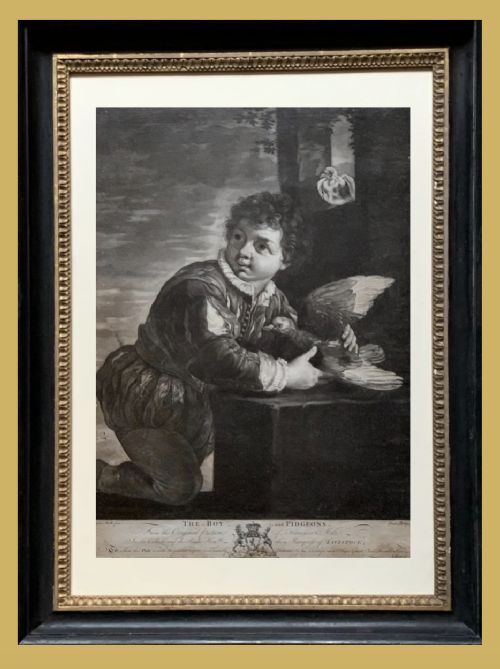
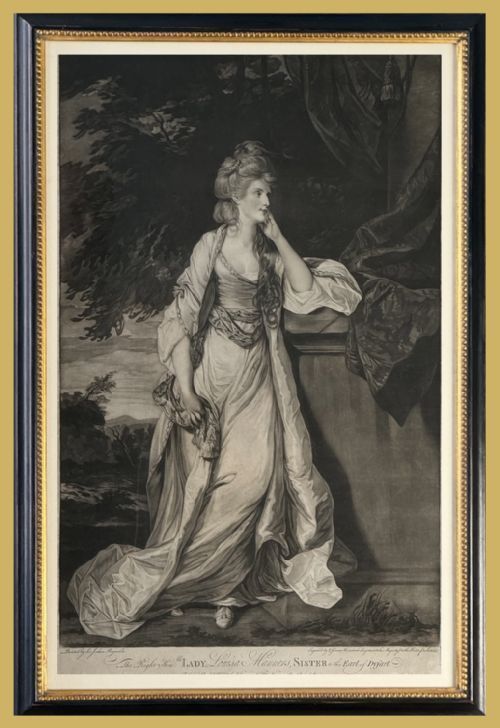
A classical copperplate engraving represents printed works pulled from metal plates, often depicting mythological scenes, architectural antiquities, and formal portraiture. These pieces span from the seventeenth century through the Georgian and Victorian eras, reflecting the grand tour and classical revival tastes of past centuries.
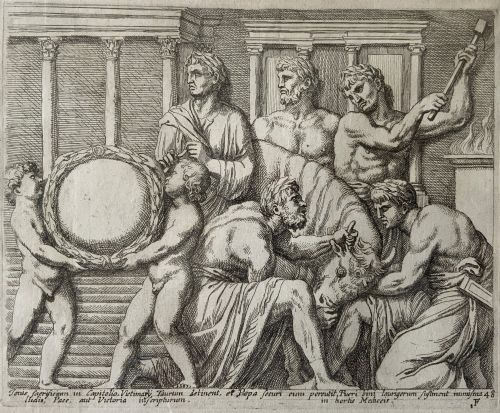
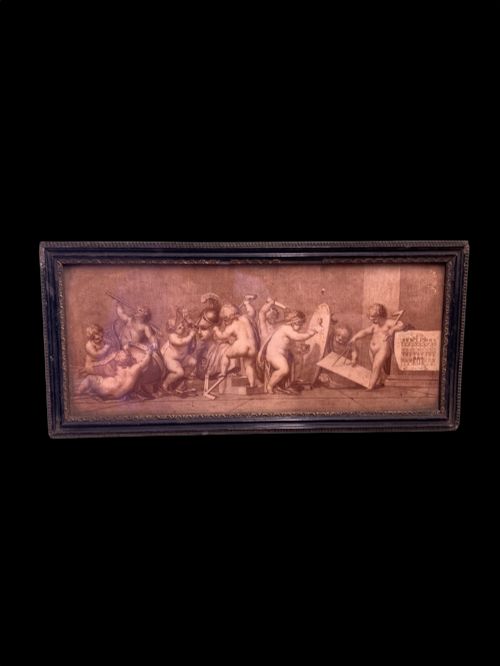
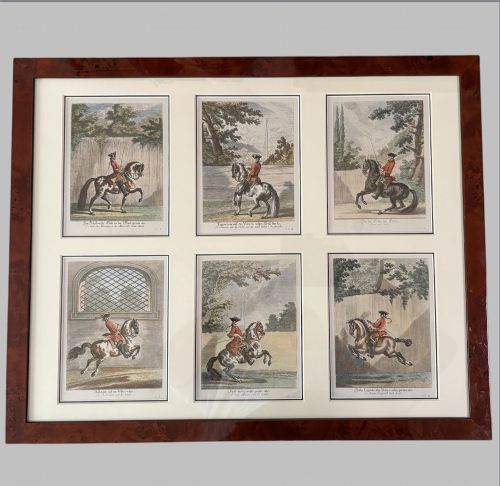
The inventory on this page leans heavily toward eighteenth-century examples, alongside seventeenth-century works and later nineteenth-century interpretations. Subjects range from Vatican loggie plates and Greek antiquities to allegorical figures and equestrian studies after master painters.
Materials and Technique
Makers utilised copper sheets as the primary medium, scoring lines by hand or applying acid to etch the design before pressing the inked plate onto paper. Many surviving examples retain contemporary hand colouring and arrive housed in period frames constructed from walnut, burr wood veneer, or gilt wood.
The combination of quality laid paper and rich dark ink ensures the fine linear detail of architectural elevations and figural compositions remains crisp. Protective glass encases the fragile paper sheets, frequently accompanied by gold leaf accents on the surrounding timber frames.
Classical Copperplate Engraving Retail Price Guide 2026
Typical asking prices for classical copperplate engraving among the pieces listed under this phrase on Sellingantiques today, from the lower quarter to the upper quarter. They describe what is for sale here now, not the wider market.
Listings span multiple centuries from the seventeenth to the twentieth, with the eighteenth century providing the largest share of architectural prints and portraiture.
Factors of Quality
Quality rests primarily in the crispness of the impression pulled from the copperplate, as worn plates yield softer lines and muddied shadows. Early impressions taken before the metal plate deteriorated retain a sharper tonal range in complex mezzotint portraits and architectural renderings.
The preservation of the paper sheet and the originality of the housing also dictate the standing of a piece. Margins left intact around the platemark, minimal foxing, and the presence of an authentic period frame elevate an engraving above trimmed or later-housed examples.
Johann Elias Ridinger·Thomas Watson·John Boydell·Edward Fisher·Jean Mariette·James Watson·Valentine Green·W Dickinson·James Heath·François Perrier·Étienne Baudet·Robert Sayer·Simon François Ravenet·Antonio Capellan·Alessandro Mocchetti·Francesco Piranesi·James Basire·Giovanni Ottaviani
The Classical Copperplate Engraving Glossary
- Platemark
- The indented impression left in the paper by the outer edges of the copper plate under the pressure of the printing press. This depression serves as a reliable indicator of an authentic plate-printed work.
- Mezzotint
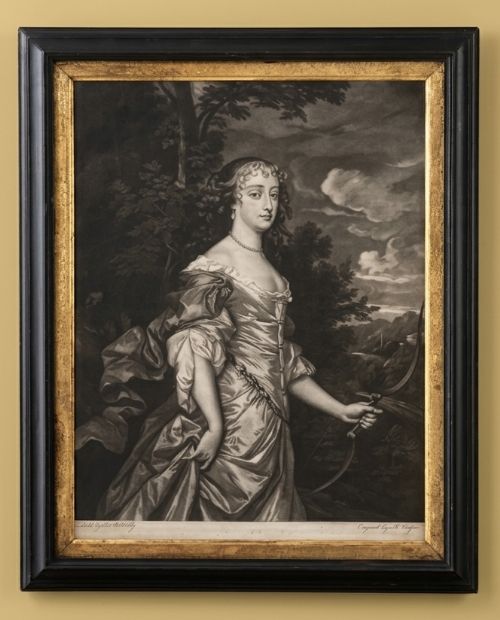
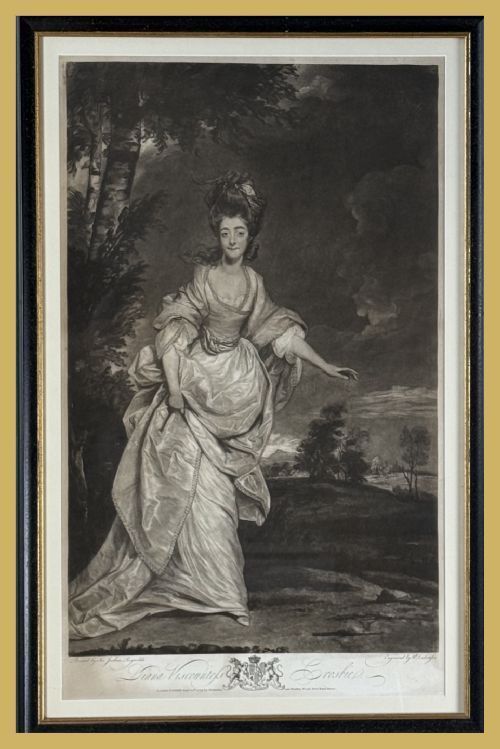
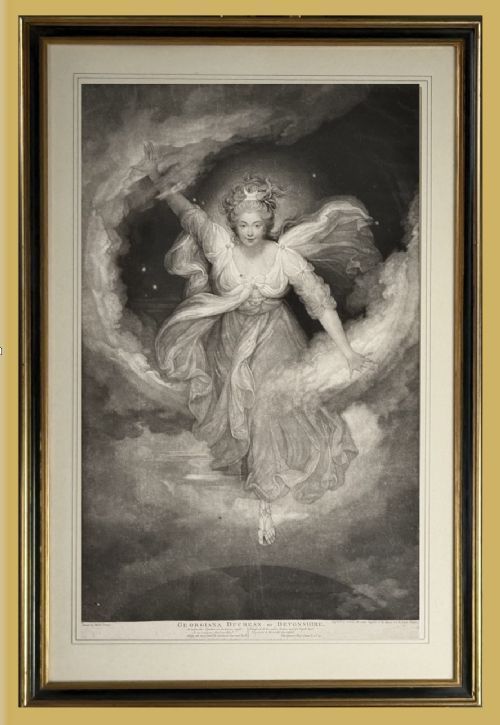
- A tonal printmaking method where the copper plate is roughened uniformly to produce dark areas, then scraped and burnished to create highlights. It allows for subtle gradations of light and shade particularly suited to portraiture.
- Foxing
- Brown or yellowish spots caused by chemical reactions in the paper over long periods of time. While common in antique prints, heavy clustering can detract from the visual clarity of the image.
- State
- A stage in the production of an engraved print determined by alterations made to the plate itself. Collectors distinguish between early states showing pristine lines and later states after rework by the publisher.
- Laid paper
- Handmade paper featuring a grid texture of vertical chain lines and horizontal wire lines visible when held to the light. This substrate is characteristic of works produced before the nineteenth century.
Classical Copperplate Engraving: Frequently Asked Questions
How should I frame an old engraving?
Protect the paper by using acid-free mount board and keeping the glass from touching the surface of the print directly.
Position the framed work away from direct sunlight to prevent the ink and any hand-applied watercolours from fading over time.
What is a mezzotint?
A mezzotint is a specialised printmaking process that builds up rich dark tones and soft shadows instead of relying solely on linear outlines.
Master printmakers used this technique extensively during the eighteenth century to translate oil paintings into velvety, atmospheric portrait prints.
Are these prints original?
The listings consist of period printings pulled from copperplates during the centuries in which they were originally published.
Examinations of the paper texture, ink penetration, and platemarks help confirm the historical period of each individual sheet.
Why do some engravings show colour?
Certain publishers applied watercolours by hand to the printed impressions shortly after publication to enhance their decorative appeal for buyers.
Hand colouring was common on architectural plates and natural history subjects to bring vibrancy to the monochrome ink lines.