
Classical Column Lamp Base
A classical column lamp base brings architectural dignity to a room, channelling ancient orders into a practical lighting form.
Classical Column Lamp Base
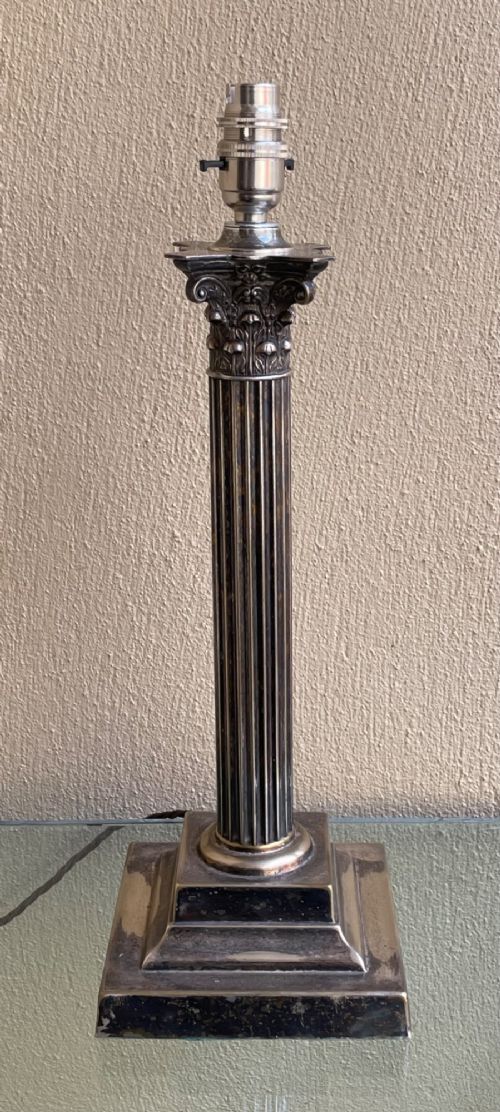
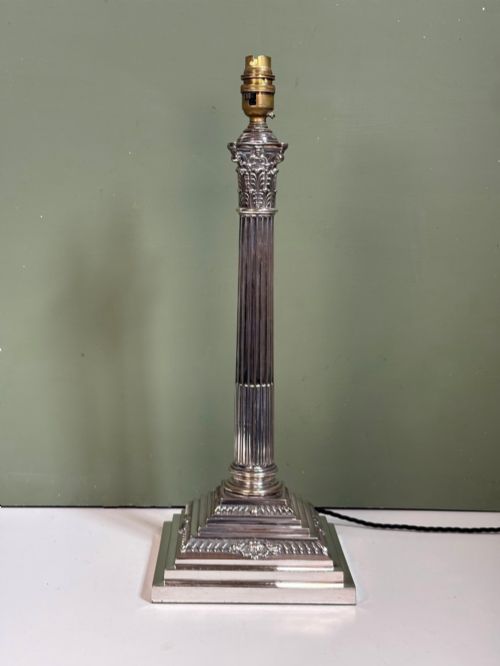
A classical column lamp base takes the structural grammar of ancient architecture and scales it down for interior illumination. When searching for a classical column lamp base, you will encounter examples stretching from the nineteenth century into the early decades of the twentieth century.
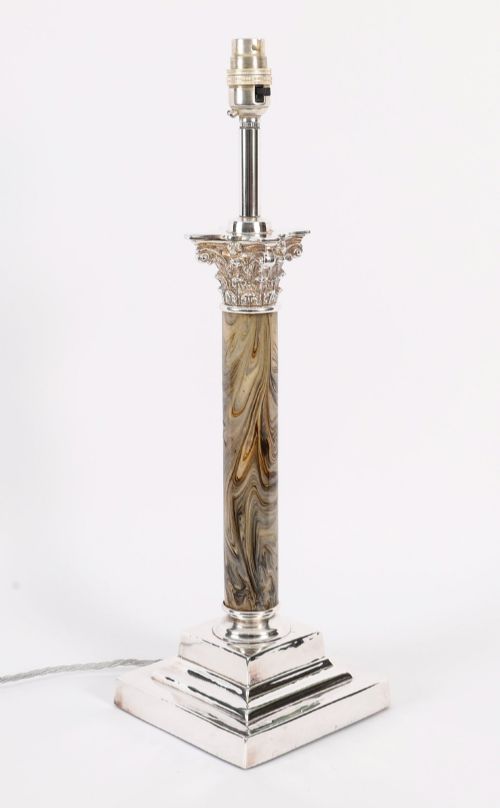
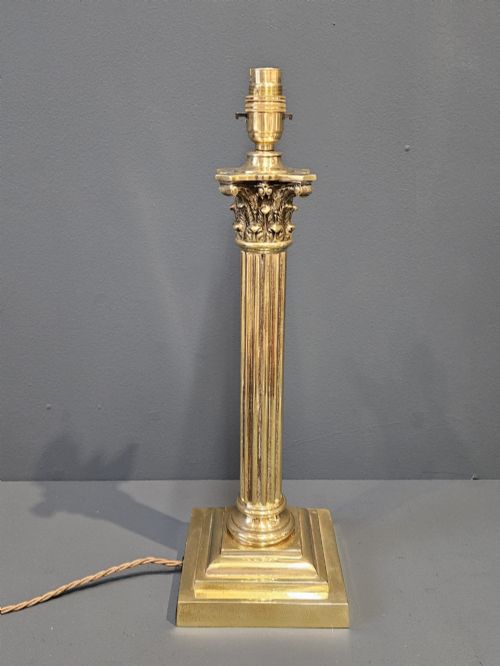
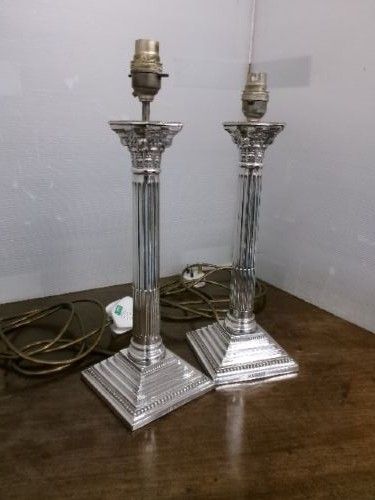
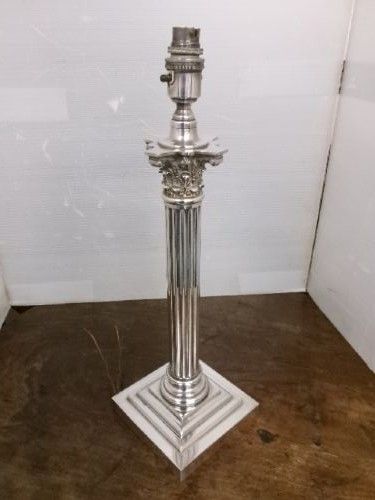
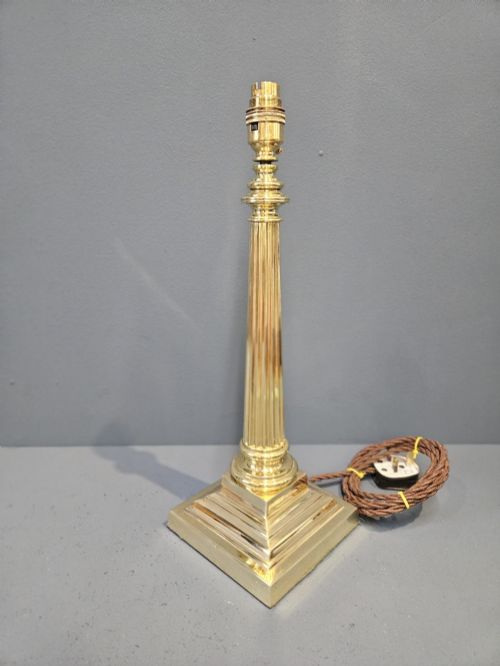
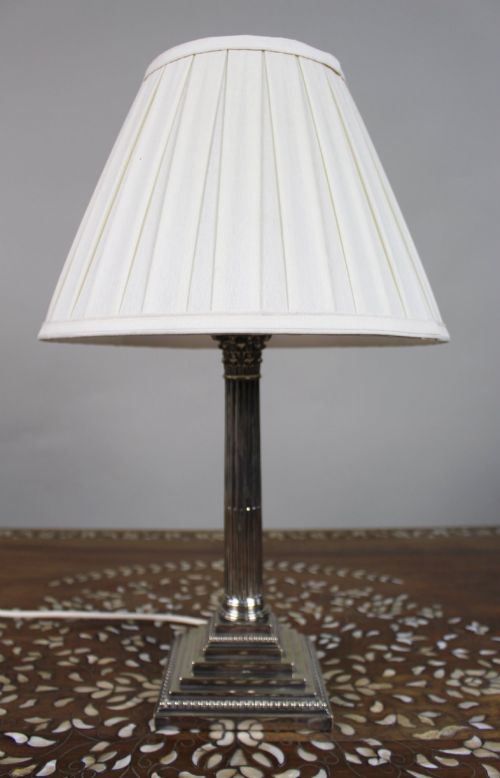
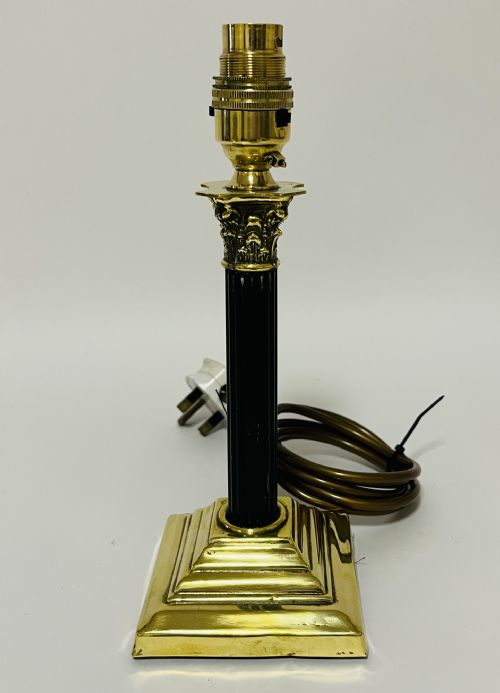
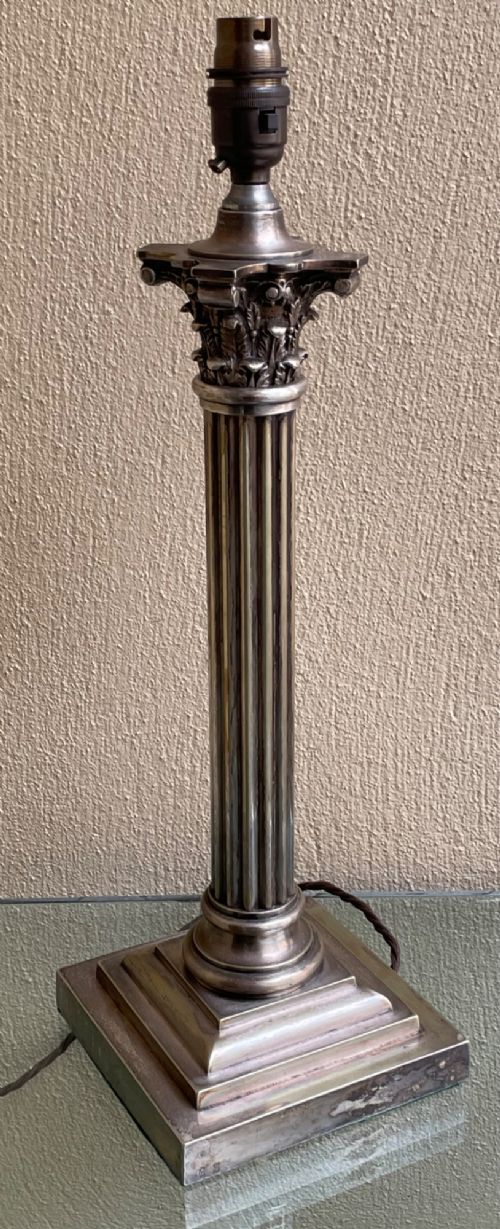
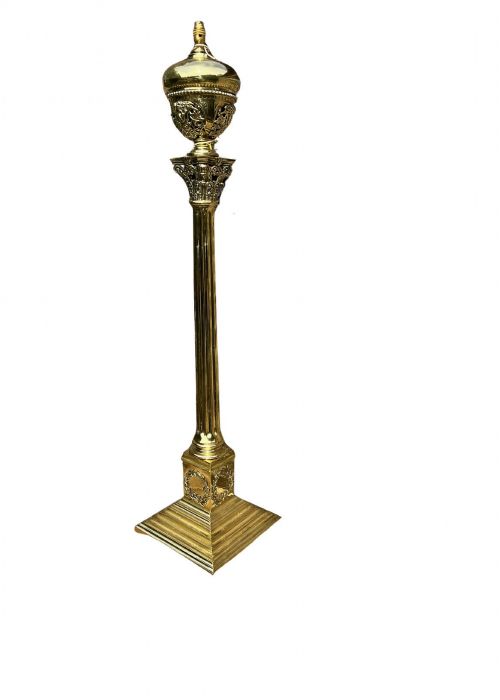
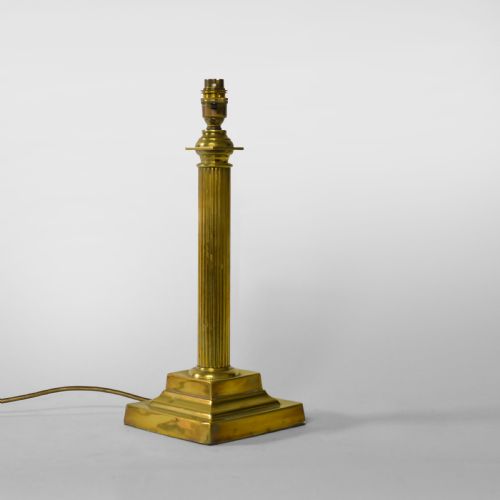
The prevailing format on this page is the Corinthian column, often rendered in silver plate or brass with characteristic acanthus leaf capitals. Alongside these table models, taller standard and floor lamps appear, bringing the same architectural order to a larger scale.
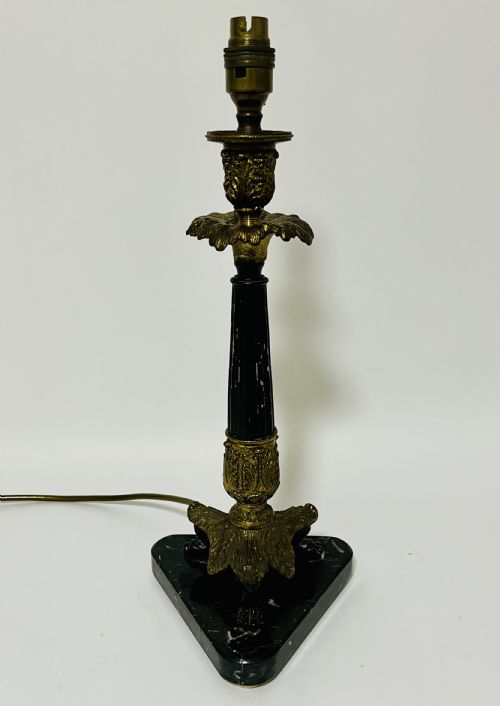
Origins span English workshops and French ateliers, embracing styles from Victorian revivalism to French Empire. These pieces frequently begin life as candlesticks or oil lamps before conversion to electricity.
Materials and Construction
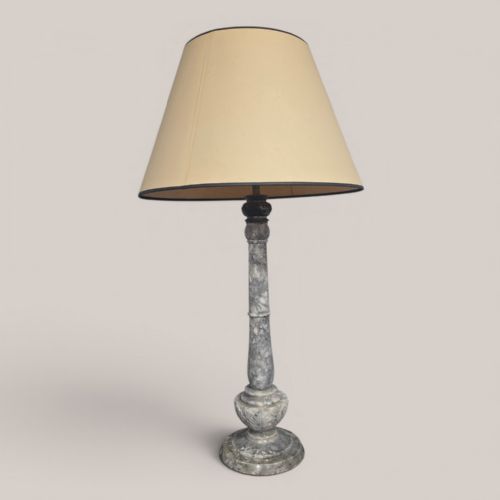
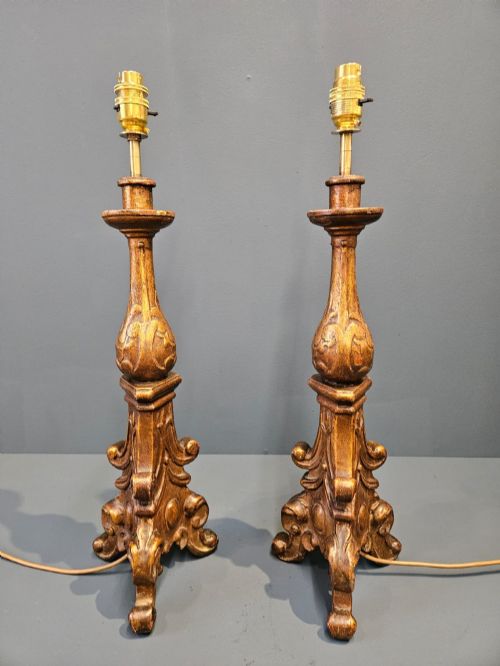
Makers utilised solid brass, heavy silver plate over base metals, and polished marble to give these columns substantial weight. Ormolu, bronze, and giltwood appear in specific French and English iterations, paired occasionally with rock crystal or onyx.
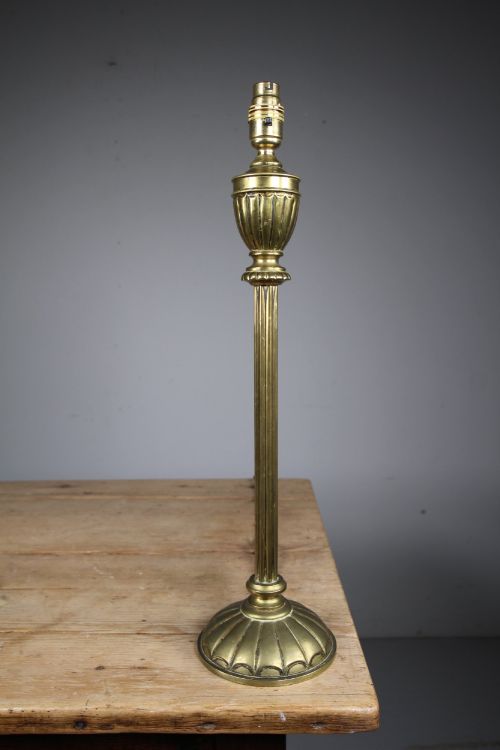
Construction relies on precise casting for capitals and stepped bases, with fluted or reeded columns secured through central threaded rods. Detailing such as lion's paw feet or stamped maker's marks reveals the underlying craftsmanship of the metalworker.
Materials range from silver plate and brass to marble, onyx, and rock crystal, often incorporating stamped maker's marks from major silversmiths.
Judging Quality
Quality rests upon the crispness of the casting in the capital's foliage and the integrity of the metal beneath any plating. A heavier gauge of brass or a thicker deposit of silver plate separates superior examples from lighter commercial production.
Goldsmiths and Silversmiths Company·Harrison Brothers and Howson·Walter Latham and Son
The Classical Column Lamp Base Glossary
- Corinthian
- An architectural order marked by ornate capitals decorated with rows of acanthus leaves. It remains the most common column style found among these lamps.
- Ormolu
- Gilded bronze, often utilised in French pieces to provide metallic lustre and rich surface detail. It creates a warm tone distinct from standard brass.
- Reeded
- A surface decoration consisting of parallel, convex semicircular mouldings running vertically up the column shaft. This technique adds texture and catches the light.
- Ionic
- An order distinguished by scroll-like ornaments known as volutes on the capital. It offers a more restrained classical profile than the Corinthian alternative.
- Standard lamp
- A tall floor-standing lighting fixture utilising the same architectural column format as smaller table versions. These provide significant vertical presence in a room.
Classical Column Lamp Base: Frequently Asked Questions
How do I wire an old lamp base safely?
Conversion typically involves running modern insulated flex up through the central channel of the column. Professional rewiring ensures the internal components meet current electrical standards while preserving the original structure.
Qualified electricians can thread modern lamp holders onto existing brass fittings without altering the exterior appearance of the antique.
Were these originally made as lamps?
Many examples began life as oil lamps or heavy candlesticks before subsequent conversion to electricity. This lineage accounts for the robust weight and structural integrity of the metal bases.
Adaptations were often carried out later in the twentieth century to accommodate standard modern bulbs and shades.
How do I distinguish Victorian from Edwardian pieces?
Victorian examples frequently display heavy silver plating and ornate Corinthian detailing with stepped square plinths. Edwardian pieces often favour cleaner lines in polished brass or lighter silver plate.
Examining any stamped hallmarks or retailer signatures helps anchor the piece to a specific decade within the nineteenth or twentieth century.
What shade suits a column lamp base?
Traditional cylindrical or slightly tapered fabric shades balance the vertical thrust of the architectural column. The proportions of the shade should mirror the width of the base plinth.
Neutral silks or linens allow the metallic or marble column to remain the visual focal point of the fitting.