
Classical Column Desk Light
A classical column desk light brings architectural dignity to a room, offering focused illumination through classical proportions.
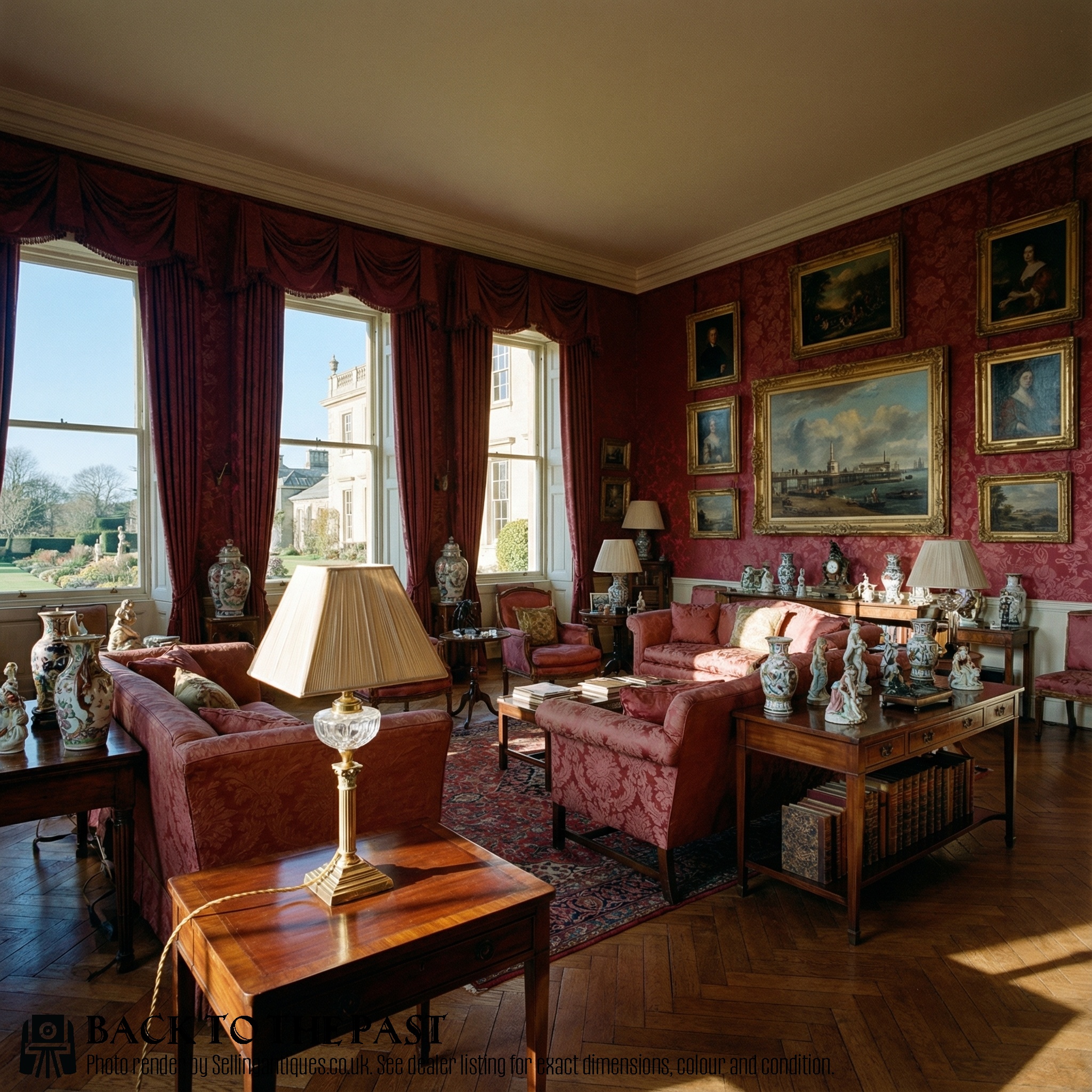
Classical Column Desk Light
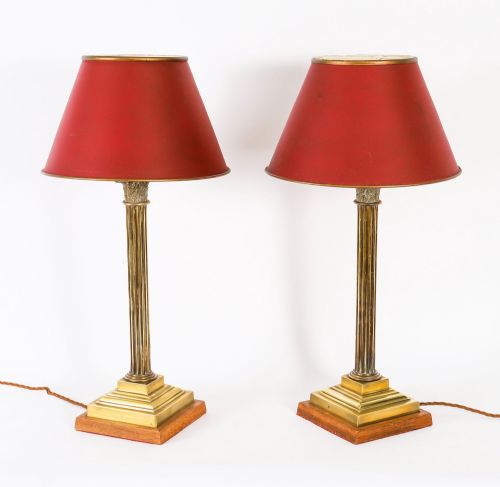
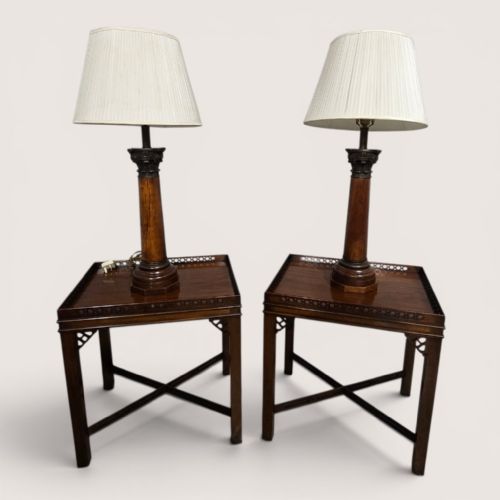
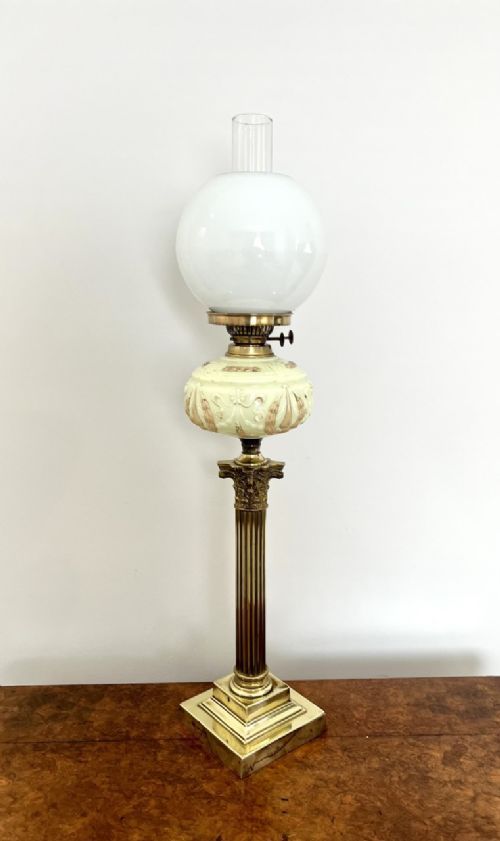
A classical column desk light draws upon architectural orders such as Corinthian, Doric, and Ionic, translating stone building traditions into domestic illumination. These pieces take the form of table lamps, oil lamps, and adapted lamp bases spanning the Victorian, Edwardian, and early twentieth century periods.
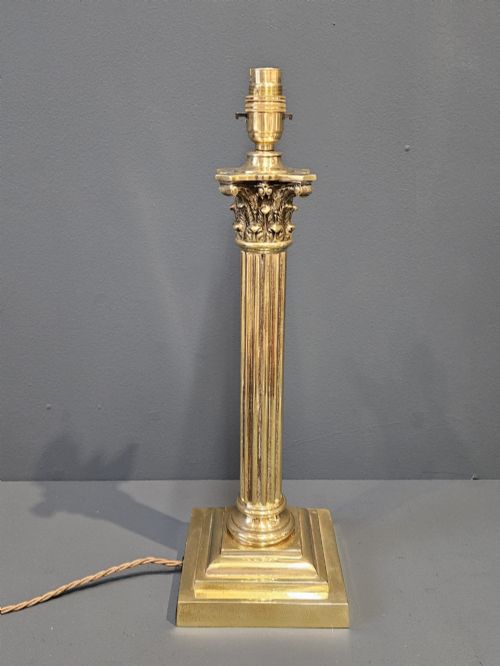
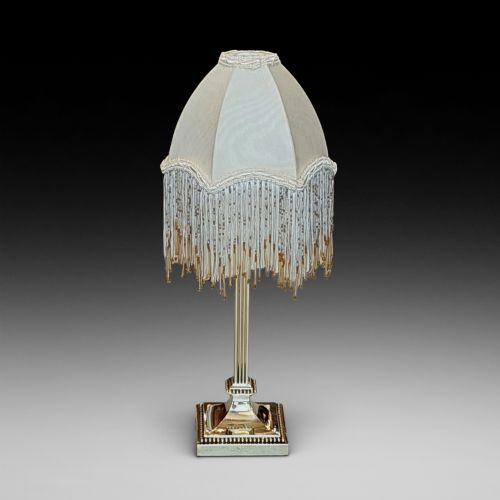
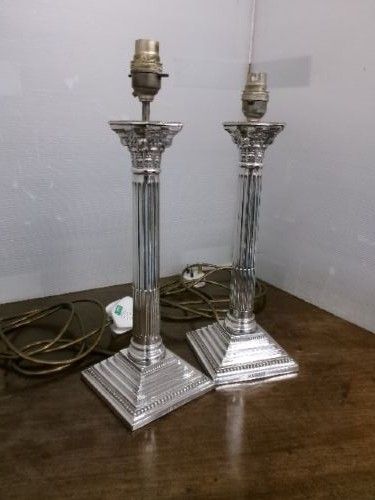
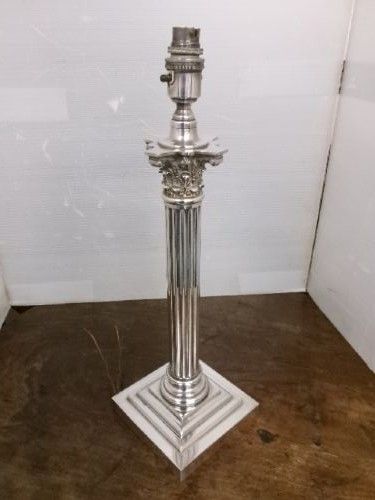
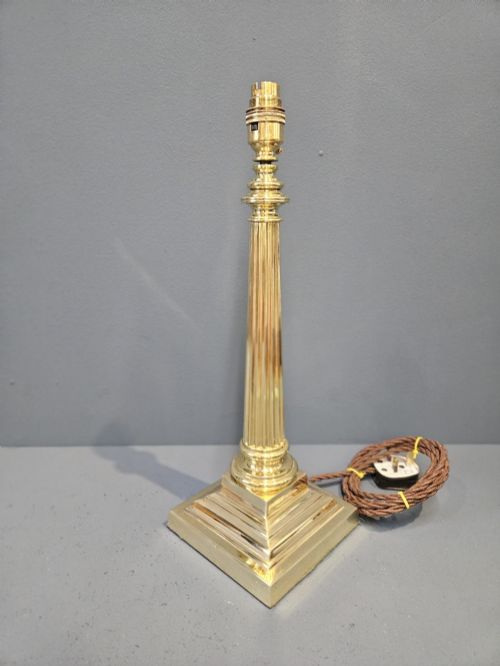
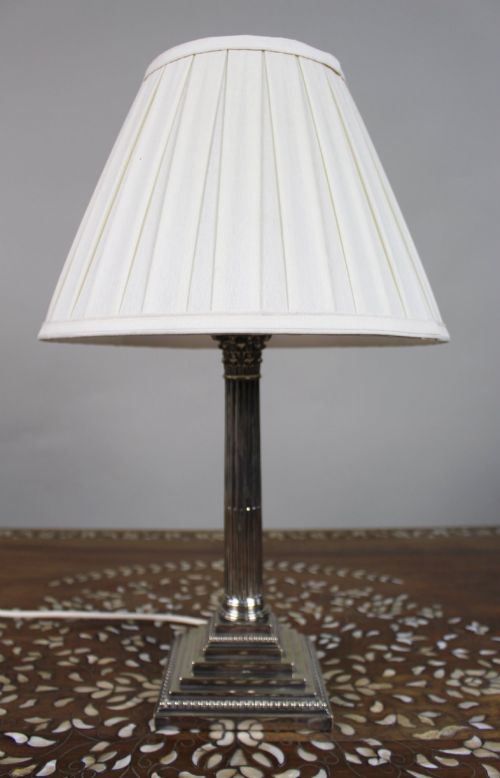
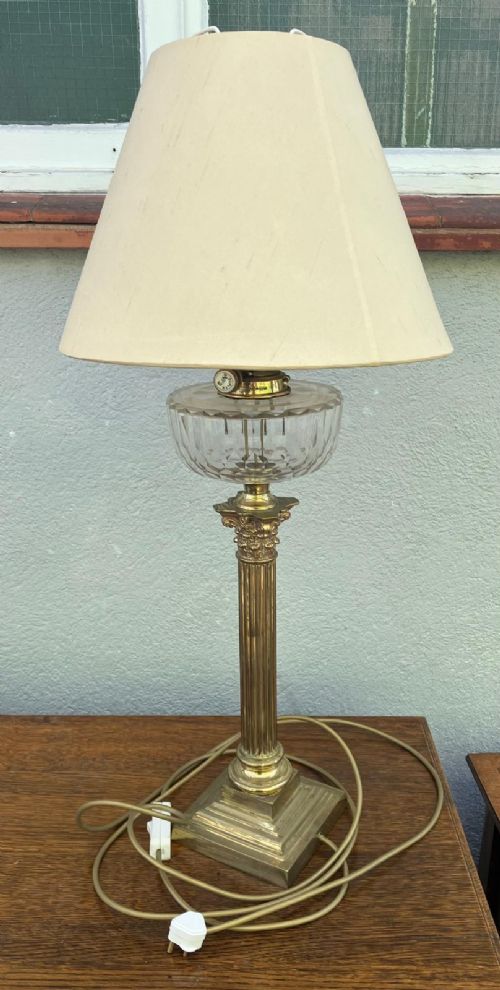
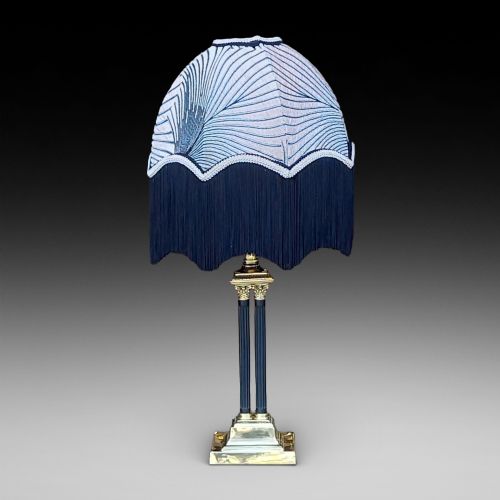
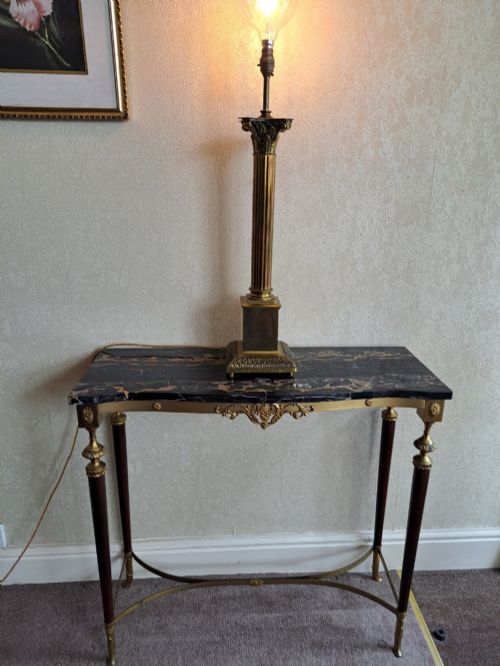
The version most commonly met on this page is the brass or silver-plated Corinthian column table lamp, frequently standing on a stepped square base. Such examples reflect the enduring popularity of neoclassical revival design across nineteenth and early twentieth century interiors.
Distinguishing quality
Quality rests in the crispness of the casting on the capital and the heft of the metalwork used in the column and base. Finer examples display deeply undercut foliage on Corinthian capitals and substantial gauge brass or thick silver plating that resists thinning.
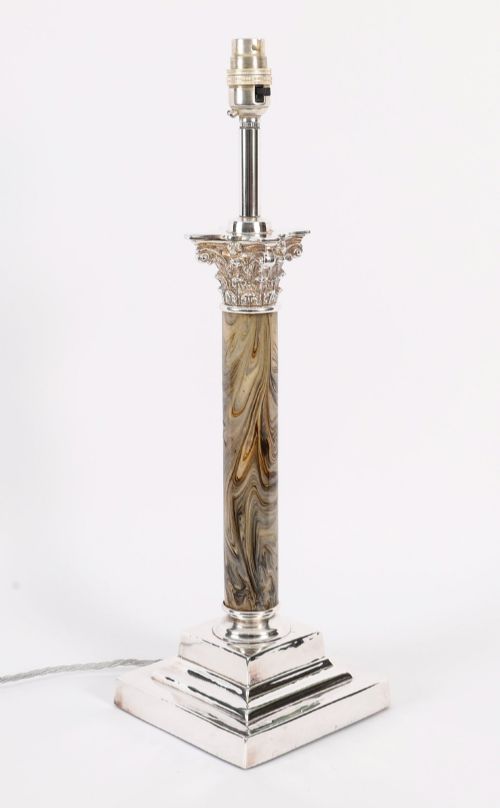
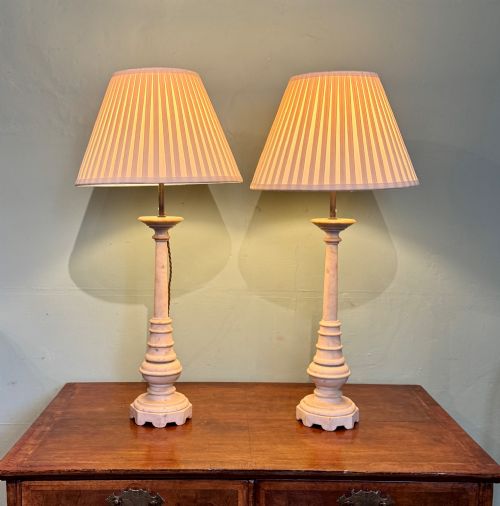
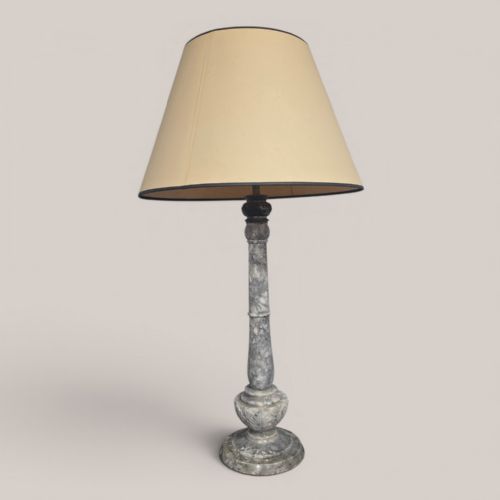
Proportion and material selection also divide standard production from exceptional work, particularly where white or coloured marble integrates cleanly with metal mounts. The stability of the base and the precision of the turning on reeded or fluted shafts further separate high-grade output.
Listings feature brass, marble, bronze, and silver-plated materials across Victorian and Edwardian periods.
The Classical Column Desk Light Glossary
- Corinthian
- An architectural order characterised by ornate capitals decorated with rows of carved acanthus leaves. This style appears frequently on nineteenth-century metal lamp bases.
- Ormolu
- Finely ground high-carat gold applied to a bronze base using a mercury amalgamation process. It yields a rich, warm surface finish seen on French classical lighting.
- Reeded
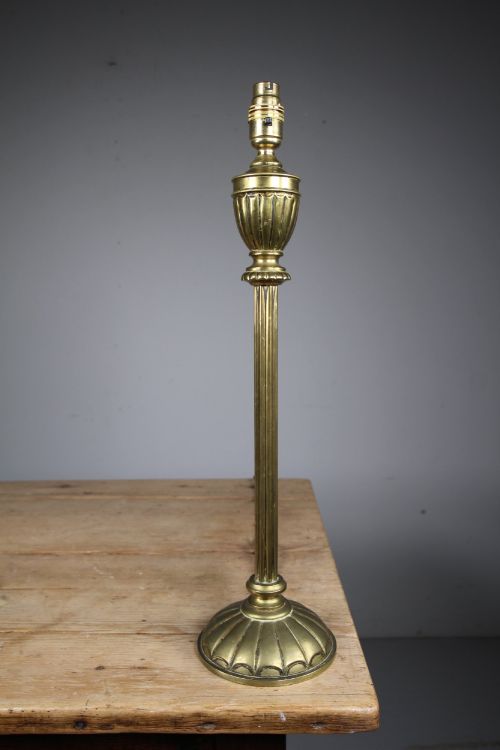
- A decorative moulding consisting of parallel convex strips placed side by side. This technique is often used to texture the central column of a lamp.
- Capital
- The topmost member of a column, mediating between the shaft and the load above. On these lamps, it forms the decorative collar directly beneath the bulb holder.
Classical Column Desk Light: Frequently Asked Questions
What periods do these lamps come from?
The pieces span the Victorian and Edwardian eras, stretching from the nineteenth century into the early twentieth century. Neoclassical revival styles dominate this timeframe.
Design influences draw heavily on French Empire and classical architecture, reinterpreted by makers working in Britain and France.
Were these always electric lamps?
Many examples began as oil lamps or heavy candlesticks before being converted for electrical use in later decades. Rewiring is a common characteristic found across surviving specimens.
Original oil burner mechanisms are occasionally retained, while other pieces were manufactured specifically as electrical fittings during the early twentieth century.
How do I identify a Corinthian capital?
The Corinthian capital is marked by carved or cast representations of acanthus leaves curling outward near the top of the column. It represents the most ornate of the classical orders seen in these listings.
Simpler variants, such as Doric or Ionic capitals, feature plain cushions or paired scrolls instead of leaf foliage.
What metals were used in construction?
Brass forms the foundation for the majority of English pieces, often paired with reeded or smooth columns. Silver plating over a base metal offers a brighter, reflective finish.
Bronze and ormolu appear more frequently on French examples, sometimes combined with white or coloured marble bases for added weight and colour contrast.