





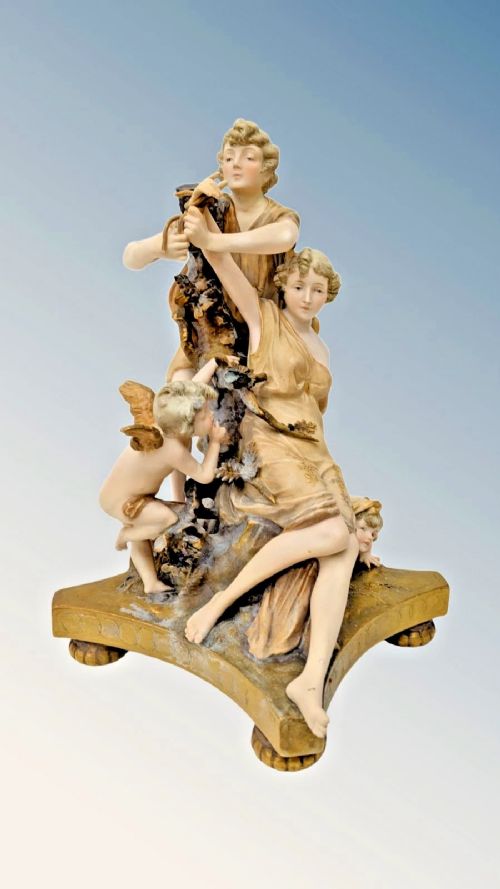

Classical Ceramic Figurines
Classical ceramic figurines capture mythological and historical subjects in porcelain, earthenware, and parian, offering lasting decorative elegance for any interior.
Classical Ceramic Figurines
Classical ceramic figurines encompass sculptural representations of deities, allegorical figures, and mythological scenes rooted in antiquity. When searching for classical ceramic figurines, buyers encounter forms ranging from eighteenth-century soft-paste porcelain groups to Victorian parian ware studies.
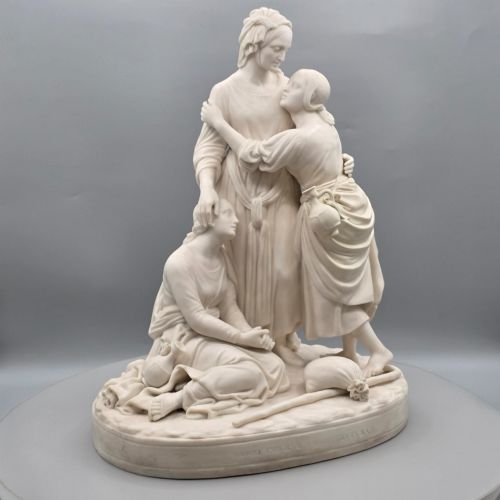
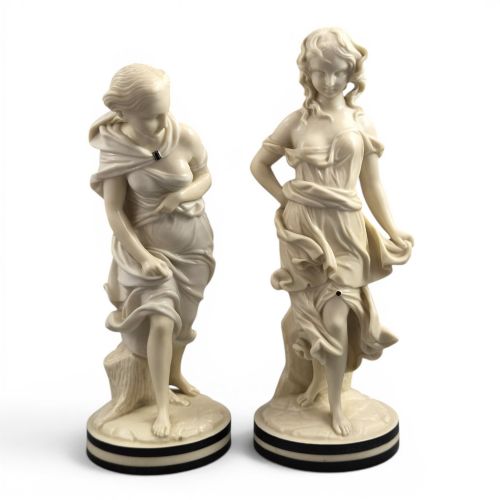
The pieces on this page span several centuries of European ceramic production, with notable contributions from English factories like Derby, Bow, and Royal Worcester, alongside continental makers. Figures depict subjects such as classical maidens, putti, and mythological deities including Minerva, Zeus, and Diana.
Formats vary from cabinet-sized single figures to monumental groups and centrepiece vases. Victorian reinterpretations and twentieth-century models sit alongside eighteenth-century originals, showing the enduring appeal of neoclassical themes across generations.
Materials and Manufacture
Makers utilised various ceramic compositions, most notably hard-paste and soft-paste porcelain, alongside unglazed bisque or biscuit porcelain and parian ware. Parian porcelain, developed in the nineteenth century, allowed manufacturers to replicate the smooth texture of carved marble in sculptural groups.
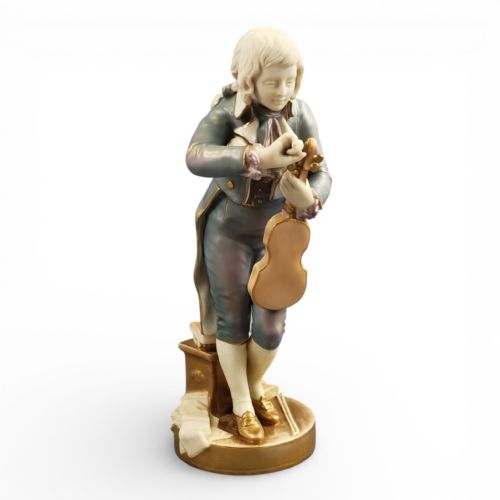
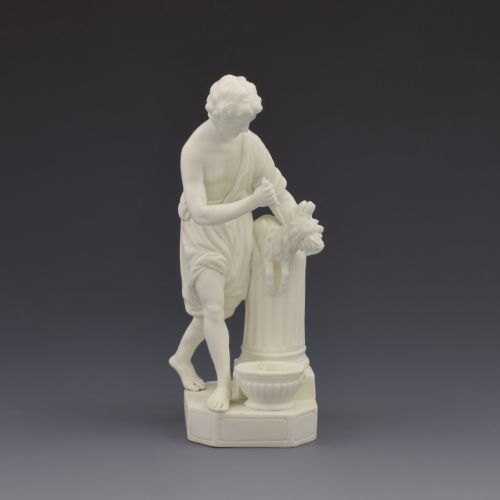
Surface decoration involved hand-painted enamels, gilding with gold leaf, and shot enamel finishes to create iridescent optical effects. Bisque figures relied entirely on the precision of the initial mould and subsequent hand-finishing, leaving the matte ceramic surface unglazed to highlight anatomical detail.
Listings feature works spanning the eighteenth, nineteenth, and early twentieth centuries, executed in parian, bisque, and painted porcelain.
Assessing Quality and Execution
Quality rests in the crispness of the moulding and the sensitivity of the hand-finishing, which distinguishes superior studio output from standard commercial production. Fine modelling preserves subtle facial expressions, drapery folds, and anatomical proportions without the softening of details often seen in secondary casts.
The application of polychrome enamels and gilding dictates visual success, where precise brushwork enhances the sculptural form rather than obscuring it. Furthermore, the presence of factory marks, impressed model numbers, and artist signatures confirms provenance and adds authority to the piece.
Royal Worcester·Derby Porcelain·Samson Paris·Royal Dux·Achille Mollica
The Classical Ceramic Figurines Glossary
- Bisque porcelain
- Unglazed white porcelain fired to a matte finish that resembles marble. This material became popular in the eighteenth and nineteenth centuries for neoclassical sculptural groups and portrait busts.
- Parian ware
- A fine-grained, unglazed porcelain developed in Victorian Britain specifically for statuary and figures. It takes its name from Parian marble found on the Greek island of Paros.
- Neoclassical
- An artistic style drawing inspiration from the art and culture of classical antiquity. It dominated European decorative arts during the eighteenth and nineteenth centuries.
- Soft-paste porcelain
- An artificial ceramic composition fired at lower temperatures than true hard-paste porcelain. Early English factories such as Bow and Derby utilised this body before standardising bone china.
Classical Ceramic Figurines: Frequently Asked Questions
How do I identify parian ware?
Parian ware appears as an unglazed, off-white ceramic with a smooth surface texture that closely mimics carved marble. It lacks the glossy sheen of standard glazed porcelain.
Factories used this heavy material primarily for nineteenth-century classical figures and portrait busts to evoke antique sculpture.
What is biscuit porcelain?
Biscuit porcelain, or bisque, is ceramic ware that has undergone a primary kiln firing but received no glaze application. This leaves the surface matte and porous.
Manufacturers favoured this finish for detailed sculptural pieces because unglazed surfaces obscure none of the delicate modelling.
Are these figures solid or hollow?
Most ceramic figures are cast as hollow forms using slip-casting or press-moulding techniques. This prevents the thick ceramic body from cracking during the high-temperature firing process.
Larger monumental sculptures often feature internal supports or drainage holes concealed within the base.
How should I display them?
Place figures away from direct sunlight and high-traffic areas where accidental knocks might occur. Stable flat surfaces on mantelpieces or inside glass cabinets protect the delicate extremities and painted surfaces.
Dust them gently with a soft, dry brush rather than using liquid cleaners, especially on unglazed bisque or parian bodies.