


Polychrome Earthenware Figures
Polychrome earthenware figures bring hand-painted colour and sculptural character from centuries past into modern rooms.
Polychrome Earthenware Figures
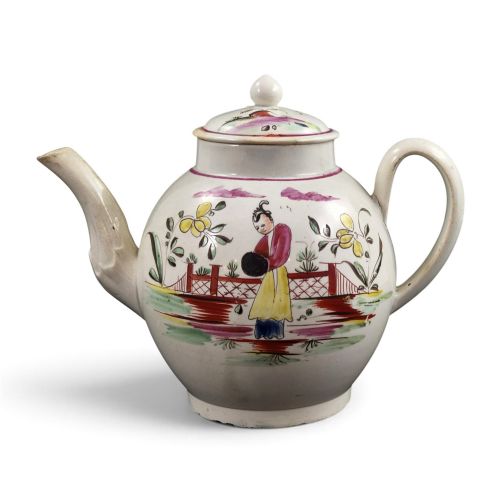
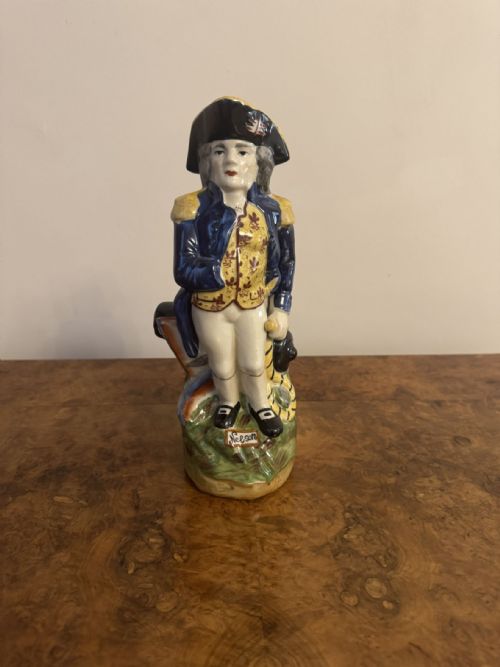
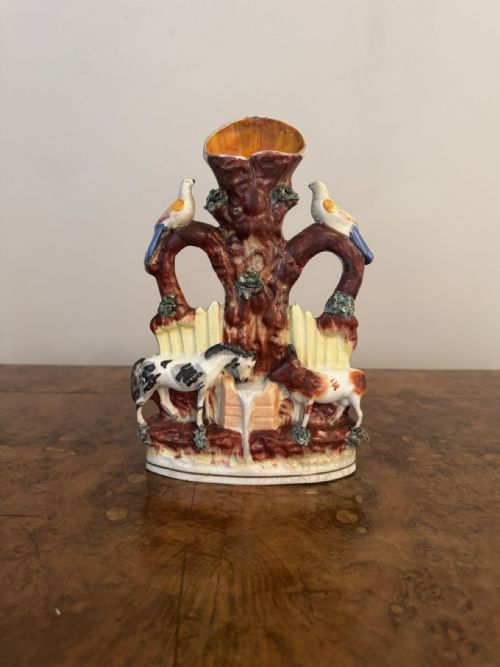
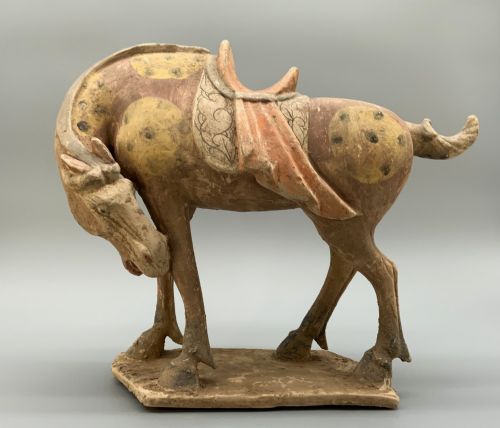
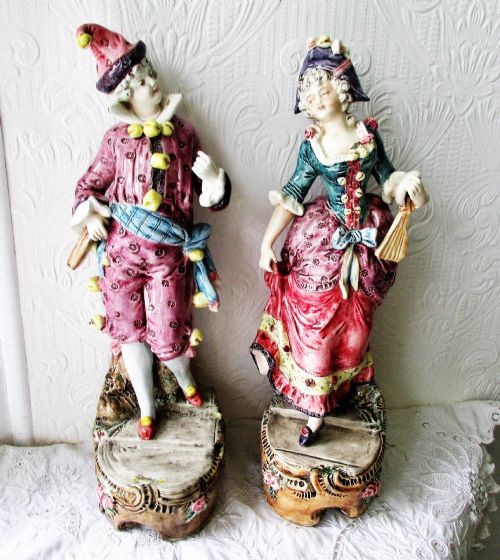
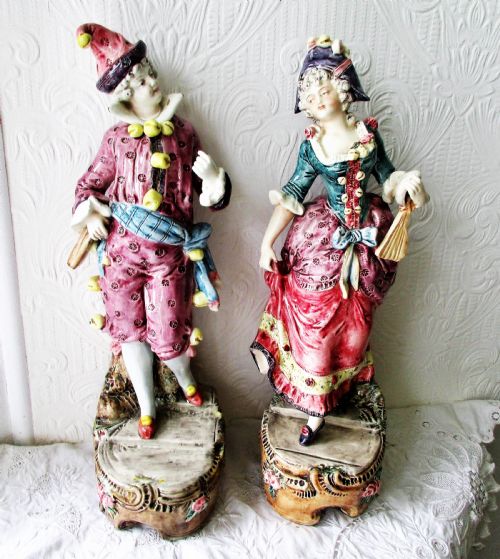
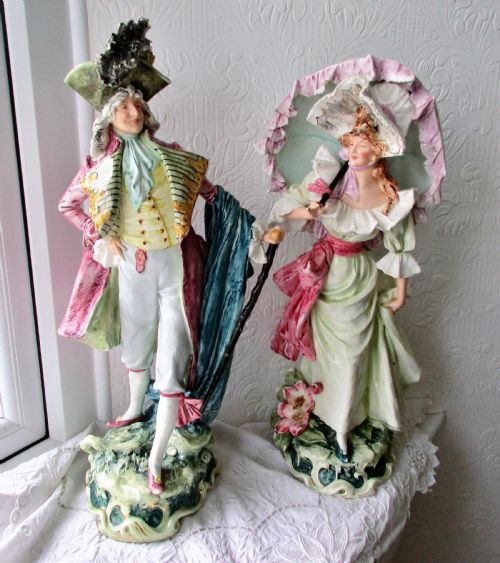
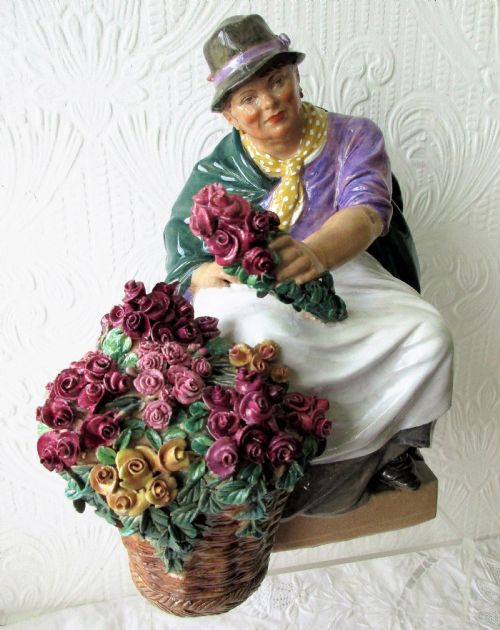
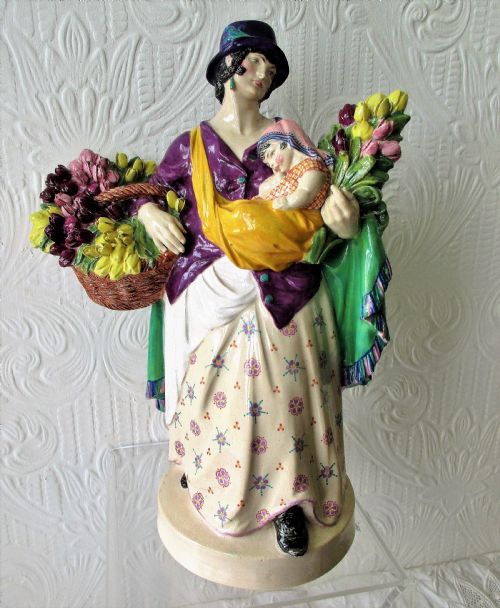
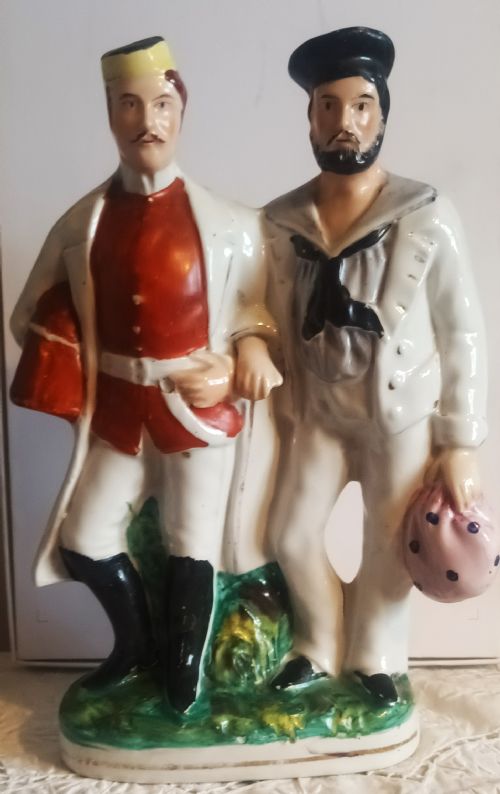
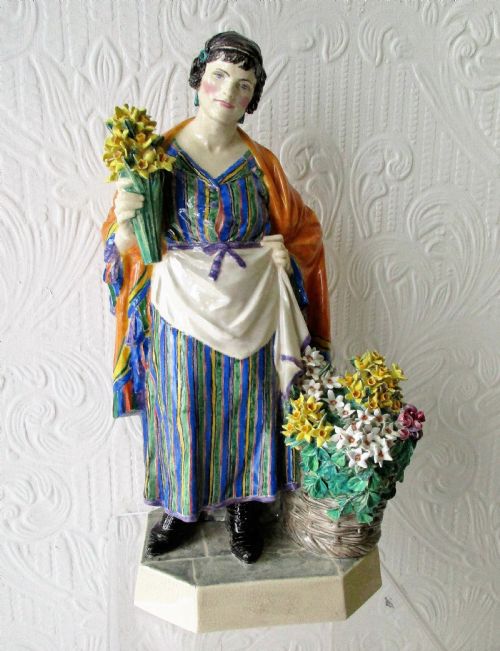
Polychrome earthenware figures encompass ceramic sculptures shaped in clay and decorated with colourful enamels and glazes. These pieces range from Staffordshire flatbacks and toby jugs to French faience pairs and studio pottery figurines.
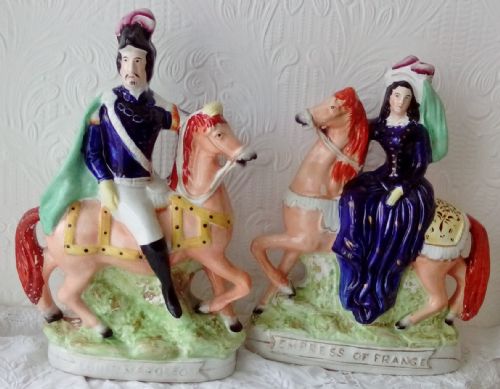
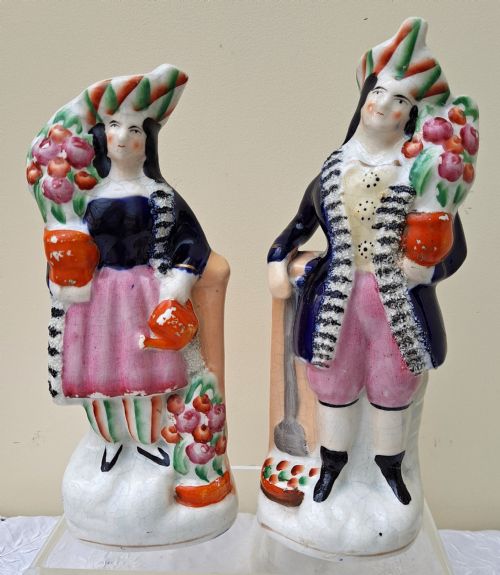
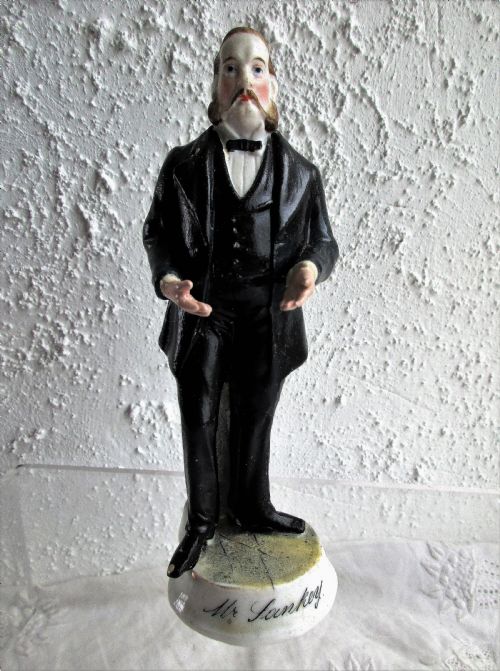
Collectors frequently encounter Victorian Staffordshire pottery on this page, alongside earlier pearlware groups and twentieth-century French earthenware. The forms span individual historical subjects, literary characters, and decorative couples designed for display on mantelpieces.
How they were made
Potters shaped the clay using press-moulds or slip-casting before applying lead glazes and vibrant enamel colours to the surface. Many pieces underwent multiple firings in kilns to fix the intricate painting and metallic or gold leaf highlights.
The choice of earthenware and pearlware provided a porous, absorbent body that took bright pigments readily. Artisans combined hand-modelling with moulded bases to create robust figures suitable for domestic display.
Listings feature periods from the eighteenth century through to the 1930s, utilising earthenware, pearlware, and enamel.
What varies in quality
Depth of glaze and the retention of original enamel colours determine visual impact. Finer examples display careful detailing in the costumes and attributes rather than hurried brushwork.
Charles Vyse·Bernard Bloch·George Kemper·Ralph Wood
The Polychrome Earthenware Figures Glossary
- Earthenware
- A porous ceramic body fired at lower temperatures than stoneware or porcelain. It requires glazing to become watertight and serves as the primary base for these colourful figures.
- Pearlware
- A refined type of earthenware developed in the eighteenth century featuring a subtle bluish glaze that pooled in recesses. It provided a paler background for underglaze and overglaze painting.
- Staffordshire pottery
- Ceramics produced in the industrial region of England famous for mantelpiece figures and flatbacks. These works captured popular public figures and topical events of the nineteenth century.
- Glaze
- A glassy coating fused to the ceramic body by heat to seal the porous clay. It adds gloss and protects the painted decoration beneath or above it.
- Flatback
- A style of figure moulded with a finished front and a plain, unglazed or minimally decorated flat reverse intended to stand against a wall.
Polychrome Earthenware Figures: Frequently Asked Questions
How do I clean polychrome earthenware figures?
Dust the surface gently with a soft, dry brush to remove particles without disturbing the enamel paints. Avoid submerging older ceramics in water, as moisture can penetrate hairline fractures in the glaze.
Keep pieces away from direct sunlight and damp environments to preserve the integrity of the earthenware body and surface pigments.
How were these figures displayed originally?
Homeowners placed these colourful ceramics on mantelpieces, sideboards, and brackets in nineteenth-century parlours. They served as decorative conversation pieces that reflected current events, literature, and popular taste.
Pairs of figures often flanked clock sets or ornaments to create symmetrical arrangements on household surfaces.
What is a Staffordshire flatback?
Staffordshire flatbacks are earthenware figures designed with a detailed front and a flat, unpainted back. This construction method saved time and materials while allowing the pieces to sit flush against walls on narrow shelves.
Potters frequently depicted military heroes, royalty, and pastoral scenes in this format during the Victorian era.
How can I tell the period of a figure?
Examine the clay body, glaze characteristics, and painting style to find clues about manufacturing eras. Pearlware bodies and specific enamel palettes point towards the late eighteenth century, while rich Victorian glazes suggest the mid-nineteenth century.
Subject matter also provides context, as figures commemorating specific historical events or conflicts align with documented production dates.