

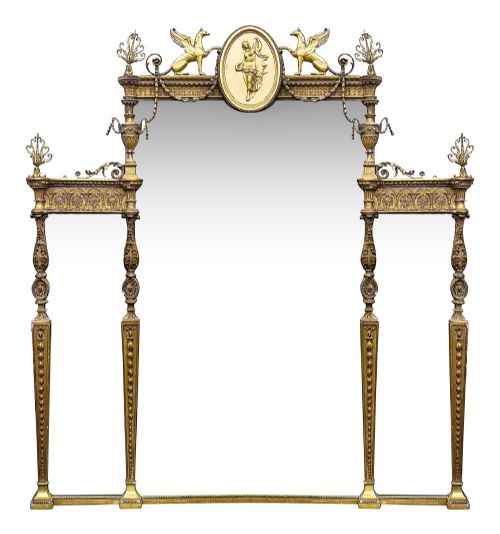
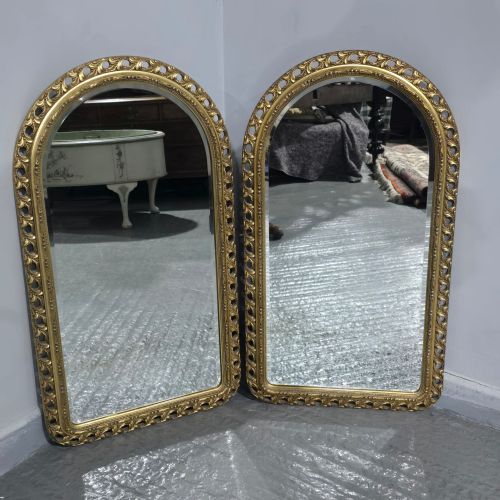
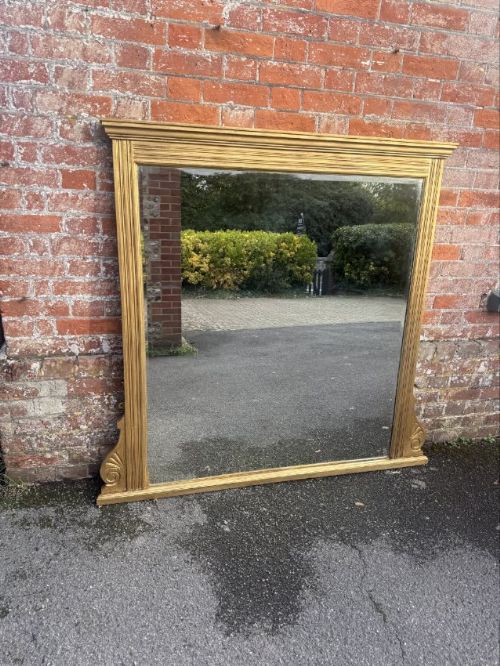
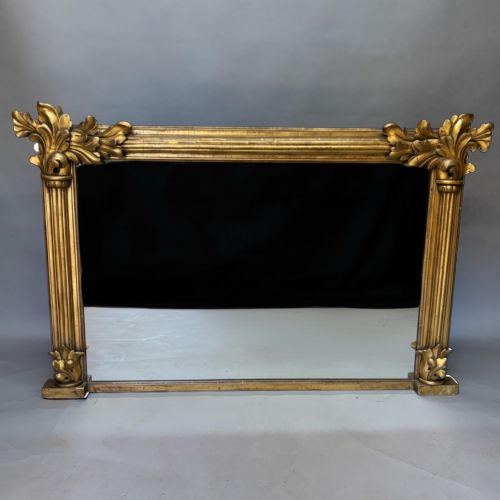

Classical Carved Wood Mirror
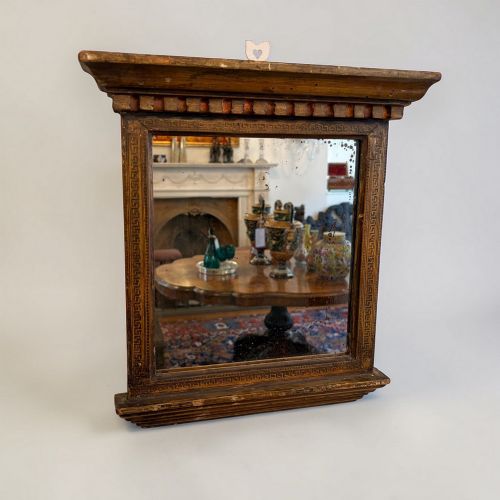
These pieces of classical carved wood mirror bring architectural presence and brilliant light into a room, shaped by hands from the eighteenth century onward.
Classical Carved Wood Mirror
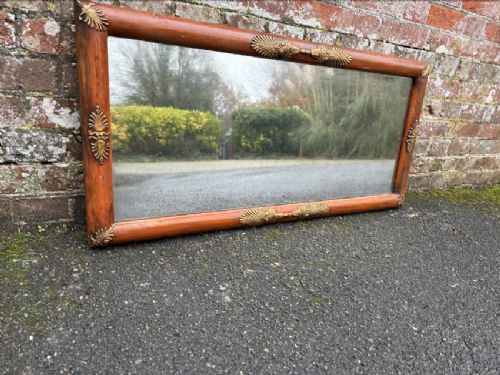
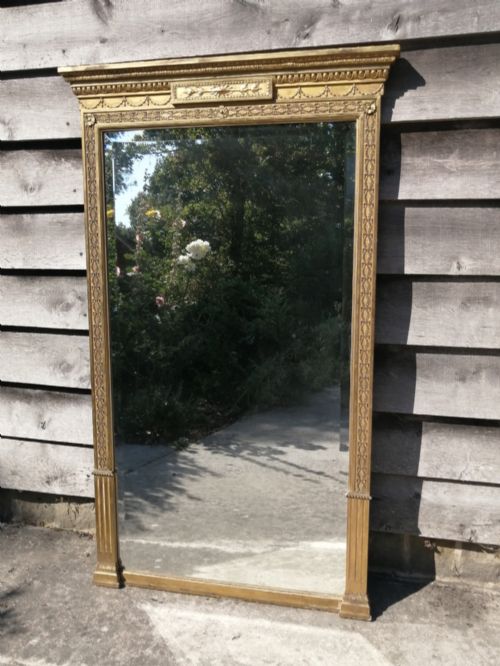
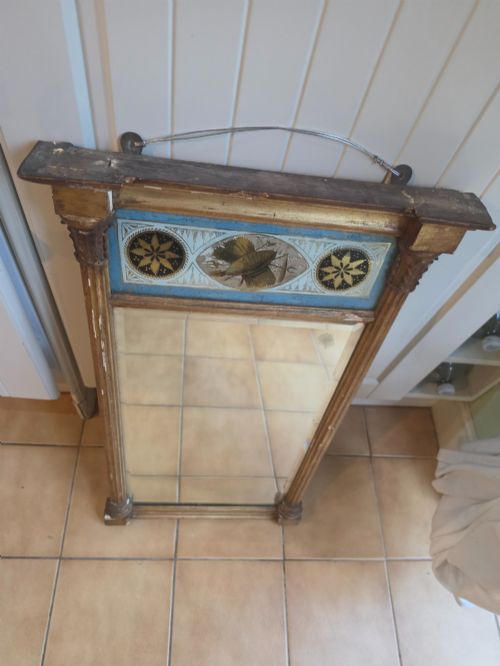
A classical carved wood mirror serves as a grand focal point in a reception room or above a fireplace. These reflective pieces arrive from various periods, including the Georgian, Regency, and Victorian eras, carrying the aesthetic weight of centuries past.
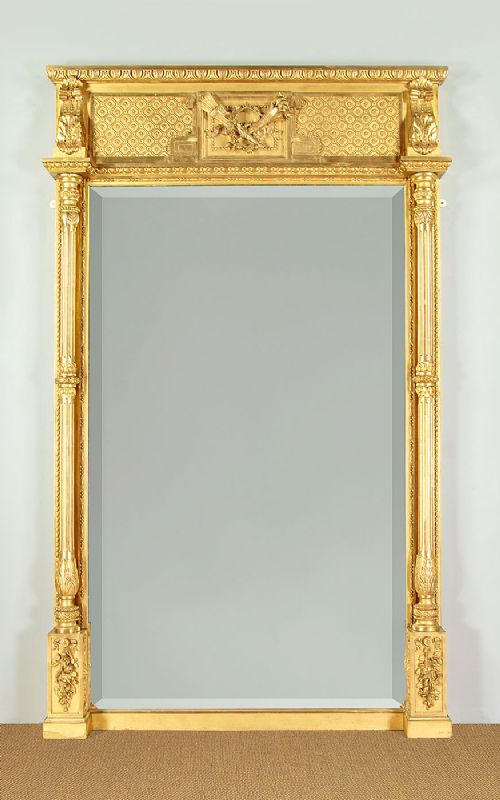
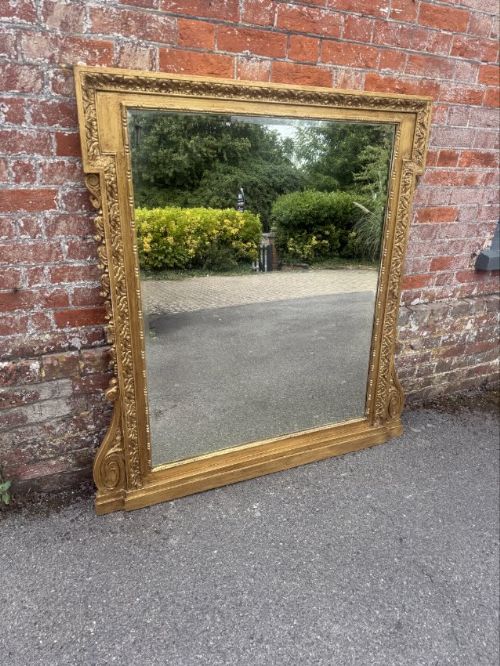
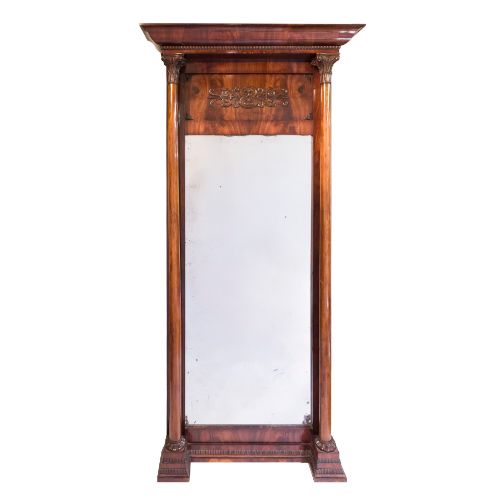
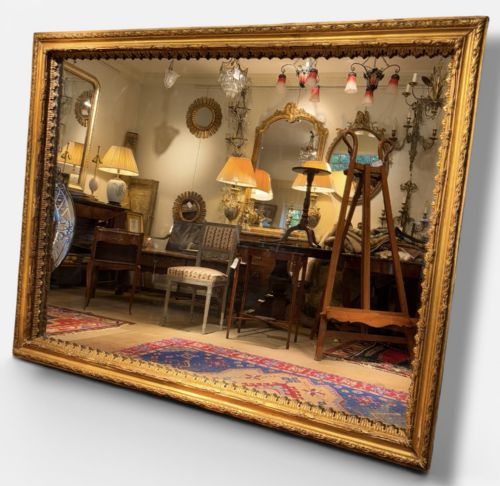
The most common form on this page is the large overmantle mirror, designed to sit commandingly above a hearth. Alongside these, buyers encounter pier mirrors meant for the wall space between windows, as well as dressing table mirrors and tall leaner mirrors.
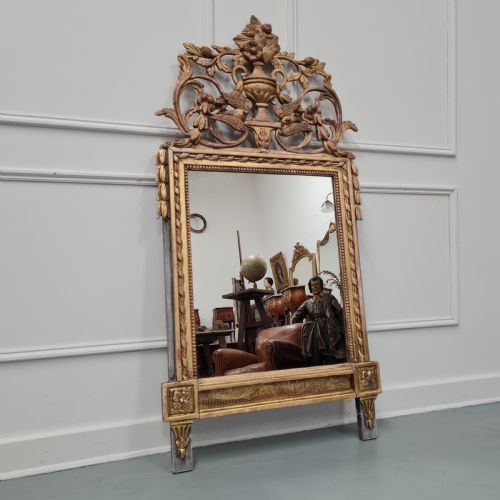
Origins span English, French, and Italian workshops, reflecting distinct regional tastes in carving and decoration. French trumeau and château examples sit alongside substantial English giltwood and mahogany pieces from the nineteenth century.
How They Were Made
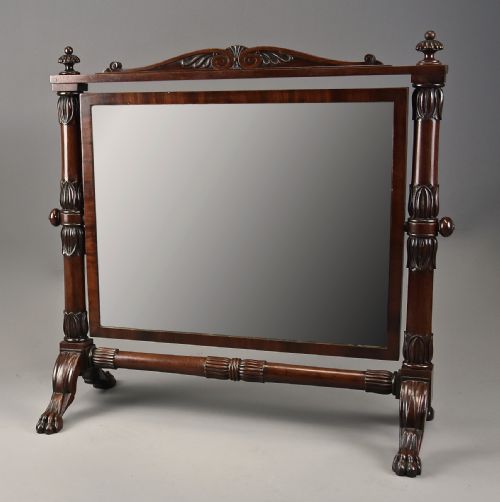
Carved wood provides the primary structural foundation, utilising timbers such as mahogany and pine beneath the decorative surface. Skilled artisans shaped these woods using hand chisels to create classical motifs, rope twists, and architectural columns.
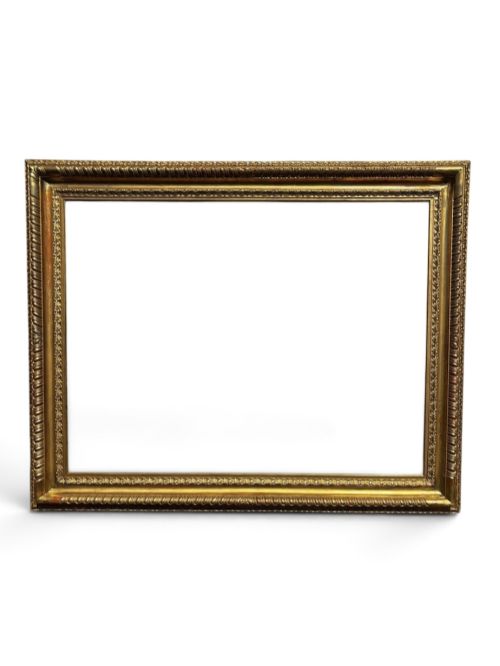
Giltwood and gesso techniques defined the finish of many pieces, involving layers of plaster applied over wood and meticulously carved before receiving gold leaf. Paint and parcel-gilt finishes also appear, adding contrast and depth to the frames.
Classical Carved Wood Mirror Retail Price Guide 2026
Typical asking prices for classical carved wood mirror among the pieces listed under this phrase on Sellingantiques today, from the lower quarter to the upper quarter. They describe what is for sale here now, not the wider market.
One extraordinary nineteenth-century cheval mirror carries the notable history of once belonging to a military general.
What Varies in Quality
The depth and crispness of the hand carving separate standard frames from superior examples. Master carvers achieved sharp undercut details and balanced proportions that hold the eye from across a room.
The integrity of the original gilding and the preservation of the early glass plate heavily influence the character of the piece. Retaining original surfaces and untouched mirror plates demonstrates careful stewardship through the decades.
The Classical Carved Wood Mirror Glossary
- Giltwood
- Wood covered with gold leaf or gold powder applied over a prepared bole and size ground. This technique creates a luminous metallic sheen that catches domestic candle and daylight.
- Gesso
- A plaster mixture applied to wood frames as a smooth base for gilding or painting. Artisans carved intricate decorative motifs directly into this dried composition.
- Pier Mirror
- A tall glass designed specifically to hang on the narrow wall space between two windows. They often paired with console tables to reflect natural light deeper into the room.
- Trumeau Mirror
- A decorative wall mirror incorporating a painted panel or oil painting above the glass plate. Originating in France, these pieces functioned as architectural wall panelling.
- Overmantle Mirror
- A wide landscape-oriented mirror built to sit directly on the mantelpiece above a fireplace. Nineteenth-century examples frequently feature triple plates and ornate arched or rope-twist frames.
Classical Carved Wood Mirror: Frequently Asked Questions
How do I hang a heavy overmantle mirror?
Due to the substantial weight of carved wood and gesso frames, secure wall fixings directly into masonry or substantial timber studs. Professional installation is strongly advised for large wall-hanging pieces.
Ensure the mirror sits evenly on weight-bearing brackets rather than relying solely on the hanging wire attached to the back of the frame.
Are the mirror plates original?
Many nineteenth-century and Georgian pieces retain their original glass plates, which often show charming signs of age such as light foxing and minor speckling. These subtle imperfections confirm the age and authenticity of the object.
Replacement plates occasionally appear in pieces that experienced heavy use or damage during earlier relocations over the centuries.
How do I clean a giltwood frame?
Dust giltwood surfaces gently with a very soft, dry brush to remove settled particles without disturbing the delicate gold leaf. Avoid liquid cleaners, polishes, or damp cloths, which can strip the thin metallic layers.
Professional conservators should handle any repairs to chipped gesso or worn gilding to prevent further loss to the decorative surface.