

19th Century Gilt Glass
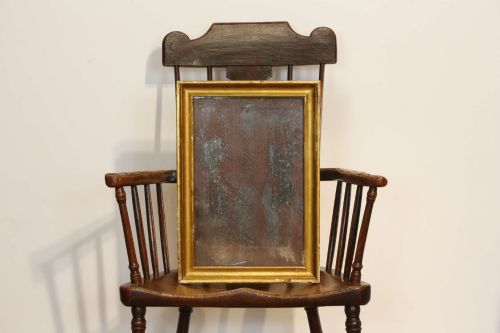
These pieces of 19th century gilt glass combine reflective surfaces with metallic gilding to catch and refract light across grand interiors.
19th Century Gilt Glass
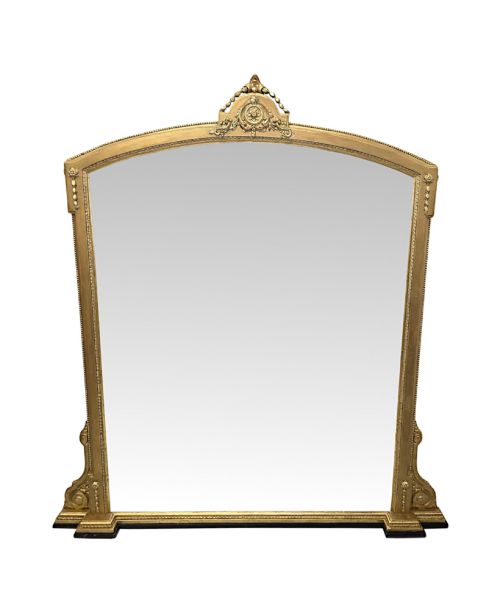
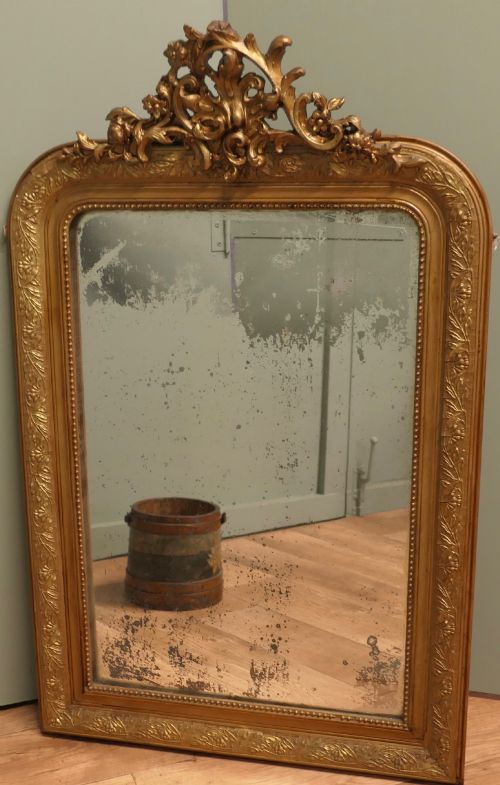
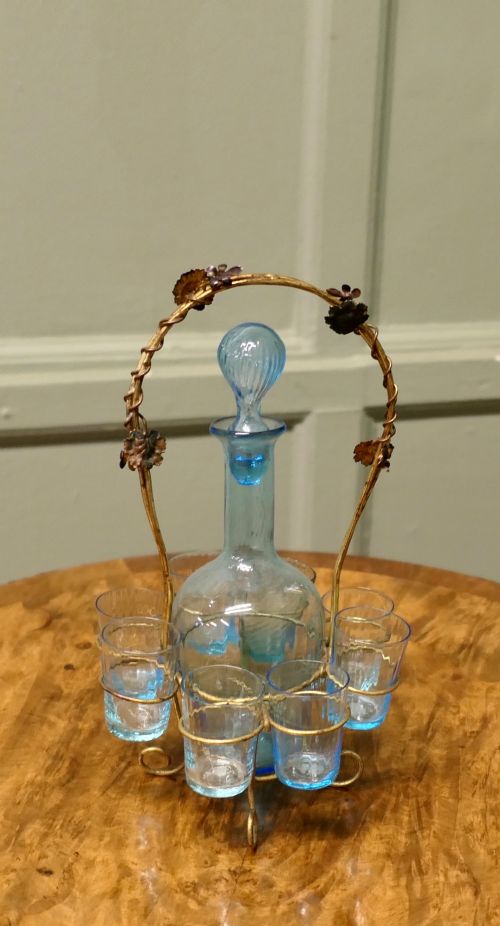
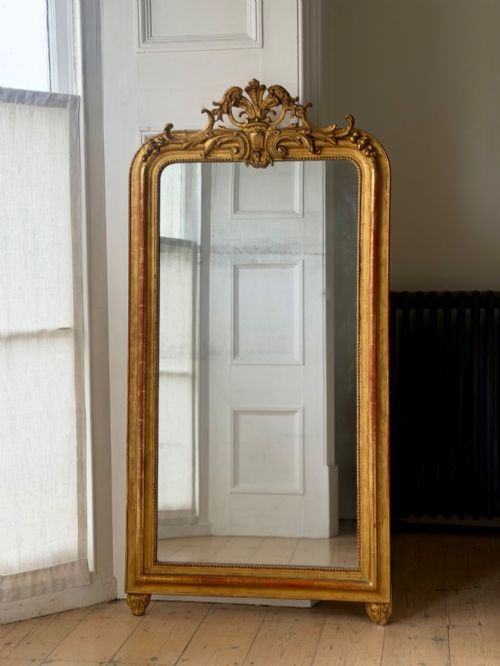
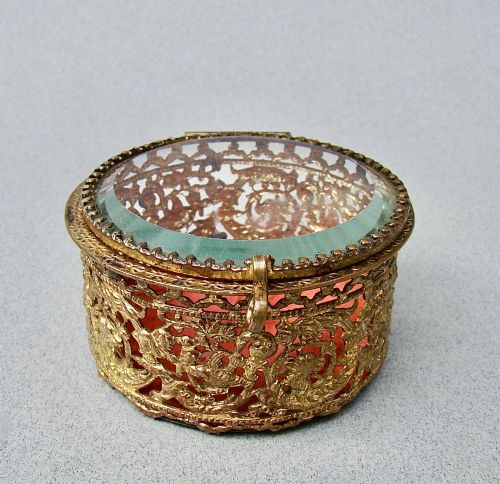
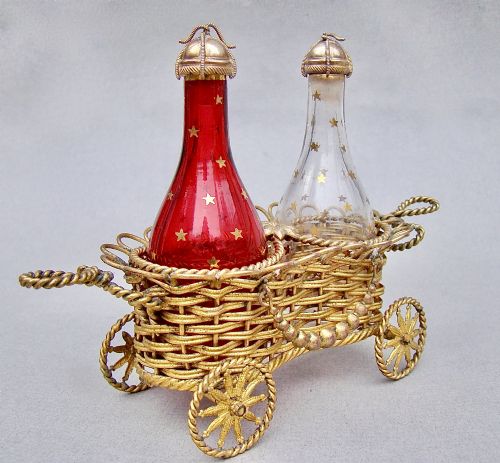
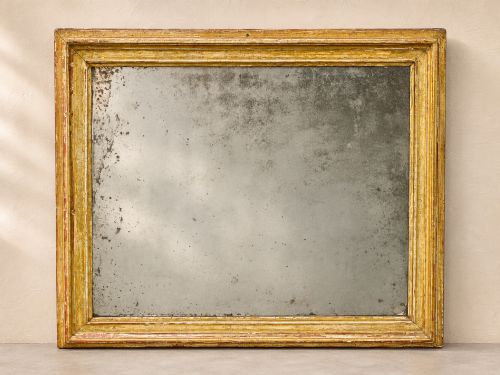
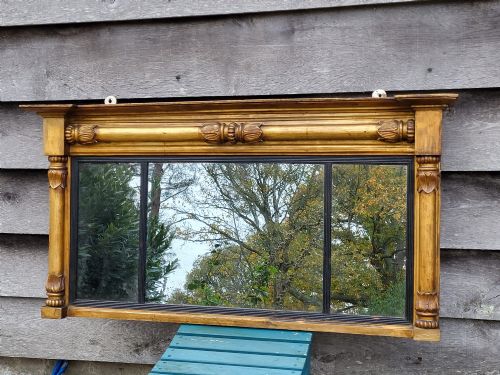
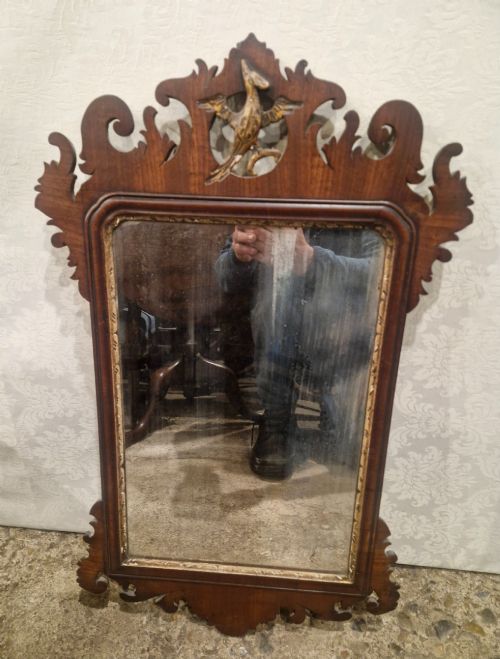
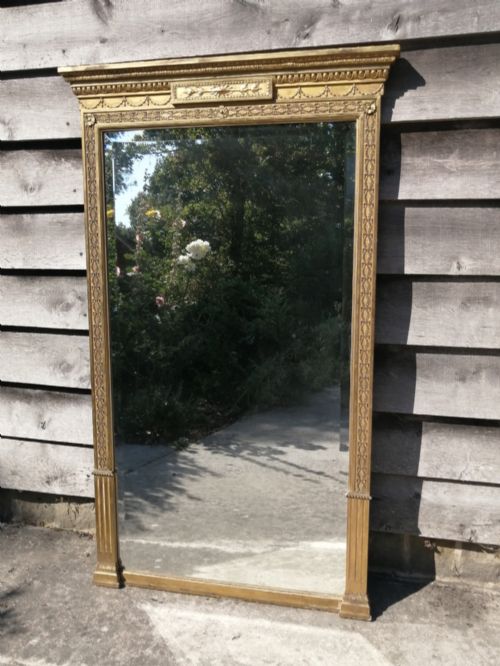
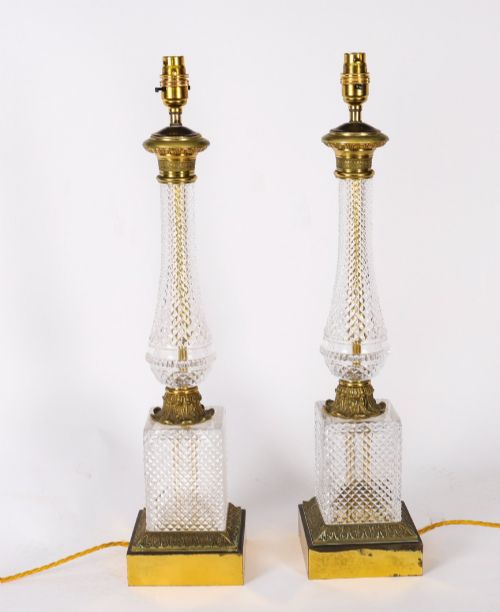
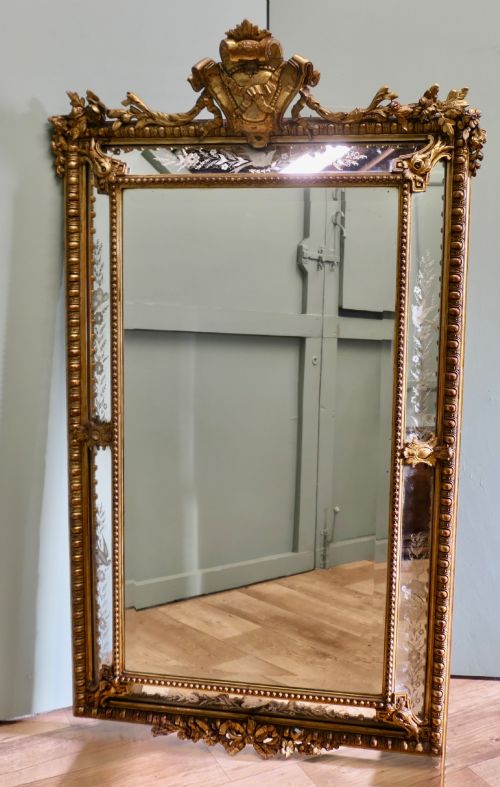
When searching for 19th century gilt glass, buyers encounter a diverse selection of objects spanning mirrors, lighting fixtures, and decorative vessels. The phrase encompasses everything from ornate wall and overmantel mirrors framed in gilded wood and gesso to delicate scent bottles and table lamps.
The objects originate from various European centres, with French, English, and Venetian pieces appearing frequently alongside Bohemian glassware and Italian decorative items. Mirrors dominate the selection, often featuring mercury glass plates and intricate cushion frames typical of the period.
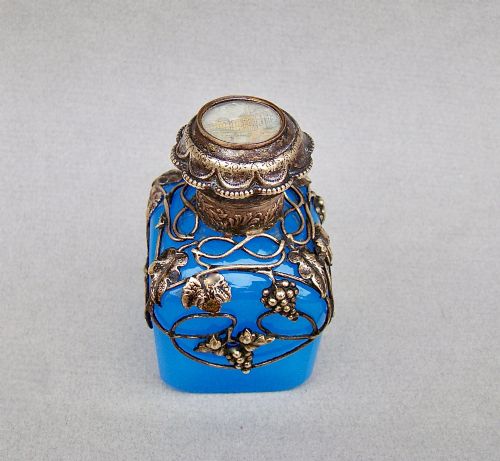
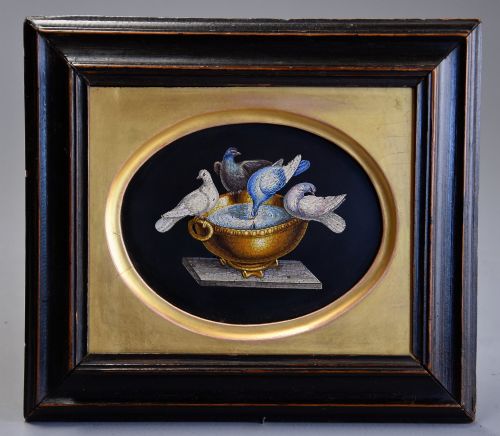
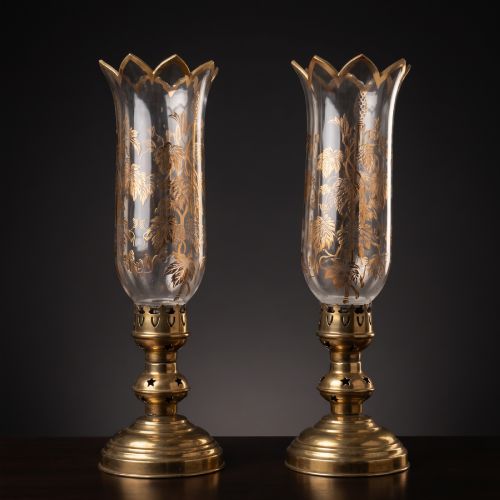
Beyond mirrors, the category extends to functional and decorative items such as chandeliers, storm candlesticks, and chatelaine scent bottles incorporating murrine glass. Each piece reflects the nineteenth-century taste for ornamental decoration and metallic embellishment.
Materials and manufacturing techniques
Makers utilised glass as the primary substrate, combining it with wooden frames constructed from carved wood, ebonised wood, and gesso before applying gold leaf or silver gilt. Artisans also incorporated brass, ormolu, and cut glass to produce structural mounts and hanging fixtures for lamps and chandeliers.
Techniques relied on hand-carving wooden mouldings and applying thin layers of gold leaf over gesso grounds to achieve a brilliant metallic sheen. Glass production involved blowing and etching techniques, alongside mercury silvering for mirror plates and intricate murrine work for small scent bottles.
19th Century Gilt Glass Retail Price Guide 2026
Typical asking prices for 19th century gilt glass among the pieces listed under this phrase on Sellingantiques today, from the lower quarter to the upper quarter. They describe what is for sale here now, not the wider market.
Materials span plain glass, ebonised wood, gesso, gold leaf, and brass across various decorative objects.
Determinants of quality
The quality of these objects depends heavily upon the crispness of the carved wood and gesso ornamentation beneath the gilding, where hand-tooled details outshine pressed or moulded substitutes. The integrity of the original mercury glass plate or crystal components also dictates the piece's standing, as intact, untouched reflective surfaces preserve the historical character.
Proportion and scale distinguish finer examples, particularly in large overmantel and pier mirrors where balanced architectural framing matters. The skill involved in delicate glass etching, fire gilding on bronze mounts, or precise mosaic work separates standard production pieces from exceptional works.
Baccarat·Jean Baptiste Robie·James William Glass
The 19th Century Gilt Glass Glossary
- Giltwood
- Wood that has been coated with gold leaf or powder. This finish gives frames and furniture a bright, metallic appearance.
- Gesso
- A plaster mix applied to wooden frames as a base before gilding. It allows artisans to carve intricate relief patterns.
- Mercury glass
- A double-walled glass blown with a silvering liquid inside and sealed. It creates a reflective, slightly mottled mirror effect.
- Trumeau
- A decorative wall mirror combined with a painted panel or oil painting above. These were often built into period boiserie panelling.
- Murrine
- Coloured patterns made in glass by stretching glass canes into threads. Slices reveal complex geometric or floral designs.
19th Century Gilt Glass: Frequently Asked Questions
Are mercury glass mirrors safe?
Historic mercury glass actually utilises a silver and mercury amalgam sealed between glass layers.
Unless the glass breaks and exposes the inner layer, the material remains stable and safe for domestic display.
Where should I hang an overmantel mirror?
These large mirrors traditionally sit directly above a fireplace mantelpiece to reflect light around the room.
Ensure wall fixings are secured firmly into studs or masonry to support the heavy carved wooden frames.
How can I date a 19th-century mirror?
Examine the backing boards, screw types, and construction methods used in the wooden frame.
Original mercury glass plates and hand-carved gesso details also help confirm a nineteenth-century origin.