
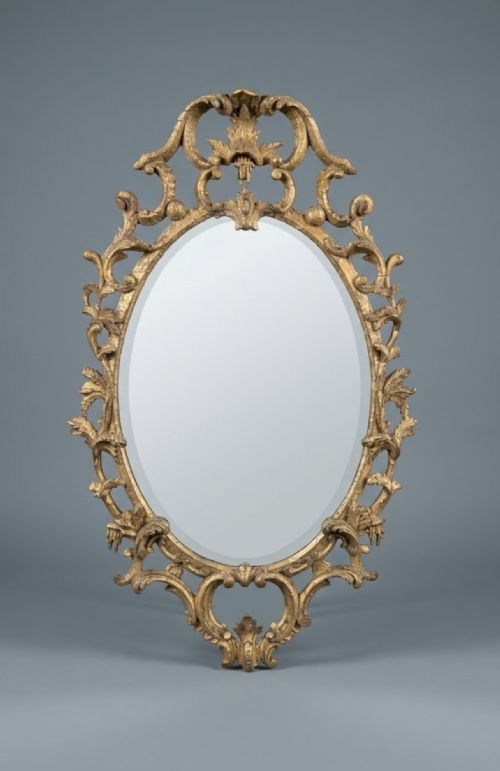
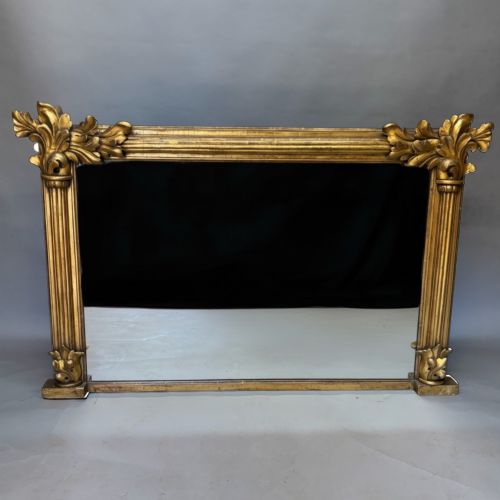
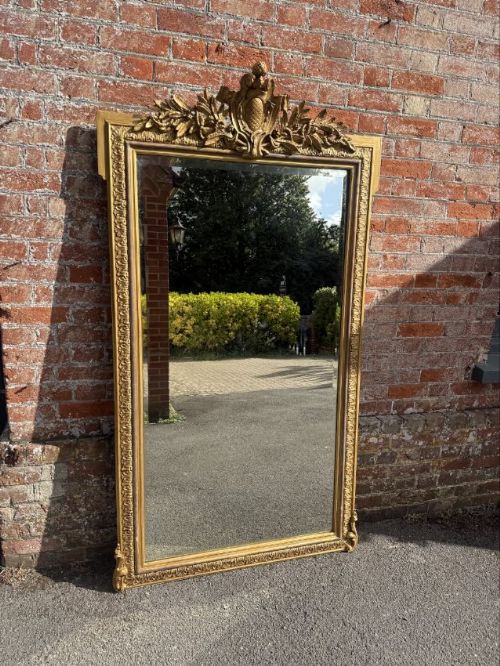
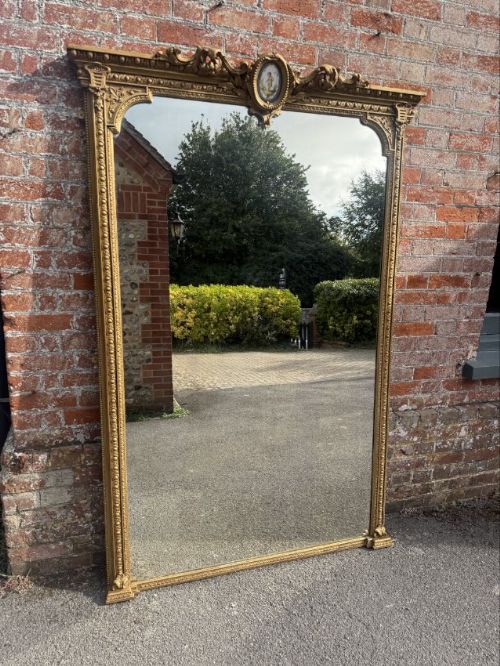
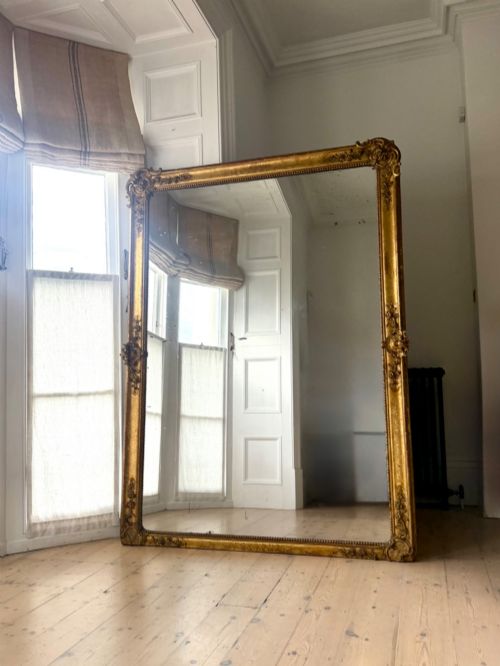
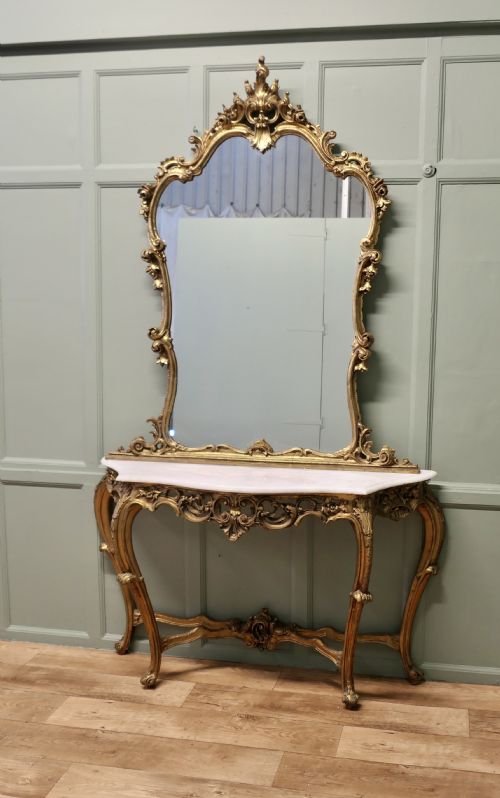
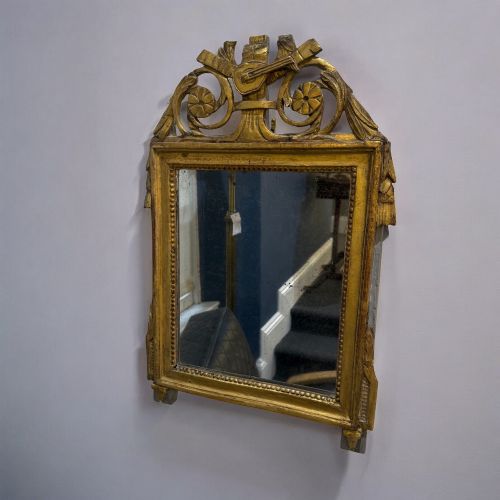
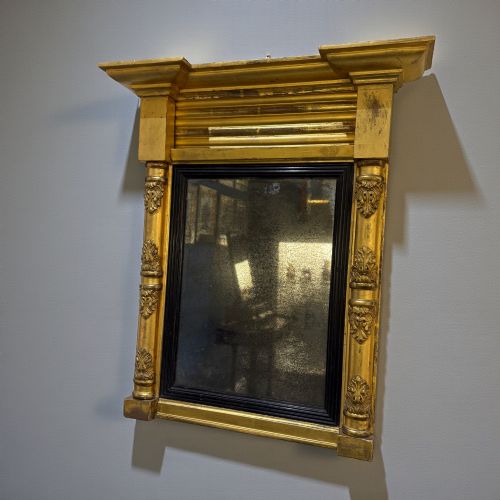
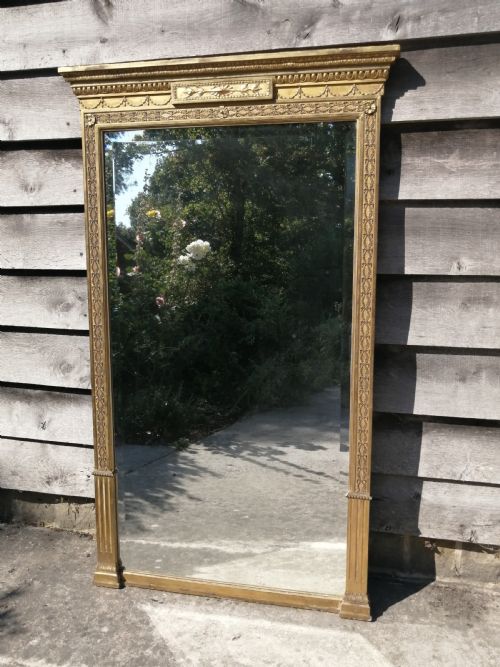
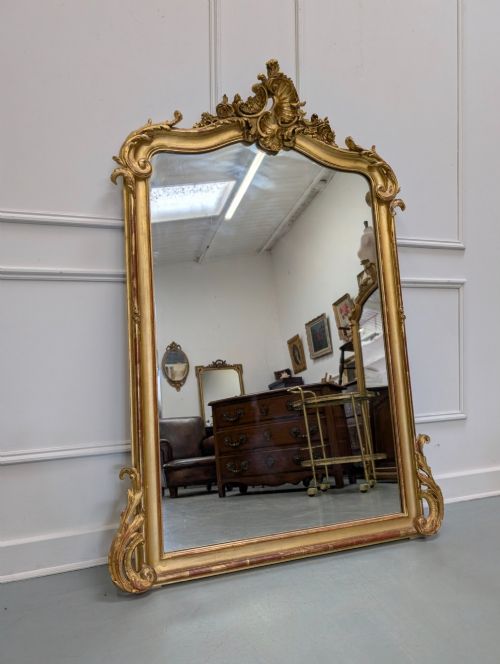
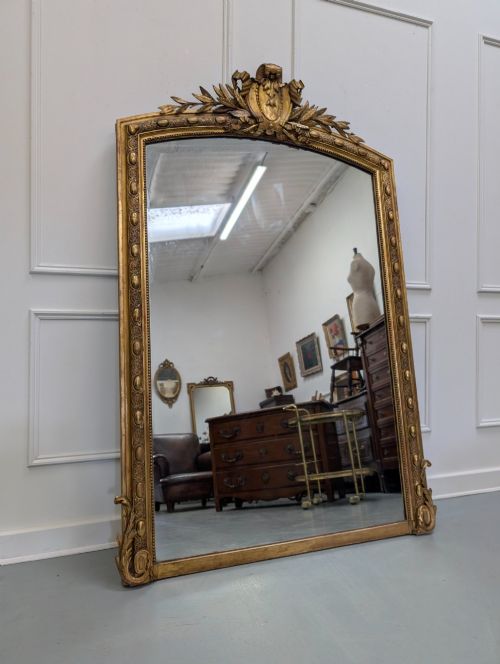
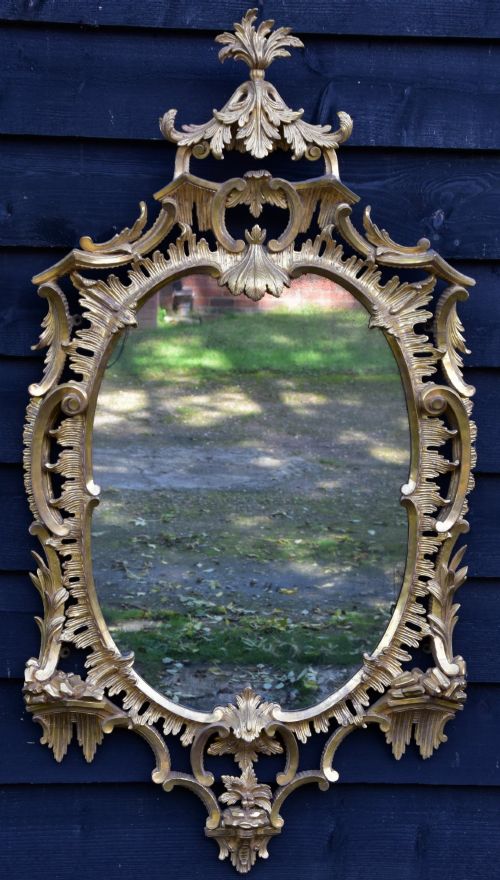
Gold Gilded Pier Mirror
A gold gilded pier mirror brings height and reflected light to a room, hung traditionally between windows over a low table.
Gold Gilded Pier Mirror
When you search for a gold gilded pier mirror, you encounter tall, vertical wall glasses designed specifically to occupy the narrow wall space between two windows. These pieces originate across the eighteenth and nineteenth centuries, spanning Georgian, Regency, and French Rococo Revival styles.
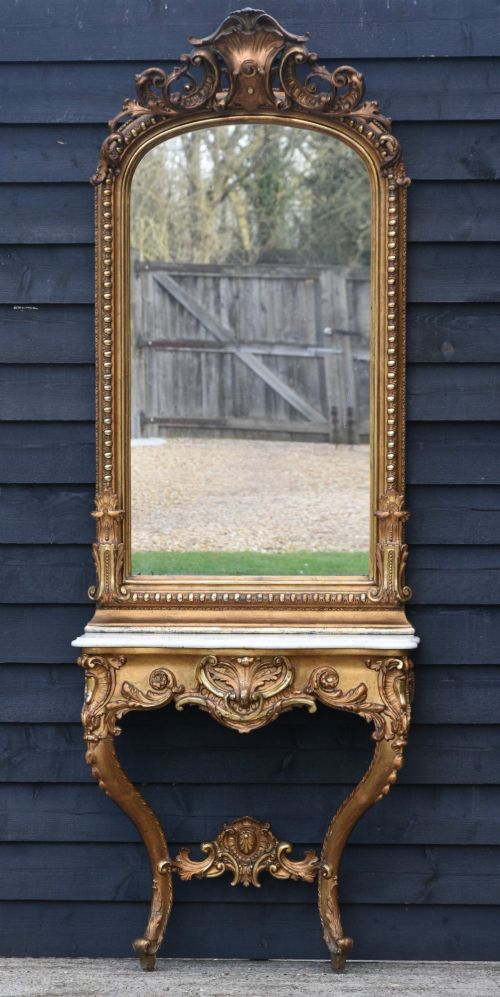
The version most commonly met on this page is a nineteenth-century giltwood or gesso frame, often reaching substantial heights and occasionally paired with console tables or incorporating verre églomise panels above the main glass plate.
Originating as architectural fixtures to brighten darker drawing rooms, these mirrors combine reflective utility with grand decorative presence, utilising carved wood, composition ornament, and gilded surfaces.
Materials and construction
The primary structure relies on carved timber, gesso, and composition mouldings built up over a wooden frame to receive thin layers of gold leaf. Gilding is applied over red bole to achieve a warm, luminous metallic finish.
Early examples utilise mercury glass plates, which develop characteristic foxing and dark spots over time, whilst later nineteenth-century pieces incorporate standard silvered mirror glass.
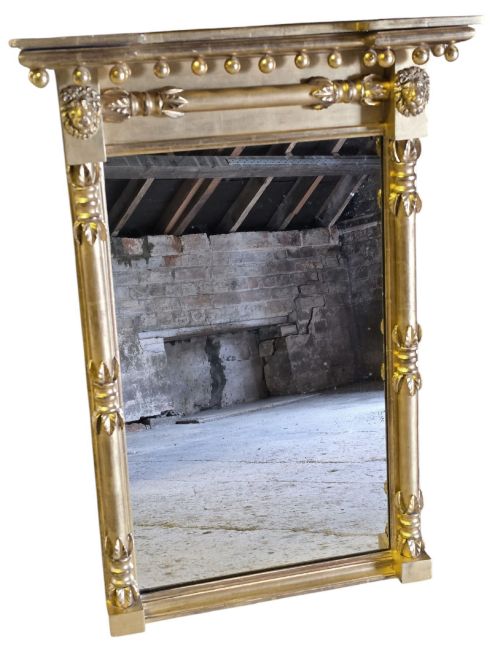
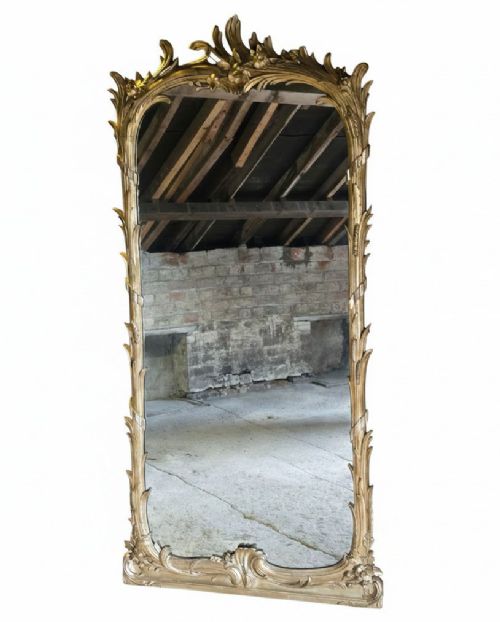
Frames combine hand-carved wooden elements with moulded composition details for intricate decorative motifs such as lion masks, rope carving, and rococo scrolls.
Listings feature periods from the eighteenth century through the nineteenth century, including Regency, Georgian, and Belle Époque designs.
Elements of quality
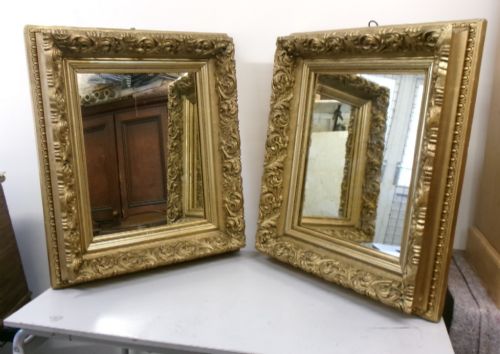
Quality rests in the crispness of the carved or moulded ornamentation and the depth of the gilding, where hand-tooled details remain sharp beneath the gold leaf. The survival of the original mirror plate and backing boards also dictates the integrity of the piece.
Proportion and scale separate standard regional pieces from grander salon examples, with balanced sight lines and harmonious architectural framing indicating superior design.
The Gold Gilded Pier Mirror Glossary
- Giltwood
- Wood that has been coated with gold leaf. This material forms the primary structure of traditional high-status frames.
- Gesso
- A plaster-like mixture applied to wood frames to create a smooth surface for gilding. It allows for deeply carved or moulded relief decoration.
- Verre églomise
- Reverse-painted glass decorated with gold or silver leaf. It appears in upper panels of Regency pier mirrors above the main glass plate.
- Mercury glass
- Mirror glass produced using a tin and mercury amalgam. It creates a soft, mottled reflection with age.
- Pier glass
- A tall mirror designed to hang on the narrow wall between windows. It maximises light reflection in traditional interiors.
Gold Gilded Pier Mirror: Frequently Asked Questions
Where should I hang a pier mirror?
These mirrors suit narrow wall spaces between windows or above console tables and mantelpieces.
Their vertical proportions help draw the eye upward and bounce daylight across the room.
Are the mirror plates original?
Many retain their original glass plates, often showing light foxing and oxidation from age.
Replacements occur where historical damage required new glass, which is normal for centuries-old furniture.
How do I identify a Regency pier mirror?
Regency pieces often display classical motifs such as verre églomise panels, reeded columns, or carved lion masks.
They date from the early nineteenth century and reflect neoclassical tastes.
What is the difference between gesso and carved wood?
Carved wood involves shaping the timber directly, whereas gesso provides a modelled layer over a simpler wooden carcass.
Both materials receive gold leaf to create the finished gilded surface.
How do I care for antique giltwood?
Dust the frame gently with a dry, soft brush and avoid liquid cleaners or moisture.
Gilded surfaces are delicate and vulnerable to abrasion or chemical damage.