

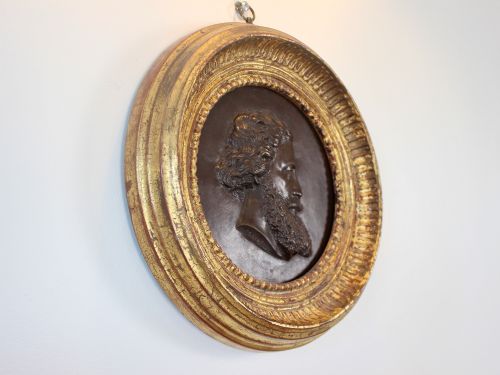




Classical Bronze Portrait
When you search for a classical bronze portrait, you are looking at enduring depictions of antiquity, philosophy, and historical figures cast in metal.
Classical Bronze Portrait
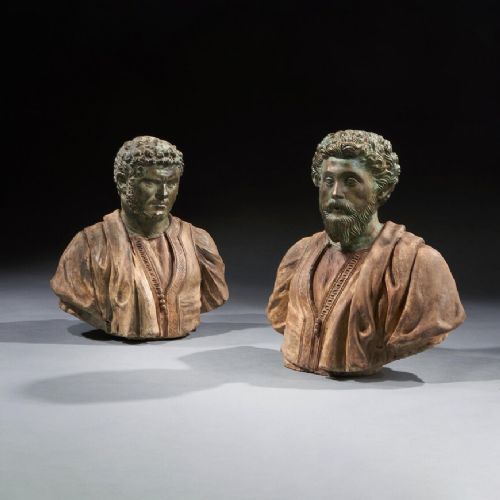
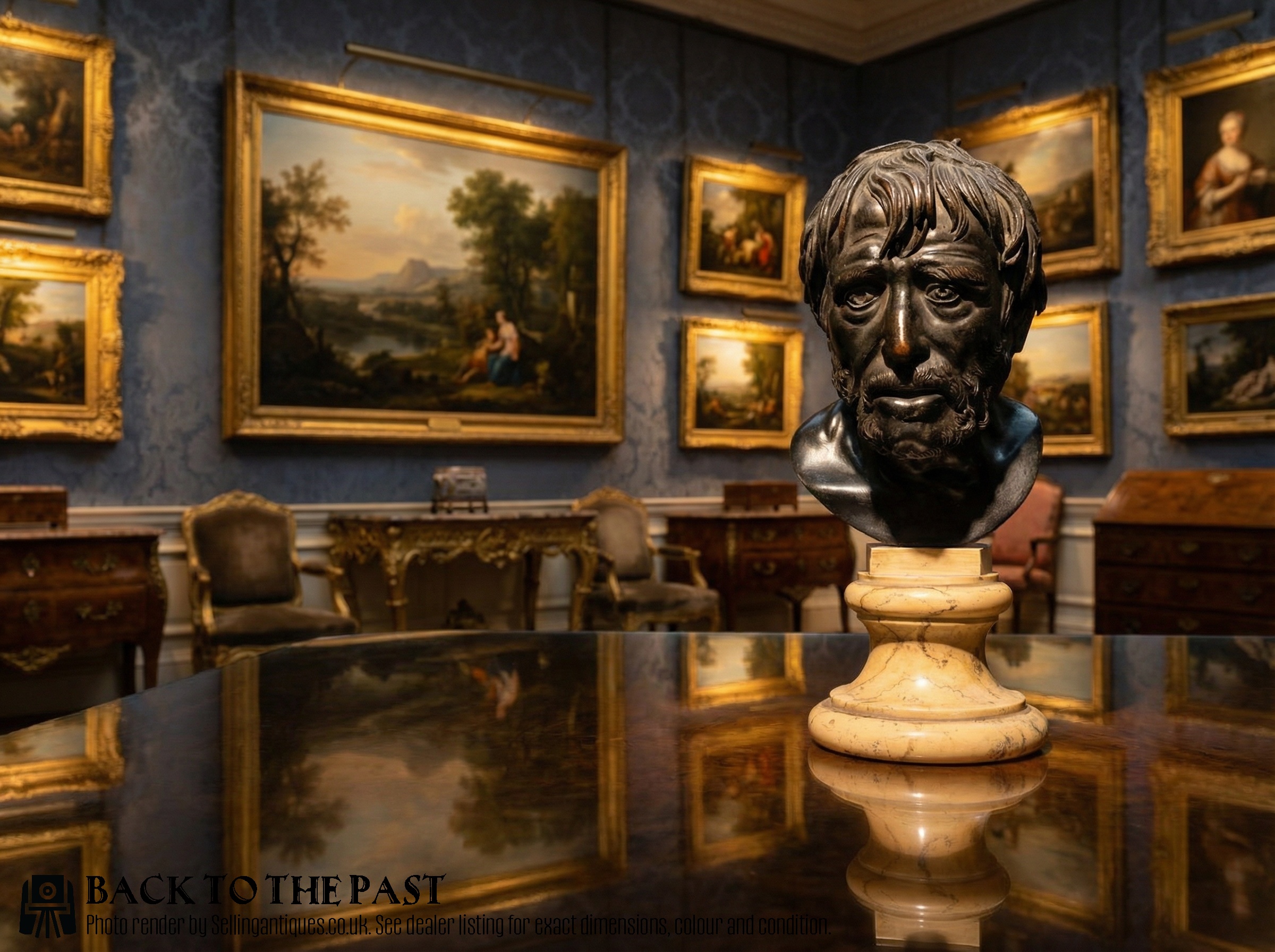
A classical bronze portrait captures figures from antiquity, historical leaders, philosophers, and literary icons in solid metal or related sculptural media. When you search for a classical bronze portrait, you encounter works ranging from Grand Tour souvenirs of Roman emperors and Greek thinkers to 19th-century French salon busts and Art Nouveau allegories.
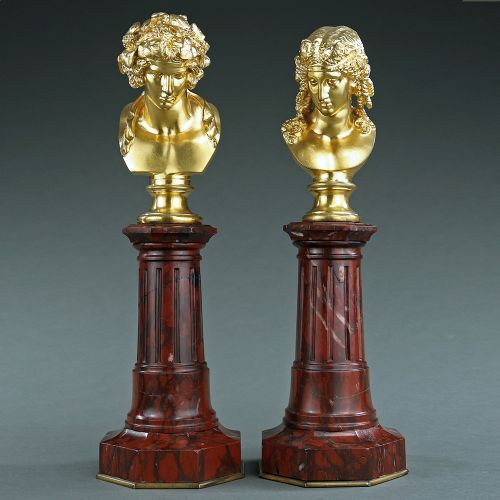
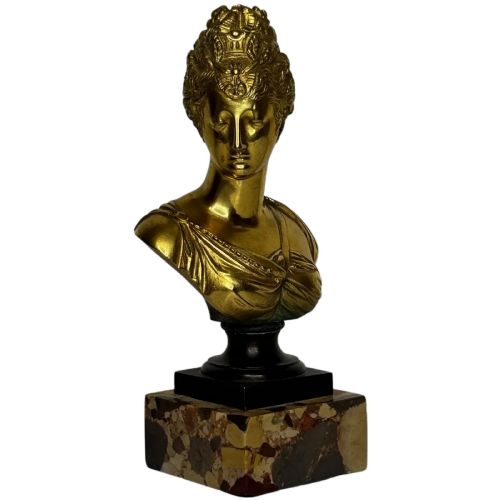
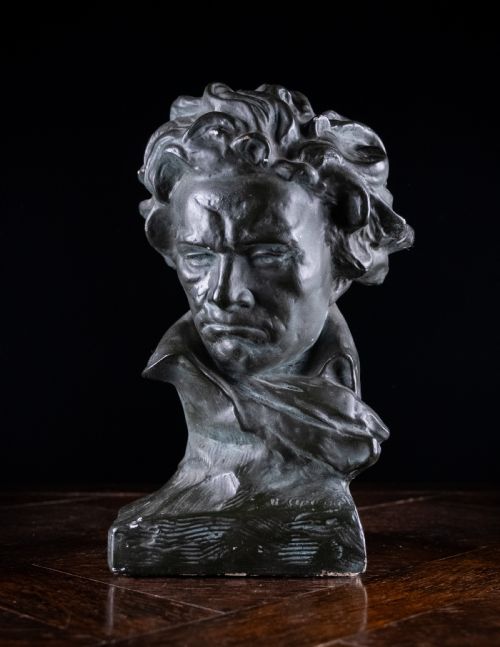
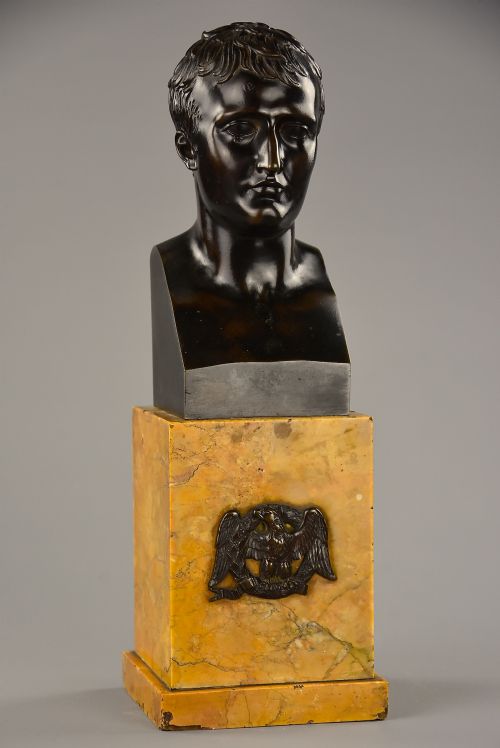
The most common form on this page is the portrait bust mounted on an integrated or separate plinth, often utilising contrasting marble for the base. Alongside traditional cast bronze, you will find variants rendered in patinated bronze, gilt bronze, terracotta, and plaster.
These sculptures draw heavily upon Neoclassical, French Empire, and Victorian aesthetics, serving historically as library ornaments and scholarly studies. Makers and foundries across France, Italy, and Britain produced them to bring the gravitas of classical history into domestic interiors.
How they were made
Surface finishes play an essential role in defining the final appearance, achieved through chemical patination, cold painting, or gilding applied to the metal or terracotta substrates. Plaster and terracotta alternatives offer a different tactile quality, often finished with paint or patination to emulate heavier bronze originals.
Subject matter ranges from Roman emperors and Greek philosophers to 19th-century French literary figures and allegorical representations.
What varies in quality
The distinction between ordinary and exceptional pieces rests upon the crispness of the chase work and the subtlety of the surface patina. Superior castings retain clean anatomical lines, sharp lettering on plinths, and deliberate hand-finishing that accentuates expression rather than masking surface flaws.
The choice of materials also dictates the standing of a piece, with heavy, multi-patinated bronzes mounted on fine veined marble bases sitting at the upper end of the scale. Signatures from known sculptors or established foundries introduce an additional layer of artistry that elevates the piece beyond standard decorative production.
E.Villanis·Antonio Merente·Sir Thomas BROCK R A·Mathurin Moreau·Adolphe Jean Lavergne·Ernest-Eugène Hiolle·Leonhard Posch·Eutrope Bouret
The Classical Bronze Portrait Glossary
- Grand Tour
- A traditional trip through Europe undertaken by upper-class young men in the 18th and 19th centuries to study the arts. Souvenirs from these travels included miniature bronzes of classical ruins and portrait busts.
- Patination
- The process of treating a metal surface with chemicals, heat, or age to produce a coloured oxide layer. This finish protects the metal and adds depth to the sculptural contours.
- Ormolu
- Finely ground high-carat gold applied to a bronze object using a mercury amalgamation technique. This decorative coating provides a rich, warm brilliance characteristic of French Empire works.
- Plinth
- The heavy block or base upon which a bust or sculpture stands. These bases often incorporate contrasting marble to elevate the visual weight of the portrait.
- Lost-wax casting
- A method of metal casting in which a molten metal is poured into a mould that has been created by means of a wax model. The wax is melted and drained away, allowing for intricate sculptural detail.
Classical Bronze Portrait: Frequently Asked Questions
What is a Grand Tour bust?
A Grand Tour bust is a small-scale sculptural replica of a classical statue, philosopher, or Roman emperor purchased by travellers touring European cultural sites during the 19th century.
These pieces served as intellectual trophies and scholarly decor for home libraries, reflecting the owner's classical education and refined tastes.
Are these pieces solid bronze?
Most sculptural portrait busts are hollow-cast rather than solid metal to reduce weight and material costs. Hollow casting is the standard technique for bronze sculpture, maintaining structural integrity while utilising metal efficiently.
Alternative materials like terracotta, plaster, and cast iron also appear across this selection, each offering a distinct weight and surface texture.
Where should I display a bronze portrait?
These busts suit stable flat surfaces such as heavy wooden desks, bookshelves, or dedicated mantelpieces where their weight and classical proportions can anchor a room. Placing them away from direct heat sources helps protect both the metal patination and any underlying marble bases.
Because they were originally designed for studies and libraries, they blend naturally with traditional book collections and wood-paneled interiors.