



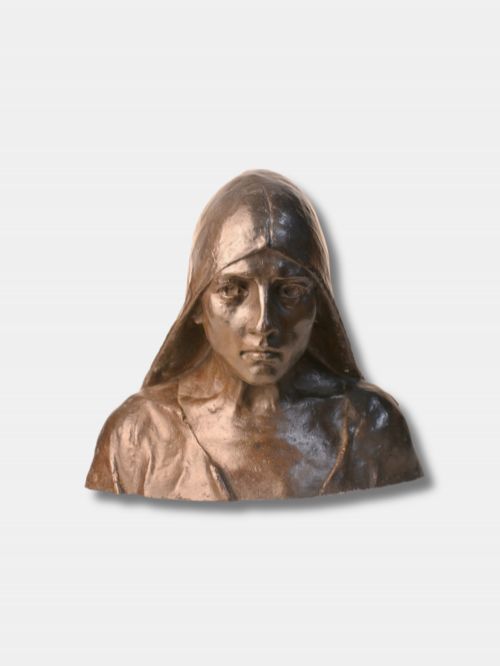


Bronze Portrait Statue
A bronze portrait statue captures figures from history, literature and classical myth in cast metal, bringing gravity and presence to a room.
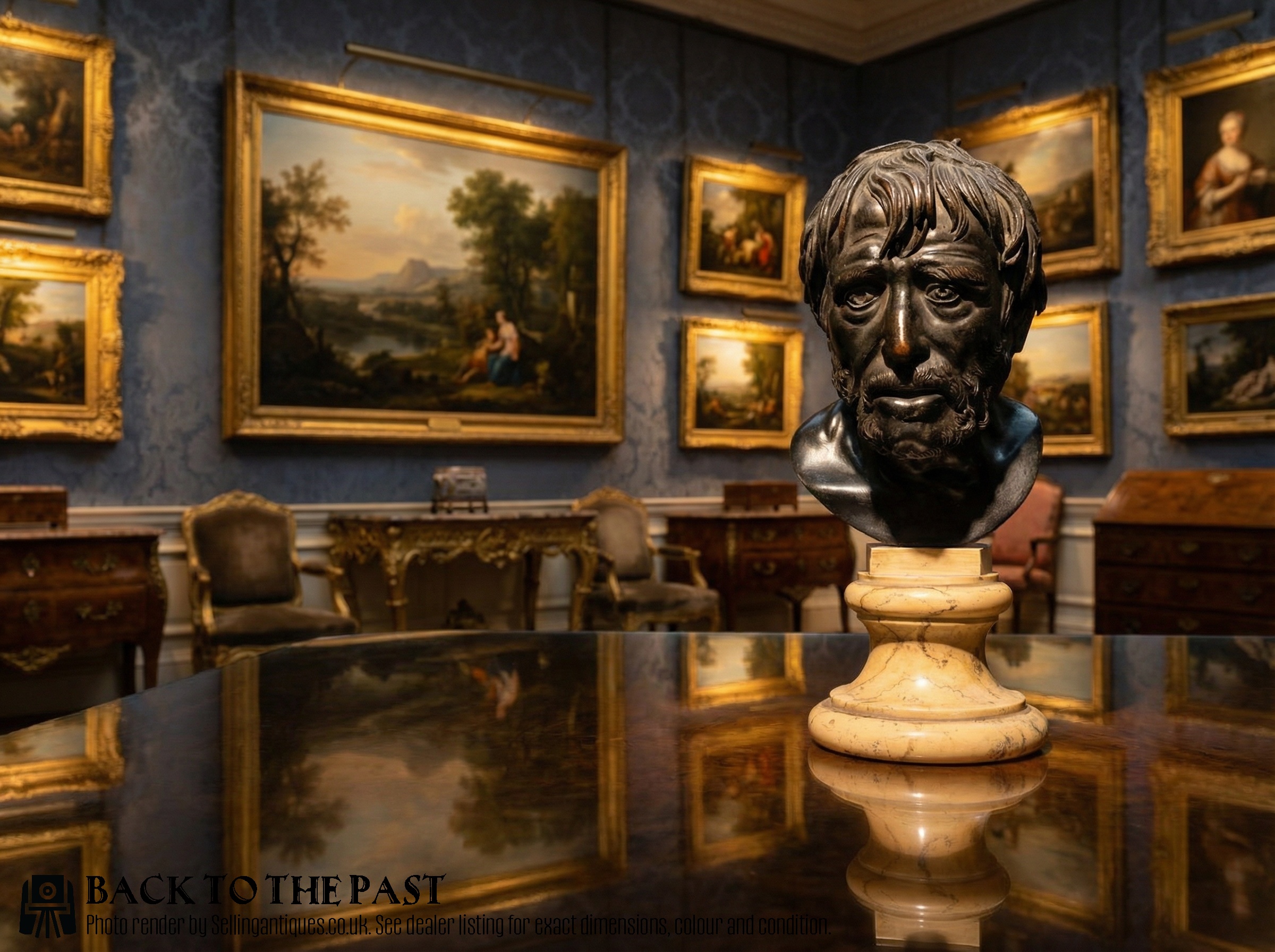
Bronze Portrait Statue
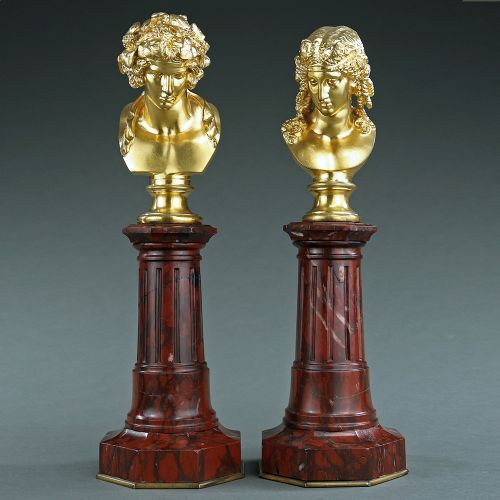
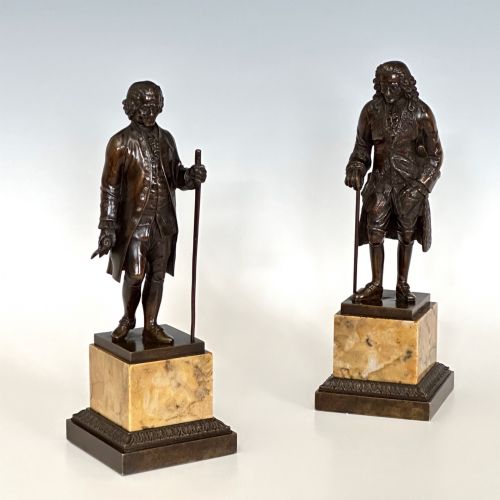
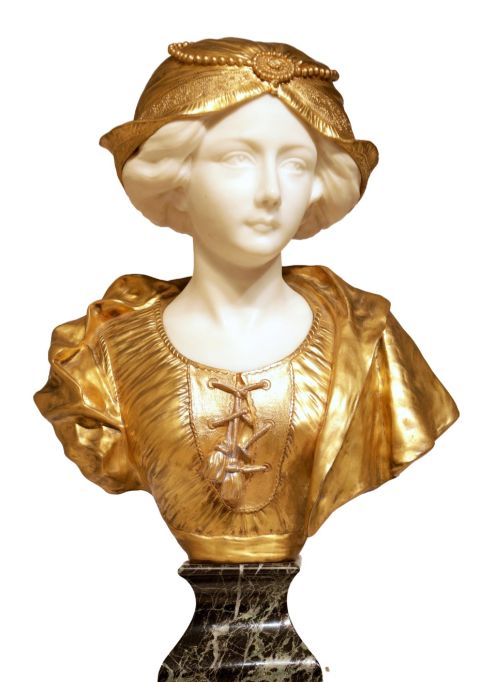
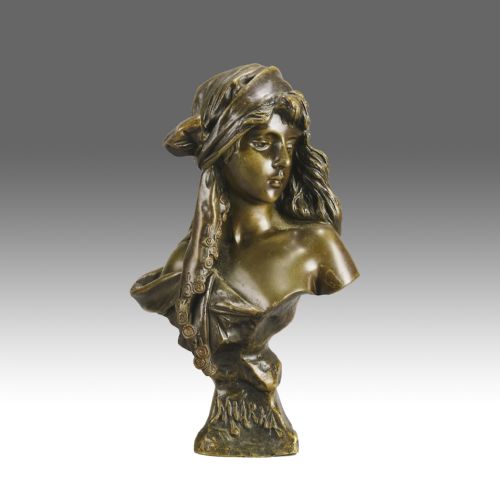
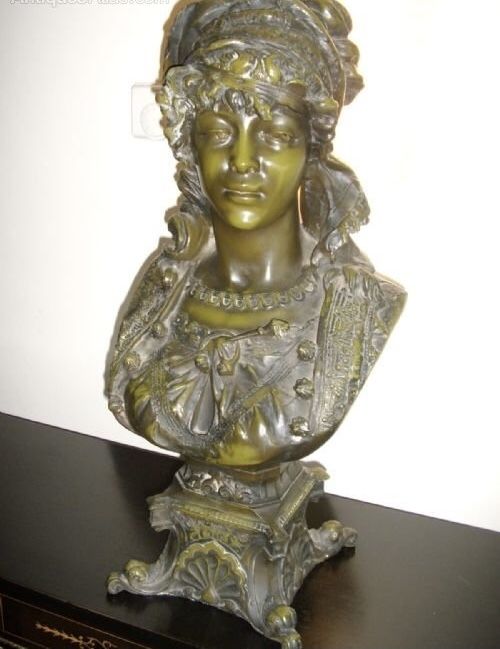
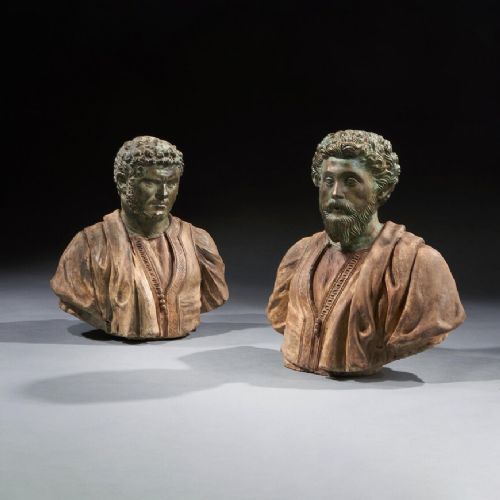
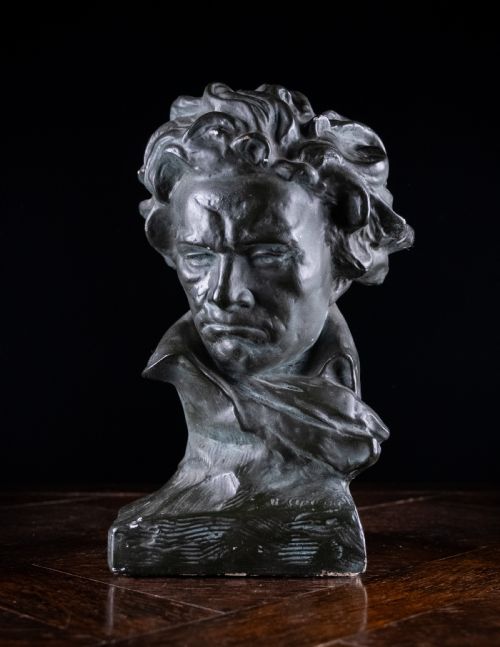
A bronze portrait statue or bust renders historical figures, classical emperors, literary icons and known individuals in solid metal or related media. These works range from small Grand Tour souvenirs of ancient philosophers and rulers to large Victorian and Edwardian portrayals of poets, soldiers and society figures. When searching this phrase, a buyer encounters everything from stylised Art Nouveau female allegories to specific statesmen and artists cast across the nineteenth and early twentieth centuries.
The format heavily leans towards portrait busts and sculptural studies mounted on stone bases, originating largely from French, Italian and English workshops. Pieces extend from the Restauration and Victorian eras through the Art Nouveau and Art Deco periods, capturing likenesses in cast bronze, patinated bronze, gilt bronze, painted plaster and terracotta. Each work reflects the prevailing aesthetic of its decade, whether the strict classical discipline of Grand Tour bronzes or the flowing organic lines of turn-of-the-century French sculpture.
Materials and casting methods
Foundries produced these sculptures primarily through metal casting, utilising molten bronze poured into moulds to capture fine details of hair, drapery and facial expression. Many pieces received chemical patination to darken the surface or were highlighted with gilding, while others utilised painted finishes on metal, plaster and terracotta. Mounts and integral plinths commonly incorporated contrasting materials such as marble or wood to elevate the overall composition.
Makers often signed or stamped their work directly into the metal during the casting process, occasionally accompanying the signature with foundry marks or date inscriptions. Plaster and terracotta alternatives provided a more direct medium for modellers before final translation into metal, maintaining the texture of the original hand-worked clay or plaster.
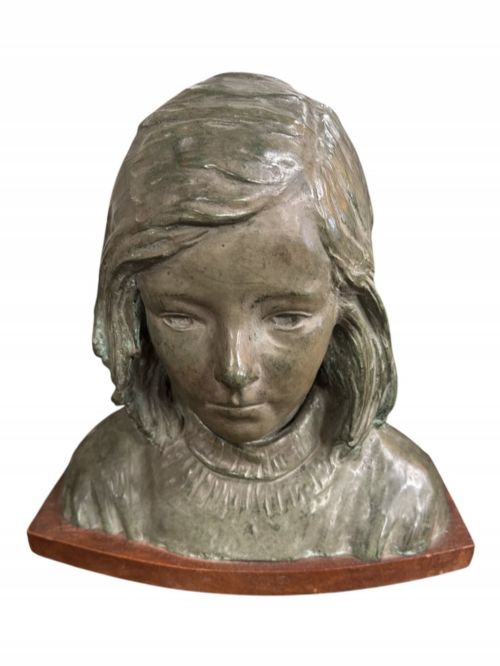
Subject matter ranges from classical Roman emperors and literary poets to Victorian statesmen, young girls and allegorical figures.
Evaluating sculptural quality
The choice of supporting material alters the presence of the piece, with heavy veined marble bases indicating higher production ambitions than simpler wooden or self-casting plinths. Signed works by noted sculptors command greater interest because the modelling demonstrates superior artistic capability and proportional balance.
Emmanuel Villanis·Hans Müller·Mathurin Moreau·Georges-Charles Coudray·Jean Jules Salmson·Sir Thomas Brock·Giuseppe Moretti
The Bronze Portrait Statue Glossary
- Patina
- The surface coloration and sheen developed naturally over time or applied chemically by the foundry. It gives the metal its characteristic tone and protects the underlying bronze.
- Grand Tour
- A cultural journey undertaken by wealthy Europeans in the eighteenth and nineteenth centuries, bringing home small-scale bronzes of classical statues and historical busts as souvenirs.
- Spelter
- A zinc alloy frequently utilised as a less costly alternative to bronze for sculptural casting. It accepts painted or bronzed finishes that simulate heavier metals.
- Chasing
- The manual finishing process where metalworkers refine a raw metal casting using chisels and punches. This step restores lost texture and eliminates casting flaws.
- Terracotta
- Fired unglazed clay used directly for sculptural portraits or as a model for metal casting. It exhibits a warm earthenware reddish-brown hue.
Bronze Portrait Statue: Frequently Asked Questions
How do I clean a bronze bust?
Dust the surface gently with a soft, dry brush to prevent dirt accumulation within the crevices of the casting. Avoid using water, soap or metal polishes, which can strip away the original patinated surface.
Applying a very light coat of microcrystalline wax helps protect the metal from atmospheric moisture. Buff the wax off thoroughly with a clean cloth to maintain a subtle, stable sheen without a greasy residue.
What is the difference between bronze and spelter?
Bronze is an alloy of copper and tin that yields a heavy, durable metal capable of holding sharp sculptural details through centuries. Spelter is a zinc-based alternative that feels noticeably lighter and softer to the touch.
Spelter sculptures often show signs of cracking or chipping where the metal is thin, unlike bronze which remains structurally resilient. Many spelter pieces were given a bronze-coloured paint or wash to mimic the heavier material.
Where were these portrait busts displayed?
These sculptures typically occupied libraries, studies and formal hallways in nineteenth-century homes, serving as indicators of scholarly taste. Collectors placed historical and literary figures on desks, bookcases and mantelpieces to reflect their personal interests and education.
Grand Tour pieces often commemorated travels through Italy and Greece, functioning as conversation pieces for visiting guests. Larger busts required dedicated pedestals or sturdy side tables to support their significant weight.
How can I tell if a signature is authentic?
Foundry signatures and artist names were usually cast directly into the metal mould rather than scratched in afterward. Look for crisp lettering that integrates naturally with the surrounding texture of the base or rear shoulder.
Compare the signature style and placement against known examples by the same sculptor recorded in reference literature. Casts produced after an artist died often bear posthumous foundry stamps or altered lettering.