


Classical Bronze Lighting
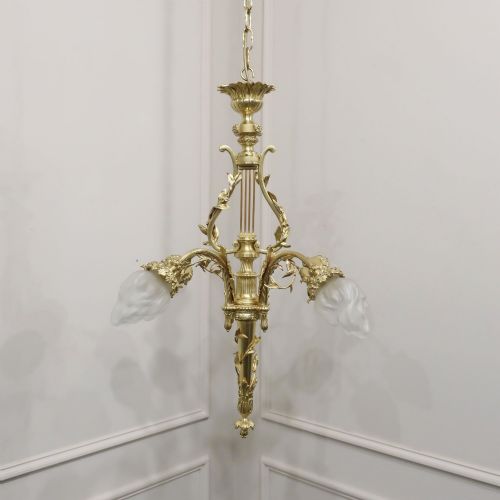
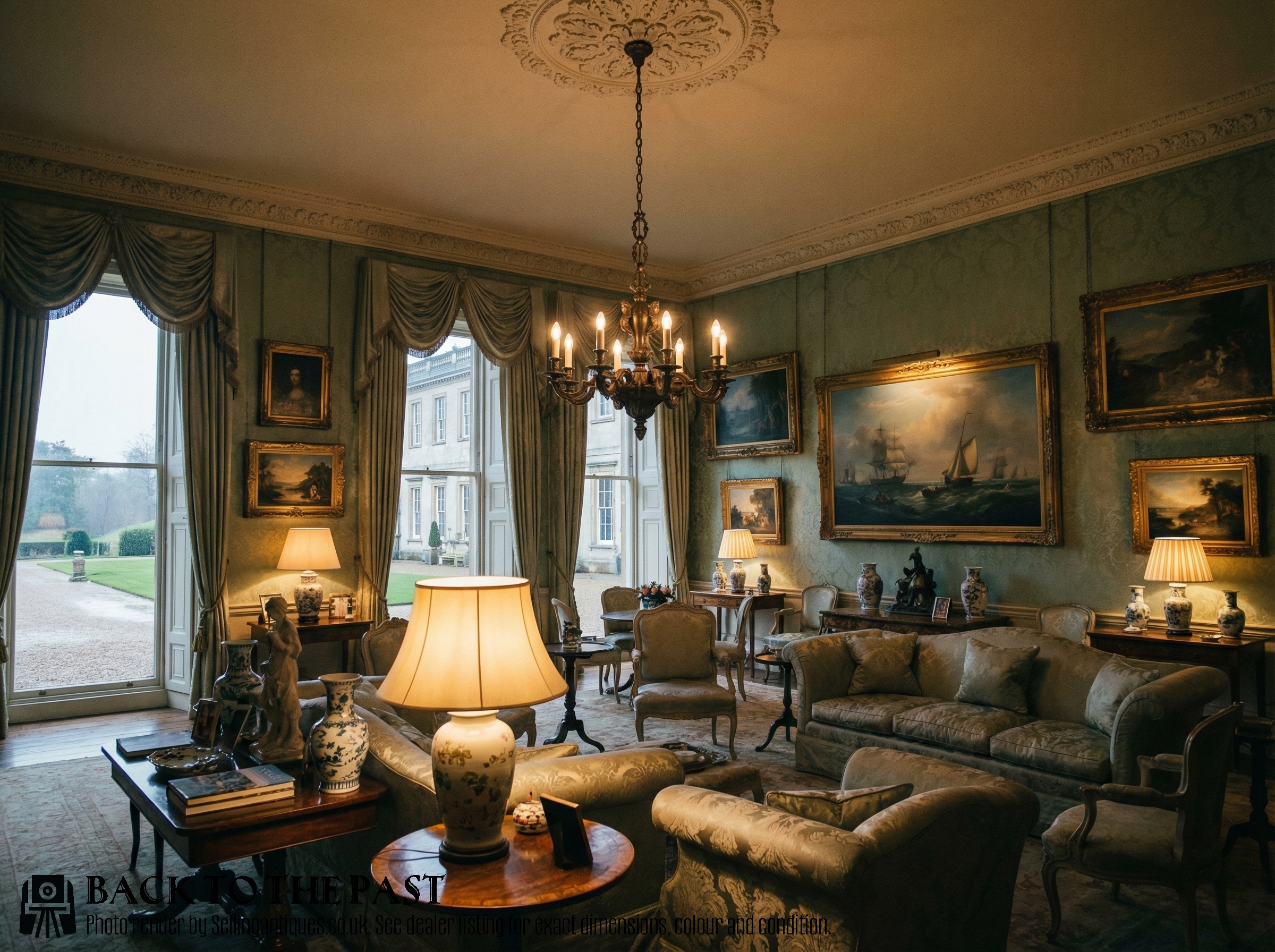
Classical bronze lighting brings architectural dignity and warm metallic lustre to a room, spanning grand chandeliers, candelabra, and table lamps.
Classical Bronze Lighting
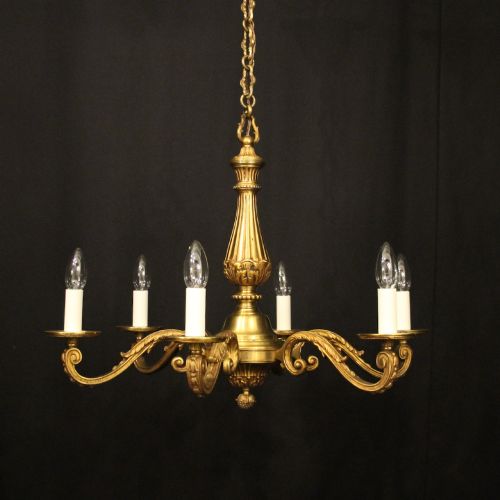
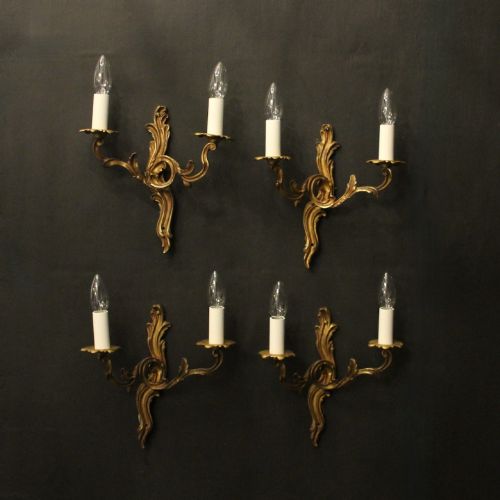
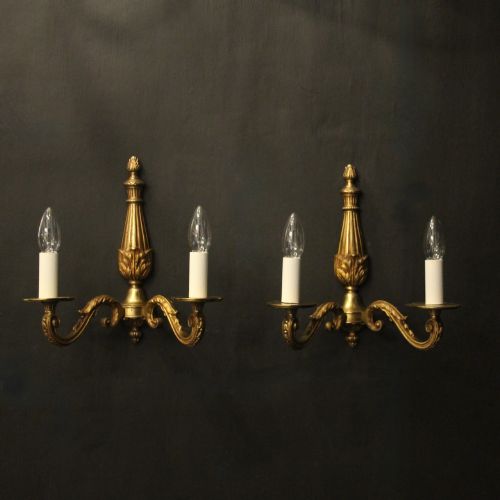
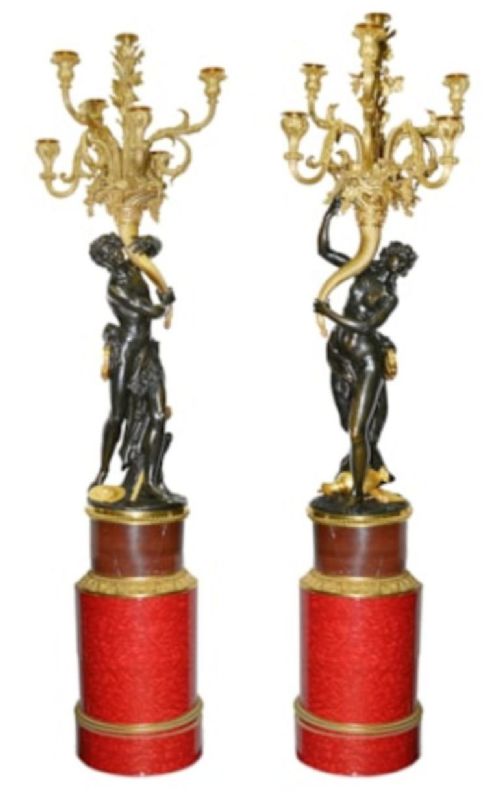
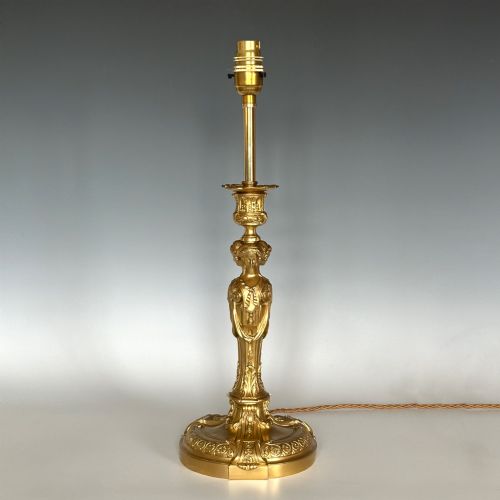
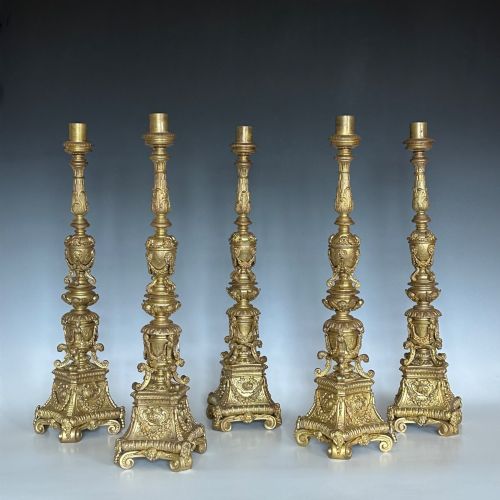
Classical bronze lighting encompasses fixtures designed for illumination that draw upon historical architectural motifs, particularly from French Neoclassical, French Empire, Louis XVI, and Regency styles. These pieces range from substantial multi-light chandeliers and towering candelabra to delicate wall sconces and table lamps.
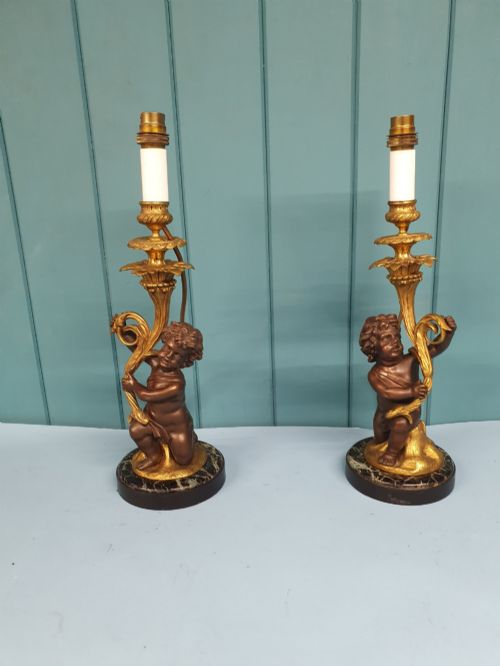
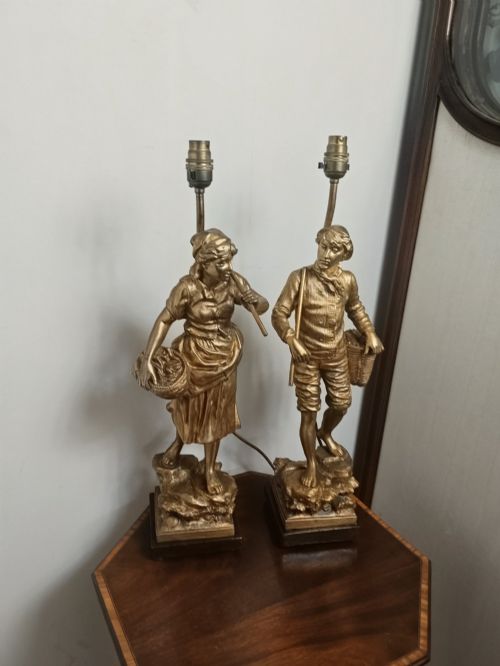
Buyers seeking classical bronze lighting will encounter a predominance of French origins alongside English Regency examples, spanning periods from the nineteenth century into the early twentieth century. The forms frequently incorporate figural elements such as cherubs and caryatids, paired with candleholders, lanterns, and electrified mounts.
The selection reflects both domestic domestic fittings and Grand Tour souvenirs inspired by ancient sites like Pompeii, offering authentic period character for traditional and eclectic interiors alike.
How They Were Made
These fixtures rely heavily on foundational metalwork using bronze, cast iron, and brass, shaped through casting techniques that allowed for intricate relief work and sculptural details. Many surfaces received fire gilding or ormolu treatment, creating a brilliant golden finish alongside patinated bronze variations.
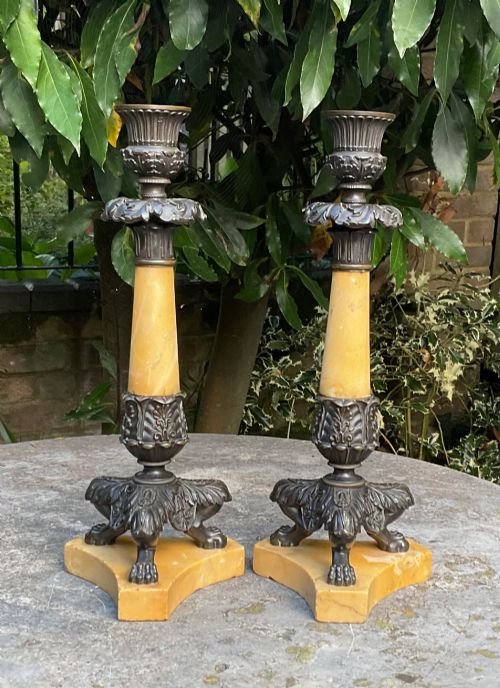
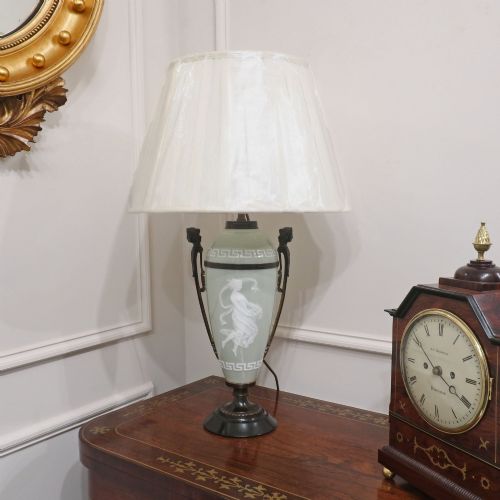
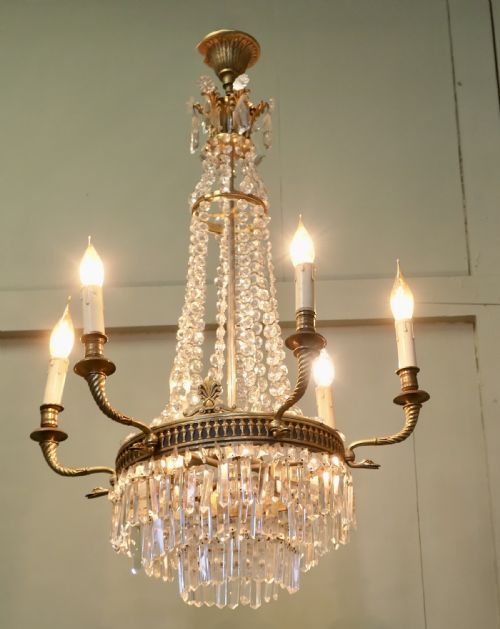
Assemblages frequently integrate contrasting natural materials such as white marble, onyx, glass, alabaster, and porcelain elements like pate sur pate, held together by threaded pins and custom fixings. Chandeliers utilise metal arms and chains to support multiple light branches, often incorporating tent and waterfall glass bead drops.
Listings feature eighteenth-century pieces alongside nineteenth-century works, with material palettes spanning patinated bronze, gilt bronze, marble, and alabaster.
What Varies in Quality
The distinction between standard production and top-tier pieces rests in the crispness of the chasing and the depth of the hand-finishing on the metalwork. Superior examples display sharply defined facial expressions on figural mounts and cleanly articulated acanthus leaves rather than softened, generalized casting contours.
Material selection also dictates overall grade, with genuine fire-gilded ormolu retaining a rich, durable lustre compared to simpler painted finishes. The integration of high-grade components, such as solid white marble bases and heavy gauge bronze arms, separates utilitarian pieces from exceptional works of decorative art.
E Rousseau·Casier·G Amodio Naples·Pierre Philippe Thomire·L and F Moreau
The Classical Bronze Lighting Glossary
- Ormolu
- A method of applying finely ground high-carat gold to a bronze object using a mercury amalgam. This technique produces a deep, warm metallic finish characteristic of high-end French decorative metalwork.
- Patinated bronze
- A treated surface on bronze that develops a controlled, aged coloration through chemical means or natural exposure. It adds tonal depth to sculptural details on figures and bases.
- Candelabra
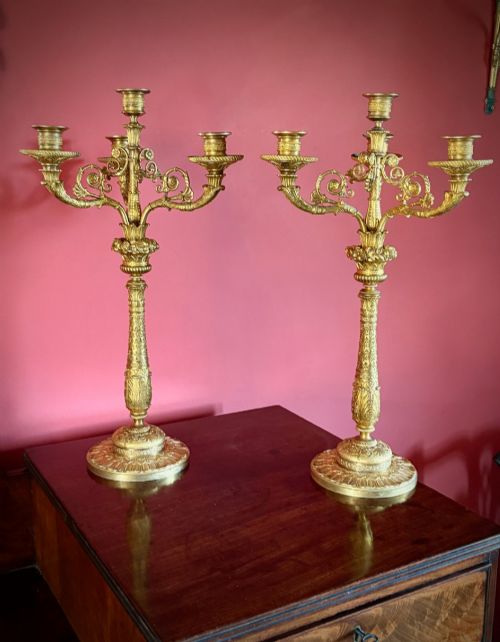
- A branched candlestick holder designed to support multiple candles simultaneously. In classical lighting, these are frequently cast in bronze and embellished with classical figures.
- Caryatid
- A sculpted female figure serving as an architectural support element in place of a column. They appear frequently on candlesticks and table lamp bases.
- Grand Tour
- A nineteenth-century tradition where wealthy travellers collected souvenirs from continental Europe. This practice produced miniature bronzes and lamps modelled after classical antiquities.
Classical Bronze Lighting: Frequently Asked Questions
How do I identify a Regency piece?
Regency items often display restrained classical proportions influenced by ancient Roman and Greek designs, typically combining dark patinated bronze with bright ormolu mounts.
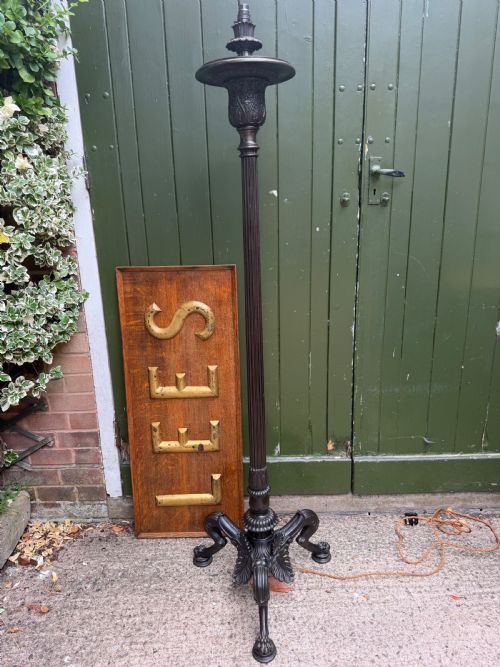
Look for crisp detailing on lion paw feet, anthemion motifs, and strict symmetry that define the early nineteenth-century aesthetic.
Were these originally wired for electricity?
Most nineteenth-century and earlier pieces were designed exclusively for candles or oil, and were adapted for electricity during subsequent decades.
Wiring methods vary, but quality conversions preserve the original structural integrity of the bronze without drilling through primary decorative reliefs.
What is the difference between bronze and ormolu?
Bronze is an alloy of copper and tin used as the structural and sculptural base metal for these lighting fixtures.
Ormolu refers specifically to the applied gold-mercury finish used to highlight certain sections of the bronze and provide a contrasting golden gleam.
How should I clean marble bases?
White marble and onyx components require gentle dusting with a dry microfibre cloth to prevent abrasive particles from scratching the polished stone.
Avoid harsh chemical cleaners or excess moisture, which can seep into unsealed stone or discolour adjacent bronze and ormolu mounts.