
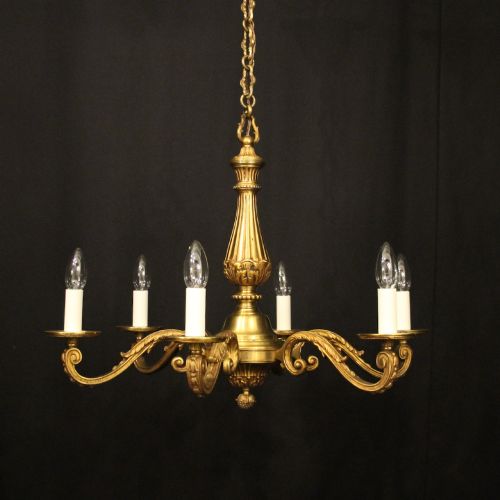
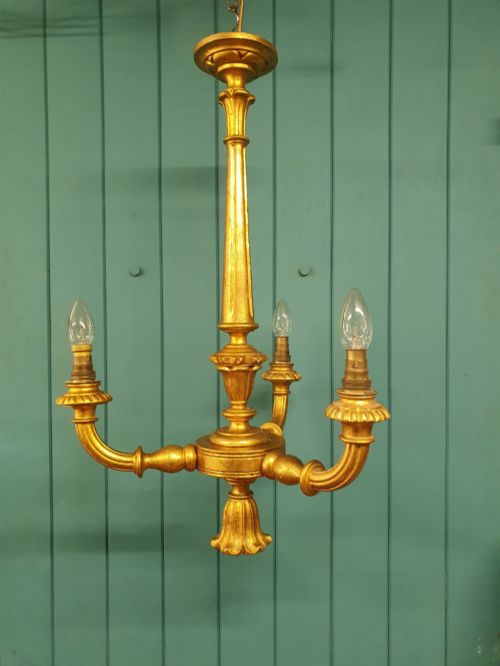
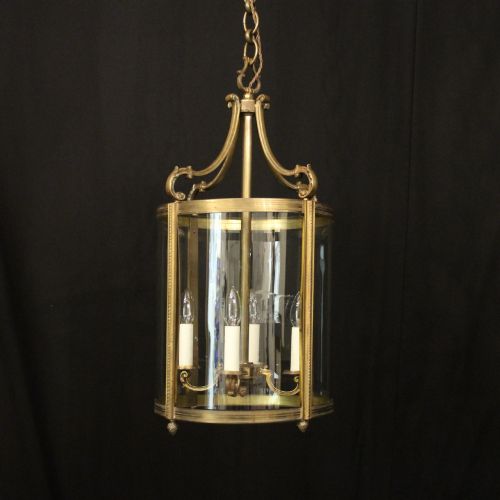
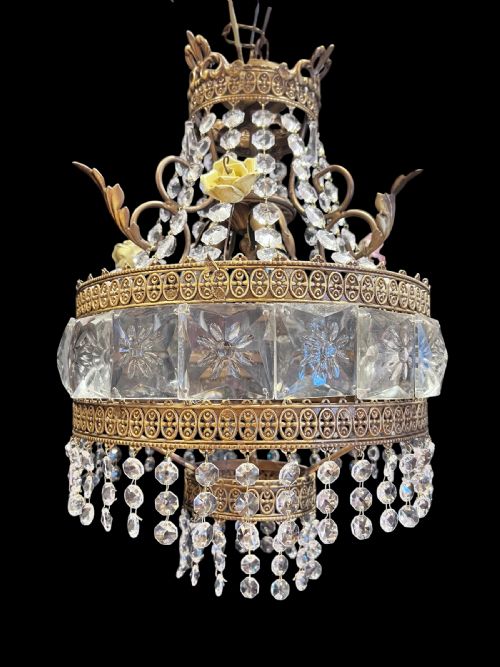

French Ceiling Pendant
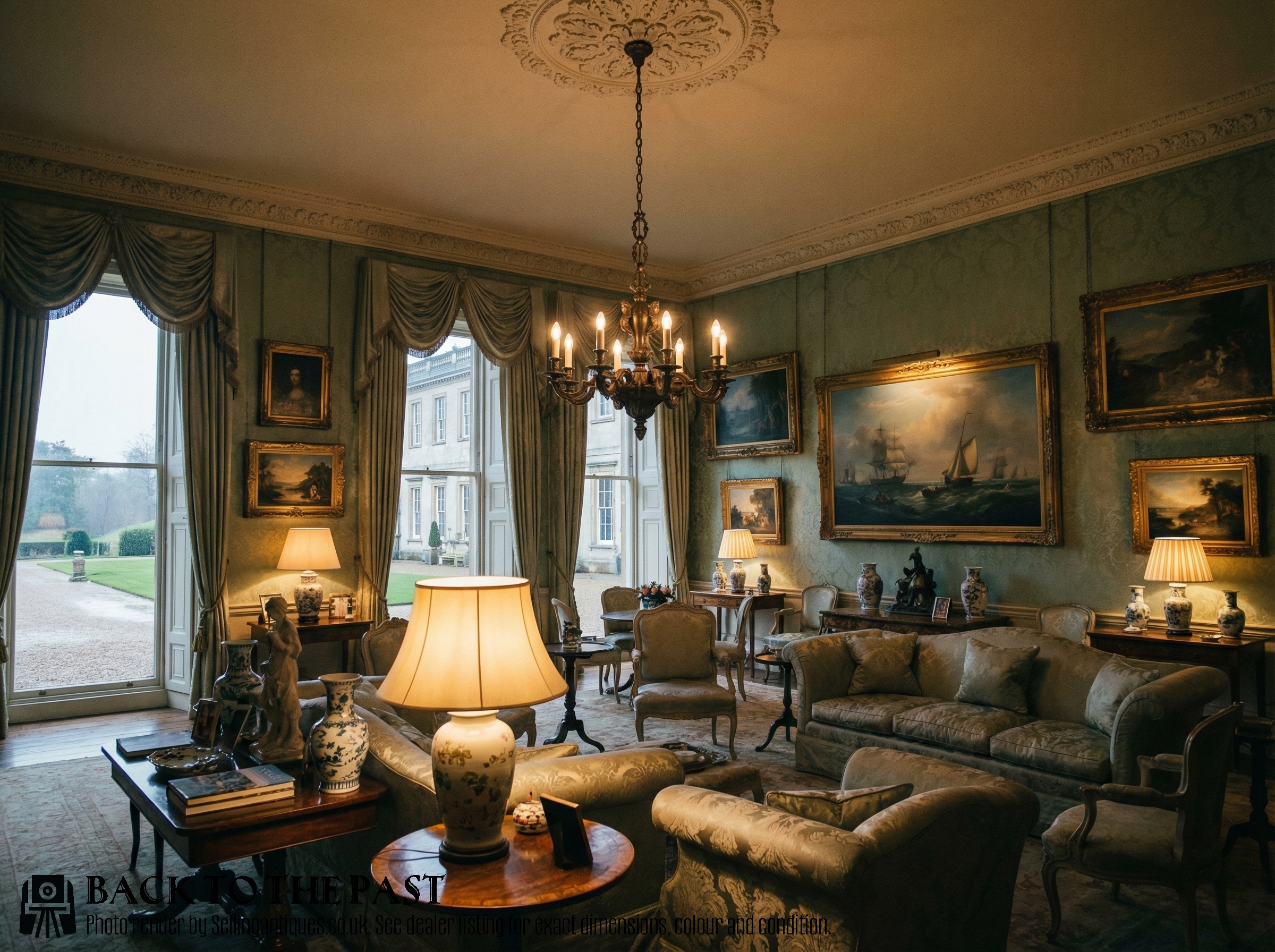
When you search for a french ceiling pendant, you are looking at illumination designed to anchor a room from above with metal and glass.
French Ceiling Pendant
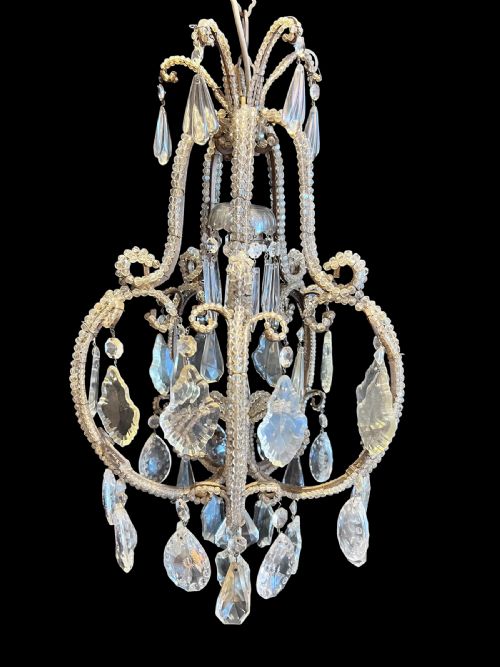
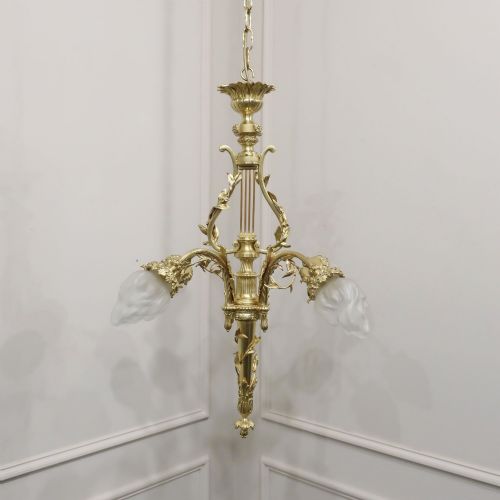
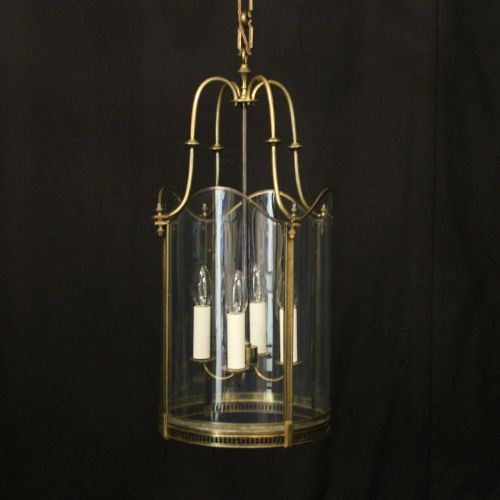
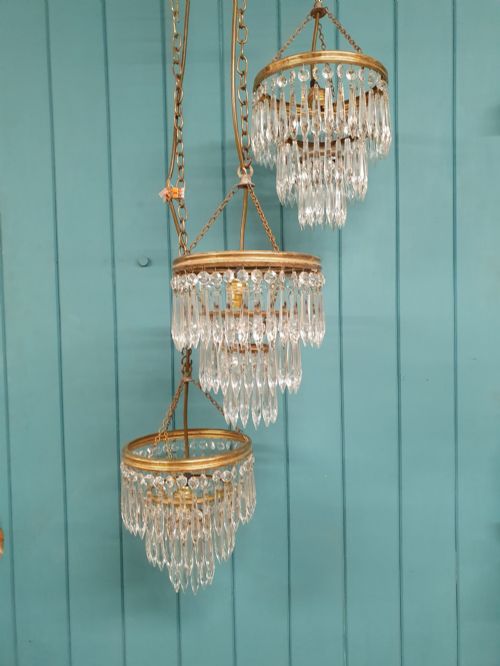
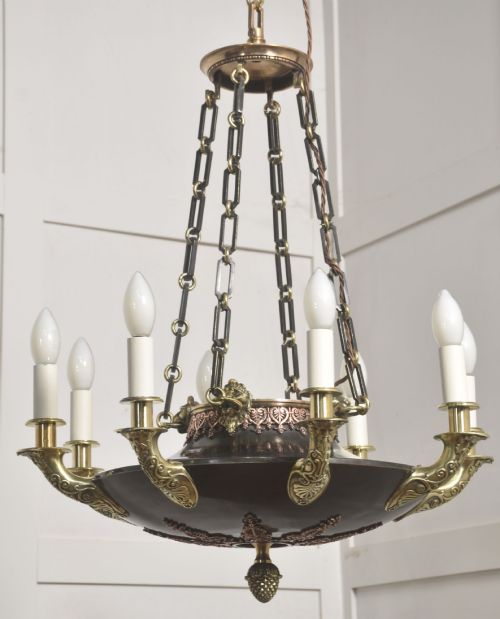
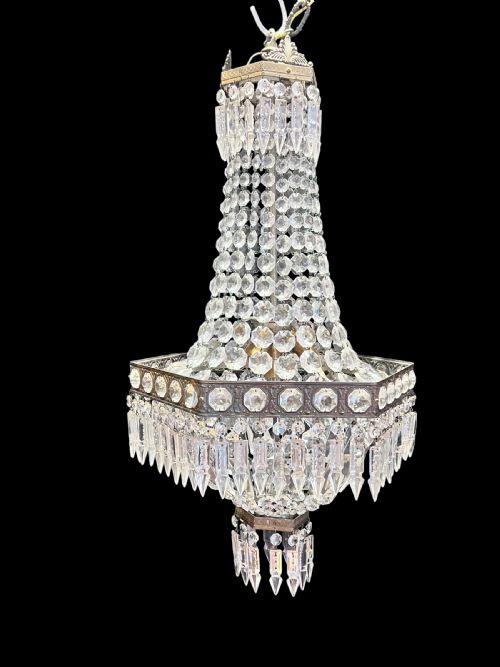
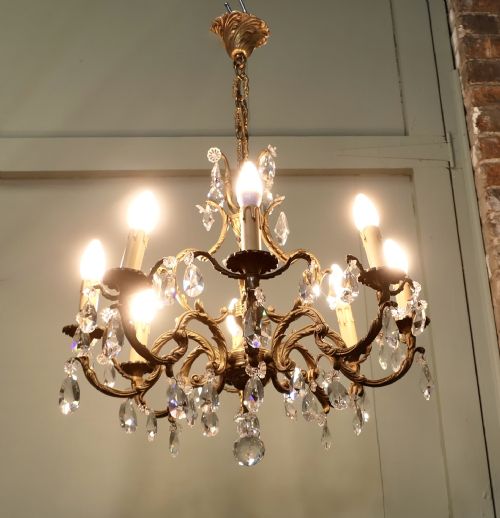
A french ceiling pendant encompasses everything from grand multi-light chandeliers and tent-and-waterfall crystal arrangements to single glass globes and hall lanterns. These pieces span periods from the nineteenth century through the Edwardian era and into the 1920s and 1930s, reflecting shifts in taste from elaborate classical revivals to cleaner modernist lines.
You will most frequently encounter brass, gilt bronze, and metal frames paired with glass, crystal lustres, or specialised shades. The forms vary from basket frames and birdcage chandeliers to convex lanterns and plafoniers designed to sit close to the ceiling.
Originating largely from French workshops and studios, these fixtures combine structural metalwork with decorative elements like ceramic flowers, etched glass, or Holophane shades. They serve both as functional illumination and as sculptural focal points in domestic interiors.
Materials and Construction
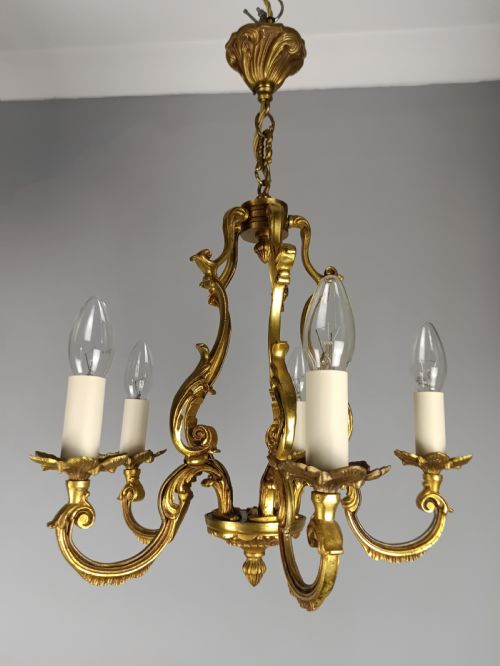
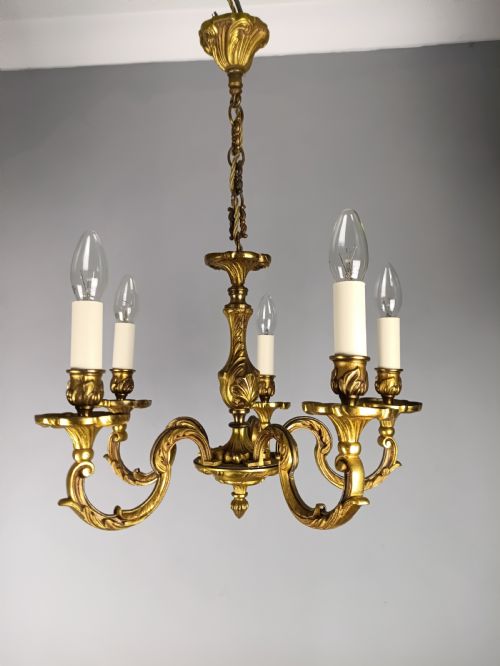
Makers constructed these fixtures using cast and chased brass, gilt bronze, and ormolu for the primary frames, supporting intricate arrangements of cut glass, crystal lustres, and moulded or etched glass shades. Metal components were often gilded, bronzed, or silvered to achieve specific tonal qualities.
Glass elements ranged from hand-blown globes and moonstone shades to prismatic Holophane glass designed to diffuse light evenly. Frames were assembled with mechanical fixings, holding glass drops, beads, and central stems securely in place.
The listings on this site span periods from the 1860s through the Art Deco era, utilising materials such as gilt bronze, crystal, and Holophane glass.
Assessing Quality and Execution
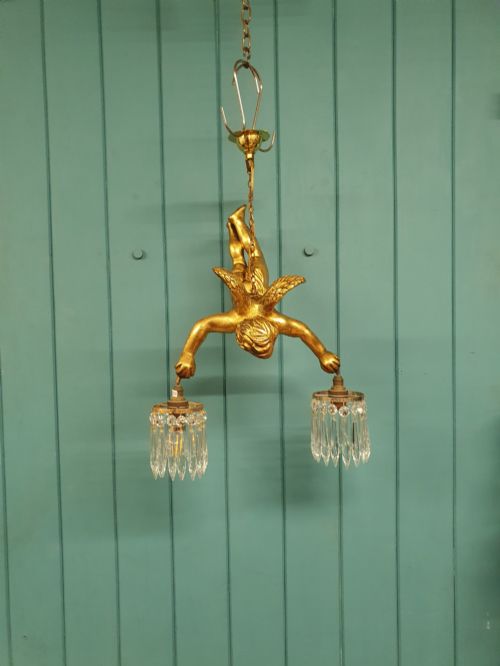
Quality reveals itself in the crispness of the casting on bronze and brass elements, the depth of the gilding, and the clarity of the cut crystal or moulded glass. Superior examples feature finely detailed ornamentation, such as cherubs, acanthus leaves, or precise etching, rather than soft or repetitive casting.
The integrity of the construction, from the weight of the metal frame to the matching nature of the glass components and lustres, separates standard production from exceptional pieces. Original fittings and specialised shades add distinct character that later replacements cannot replicate.
Émile-Jacques Ruhlmann·Muller Freres·Valleysthal
The French Ceiling Pendant Glossary
- Ormolu
- A metallic technique involving the application of finely ground high-carat gold to a bronze object. This creates a rich golden finish characteristic of decorative lighting.
- Plafonier
- A ceiling-mounted lighting fixture where the shade sits flush or very close to the ceiling plate. These typically use moulded or frosted glass bowls.
- Tent and waterfall
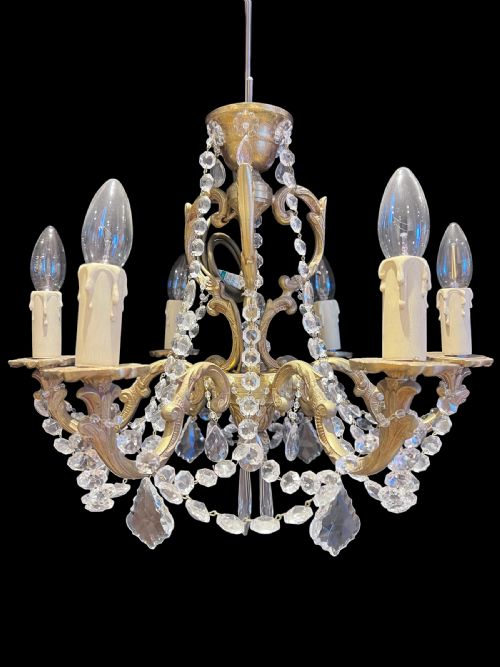
- A chandelier style featuring strings of beads gathered in a tent shape at the top cascading down into a wider bowl or ring of lights. This configuration maximises crystal sparkle.
- Lustre
- A cut-glass pendant or drop hung from a chandelier to reflect and refract light. These are often faceted in pear, icicle, or button shapes.
French Ceiling Pendant: Frequently Asked Questions
How do I hang a heavy brass chandelier?
These fixtures require secure fixing directly into ceiling joists or structural noggins using an appropriate steel hook and electrical box rated for the weight of the metal and glass.
Professional installation is recommended to ensure the wiring and ceiling support can safely bear the combined load of the frame and crystal components.
Are these lights compatible with modern wiring?
Most antique fixtures require professional rewiring to meet contemporary safety standards before installation in a modern home. Electricians can easily adapt the internal lampholders while preserving the exterior historic appearance.
Many pieces listed in archives have already been rewired for standard modern electrical supplies.
How do I clean crystal lustres safely?
Remove detachable glass drops and wash them in warm water with a mild dish soap, drying them immediately with a lint-free cloth to prevent water spots.
For elements fixed to the frame, wipe them carefully in place using a cloth dampened with a half-and-half mixture of isopropyl alcohol and distilled water.
What is the difference between a pendant and a plafonier?
A pendant hangs down from the ceiling on a chain, cord, or rigid stem, creating a suspended focal point in a room. A plafonier mounts directly against the ceiling surface.
Plafoniers suit rooms with lower ceilings where a hanging drop would obstruct movement, while pendants work best over dining tables or in high-ceilinged hallways.