

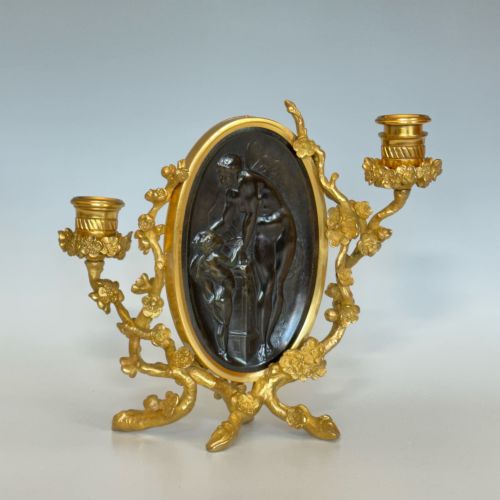
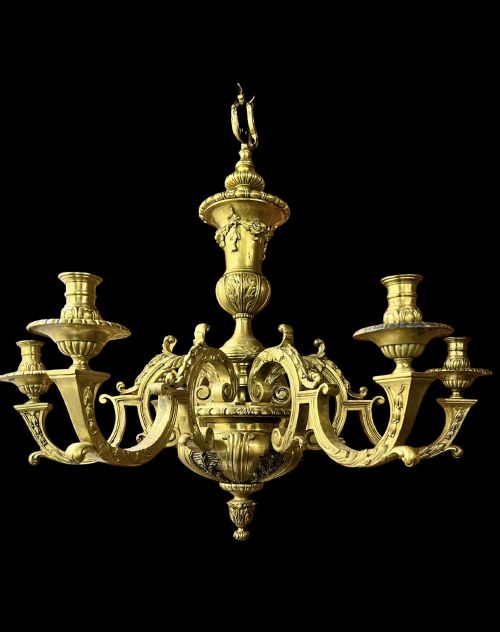


Classical Brass Candelabra
Classical brass candelabra bring structured candlelight and nineteenth-century formality to a room, cast in heavy metal and styled after ancient models.
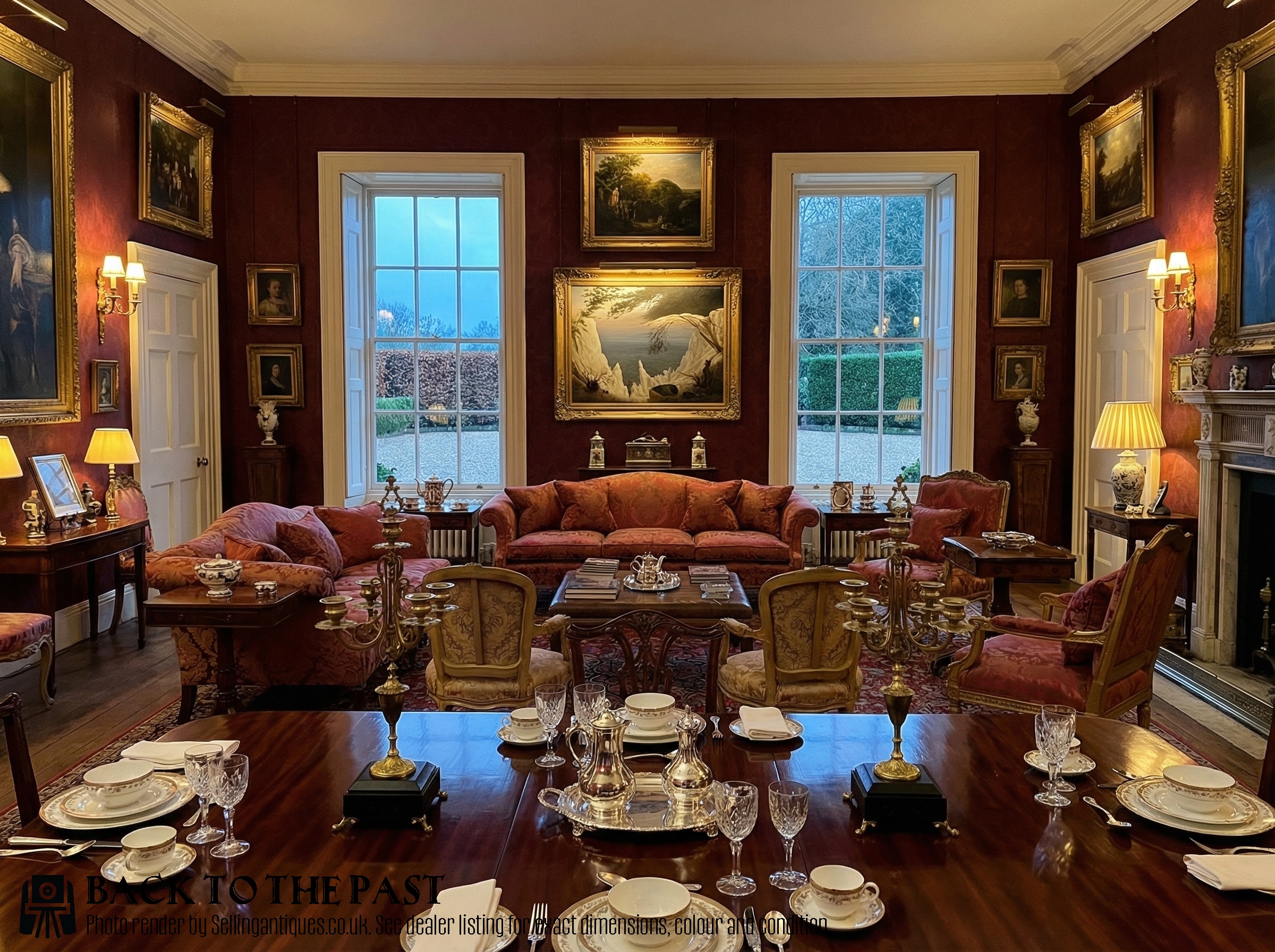
Classical Brass Candelabra
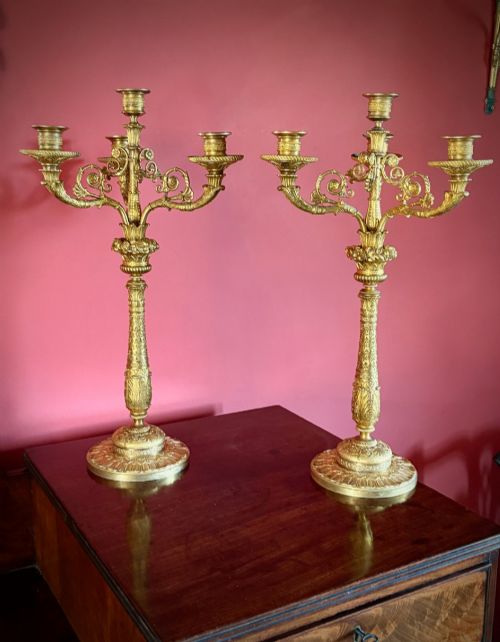
Classical brass candelabra are branch-formed lighting fixtures designed for tables, mantelpieces and sideboards during the nineteenth century. Buyers searching this phrase encounter matched pairs and single pieces shaped by French Empire, Victorian, Louis XVI and Neoclassical design influences.
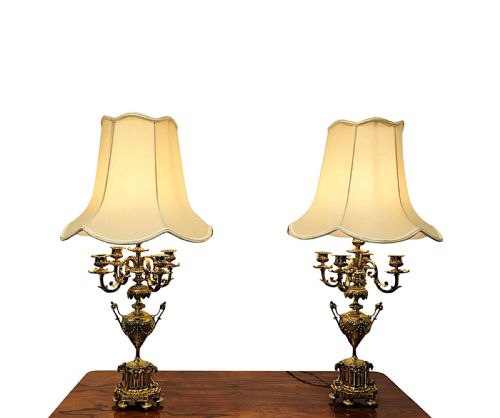
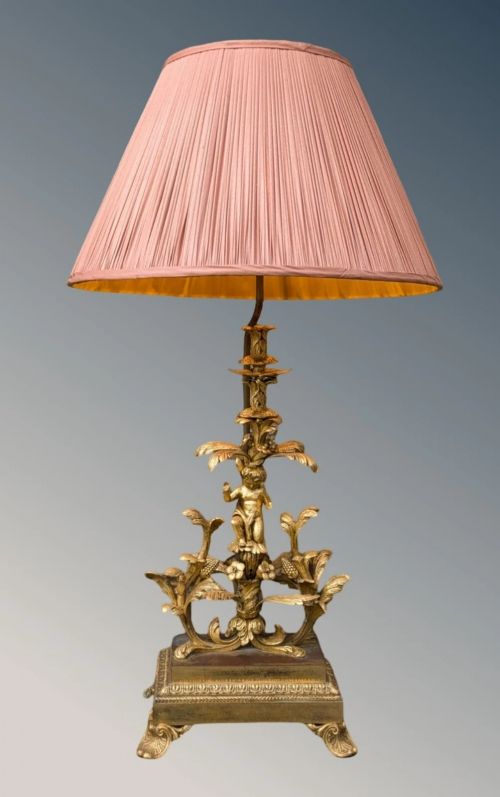
The selections span standard brass alongside gilded ormolu, gilt bronze and patinated metal often paired with marble or onyx bases. Forms include multi-armed branch structures, wall sconces and examples later adapted into table lamps.
Origin points cluster around nineteenth-century French and British workshops, encompassing distinct periods from the Regency era through to Edwardian interpretations of classical motifs.
How they were made
Makers utilised cast brass, bronze and ormolu, pouring molten metal into detailed moulds before hand-finishing the components with chisels and files. Ormolu pieces received a fine application of gold amalgam to achieve a bright, enduring metallic lustre.
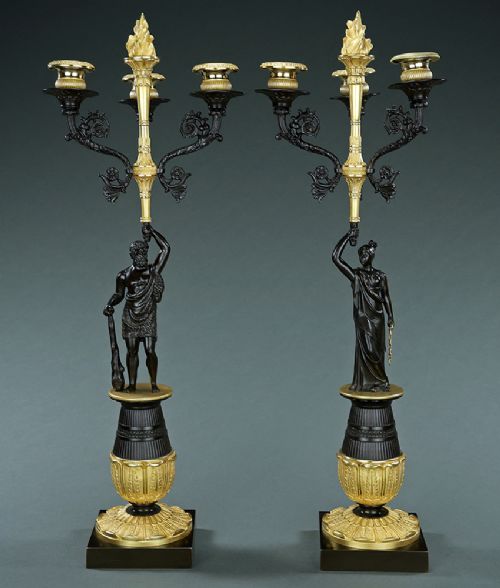
Structural elements frequently incorporated turned marble or onyx bases, anchoring the heavier metal branches securely. Patinated bronze surfaces were chemically treated to create dark, contrasting tones against gilded highlights.
Components were assembled using threaded rods and internal screws, allowing multi-branch candelabra to be dismantled for cleaning or maintenance.
Listings feature nineteenth-century items spanning the Regency, Victorian, and Edwardian eras, utilising brass, ormolu, marble, and patinated bronze.
What varies in quality
The crispness of the cast ornamentation dictates the upper tier of quality, where acanthus leaves, figures and drapery retain sharp, deep relief rather than soft outlines. Hand-chasing after casting separates superior examples from mass-produced commercial work.
The weight and purity of the base materials create a tangible distinction, with heavy bronze and solid ormolu outlasting lighter brass or plated metal alloys. Integration of genuine marble or onyx further elevates the substance of the piece.
Thiebaut Freres·Deniere Paris
The Classical Brass Candelabra Glossary
- Ormolu
- Gilded bronze produced by applying a mercury and gold mixture to a bronze base and firing it. This historic technique creates a rich, matte gold surface.
- Candelabra
- A branched candlestick holder designed to support multiple candles simultaneously. They often feature a central column flanked by symmetrical arms.
- Clock Garniture
- A matching decorative set comprising a mantel clock flanked by matching candelabra or urns. These displays were popular centrepieces for Victorian and French drawing rooms.
- Patinated Bronze
- Bronze treated with chemical solutions to darken the surface colour. This finish highlights bright gilt details by contrast.
- Neoclassical
- A revival style drawing inspiration from the art and architecture of classical antiquity. It favours symmetry, proportion and classical motifs such as urns and laurel wreaths.
Classical Brass Candelabra: Frequently Asked Questions
How do I clean nineteenth-century ormolu?
Dust gently with a soft brush and avoid all chemical polishes that strip the historic gold surface.
Applying moisture or abrasive agents will permanently damage the underlying bronze and its gilt layer.
Were these originally wired for electricity?
These pieces were built exclusively to hold wax candles during the nineteenth century.
Many surviving examples underwent conversion to table lamps in later decades to suit modern lighting needs.
How do I identify French Empire style?
French Empire pieces display militaristic symbols, classical figures, and crisp, heavy gilt bronze castings.
This aesthetic reflects the Napoleonic period's fascination with Roman and Greek antiquity.
Can converted candelabra be restored to candles?
Reverting a converted lamp back to a candelabra depends on whether the original wiring channel altered the central structure.
Professional assessment determines if the internal components can safely accommodate traditional wax illumination again.