



Classic Standard Lamp
A classic standard lamp brings height, presence and purposeful illumination to a room, drawing the eye upwards while anchoring the furniture group below it.
Classic Standard Lamp
A classic standard lamp is a tall floor-standing lighting fixture designed to illuminate a space without occupying table surface area. The pieces catalogued here span several decades, originating from the Victorian era through the Edwardian period and into the 1920s and 1930s.
Makers and designers drew from varied aesthetic traditions, producing pieces in Regency, Victorian Neoclassical, Italian Baroque, French Chateau, and Arts and Crafts styles. Buyers frequently select these lamps to complement period interiors or to introduce architectural height to a corner.
Materials and construction methods
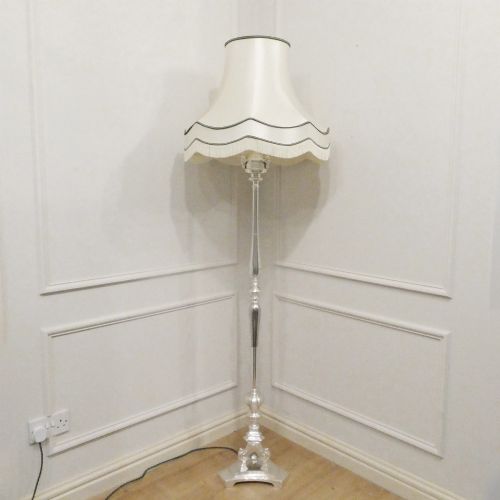
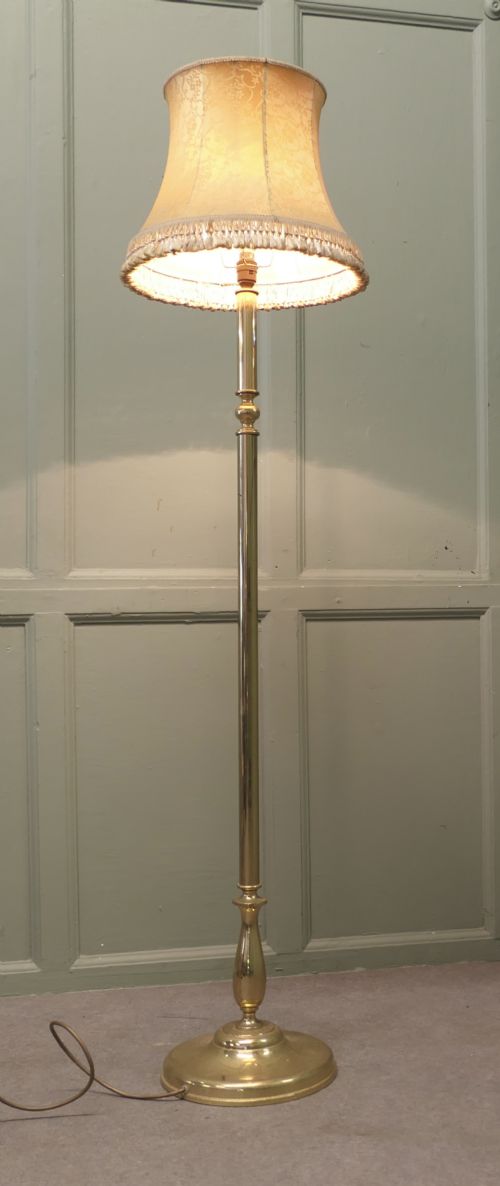
Metalworking formed the backbone of standard lamp production during the nineteenth and early twentieth centuries, with brass dominating the record. Cast components, spun metal bases, and fluted columns were assembled using threaded rods or brazed joints to achieve stability and height.
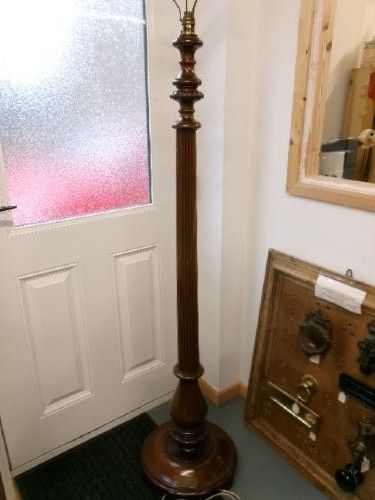
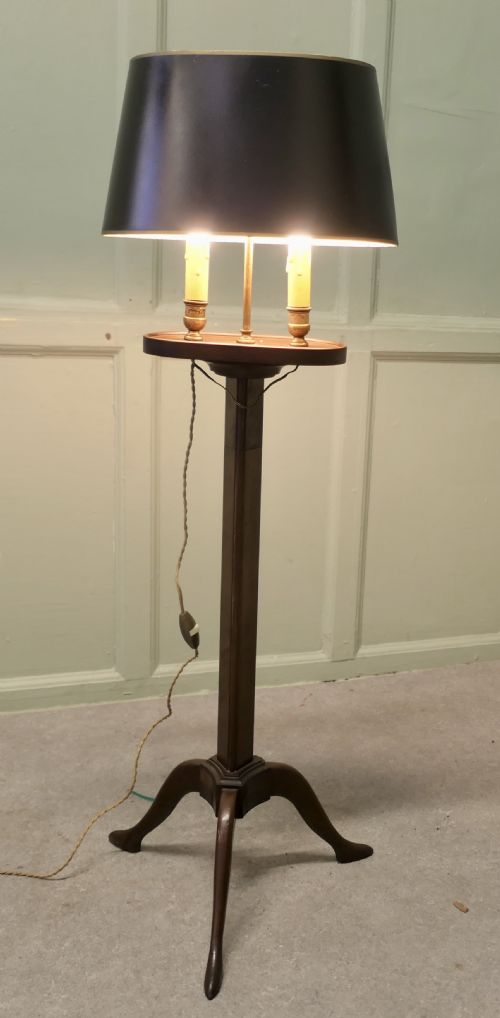
Timber examples rely on traditional cabinet-making techniques, utilising turned mahogany or carved giltwood to shape the vertical shaft. Wood standards often feature weighted bases or tripod supports to counterbalance the height of the fixture and any attached shade.
Classic Standard Lamp Retail Price Guide 2026
Typical asking prices for classic standard lamp among the pieces listed under this phrase on Sellingantiques today, from the lower quarter to the upper quarter. They describe what is for sale here now, not the wider market.
Listings feature standard lamps spanning the Victorian, Edwardian, and Art Deco periods, predominantly constructed from brass, mahogany, and giltwood.
Distinctions in quality
Quality in a classic standard lamp rests on the weight and integrity of its materials, distinguishing heavy cast brass or dense solid mahogany from lighter, pressed alloys or hollow tubing. Substantial metal thickness ensures the telescopic mechanism operates smoothly without lateral wobble.
Detailing and finishing set superior examples apart from standard utility items. Crisp acanthus leaf carvings on wood, sharply defined fluting on brass columns, and well-executed joinery indicate skilled workshop production rather than mass output.
The Classic Standard Lamp Glossary
- Telescopic
- A shaft design containing nested sliding sections that allow the overall height of the lamp to be adjusted. This mechanism often uses a thumb screw or collar to lock the standard at the desired elevation.
- Corinthian Column
- A classical architectural column style featuring an ornate capital decorated with acanthus leaves. Many brass floor lamps adopt this specific motif for the upper portion of the standard.
- Standard Lamp
- A traditional British term for a floor lamp, describing a tall vertical post designed to support a light fitting and shade at reading height.
- Giltwood
- Timber, commonly carved gesso on wood, covered with a thin layer of gold leaf or metallic gilt finish. This material appears frequently on pieces influenced by Baroque or decorative continental styles.
Classic Standard Lamp: Frequently Asked Questions
How do I adjust a telescopic standard lamp?
Telescopic lamps typically feature a central locking collar or screw located near the upper portion of the shaft. Loosening this mechanism allows the inner tube to slide up or down to the desired height.
Care should be taken to support the weight of the fitting and shade with one hand while adjusting the height with the other to prevent sudden slips.
Are these lamps wired for modern sockets?
Many antique and vintage standard lamps have undergone rewiring at various points in their history to comply with modern electrical standards. Buyers should inspect the internal wiring and plug type upon receipt to ensure suitability for current safety regulations.
Professional rewiring is straightforward for a qualified electrician if the existing cord or lampholder requires updating.
Where should I place a standard lamp?
Standard lamps perform well positioned beside armchairs, sofas, or in darker corners of a room where table lamps provide insufficient reach. Their height allows them to cast ambient light across a wider seating area.
Consider proximity to a wall socket to avoid trailing long lengths of flex across floorboards.
How do I identify a Victorian brass lamp?
Victorian brass lamps frequently display heavy cast components, stepped square or circular weighted bases, and classical revival motifs such as fluted columns or Corinthian capitals. The patination on the brass tends to show deep, natural oxidation accumulated over decades.
Evidence of hand-finished turning and assembly methods further distinguishes pieces from later twentieth-century reproductions.