



Classic Red Persian Carpet
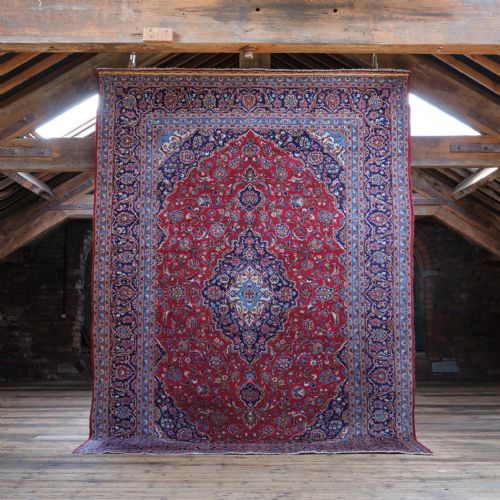
A classic red persian carpet brings centuries of knotting skill into a room, offering enduring warmth and geometric precision.
Classic Red Persian Carpet
A classic red persian carpet is a floor covering originating from various regional weaving traditions across Persia, spanning village, tribal and city workshops. These textiles serve as both functional floor coverings and intricate works of textile art.
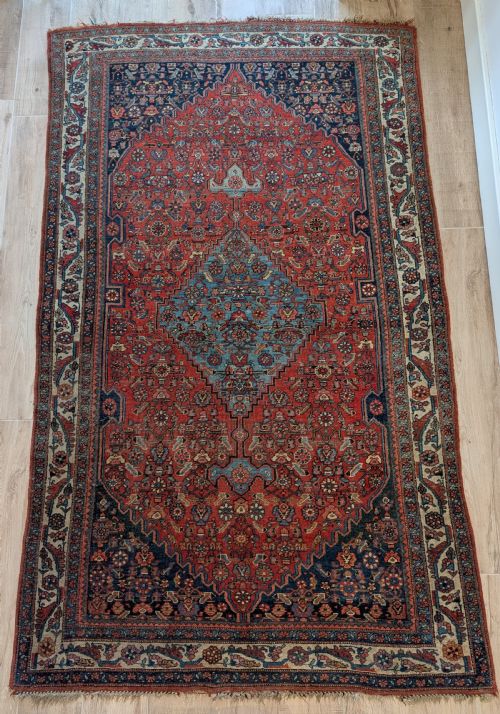
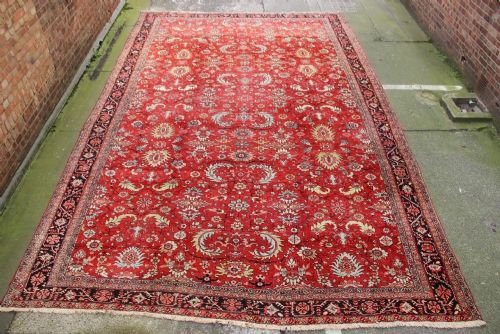
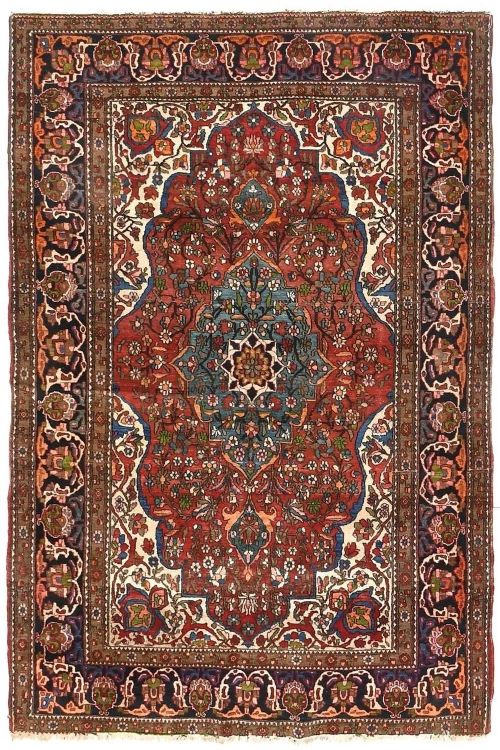
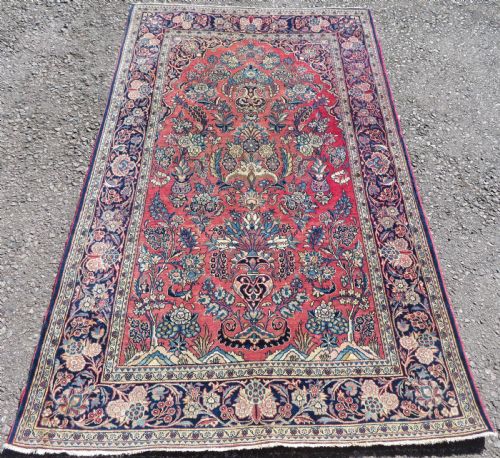
Buyers exploring this selection encounter pieces originating primarily between the late nineteenth century and the mid twentieth century. Heriz, Kashan, Isfahan and Tabriz carpets dominate the available forms, alongside tribal rugs such as Baluch and Qashqai.
The format ranges from small area rugs to room-sized carpets and long runners suitable for staircases. Most examples feature traditional medallion or all-over floral designs anchored by deep red and rust grounds.
How they were made
The construction of these floor coverings relies on hand-knotted techniques using natural materials such as wool, cotton foundation threads and occasional goat hair. Weavers tie individual knots onto warp and weft threads, creating a dense and resilient pile.
Dyeing methods utilise natural dyes derived from plants and minerals, producing rich reds, rust tones and contrasting ivory grounds that age gracefully. The structural integrity depends upon tight cotton or wool foundations supporting the hand-knotted pile.
Classic Red Persian Carpet Retail Price Guide 2026
Typical asking prices for classic red persian carpet among the pieces listed under this phrase on Sellingantiques today, from the lower quarter to the upper quarter. They describe what is for sale here now, not the wider market.
Listings feature traditional Persian styles including Heriz, Kashan, Isfahan, Tabriz, and Baluch tribal rugs.
What varies in quality
Knot density and structural precision determine the refinement of the weaving, influencing how sharply curved motifs and intricate floral lines resolve across the field. Higher quality city carpets often exhibit finer, more complex medallion layouts compared to coarser tribal village pieces.
The condition of the wool pile and the integrity of the original selvedges and ends dictate the preservation state. Uniform pile height and minimal restoration separate top tier decorative examples from heavily worn specimens.
Ziegler And Co
The Classic Red Persian Carpet Glossary
- Medallion
- A central ornamental design motif found in the middle of the carpet field. This focal element often anchors the surrounding floral or geometric patterns.
- Pile
- The vertical or slanted upright yarn forming the textured surface of the carpet. This layer is created by the cut ends of knots tied onto the foundation.
- Warp
- The stationary vertical foundation threads running parallel from one end of the carpet to the other. Wefts are woven across these structural threads.
- Weft
- The horizontal threads passed through the warp threads to hold the knots in place. Together, warp and weft form the grid foundation.
- Selvedge
- The reinforced side edges of a carpet formed by wrapping or binding the outermost warp threads. This prevents the edges from fraying.
Classic Red Persian Carpet: Frequently Asked Questions
How do I identify a Heriz carpet?
Heriz carpets typically display bold, geometric central medallions and sturdy structures woven with thick wool yarns. Their designs often incorporate angular floral motifs rather than flowing curvilinear lines.
Originating from the Heris district, these heavy room-sized carpets are built for durability and possess a distinct village aesthetic that contrasts with finer city workshops.
What is a Baluch main carpet?
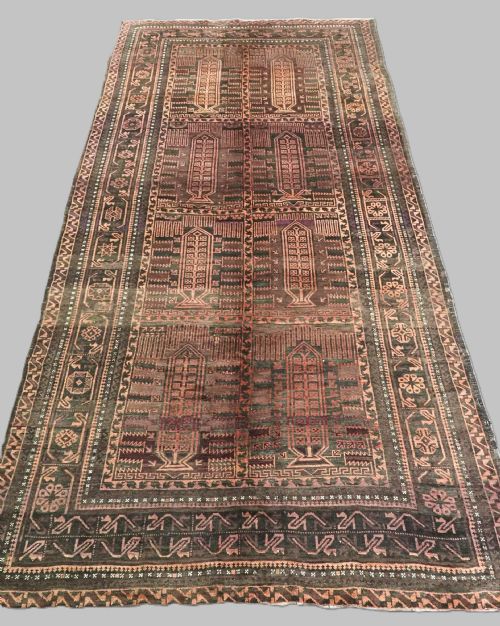
Baluch main carpets are tribal textiles produced by nomadic or semi-nomadic groups in the borderlands of Persia and surrounding regions. They frequently feature prayer designs or repeating pencil box patterns.
These rugs generally utilise dark colour palettes, incorporating deep reds, browns and blues alongside goat hair and wool materials in their construction.
How should I clean an antique rug?
Antique wool rugs require gentle maintenance, avoiding harsh mechanical washing or modern chemical detergents that strip natural lanolin from the fibres. Professional specialist cleaning remains the safest method for preserving older textiles.
Regular careful vacuuming without a rotating beater bar helps prevent dust accumulation in the pile without stressing the antique foundation threads.
How do I date an old persian carpet?
Dating relies on examining structural characteristics, dye palettes, material wear patterns and stylistic conventions associated with specific manufacturing periods. Nineteenth-century examples often display subtle vegetable dye variations and softer handspun wool textures.
Comparing knot styles and regional designs against documented historical pieces helps narrow down the approximate decade of production.