


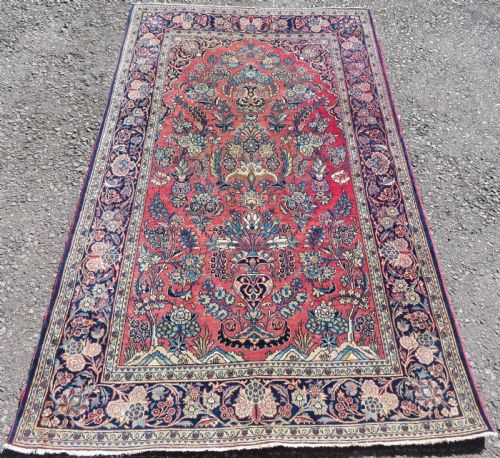


Classic Persian Wool Carpet
A classic persian wool carpet brings centuries of textile tradition into a room, offering dense pile and intricate medallion or floral motifs.
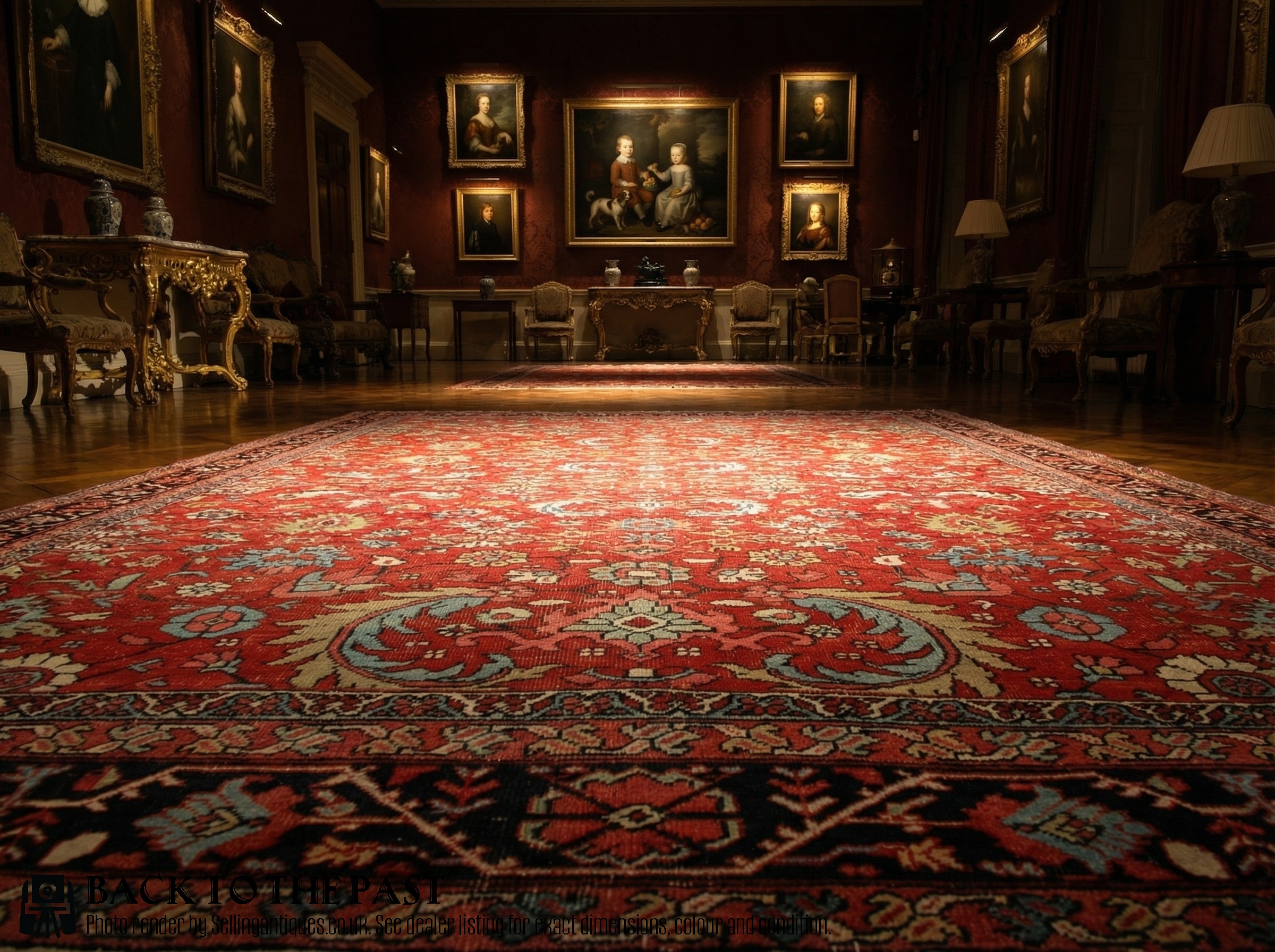
Classic Persian Wool Carpet
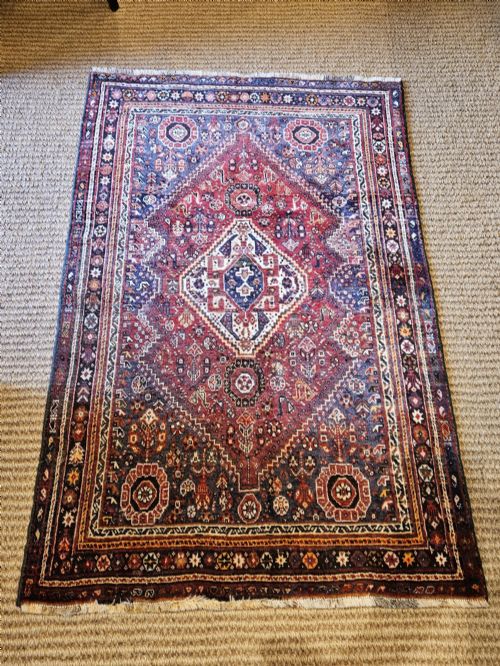
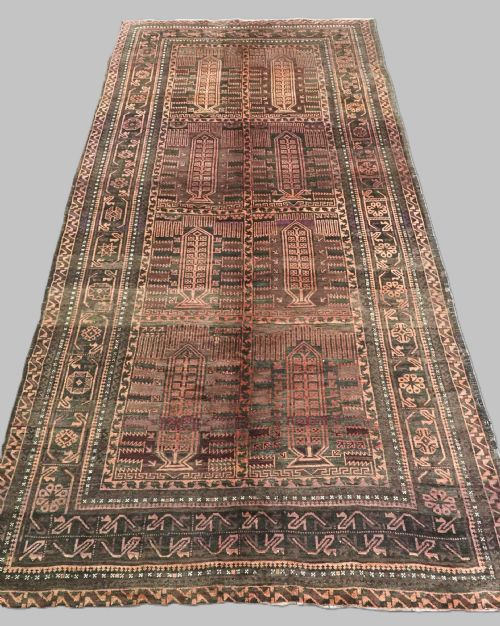
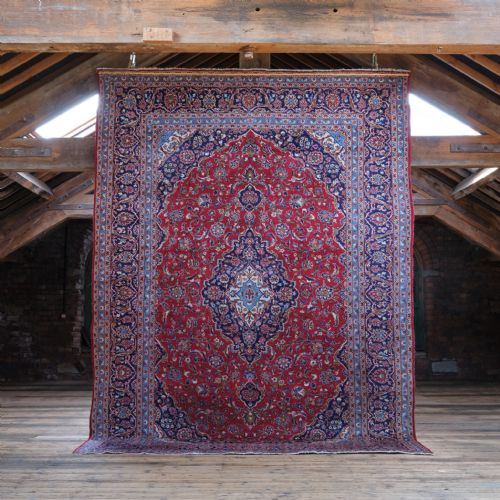
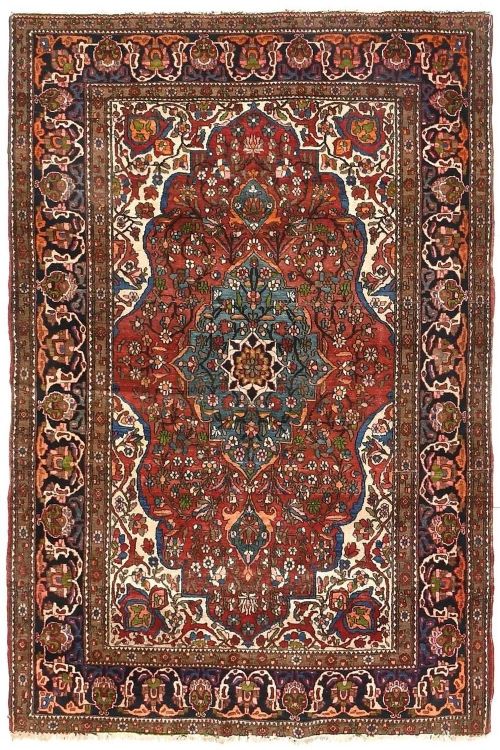
A classic persian wool carpet encompasses hand-knotted floor coverings originating from weaving centres across Persia, spanning the late nineteenth and early twentieth centuries. These textiles arrive in various formats, from large room-sized carpets and area rugs down to runner dimensions and specific tribal weaves.
The most common examples on this page date from the decades around nineteen hundred, including named regional types like Heriz, Kashan, Tabriz, Isfahan and Mahal carpets. Buyers encounter both city workshop productions featuring refined floral schemes and sturdier village or tribal pieces with geometric patterns.
How they were made
Makers constructed each classic persian wool carpet using a foundation of cotton warps and wefts, onto which they hand-knotted wool pile by hand. Natural dyes provide the underlying palette, while occasional structural details incorporate goat hair.
Weavers tied either symmetric or asymmetric knots depending on the regional workshop tradition, securing the rows with sturdy horizontal weft threads. Dense knotting accounts for the longevity of these floor coverings and the sharp definition of their traditional motifs.
One village rug on this page records twenty-one individual birds woven directly into its traditional design.
What varies in quality
Knot density and the precision of the design execution dictate the upper tiers of quality, separating fine city workshops from simpler village output. Finer carpets display crisp floral curves and highly detailed medallion work.
The condition of the pile and the integrity of the original wool foundation determine how well a piece has survived decades of foot traffic. Richness of natural dye colour and minimal intervention in historical repairs also distinguish superior examples.
Ziegler and Co
The Classic Persian Wool Carpet Glossary
- Pile
- The upright yarn loops that form the soft surface of a carpet. This layer takes the wear of footsteps and reveals the woven pattern.
- Warp
- The vertical threads stretched tightly on the loom before knotting begins. These parallel strands form the structural backbone of the carpet.
- Weft
- The horizontal threads passed across the warp strands between rows of knots. They bind the knots firmly into place and stabilise the fabric.
- Medallion
- A large central ornamental design motif placed in the middle of the carpet field. Traditional weavers often surrounded this focal point with intricate corner spandrels.
- Natural dye
- Colouring matter extracted from plants, insects or minerals rather than synthetic compounds. These substances yield complex tones that age gracefully over time.
Classic Persian Wool Carpet: Frequently Asked Questions
How do I identify a Heriz carpet?
Heriz carpets typically feature a bold geometric central medallion flanked by striking corner pieces, woven with robust wool on cotton foundations. Their distinctive palette often incorporates deep terracotta, navy blue and ivory.
These village carpets were built for durability in northern Persia, resulting in a heavier handle compared to finer city workshop productions from Isfahan or Kashan.
Where should I place a large room size carpet?
Large room size carpets suit principal living spaces, dining rooms or studies where furniture can sit comfortably upon the field. They anchor the layout of a room and protect underlying wooden flooring.
Ensure the dimensions leave a consistent border of exposed floor around the edges to frame the textile properly within the interior.
What is a runner used for?
Runners serve narrow spaces such as hallways, corridors and staircases where standard rectangular rugs are too wide. They guide movement through a home while adding warmth and sound insulation to high-traffic thoroughfares.
Historical examples often display repeating geometric or floral repeat patterns designed to draw the eye along the length of the passage.
How can I tell the age of these carpets?
Dating relies on stylistic markers, structural characteristics, dye types and the overall wear patterns observed across the piece. Late nineteenth and early twentieth-century examples display characteristic regional palettes and knotting techniques that shift over successive decades.
Comparing the wool quality, border motifs and colour saturation against dated comparables helps narrow down the period of manufacture.