

Traditional Red Wool Carpet
A traditional red wool carpet brings warmth and deep pattern to a room, drawing on decades of weaving heritage from Persia, the Caucasus, and Anatolia.
Traditional Red Wool Carpet
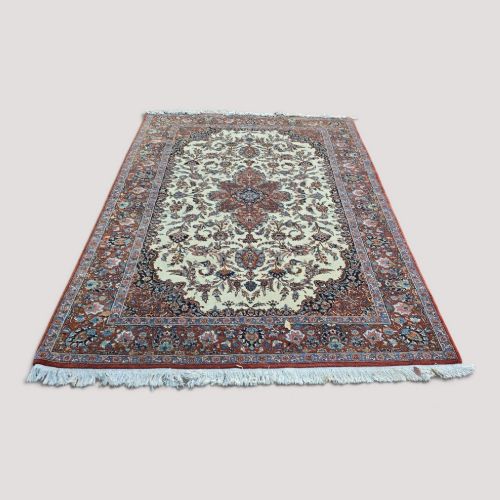
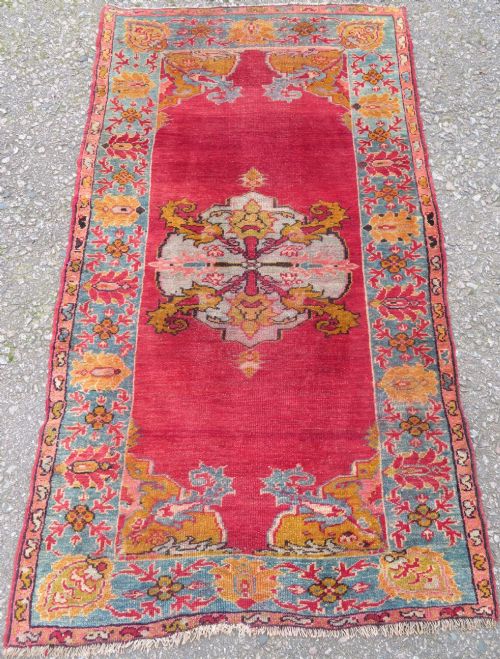
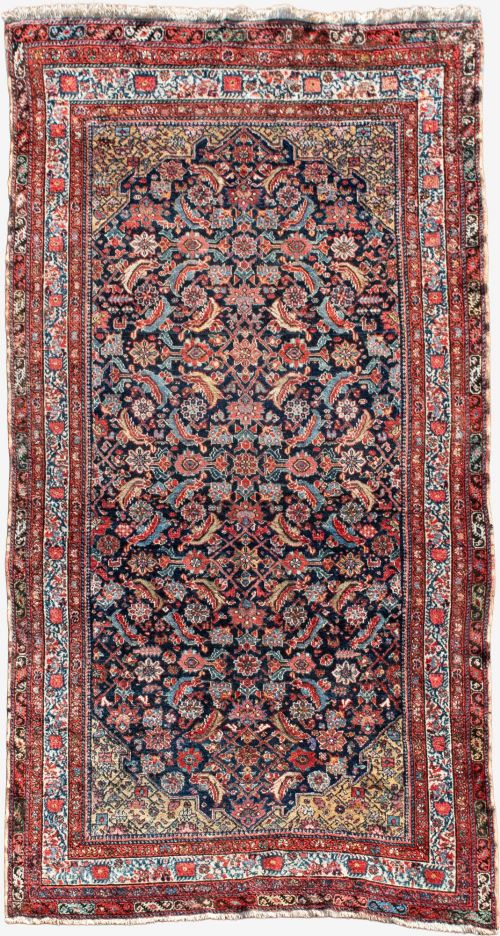
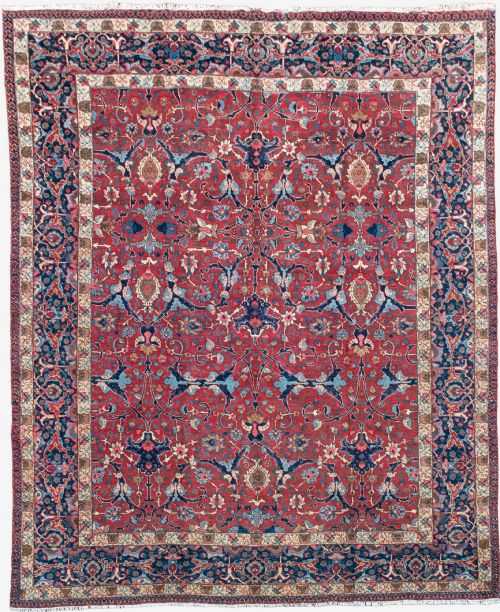
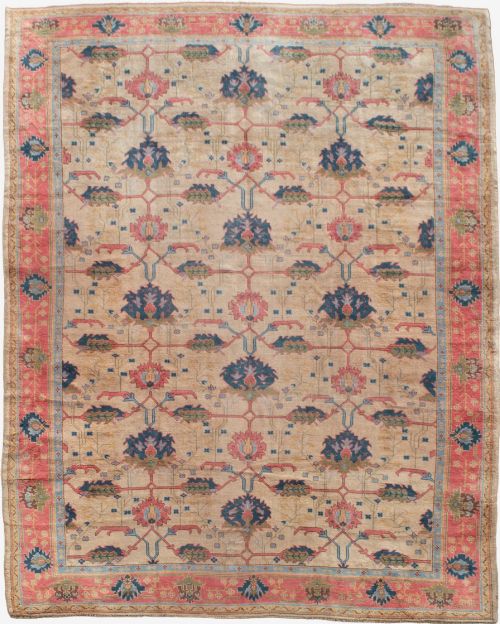
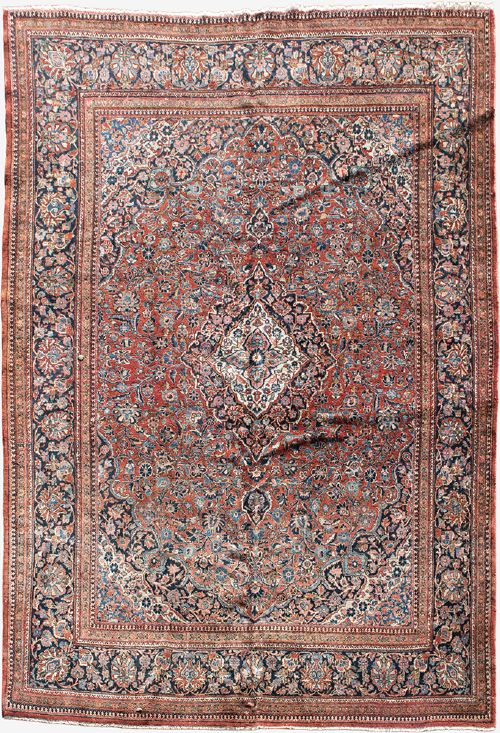
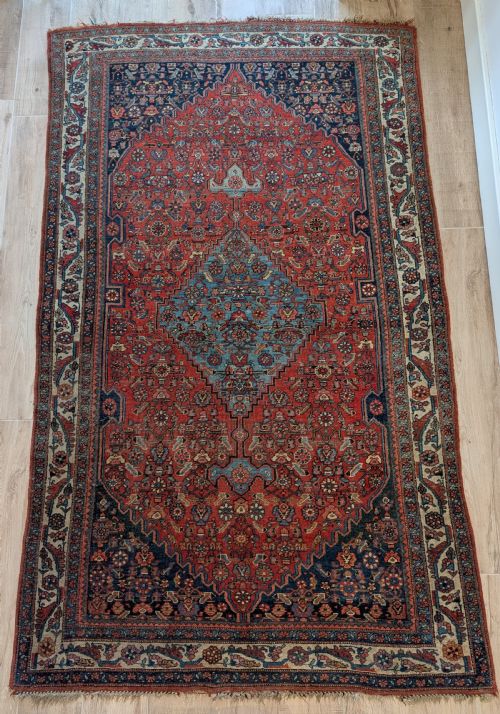
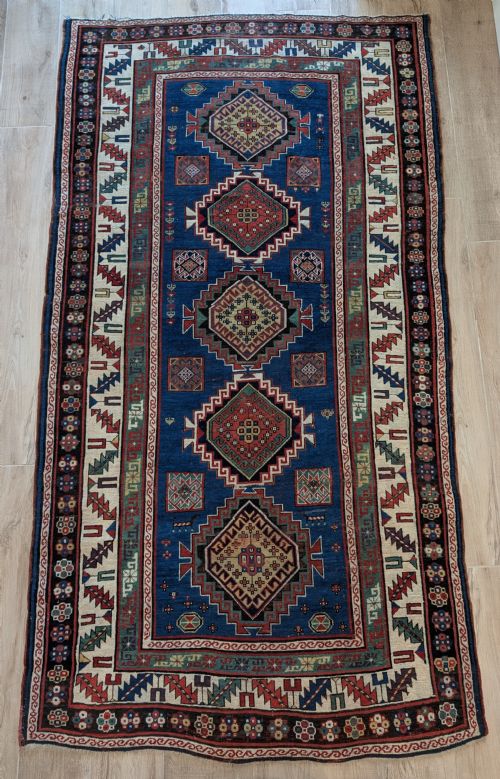
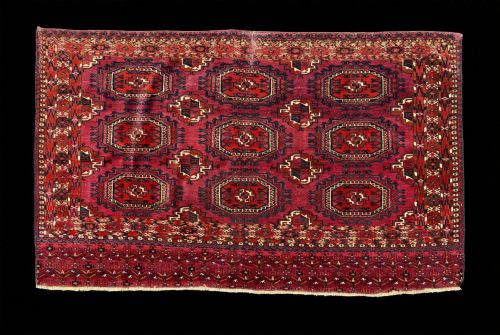
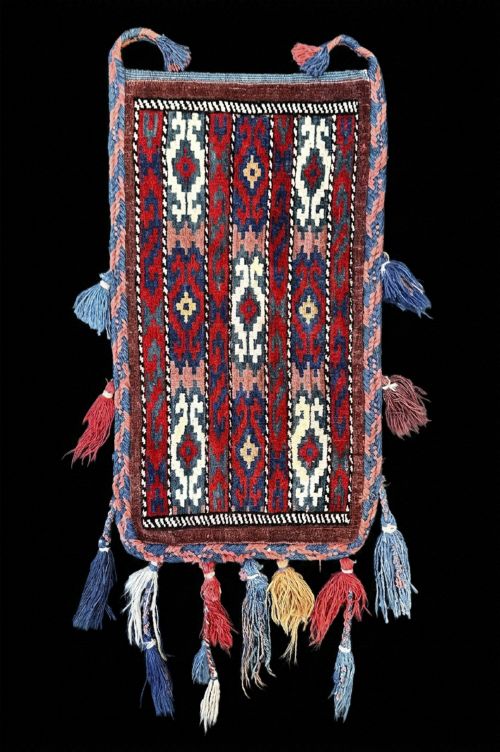
A traditional red wool carpet embodies centuries of textile tradition, spanning major weaving regions including Persia, the Caucasus, and Anatolia. When searching this phrase, buyers encounter hand-knotted room-sized carpets, smaller area rugs, and narrow runners dating from the nineteenth century into the early twentieth century.
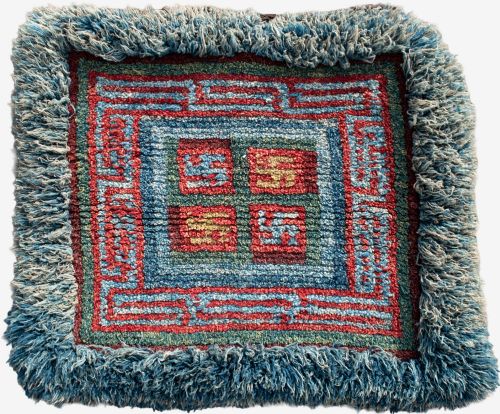
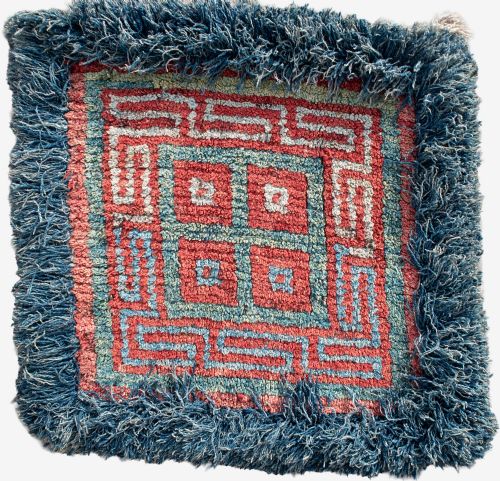
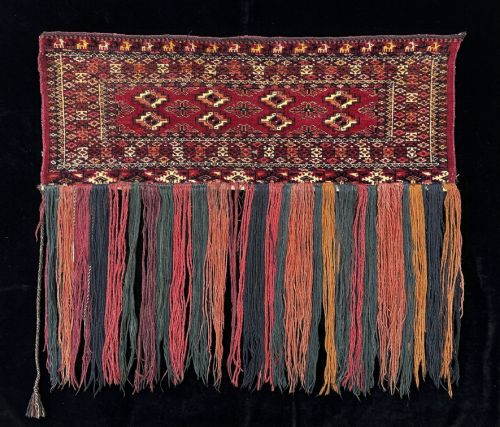
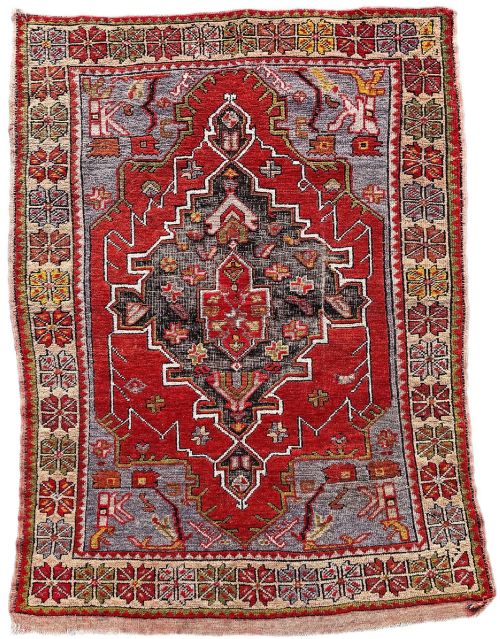
The pieces on this page originate from distinct tribal and village workshops, displaying regional designs such as Heriz, Kazak, Tabriz, and Ersari patterns. Most examples rely on deep crimson, rust, and madder red grounds contrasted with indigo, ivory, and brown secondary tones.
How they were made
Weavers constructed these carpets using natural wool, occasionally incorporating hand-spun yarn and cotton foundations alongside occasional silk highlights. Artisans dyed the fleece using natural dyes derived from plants and minerals, creating rich variations in tone across the pile.
Knotted by hand on vertical or horizontal looms, these textiles required months of work by individual makers. The resulting dense pile protects the foundation threads while allowing the intricate geometric and floral motifs to hold their definition over generations of use.
Traditional Red Wool Carpet Retail Price Guide 2026
Typical asking prices for traditional red wool carpet among the pieces listed under this phrase on Sellingantiques today, from the lower quarter to the upper quarter. They describe what is for sale here now, not the wider market.
Weavers occasionally wove tiny intentional asymmetries into tribal carpets to ward off the evil eye and respect perfection as the sole domain of the divine.
What varies in quality
Quality in these carpets rests upon knot density, the clarity of the design drawing, and the depth of the dye work. Tightly packed knots create a firmer handle and sharper pattern edges, whereas looser weaves produce softer, more pliable textiles with broader motifs.
The integrity of the wool and the vibrancy of the natural dyes dictate the longevity and visual richness of the piece. Finer examples maintain crisp symmetry in their tribal or classical medallions and balanced abrasash in the field colours.
The Traditional Red Wool Carpet Glossary
- Abrasash
- Natural colour variation within a single field of wool, caused by changes in dye batches or hand-spun yarn lots. This subtle tonal shift adds characteristic depth to antique carpets.
- Mihrab
- The arched design motif found on prayer rugs, representing the niche in a mosque wall that points toward Mecca. Weavers often position this architectural element at one or both ends of small tribal rugs.
- Soumak
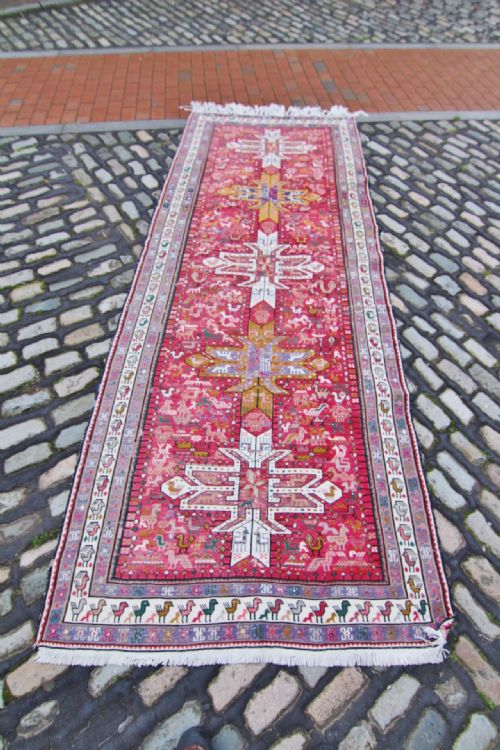
- A flat-weaving technique where decorative coloured weft threads wrap around the warp threads without creating a cut pile. This method produces a durable structure with a smooth face and textured reverse.
- Warp
- The vertical foundation threads stretched tightly on the loom before knotting begins. The exposed fringe at either end of a finished carpet consists of these parallel threads.
- Weft
- The horizontal threads passed back and forth between warp threads to bind the knots in place. In traditional carpets, these threads cross the width of the rug after every row of knots.
Traditional Red Wool Carpet: Frequently Asked Questions
How do I care for an antique wool carpet?
Vacuum gently without using a rotating brush roll to protect the fragile wool pile and ancient foundation threads. Professional cleaning by a specialist in antique textiles prevents dye bleeding and fibre damage.
Rotate the carpet periodically to ensure even wear patterns from foot traffic and sunlight exposure. Placing a quality underlay beneath the rug prevents slipping and cushions the weave against hard flooring.
Where were these traditional carpets made?
These carpets originate from traditional weaving centres across Persia, the Caucasus, and Anatolia, including towns like Tabriz, Heriz, and Isfahan. Nomadic and village tribes in Turkmenistan and the surrounding regions also produced distinctive rugs.
Each weaving group utilised local motifs, traditional knotting structures, and specific dye palettes unique to their geography. This regional diversity creates distinct visual styles across different tribal groups and city workshops.
What is the difference between a runner and a carpet?
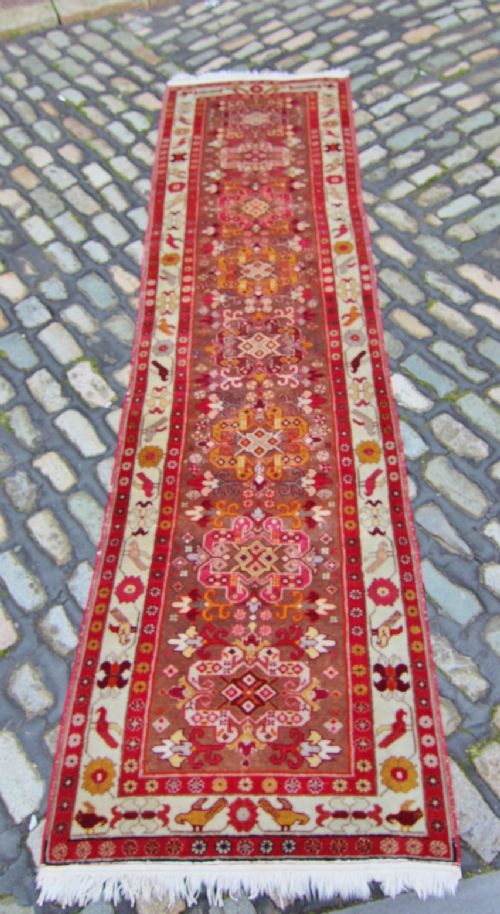
Runners feature an elongated, narrow format designed specifically for hallways, corridors, and staircases. Their proportions focus on repeating geometric or medallion borders rather than large central fields.
Carpets and area rugs offer broader rectangular dimensions suited for centring beneath furniture in living rooms or dining spaces. These larger formats showcase expansive medallion designs and detailed field patterns.
How can I tell the age of a wool carpet?
Age is indicated by the type of wool, the presence of natural dyes, and the construction methods visible on the reverse of the carpet. Older pieces from the nineteenth century often display irregular knotting and organic colour variations.
Stylistic elements, such as specific tribal border motifs and archaic medallion structures, help narrow down the period of production. Comparing the weave density and material handling to documented examples provides further chronological context.