


Traditional Kerman Carpet
A traditional kerman carpet brings centuries of Persian weaving heritage into a room, offering dense floral patterns and lasting wool pile.
Traditional Kerman Carpet
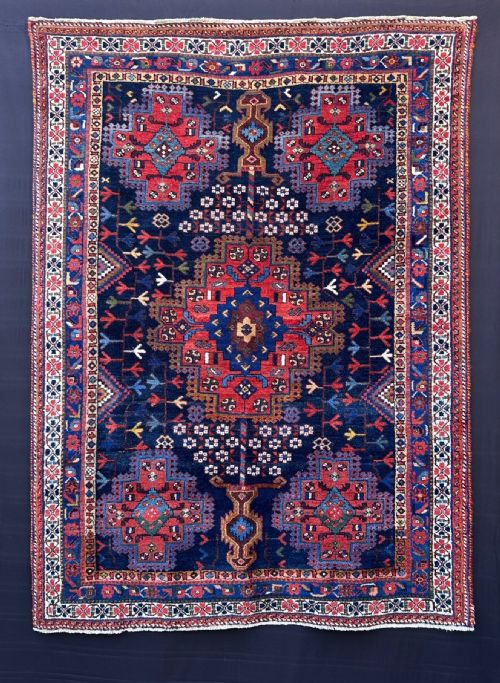
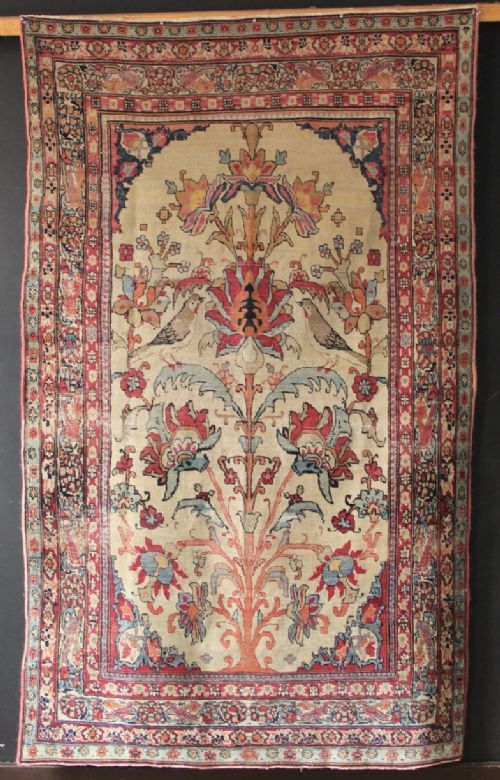
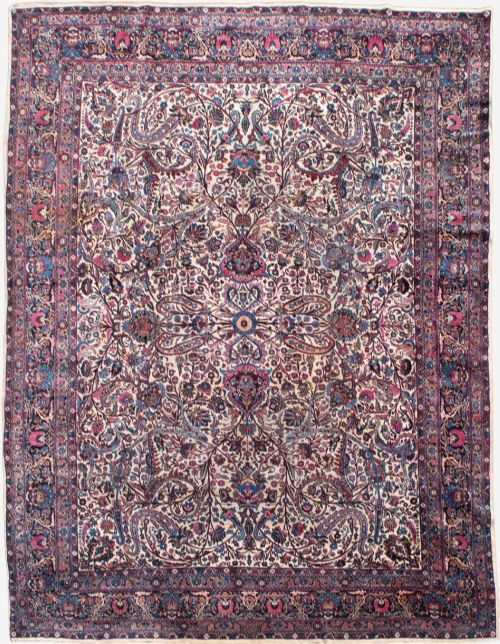
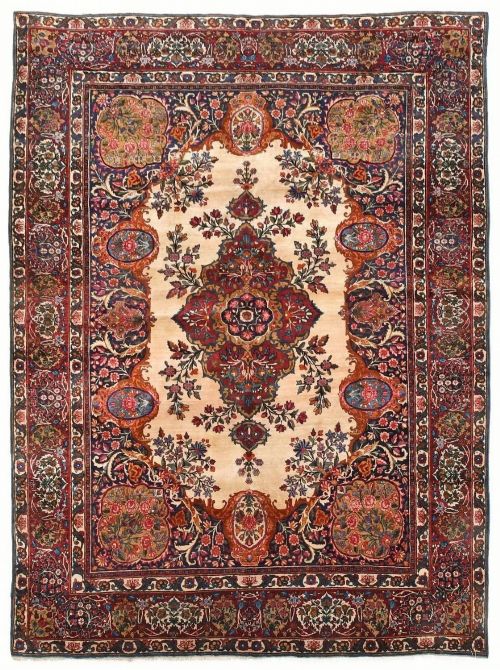
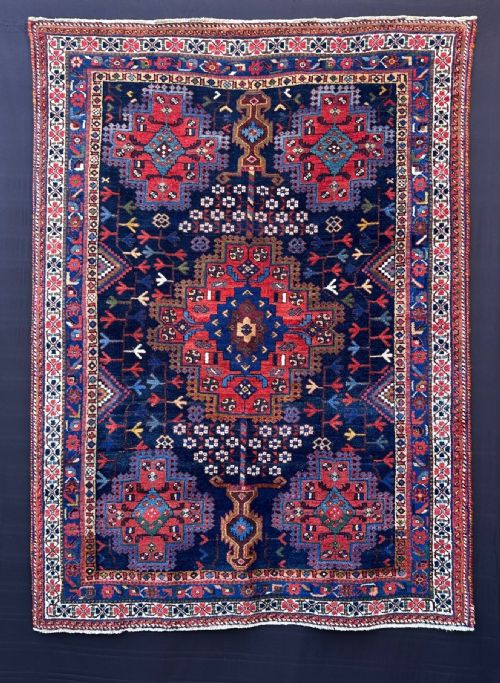
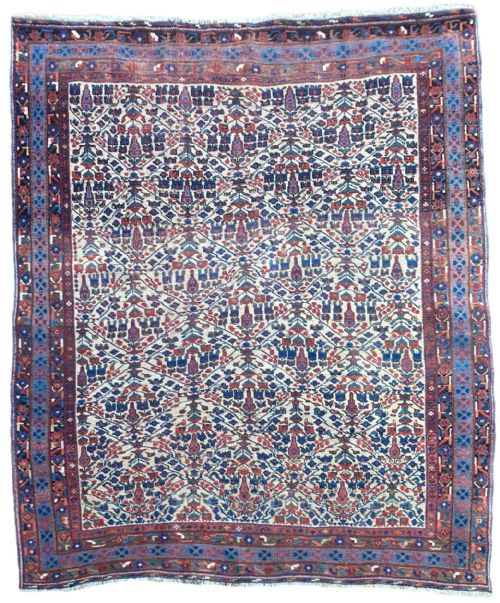
When you search for a traditional kerman carpet, you are looking at floor coverings originating from the Kerman province of Persia, including pieces attributed to regional makers such as the Afshar tribe in the Neiriz region. These textiles span various scales, from intimate area rugs to exceptionally large room-size carpets and long runners.
The selections encountered here represent periods stretching from the late nineteenth century through to the mid-twentieth century. Persian styles dominate the offering, ranging from traditional designs to tribal compositions and specific Kirman Lavar variants.
What varies in quality
The fineness of the knotting largely determines the precision of the botanical and geometric motifs woven into the wool pile. Scale also distinguishes the pieces, separating standard scatter rugs from room-size carpets and oversized formats requiring immense labour.
Listings feature cotton and wool textiles spanning the nineteenth and twentieth centuries.
The Traditional Kerman Carpet Glossary
- Pile
- The vertical or slanted soft fibres that form the usable surface of the carpet. This element is sheared from wool to provide comfort underfoot.
- Warp
- The stationary longitudinal threads held under tension on a loom. Foundation cotton warps support the weight of the knotted wool.
- Weft
- The horizontal threads passed across and interlaced through the warp. These transverse strands bind the rows of knots securely together.
- Boteh
- A stylised floral or almond-shaped motif with a curved upper end. This traditional pattern appears repeatedly across Persian weaving.
Traditional Kerman Carpet: Frequently Asked Questions
How do I clean a kerman carpet?
Professional dusting and specialist immersion washing preserve the integrity of wool pile and cotton foundations. Regular gentle vacuuming without a beater bar removes surface grit.
Harsh chemical treatments and excessive moisture weaken the natural fibres over time. Consult a textile conservator for specific maintenance advice.
Where were these carpets made?
These textiles originate from the Kerman province in southern Persia, an established historic centre for rug production. Certain pieces emerge from the surrounding Neiriz region and neighbouring Afshar tribal areas.
Urban workshops in Kerman city produced finely detailed floral room-size carpets. Regional weavers created distinct tribal rugs with geometric character.
Are these rugs suitable for high traffic?
Wool pile combined with a sturdy cotton foundation offers natural resilience against regular wear. Room-size carpets and runners distribute foot pressure across substantial floor areas.
Placing an appropriate underlay beneath the textile prevents lateral sliding and reduces internal fibre friction. This simple step extends the functional lifespan of the rug.
How do I date a kerman carpet?
Structural analysis of the knotting, edge finishes, and foundation materials helps narrow down the period of manufacture. Stylistic shifts between late nineteenth-century room-size examples and mid-twentieth-century vintage pieces offer further chronological clues.
Natural dye palettes often indicate earlier production dates before synthetic alternatives gained widespread adoption. Comparative examination of design motifs confirms regional origins.