
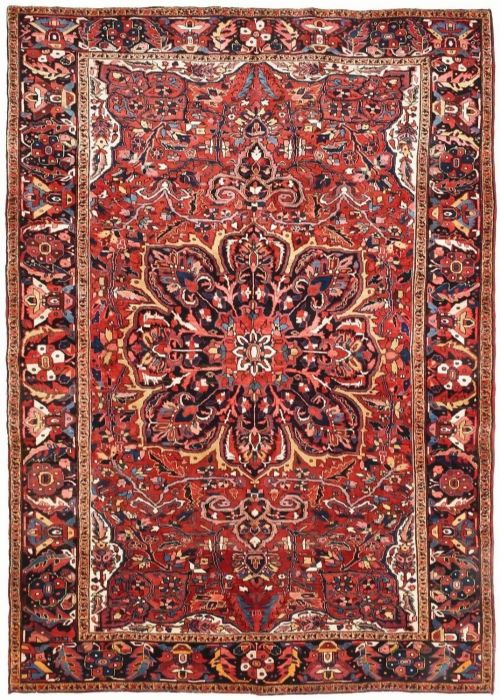
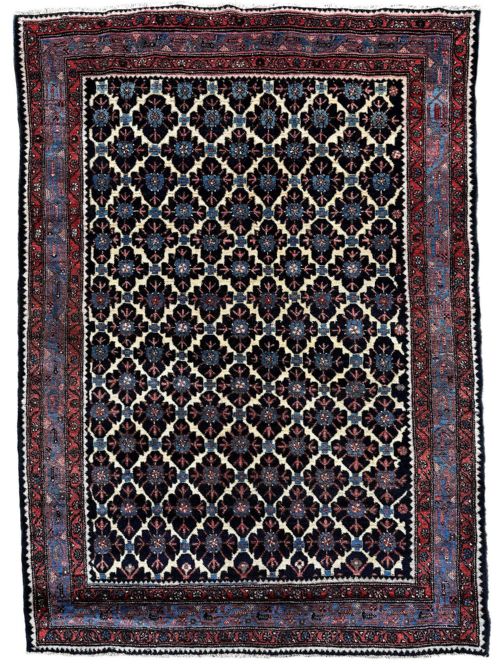


Geometric Floral Area Rug
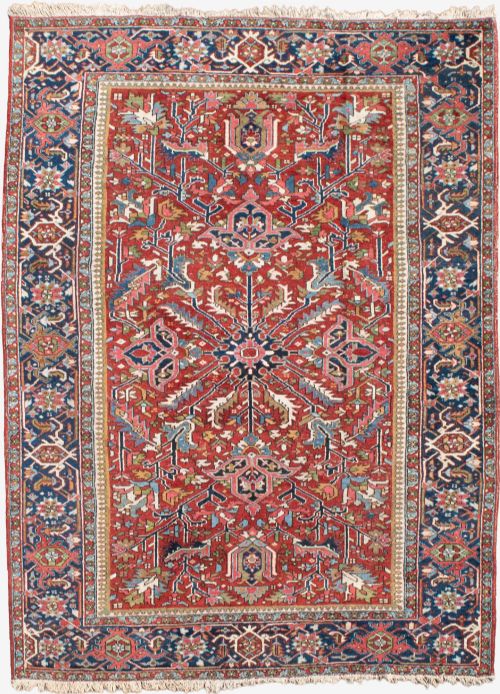
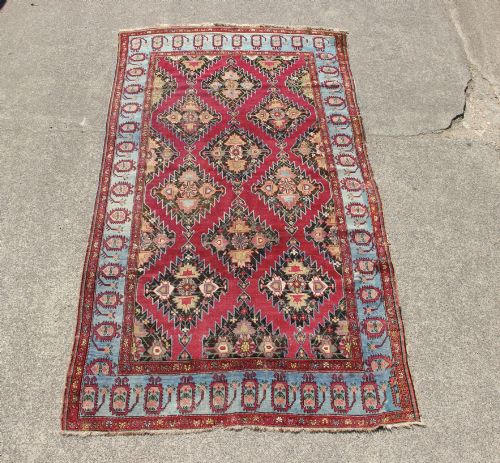
A geometric floral area rug brings structure and botanical ornament together on the floor through traditional Persian and Caucasian weaving.
Geometric Floral Area Rug
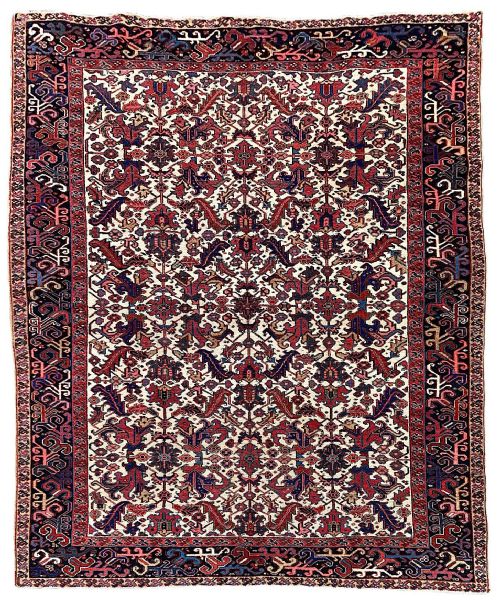
When someone searches for a geometric floral area rug, they encounter knotted wool and cotton floor coverings that unite rigid angular motifs with botanical patterns. These pieces span production from the late nineteenth century into the early twentieth century.
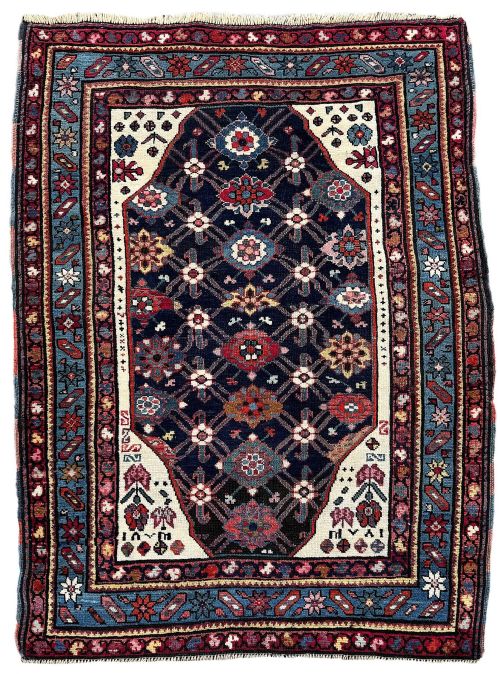
The most common examples on this page are Heriz carpets and Caucasian rugs featuring structured lattices and floral repeats. Originating from workshops and tribal traditions alike, they range from compact prayer formats to room-sized carpets.
Makers utilised traditional Persian and Caucasian styles, combining geometric medallions and lattices with floral sprays. The resulting textiles provide both durable ground cover and graphic interest.
How they were made
These rugs were constructed primarily using wool and cotton materials, employing hand-knotting techniques on upright looms. Wool served for the pile due to its resilience, while cotton frequently formed the foundation warps and wefts.
Weavers arranged the materials to execute specific regional designs, such as the bold all-over patterns of Heriz carpets or the intricate floral lattices of Caucasian Shirvan and Karabagh pieces. The combination of sturdy cotton foundations and dense wool piles ensured structural integrity across decades of use.
Several prayer rugs appear here with strict botanical grids, proving that flowers can behave with military discipline when knotted by Caucasian weavers.
What varies in quality
Quality in these textiles rests upon the precision of the weaving and the clarity of the design structure. Finer knotting allows intricate geometric floral lattices to appear sharp and well-defined.
The choice of wool and the handling of the dye palette further separate standard examples from superior ones. Tighter construction and balanced proportions elevate the visual impact of the piece on the floor.
The Geometric Floral Area Rug Glossary
- Heriz carpet
- A large-format rug originating from the Heriz region, known for bold geometric medallions and durable construction. These pieces often feature prominent corner spandrels.
- Prayer rug
- A small format textile designed for devotional use, typically featuring a central mihrab or architectural arch. Caucasian examples frequently incorporate floral lattice fills within this field.
- Prayer lattice
- An orderly repeating grid pattern of botanical elements across the field of the rug. This arrangement contrasts angular geometry with organic flower motifs.
- Foundation
- The underlying grid of warp and weft threads that supports the knotted wool pile. Cotton is commonly utilised for this structural framework.
- Knot density
- The number of knots per square unit, which influences the definition of the geometric and floral pattern. Higher density generally allows sharper rendering of linear designs.
Geometric Floral Area Rug: Frequently Asked Questions
What is a geometric floral area rug?
These pieces are knotted wool and cotton floor coverings that combine structured linear patterns with botanical motifs. They originate from traditional weaving regions including Persia and the Caucasus.
Production dates span from the late nineteenth century through the early twentieth century. They serve as both functional floor protection and decorative focal points.
How do I tell Heriz and Caucasian rugs apart?
Heriz carpets generally present large-scale geometric medallions and robust proportions suited for room-sized spaces. They rely on bold graphic structures.
Caucasian rugs, such as Shirvan or Karabagh pieces, typically feature smaller formats with precise floral lattices or prayer arches. Their palettes and border arrangements reflect distinct tribal and regional traditions.
Where were these rugs made?
The pieces originate from traditional weaving centres in Persia and the Caucasus. Specific production hubs include Heriz, Karabagh, Shirvan, and Hamadan.
Each region maintained distinct stylistic conventions for combining geometric frameworks with floral elements.
How do I live with an antique rug?
Placing these textiles in rooms with moderate foot traffic helps preserve the wool pile over time. A suitable underlay prevents slipping and cushions the cotton foundation.
Regular gentle care protects the integrity of the weave while allowing the traditional colours to complement interior spaces.