




Classic Oil Painting
A classic oil painting brings centuries of European portraiture, landscape, and still life directly into domestic spaces.
Classic Oil Painting
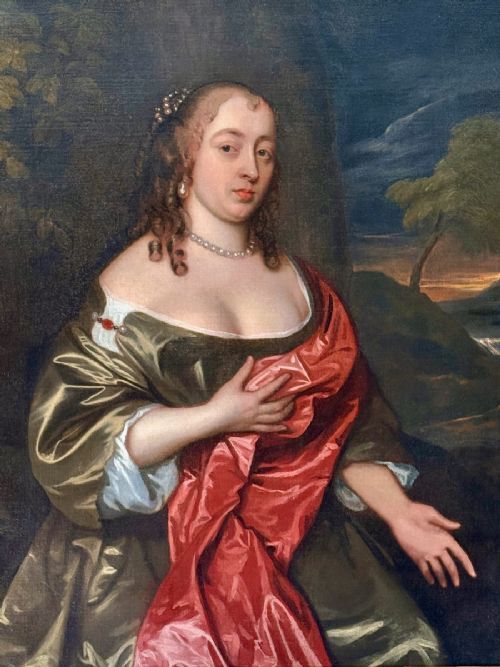
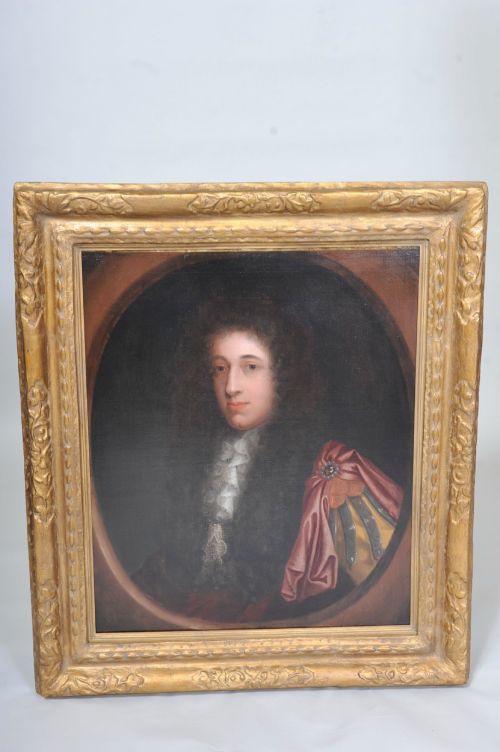
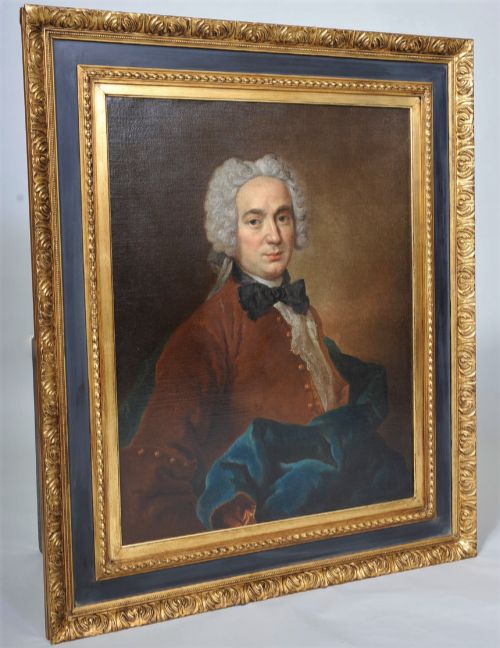
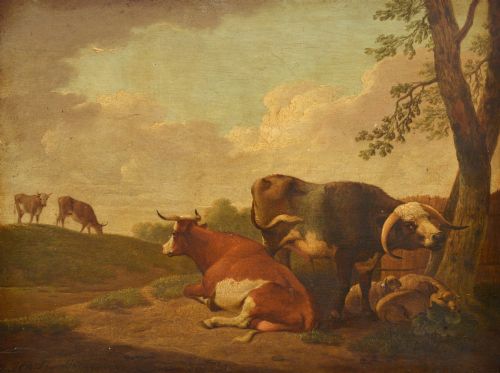
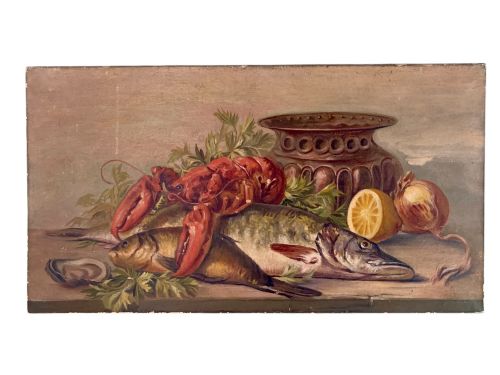
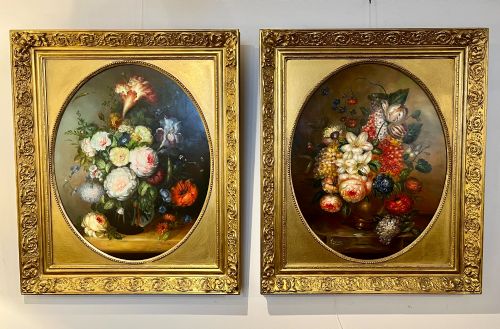
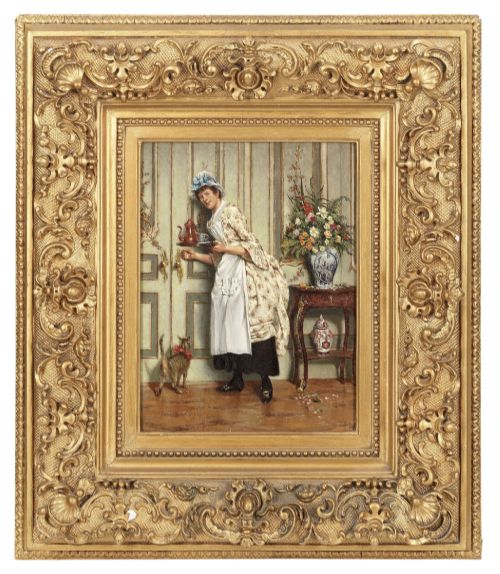
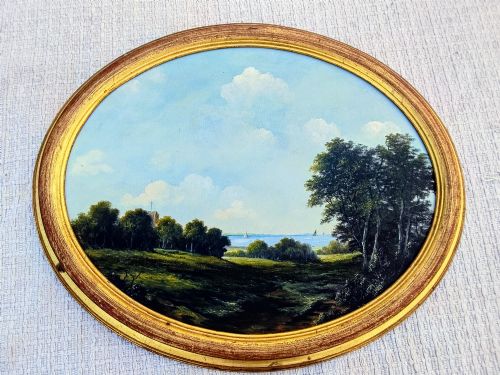
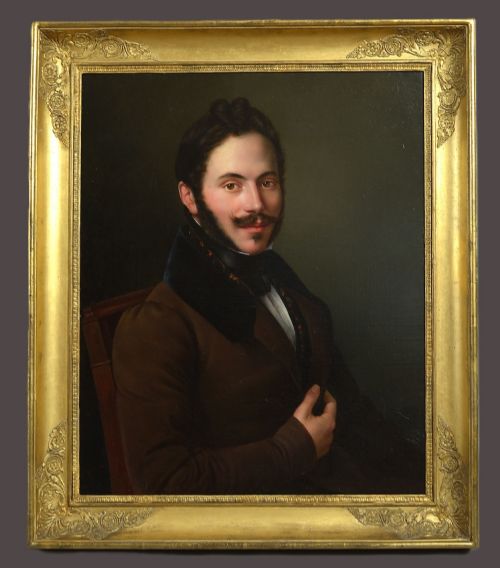
When searching for a classic oil painting, buyers encounter centuries of European artistry ranging from the seventeenth century through to the early twentieth century. Portraits, landscapes, and still life works dominate the selection, reflecting historical tastes across Georgian, Victorian, and Baroque styles.
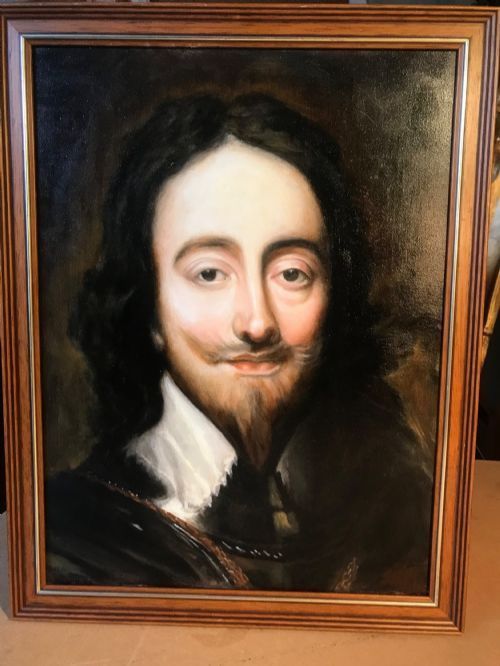
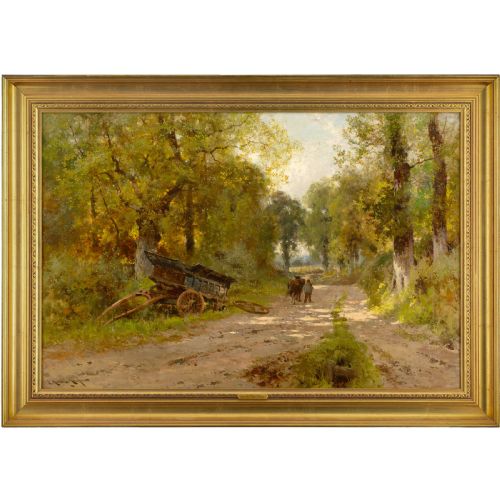
The seventeenth-century pieces often present stately portraiture executed by studio hands or known masters, while eighteenth- and nineteenth-century examples lean towards pastoral landscapes and detailed domestic scenes. Buyers frequently find works by named continental and British artists alongside pieces attributed to regional schools.
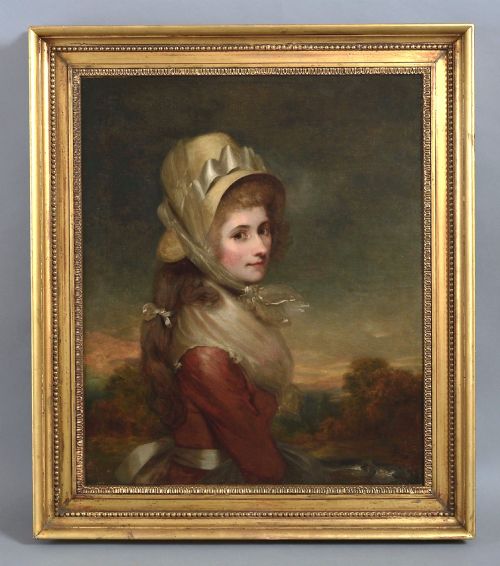
Framing plays a defining role in this category, with many works retained in their period giltwood or gilt wood surrounds. The scale stretches from intimate panel paintings to large canvases intended for prominent wall display.
How they were made
The physical foundation typically consists of oil paint applied to woven canvas or occasionally wooden panels and boards. Pigments suspended in drying oils allowed artists to build rich layers, luminous glazes, and textured impasto that survived centuries without losing depth.
Giltwood and gold leaf frames completed these works, employing carved wooden substrates covered in thin layers of beaten gold to catch ambient light. This traditional framing protected the outer edges of the canvas while enhancing the visual weight of the composition.
The listings span seventeenth-century portraits through to early twentieth-century landscapes, executed in oil on canvas, panel, and board.
What varies in quality
Technical proficiency in handling light, shadow, and human anatomy separates master works from provincial studio output. The depth of the pigment layers and the preservation of the original brushwork dictate the visual impact of the surface.
The integrity of the canvas support and the survival of the original gilt frame significantly influence the desirability of a piece. Works retaining their period frames and untouched paint layers command greater appreciation among collectors.
John Hayls·Sir Martin Archer Shee·Anthony Van Dyck·John Horace Hooper·Sir Godfrey Kneller·Hendrik Willem Schweickhardt·Sir Peter Lely·Stephen Samuel Lewin·Edouard Pingret·Thomas Beach·Jean Baptiste Van Loo·Eric Robertson·Alfred Lyndon Grace·Jonny Gaston·Francis Moltino·Margaret Sarah Carpenter·William Hogarth·Edward Ladell·Louis Charles Verwee·Winifred Rymer·Else Preubner·William Oliver·Thomas Spinks·Albert Rieger
The Classic Oil Painting Glossary
- Impasto
- A technique where paint is laid onto a canvas in very thick areas, usually thick enough that the brush or painting-knife strokes are visible. This method adds tangible three-dimensional texture to the surface of the artwork.
- Giltwood
- Wood that has been thinly coated with gold leaf or gold paint for decorative effect. It remains a hallmark of traditional picture framing.
- Provenance
- The chronology of the ownership, custody, or location of a historical historical object. Clear documentation helps establish authenticity and historical context.
- School
- A group of artists sharing a similar style, time period, or geographic region, often used when an exact individual maker cannot be definitively named. Studio works are frequently attributed in this manner.
- Canvas
- A heavy woven fabric used as a surface for oil painting, stretched tightly across a wooden frame. It became the dominant medium for European painting from the Renaissance onward.
Classic Oil Painting: Frequently Asked Questions
How do I care for an antique oil painting?
Keep the canvas away from direct sunlight and sudden fluctuations in temperature or humidity to prevent cracking in the paint layer. Dust the surface gently with a soft, dry brush without applying pressure.
Avoid using water, chemical cleaners, or modern cloths on the painted surface. Professional conservators should handle any deeper cleaning or structural repairs.
What is the difference between canvas and panel?
Canvas provides a flexible, woven support that absorbs environmental shifts well when properly tensioned over a wooden stretcher. Wooden panels offer a rigid surface favoured by earlier artists for minute detail work.
Both materials require stable atmospheric conditions to preserve the integrity of the paint layers applied on top.
How can I tell a period frame from a modern reproduction?
Period frames display hand-carved wooden or gesso details with natural wear patterns and age-appropriate shrinkage in the joints. Modern copies often rely on moulded synthetic resins or uniform machine-finished distress marks.
Examine the reverse of the frame for old fixings, tool marks, and the natural oxidation of the underlying materials.
What does attribution to a studio mean?
Studio attribution indicates that a work was produced in the workshop of a recognised master, often with the master's direct oversight or participation. These pieces reflect the prevailing style and technique of the named artist's circle.
Such works offer an accessible entry point into collecting period fine art while maintaining historical connection to major workshops.