


Classic Manual Wind Watch
A classic manual wind watch is a mechanical timepiece powered entirely by hand, offering an engaging daily ritual and enduring mid-century design.
Classic Manual Wind Watch
A classic manual wind watch comprises mechanical wristwatches driven by mainsprings that require regular hand-winding rather than automatic self-winding rotors or batteries. These pieces span periods from the 1940s to the 1960s, capturing mid-century design eras including Art Deco and Mid-Century Modern styles.
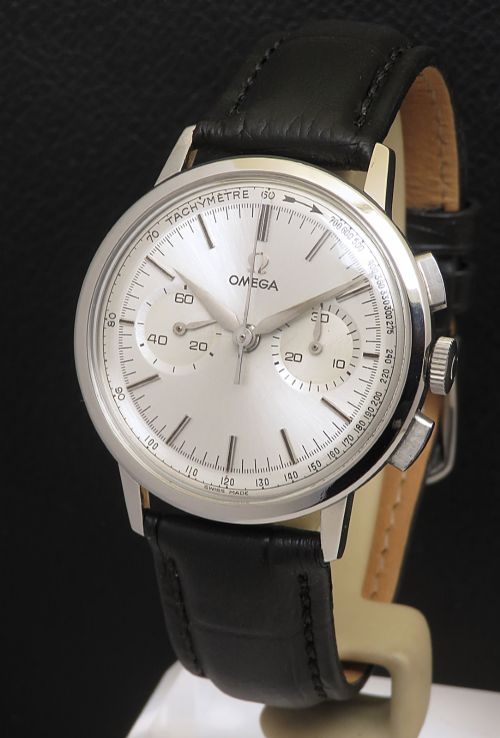
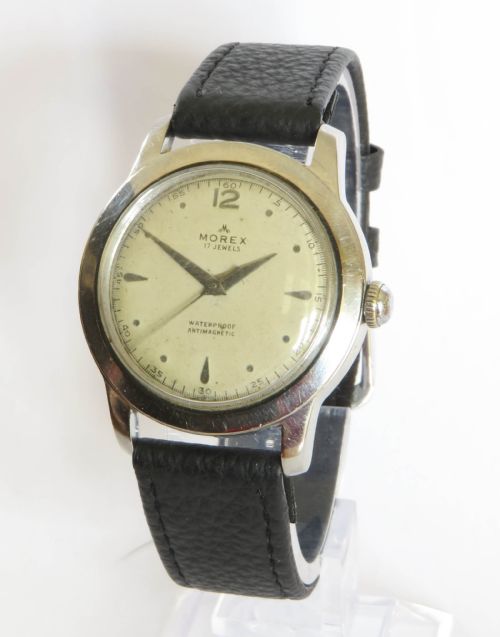
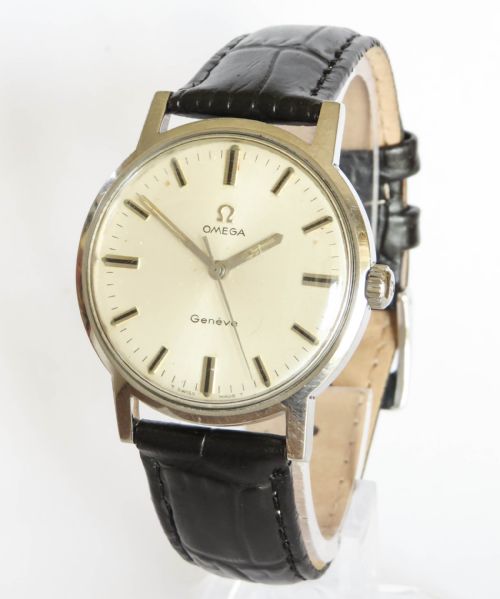
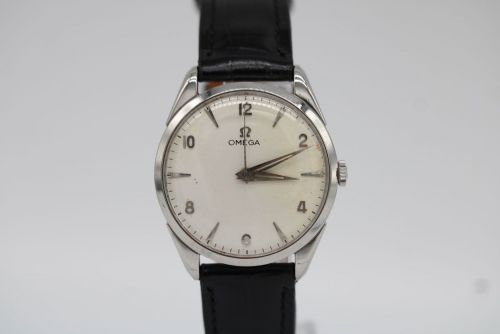
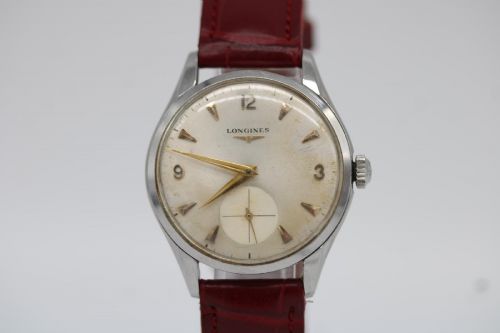
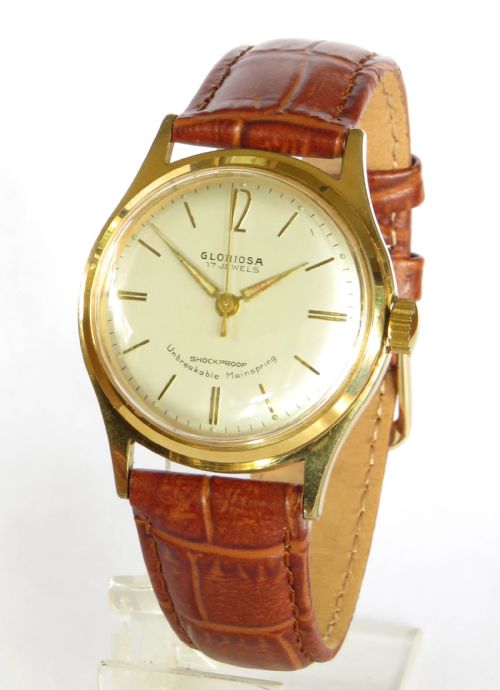
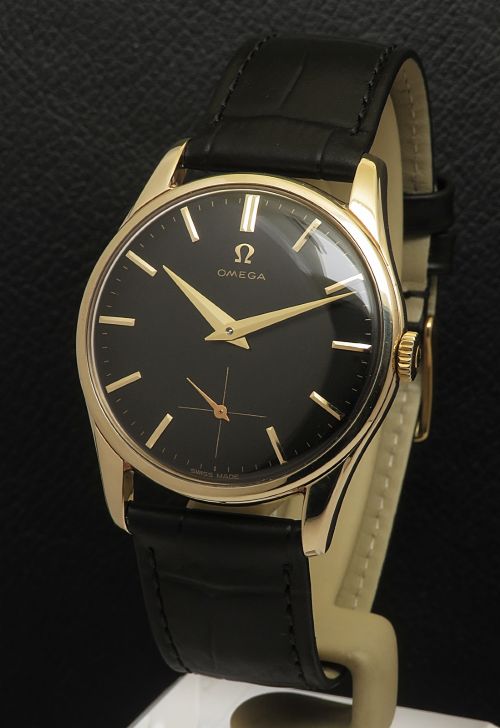
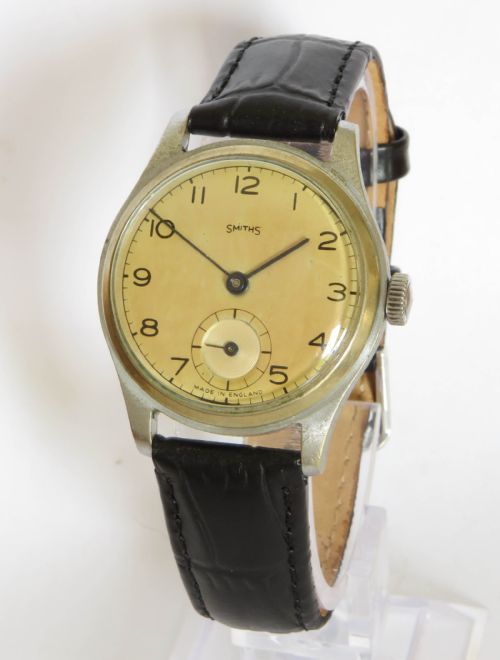
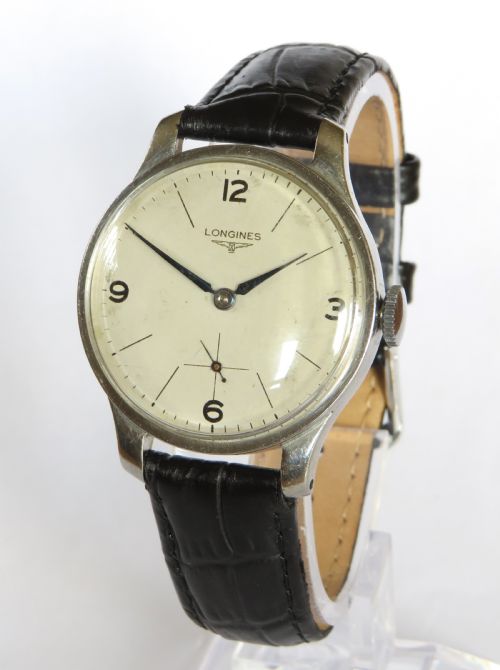
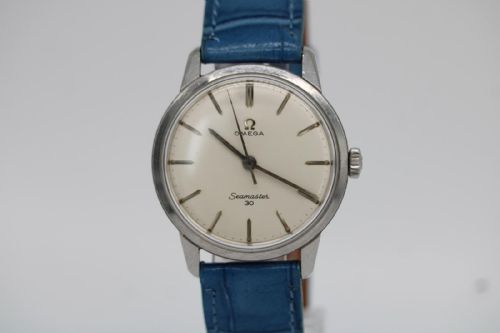
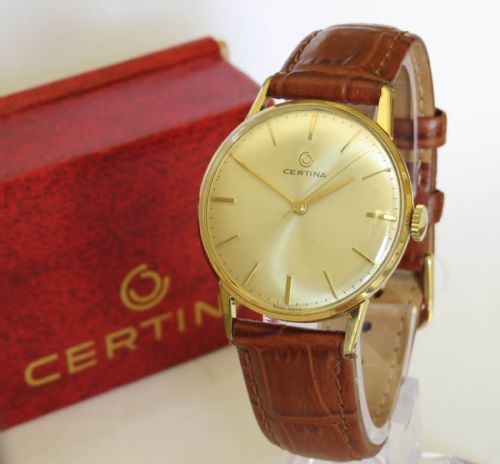
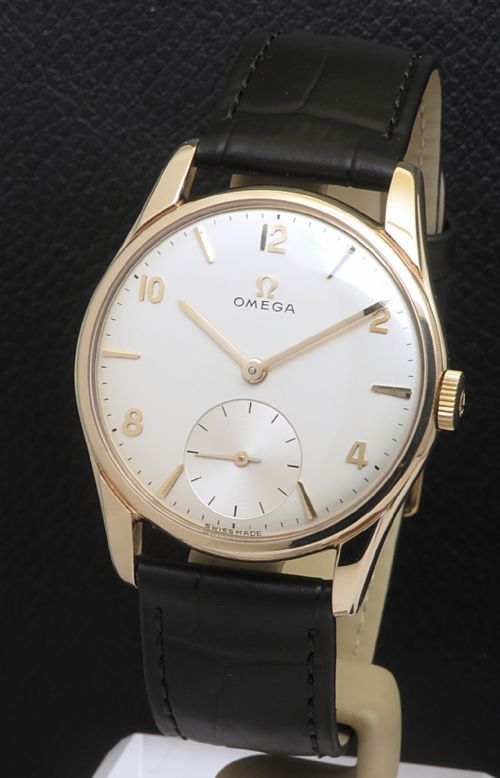
The versions most frequently encountered on this page are gents' wristwatches housed in stainless steel, chrome, or solid 9ct gold cases. Well-known makers such as Omega, Longines, and Smiths dominate these listings, offering classic dial configurations paired with leather straps.
Buyers exploring this selection encounter watches reflecting specific decades of mid-century manufacturing, from rugged 1940s vintage models to refined 1960s classics. Each piece demonstrates the mechanical horology typical of Swiss and British workshops from the period.
Materials and construction methods
Cases are formed from durable metals including stainless steel, chrome, gold plate, and solid 9ct or 18ct yellow gold, enclosing mechanical movements containing specialised jewelled bearings. Dials are protected by fitted glass or acrylic glass covers, maintaining visibility while safeguarding the delicate face.
Straps utilise genuine leather to secure the watch comfortably to the wrist, complementing metal case constructions. Internal calibres rely on precise manual winding mechanisms assembled by skilled watchmakers during the mid-twentieth century.
Some mid-century dials feature subtle sunburst patination that catches passing light like a tiny, secret metallic pond on the wrist.
Distinctions in quality and execution
The distinction between standard production models and top-tier examples rests in the refinement of the internal calibre and the preciousness of the case materials. Solid 9ct or 18ct gold cases and specialised mechanical calibres represent elevated tiers of watchmaking compared to standard chrome or gold-plated alternatives.
Originality of components, such as signed dials and factory-matched hands, influences the standing of a piece within the broader range. Furthermore, documented servicing and mechanical restoration by competent watchmakers separate ready-to-wear examples from those requiring technical attention.
Omega·Longines·Smiths·Tudor·Certina·Baume and Mercier·Girard Perregaux·Morex·Gloriosa·Lanco·Marvin·Ensign
The Classic Manual Wind Watch Glossary
- Manual wind
- A mechanical watch movement powered by manually turning the crown to tension the mainspring, rather than relying on automatic rotor weights.
- Calibre
- The specific manufacturer's designation for a particular watch movement design and internal layout.
- Acrylic glass
- A lightweight, shatter-resistant form of plastic crystal utilised to cover and protect the dial during the mid-century period.
- Jewels
- Synthetic rubies or sapphires placed at pivot friction points within a mechanical movement to reduce wear and improve longevity.
Classic Manual Wind Watch: Frequently Asked Questions
How often should I wind my watch?
A manual wind watch typically requires winding once every twenty-four hours to maintain consistent timekeeping. Establishing a steady daily routine prevents the mainspring from running down completely.
Twist the crown gently until slight resistance is felt, avoiding over-winding to protect the internal spring mechanism.
Are these watches waterproof?
Vintage manual wind watches generally lack modern waterproof seals and gaskets. Exposure to moisture, rain, or humidity can easily damage the delicate vintage movement.
Keep the watch away from water entirely, removing it before swimming, showering, or washing hands.
How do I date a vintage watch?
Dating involves examining movement serial numbers, case reference numbers, and stylistic markers specific to decades like the 1940s, 1950s, or 1960s. Maker archives and reference guides match serial sequences to exact production years.
Dial fonts, case shapes, and hallmark stamps on gold models also provide reliable chronological indicators.
Can I wear a vintage watch daily?
These pieces suit regular daily wear provided they receive proper care, occasional servicing, and protection from heavy impacts. Their classic proportions slide comfortably beneath shirt cuffs.
Mindful handling, keeping the watch clear of magnetic fields, and avoiding harsh knocks ensure reliable everyday performance.