

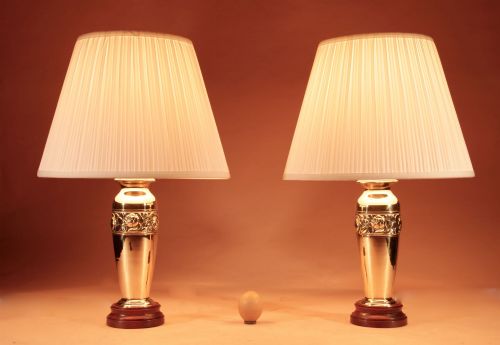
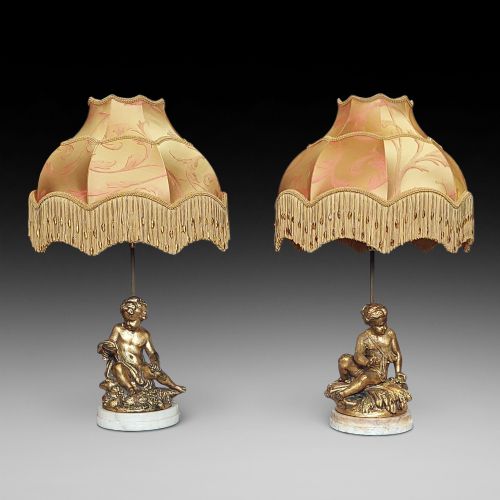
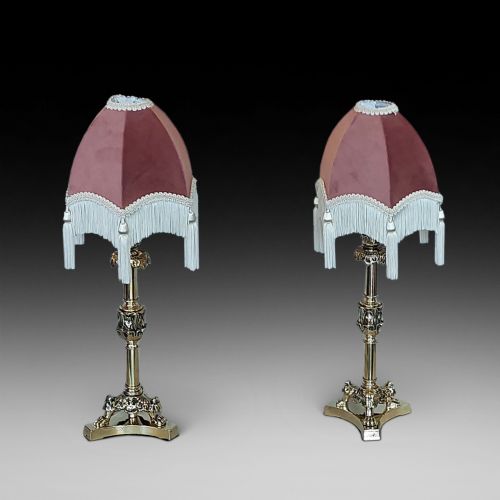

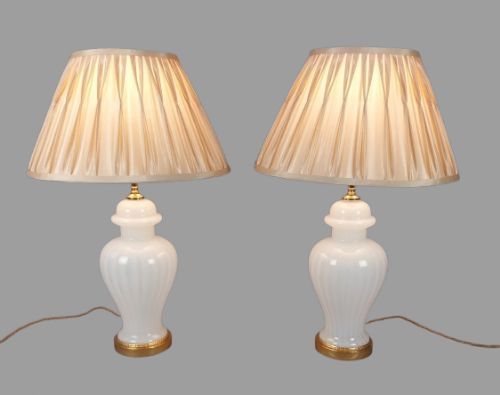


Classic Gold Table Lamp
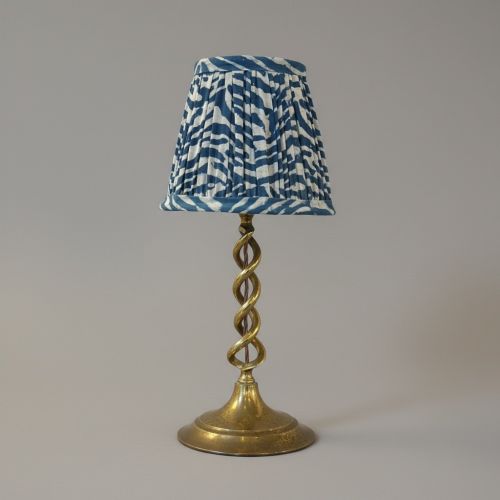
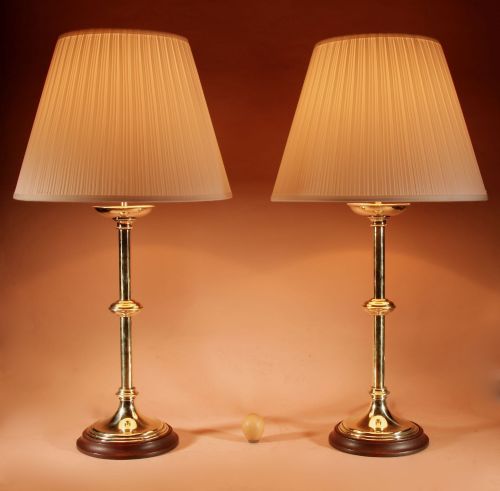
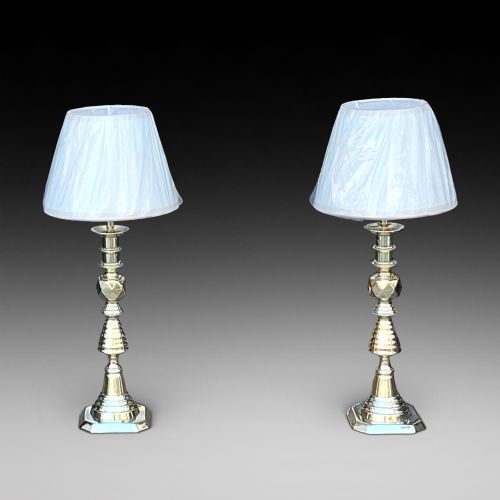
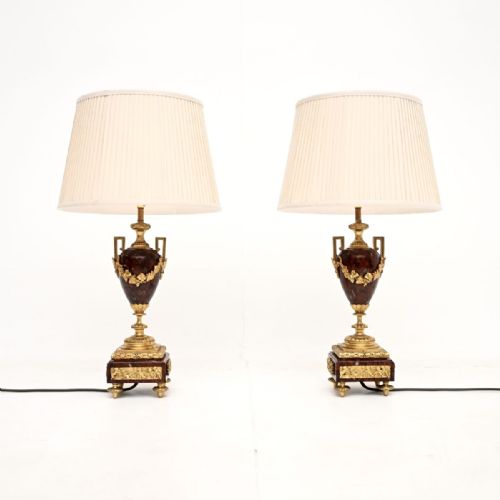
A classic gold table lamp brings warm illumination and period character to a room, spanning styles from Victorian brass to Art Deco gilt metal.
Classic Gold Table Lamp
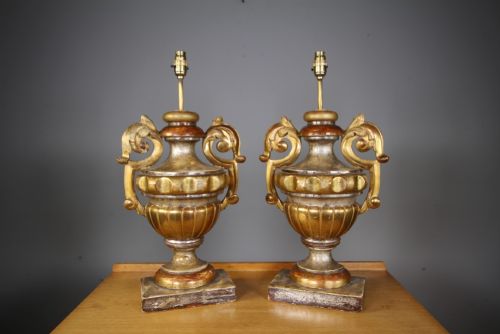
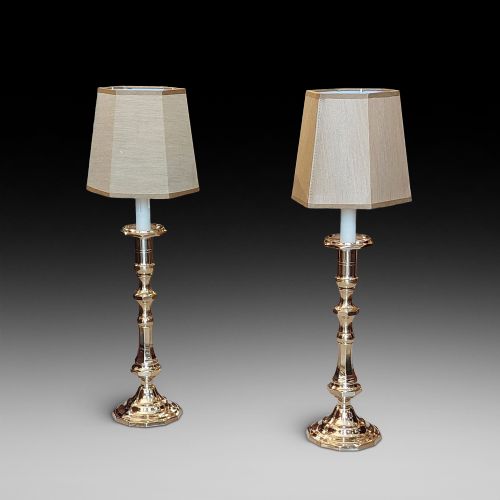
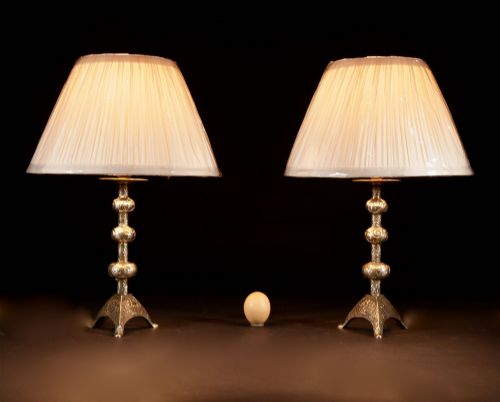
When searching for a classic gold table lamp, buyers encounter a diverse selection of period lighting, ranging from converted candlesticks to elaborate figural designs. The pieces on offer span the nineteenth and early twentieth centuries, capturing shifts in design from Victorian revivalism to the streamlined forms of the Art Deco era.
Most examples rely on brass, gilt bronze, or ormolu to achieve their golden finish, often taking the form of paired candlesticks or urns adapted for electric lighting. Buyers frequently find matching pairs rather than single items, particularly among pieces originating from French and English workshops around nineteen hundred.
Form follows historical precedent closely in these categories, drawing upon Neoclassical, Louis XV, and Romanesque styles. Standard lamps and desk lamps sit alongside traditional table models, incorporating materials such as alabaster, onyx, and porcelain de Paris to complement the metallic structures.
Materials and construction methods
Makers utilised solid brass, bronze, and cast metals as the primary structural foundations for these lamps, applying gilt finishes through fire gilding or ormolu techniques. Alabaster, onyx, and tole elements provide textural contrast and weight to the bases, whilst fabric and fringe shades complete the traditional compositions.
Many surviving examples began life as functional candlesticks or candelabra before undergoing careful conversion to electric lighting in later periods. This adaptation preserves the original hand-carved and cast details of the nineteenth and early twentieth century metalwork whilst accommodating modern utility.
Classic Gold Table Lamp Retail Price Guide 2026
Typical asking prices for classic gold table lamp among the pieces listed under this phrase on Sellingantiques today, from the lower quarter to the upper quarter. They describe what is for sale here now, not the wider market.
Listings feature brass, bronze, and gilt metal pieces spanning from the early nineteenth century through the Art Deco period.
Indicators of superior craftsmanship
Quality in these pieces rests upon the crispness of the original casting and the depth of the surviving gilding across the metallic surfaces. Finer examples display meticulous hand-chasing on the brass or bronze, ensuring that decorative motifs remain sharp and well-defined.
The integration of secondary materials, such as finely turned alabaster columns or hand-painted Porcelain de Paris sections, distinguishes standard production from exceptional pieces. Superior weight and balanced proportions indicate substantial metal content rather than hollow pressed construction.
The Classic Gold Table Lamp Glossary
- Ormolu
- A gold-coloured alloy of copper, zinc, and sometimes tin, applied to bronze furniture and decorative objects. It provides a rich, warm metallic finish common on French period lighting.
- Candelabra
- A branched candlestick holder designed to support multiple light sources. Many antique examples are later converted to hold electrical components.
- Tole
- Painted or lacquered sheet metal used in decorative arts and lighting fixtures. It offers a smooth surface for applied colours and traditional ornamentation.
- Alabaster
- A fine-grained mineral stone used for carving decorative bases and columns. Its translucent quality softens the transmission of light in period lamps.
- Corinthian
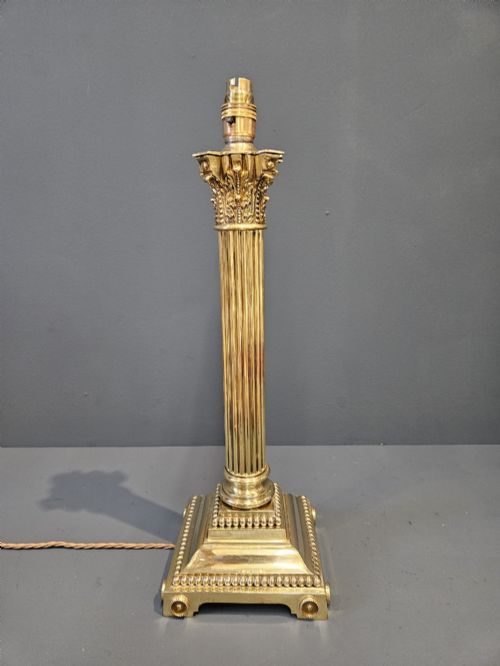
- An architectural order featuring ornate capitals decorated with acanthus leaves. This classical motif appears frequently on the vertical columns of period desk and table lamps.
Classic Gold Table Lamp: Frequently Asked Questions
How do I clean an antique brass lamp?
Dust the metal gently with a soft, dry cloth to prevent the accumulation of grime in recessed decorative areas. Avoid abrasive polishes that might strip away thin layers of historical gilding or patina.
Test any cleaning solution on a small, hidden section before applying it to the entire body of the lamp. Preserve the aged surface character whenever possible, as collectors value the natural darkening of antique brass.
Are converted candlesticks safe to use?
Most converted pieces require modern rewiring to meet contemporary electrical standards safely. Consult a qualified professional to inspect older internal components and replace frayed wiring.
Ensure that the original candle socket or bobeche has not suffered structural damage during the conversion process. Proper installation protects the integrity of the antique metalwork while providing dependable daily illumination.
What defines Louis XV style lighting?
Louis XV style pieces feature asymmetrical scrollwork, naturalistic floral motifs, and flowing rococo curves. Makers of the nineteenth century frequently revived these graceful French aesthetics for domestic lighting.
Look for cast bronze or ormolu mounts decorated with cascading acanthus leaves and cherubic figures. These designs emphasise ornate movement and decorative exuberance over rigid symmetry.
How can I date a brass table lamp?
Examine the construction methods, casting seams, and fixing screws to determine the approximate manufacturing period. Hand-filed components and heavy sand-cast brass typically point towards nineteenth-century production.
Compare the decorative vocabulary with known historical styles such as Neoclassical or Art Deco. Maker's marks or registration numbers stamped onto the base provide additional clues regarding origin and date.