

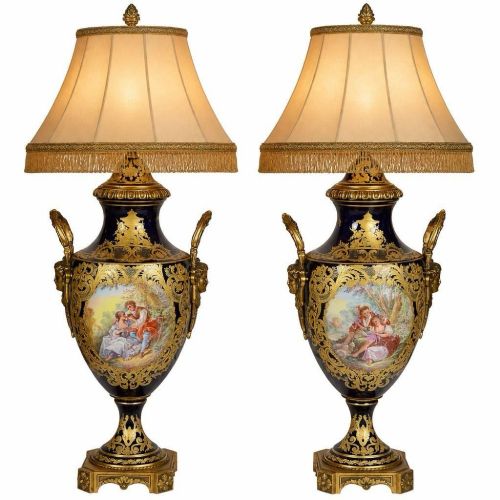
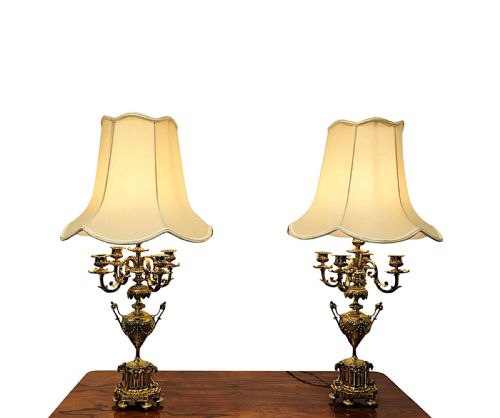


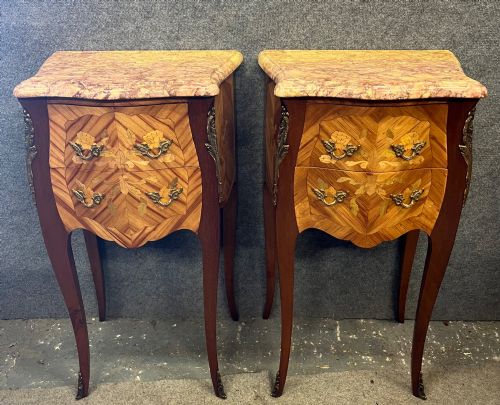
Pair French Style Lamps
These pair french style lamps bring classical Continental proportion and warm illumination into a room, drawing on centuries of decorative tradition.
Pair French Style Lamps
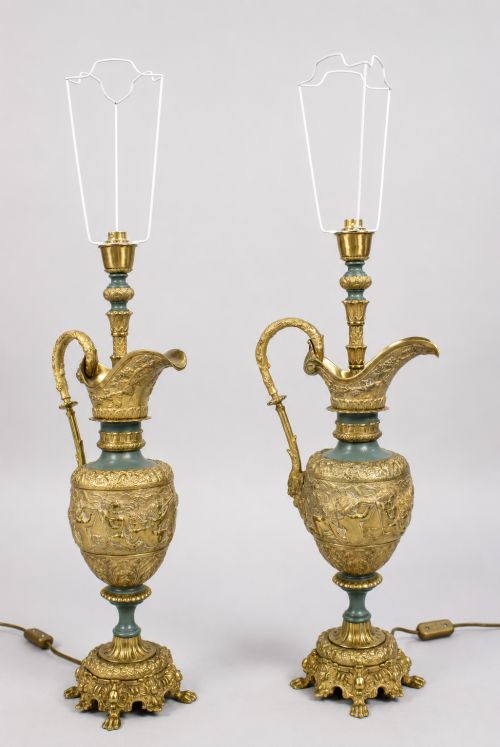
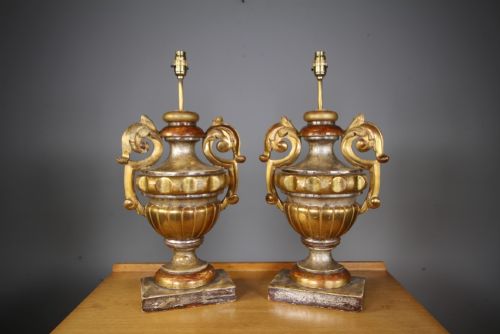
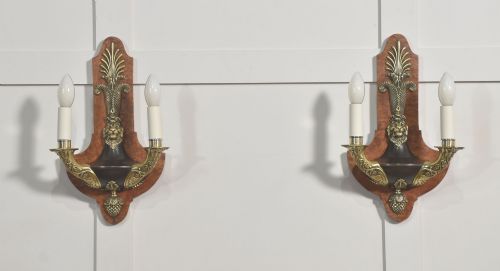
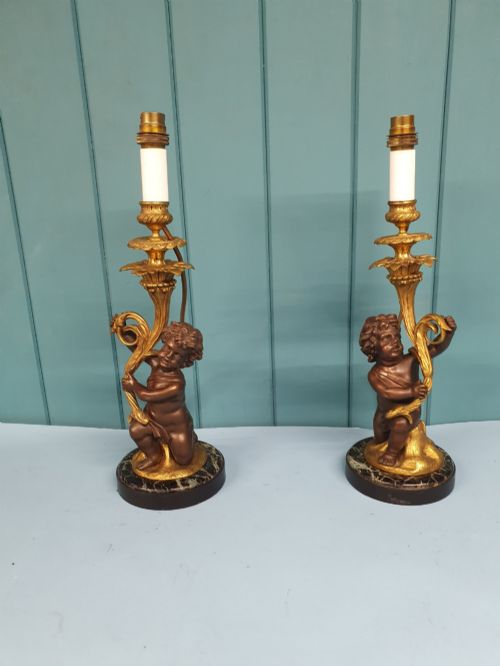
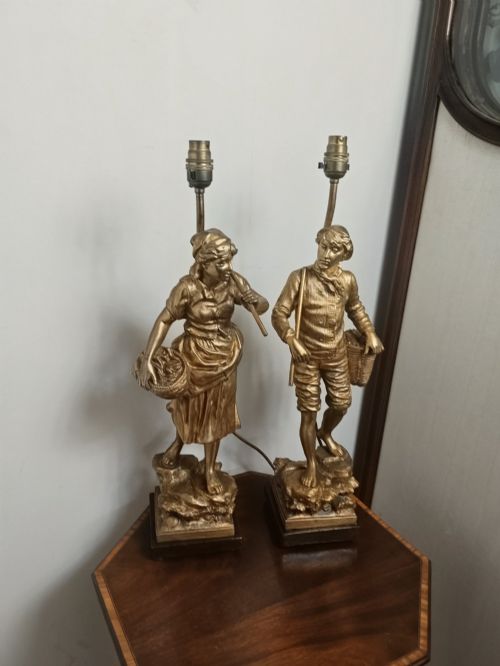
When searching for pair french style lamps, a buyer encounters dual lighting fixtures drawn from historical European aesthetics, most commonly table lamps and wall lights originating in the nineteenth and early twentieth centuries. These pieces encompass converted candelabra, porcelain urns, and columnar designs shaped by neoclassical and rococo revivals.
The version most frequently met on this page is the nineteenth century table lamp, often pairing cast bronze or brass with hand-finished marble bases. Such pieces reflect domestic lighting adaptations from periods including the Victorian, Edwardian, and early twentieth century.
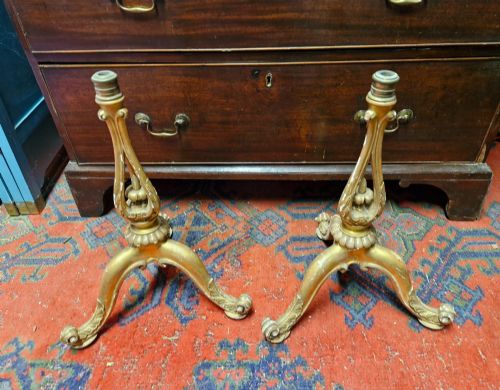
Alongside dedicated lamp bases, the selection includes converted architectural elements and candelabra that retain their original metalwork mounts. These dual objects combine decorative presence with practical illumination suited to side tables or mantelpieces.
How They Were Made
Makers utilised cast bronze, brass, and gilt metal for structural frames and decorative mounts, employing traditional foundry methods to achieve crisp foliate and figurative detailing. Ormolu gilding was frequently applied to bronze components to create a durable, luminous surface finish.
Natural stones such as rouge marble, onyx, and alabaster formed weighty bases and urn bodies, turned and polished on lathes to complement the metallic elements. Porcelain components, including Sevres style bodies and celadon glazes, were fired separately before receiving hand-painted decoration and bronze mountings.
Timber elements such as carved pine, giltwood, satinwood, and burr walnut were shaped, joined, and gilded or polished by hand. Glass and crystal pendants, drops, and shades were integrated into wall lights and candelabra to refract light.
Bronze cherubs occasionally moonlight as structural support, holding up heavy candelabra arms with a look of mild existential fatigue.
What Varies in Quality
The distinction between standard and superior examples lies in the crispness of the metal casting and the depth of the chased detail on bronze and ormolu mounts. Finer pieces display sharp, hand-finished lines in the foliage and figures, whereas simpler items show softer, cast-in contours.
Material selection dictates the character of the piece, with solid marbles and heavy-gauge bronzes commanding greater visual weight than lighter gilt metals or composites. The integration between stone bodies and metal mounts reveals the maker's precision.
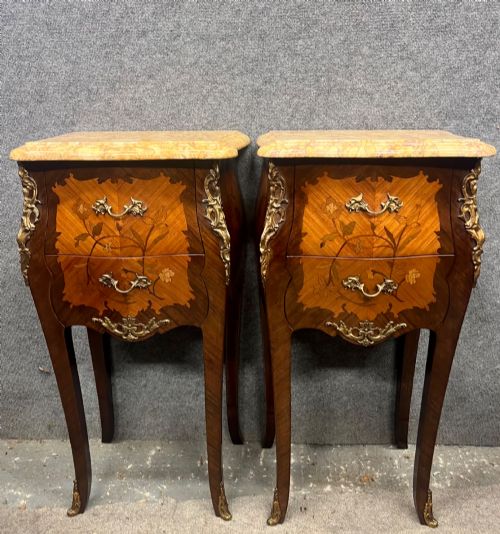
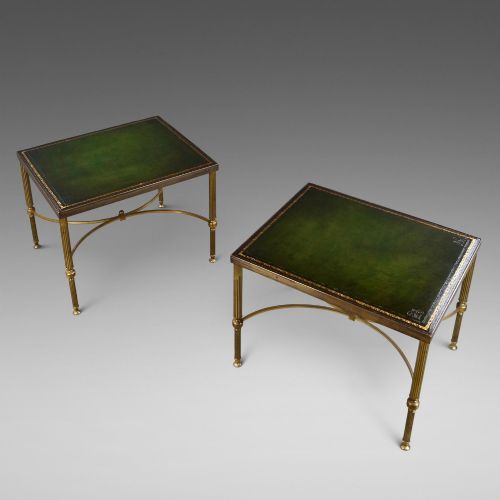
Surface preservation preserves the integrity of the object, whether through the survival of original fire gilding, untouched patination on aged brass, or the clean joinery of marquetry lamp tables.
E Rousseau
The Pair French Style Lamps Glossary
- Ormolu
- Gilt bronze produced by applying a mercury and gold amalgam to a bronze base and heating it. This technique creates a durable, golden surface finish typical of fine French lighting.
- Cassolette
- A decorative vase or urn with a reversible lid that can function as a burner or a candle holder. These forms are frequently adapted into lamp bases.
- Neoclassical
- A style drawing inspiration from classical antiquity, characterised by symmetry, straight lines, and architectural motifs such as columns and urns.
- Rococo Revival
- A nineteenth century decorative style featuring asymmetric scrolls, naturalistic plant forms, and elaborate C-scroll detailing.
- Sevres style
- Ceramic work created in imitation of the famous French porcelain factory, often featuring rich blue grounds and hand-painted panels mounted in brass or bronze.
Pair French Style Lamps: Frequently Asked Questions
How do I wire antique lamps safely?
Most older lamps require modern rewiring to meet current electrical standards. A qualified electrician can thread modern flex through the existing central channel without damaging the historical body.
Retaining the original switchgear or candle tubes is possible while updating the internal wiring and plug for everyday use.
What styles define french lighting?
Continental lighting draws primarily on Louis XVI, Empire, and Rococo movements. These aesthetics incorporate classical columns, bronze putti, and elaborate floral mounts.
Proportions tend to be formal and balanced, often utilising contrasting materials like marble and gilt bronze.
How do I date an antique lamp?
Dating relies on examining the casting techniques, fastener types, and material wear. Nineteenth-century pieces often feature hand-chased bronze work and heavier stone bases.
Stylistic cues such as Edwardian brasswork or Victorian timber turning also indicate the period of manufacture.