

Classic Brass Table Light
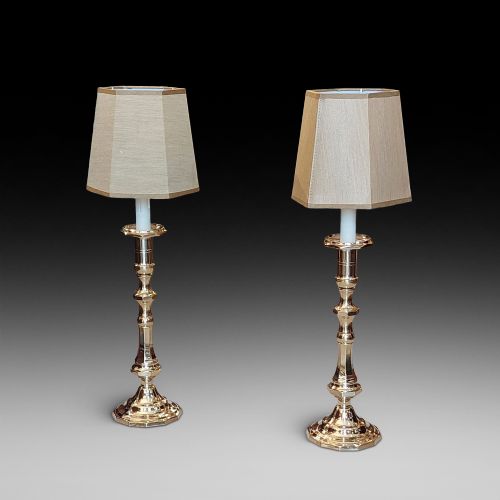
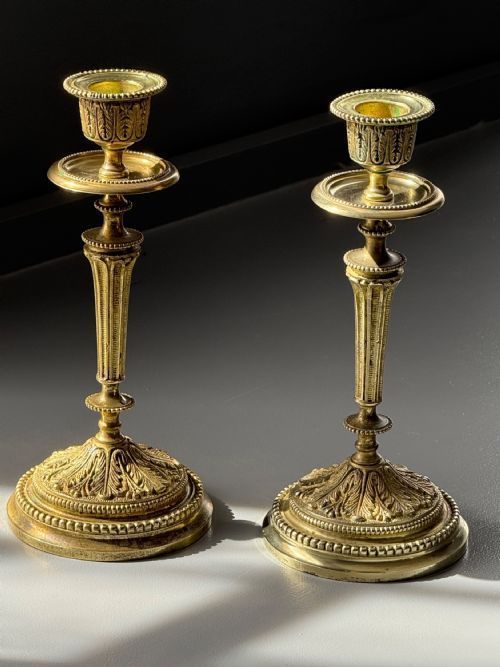
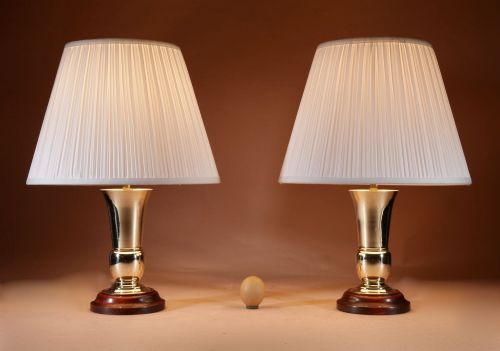
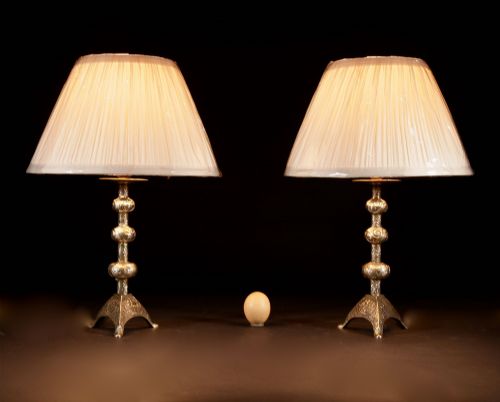
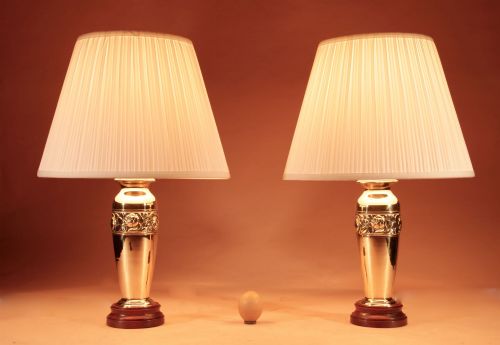
These classic brass table light pieces bring steady illumination and period warmth to a room, spanning from Georgian designs to Art Deco forms.
Classic Brass Table Light
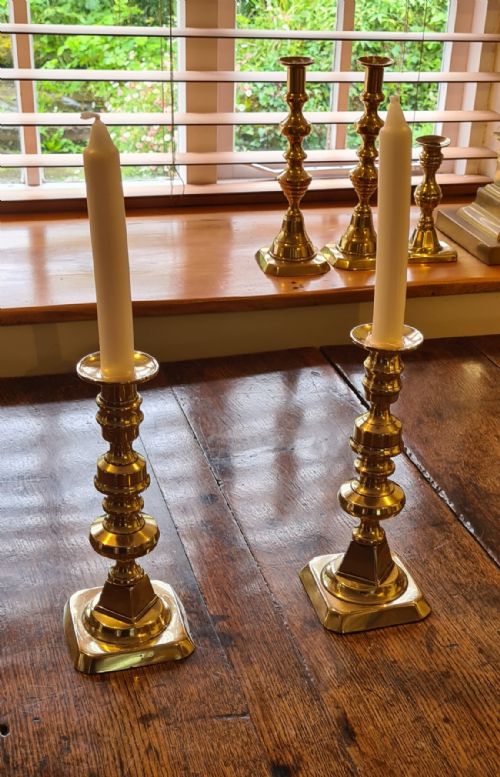
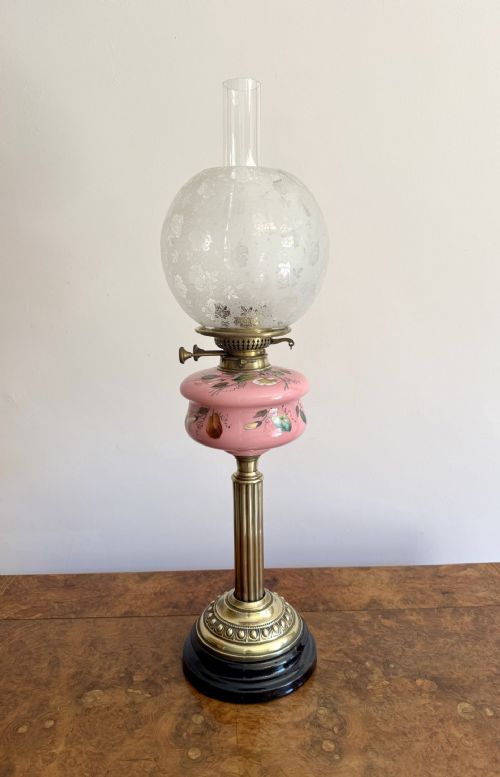
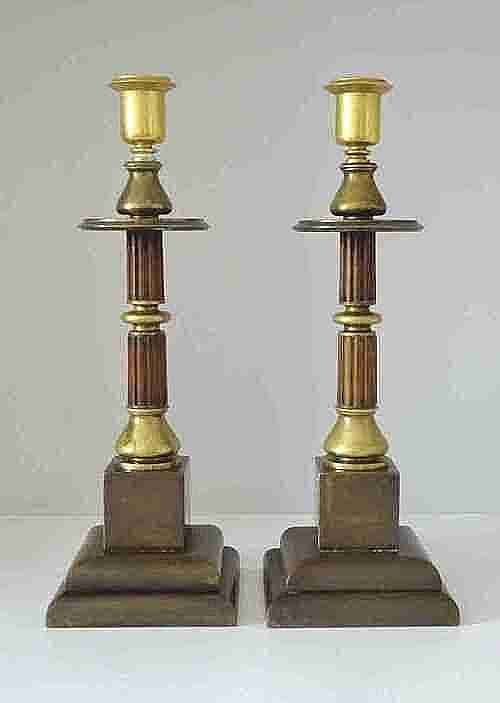
A classic brass table light bridges the gap between functional illumination and decorative antiquity, drawing on forms originally made for candles, oil, or gas.
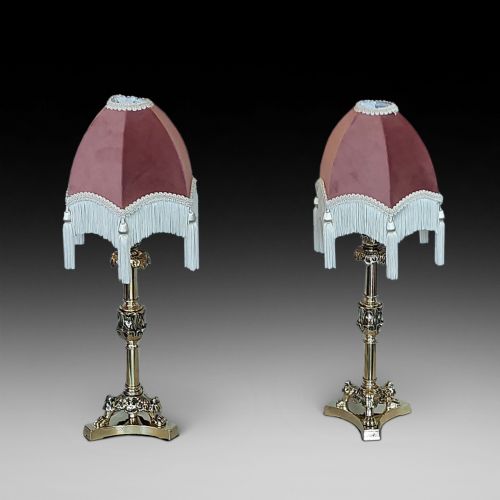
The selections here span the eighteenth, nineteenth, and early twentieth centuries, encompassing Victorian columns, Edwardian models, and Art Deco creations.
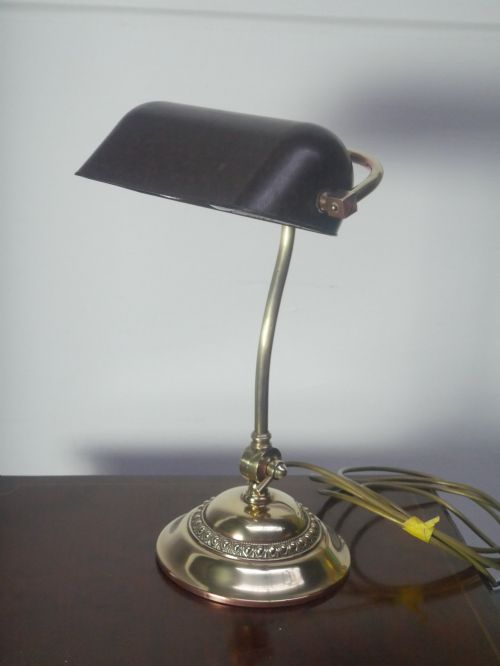
Buyers frequently encounter converted candlesticks, oil lamps, and bankers desk lamps alongside French bouillotte lamps featuring tole shades.
Origin points range across traditional English workshops and continental European makers, incorporating materials like marble, glass, and toleware alongside core metalwork.
Materials and Technique
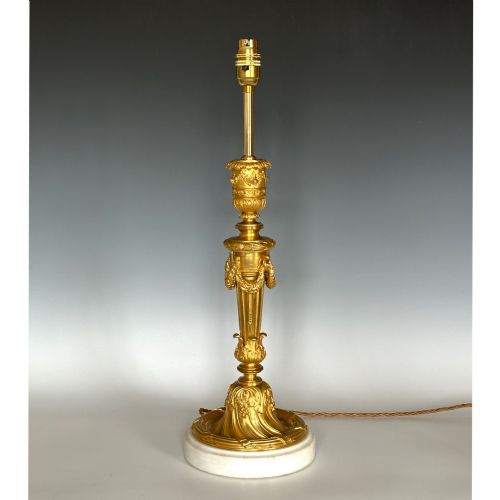
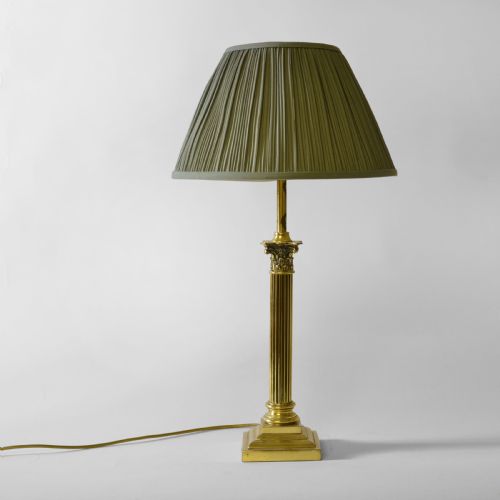
Construction relies heavily on brass, gilt bronze, and ormolu, often shaped through casting, seaming, or turning on a lathe.
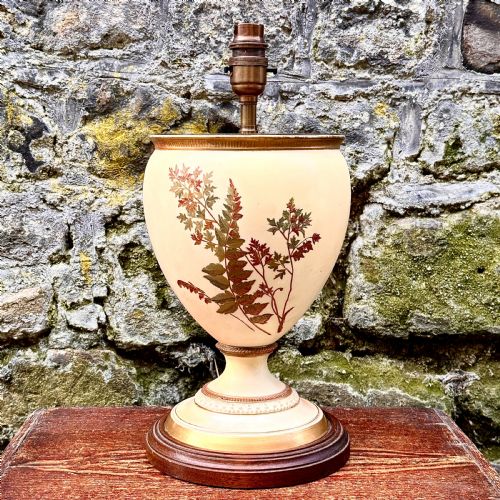
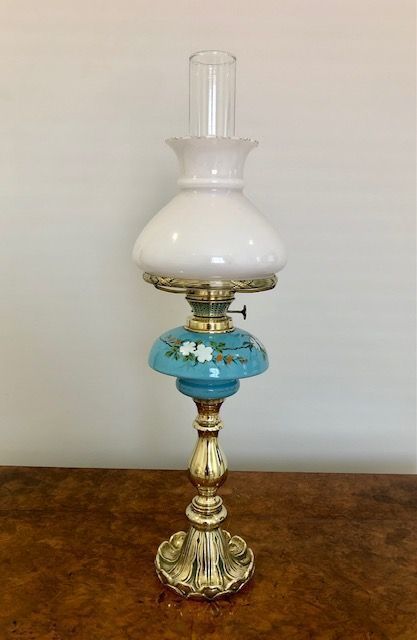
Many examples incorporate secondary media such as opaline glass, majolica ceramics, and painted toleware to provide contrast and colour to the metal frames.
Conversion from earlier lighting methods means modern wiring sits inside bodies originally engineered for whale oil, paraffin, or wax candles.
Listings include items made from brass, bronze, gilt metal, opaline glass, fabric, wood, and marble across Victorian, Edwardian, and Art Deco styles.
Material Weight and Detail
Substance separates solid construction from lighter alternatives, with heavier pieces utilising thick-gauge brass, cast bronze, or dense marble bases.
Finishing work defines the upper tiers, visible in crisp chased detailing on ormolu mounts, clean threading on seamed ejector sticks, and balanced proportions on multi-branch candelabras.
Faraday and Sons·Royal Worcester
The Classic Brass Table Light Glossary
- Ormolu
- Gilt bronze ornamentation applied to furniture and lighting fixtures, common in French Empire and Louis XVI styles. It gives a rich gold-coloured surface finish.
- Ejector candlestick
- A domestic candlestick containing an internal mechanism to push out the remaining candle stump. This design helps date pieces to the eighteenth and nineteenth centuries.
- Toleware
- Painted or lacquered sheet metal, frequently used for shades on bouillotte desk lamps. It introduces deep greens and other tones to the metal body.
- Paktong
- A copper-nickel-zinc alloy resembling silver, utilised in eighteenth-century casting. Items made from this metal carry a distinctive bright tone.
- Corinthian column
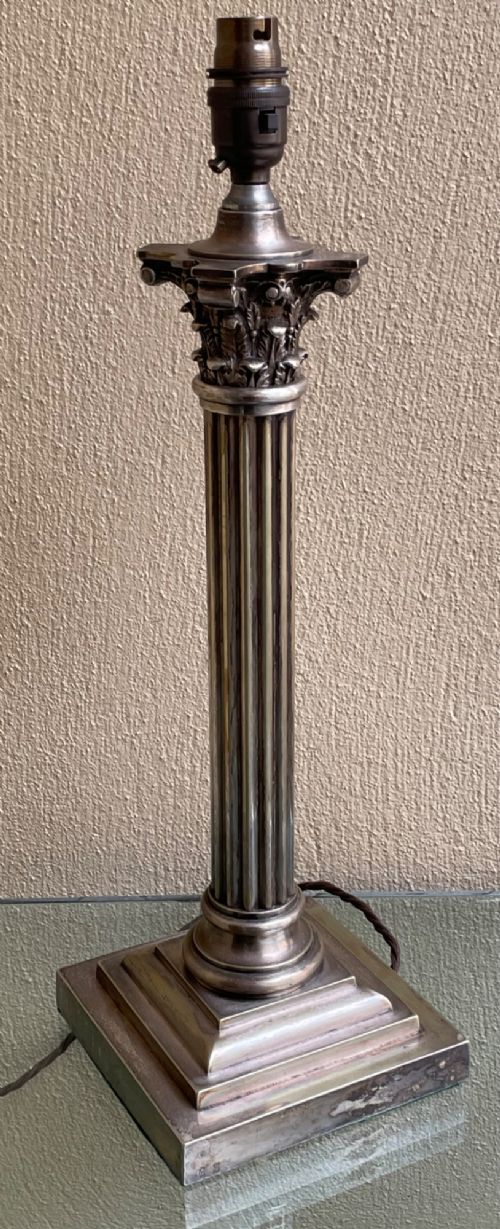
- An architectural column style adapted for lamp stems, featuring ornate acanthus leaves at the top. This form appears frequently in Victorian brass lighting.
Classic Brass Table Light: Frequently Asked Questions
How do I wire an antique lamp safely?
Most antique lamps require modern rewiring to meet current safety standards, utilising flexible cord and a certified lamp holder that fits the original socket.
A qualified electrician can thread modern cable through vintage brass stems and weighted bases without altering the exterior period appearance.
Were these always electric lamps?
Many items began life as oil lamps, wax candlesticks, or desk lighting before receiving later conversions to electricity during the twentieth century.
Evidence of this past lives in internal wick mechanisms, drip pans, or threaded collars adapted during the electrification process.
How do I clean antique brass?
Gentle dusting with a dry cloth preserves the aged patina that accumulates over decades of handling and exposure to air.
Avoid aggressive chemical polishes that strip away the historical surface character built up since the Victorian or Georgian eras.
Where should I place a bouillotte lamp?
Bouillotte lamps work effectively on small writing desks, sideboards, or bedside tables where their adjustable tole shades direct light downward.
Their French design origins make them suitable additions to traditional reading corners or studies.