


Classic Desk
A classic antique desk offers a tangible connection to the past, combining practical workspace with period craftsmanship in mahogany, walnut, or yew wood.
Classic Desk
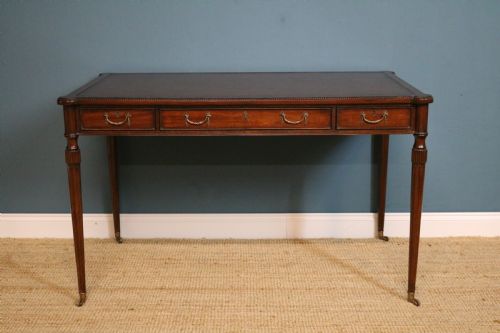
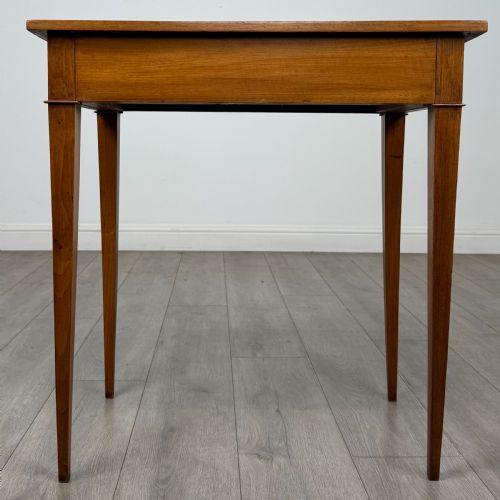
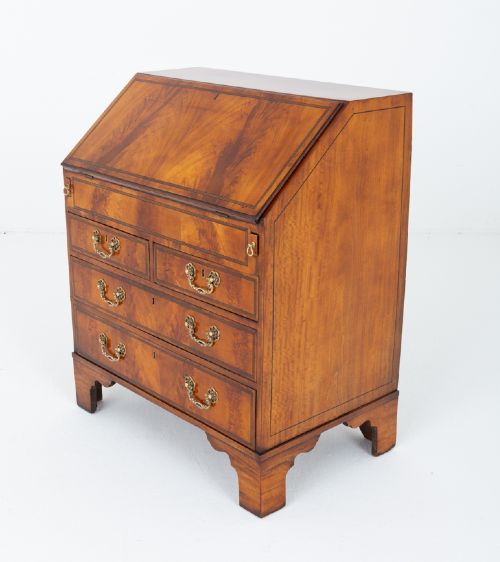
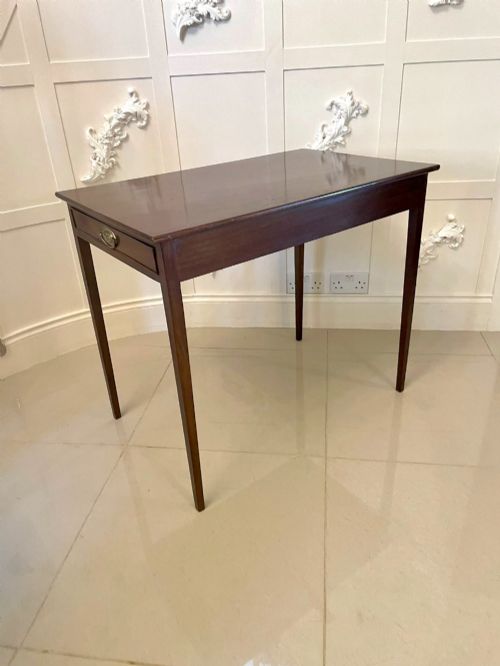
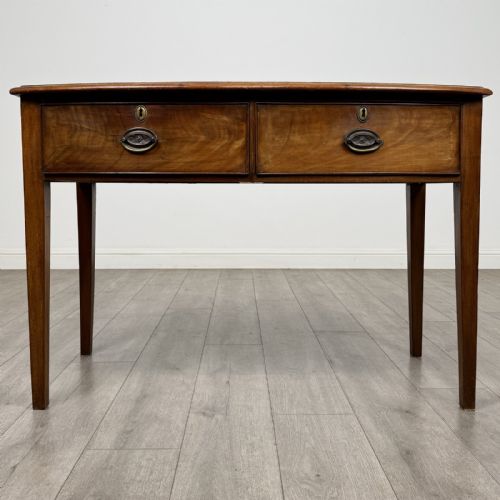
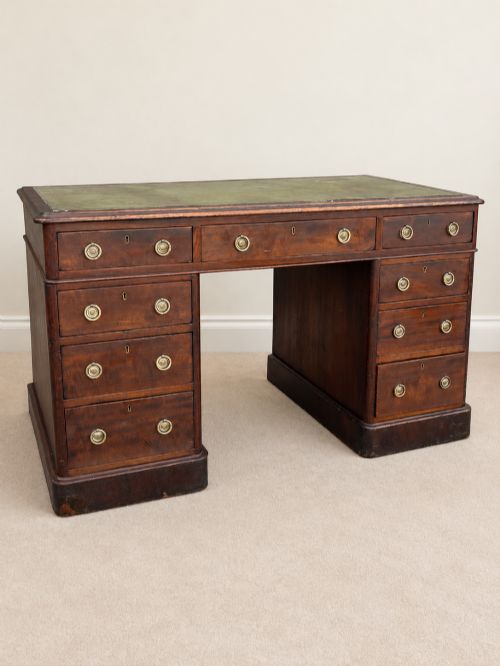
A classic antique desk typically takes the form of a pedestal desk, writing table, or writing bureau originating from periods such as the Georgian, Victorian, or Edwardian eras. These pieces provide a solid, functional writing surface often augmented by drawers, carved pillars, or leather writing inserts.
Buyers searching for a classic antique desk frequently encounter variations like partners desks and bureau bookcases built from mahogany, walnut, or satinwood. These items reflect the domestic and professional requirements of past centuries, ranging in scale from compact writing tables to large freestanding double-sided units.
The selections span genuine period pieces alongside revival iterations from the early twentieth century, maintaining traditional joinery and timber selection. Their presence in a modern room anchors the space with historic gravity and functional utility.
How they were made
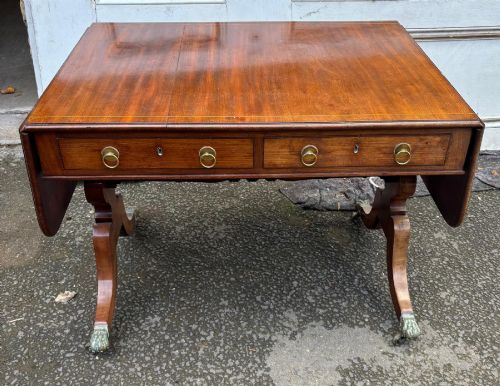
Cabinetmakers constructed these desks using dense timbers such as mahogany, walnut, satinwood, and yew wood, frequently selecting flame mahogany veneers for prominent surfaces. These woods were chosen for their durability and rich grain patterns, which were enhanced through careful polishing and oiling.
Working methods combined structural carcase joinery with decorative elements like carved pillars, brass hardware, and inset leather writing surfaces. Secondary elements such as hidden drawers and tapered legs demanded precise woodworking skills from the makers.
Classic Desk Retail Price Guide 2026
Typical asking prices for classic desk among the pieces listed under this phrase on Sellingantiques today, from the lower quarter to the upper quarter. They describe what is for sale here now, not the wider market.
Some desks hide secret compartments behind dummy drawer fronts, built to keep love letters safe from curious eyes.
What varies in quality
Internal construction dictates the longevity and tactile feel of the piece, visible in the dovetailing of drawer boxes and the smooth operation of sliding surfaces. Original brass handles, intact leather inserts, and structurally sound pedestals elevate a piece above standard utilitarian examples.
Maple and Co·Jean de Roncourt·Bruno Zach·Royal Worcester
The Classic Desk Glossary
- Pedestal desk
- A heavy freestanding desk comprising two supporting pedestals of drawers with a central connecting section containing a drawer above the kneehole.
- Partners desk
- A large double-sided pedestal desk designed with drawers and cupboards on both sides so two people could work opposite each other.
- Writing bureau
- A desk featuring a sloping fall-front lid that opens to reveal a fitted interior of small drawers and pigeonholes.
- Flame mahogany
- A decorative veneer cut from timber where the branches join the trunk, producing a rippling, flame-like pattern across the wood.
- Satinwood
- A pale, hard timber with a natural sheen, frequently used for stringing, inlay, or entire writing surfaces in high-status furniture.
Classic Desk: Frequently Asked Questions
How do I identify a Victorian desk?
Victorian desks are typically heavier and darker in appearance, often constructed from solid mahogany or walnut with substantial proportions. They frequently incorporate deep pedestal drawer banks and sometimes leather-lined writing surfaces.
Closer inspection reveals period construction methods, such as hand-cut dovetails in the drawer boxes and traditional brass hardware that reflects nineteenth-century manufacturing styles.
Where should I place a freestanding desk?
A freestanding desk is designed to be viewed from all angles, making it ideal for the centre of a room rather than pushed against a wall. Partners desks and finished pedestal desks work particularly well in open spaces.
Ensure there is adequate clearance around the piece for chairs to pull out comfortably, allowing the finished back and sides to remain visible as a room's focal point.
What is flame mahogany?
Flame mahogany is a figured wood veneer taken from the point where a branch meets the main trunk of the tree. The cutting process reveals a distinctive, fiery rippling pattern across the timber.
Cabinetmakers utilised this striking grain on the primary surfaces of fine desks and tables to create visual movement and a sense of luxury.