
Circa 1900 Rug
A circa 1900 rug brings the rich visual heritage of Persian, Anatolian, and Central Asian weaving directly into modern interiors.
Circa 1900 Rug
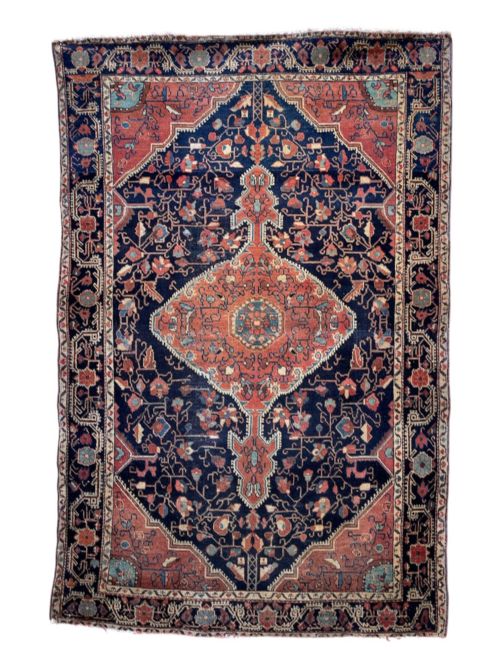
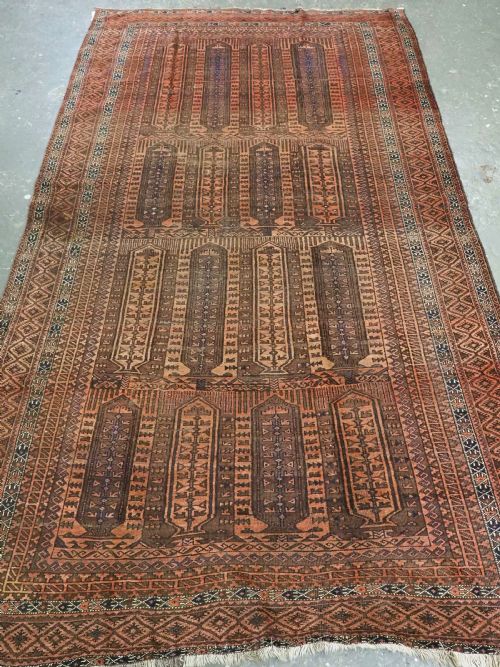
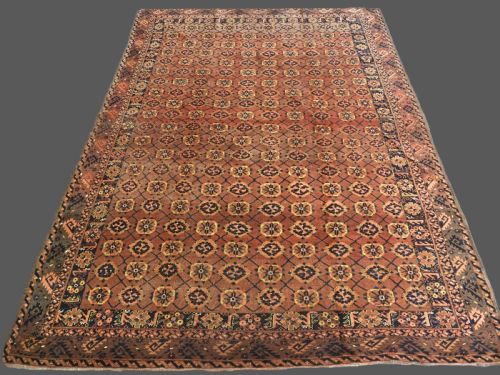
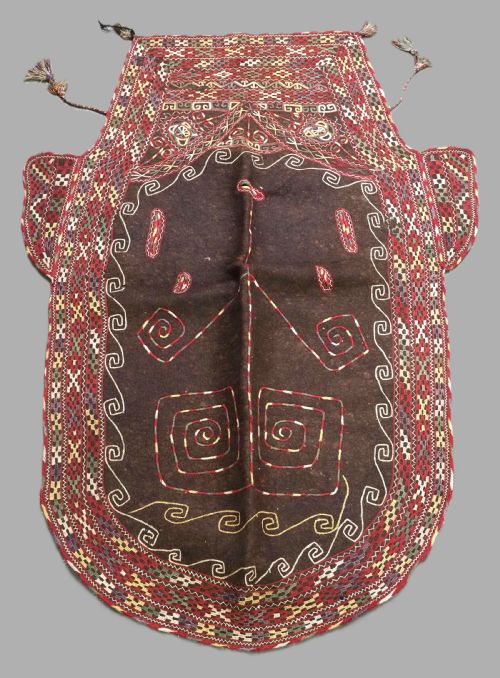
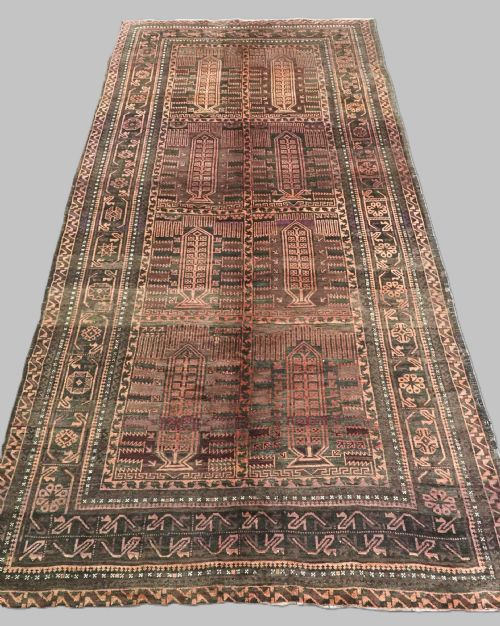
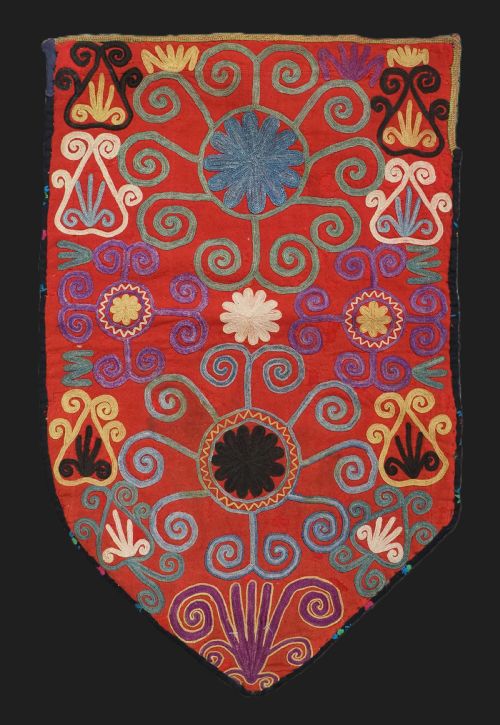
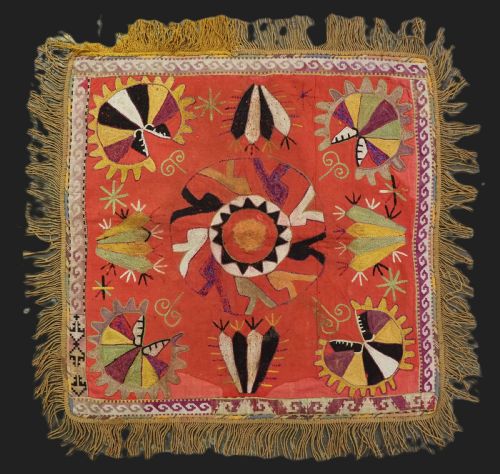
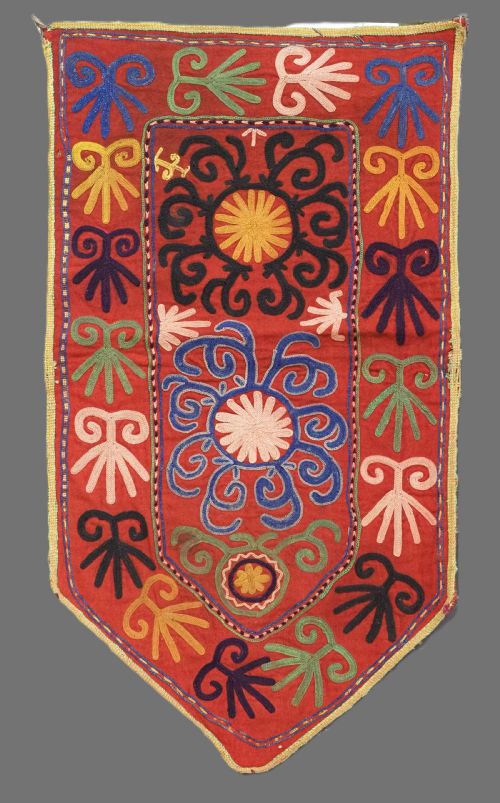
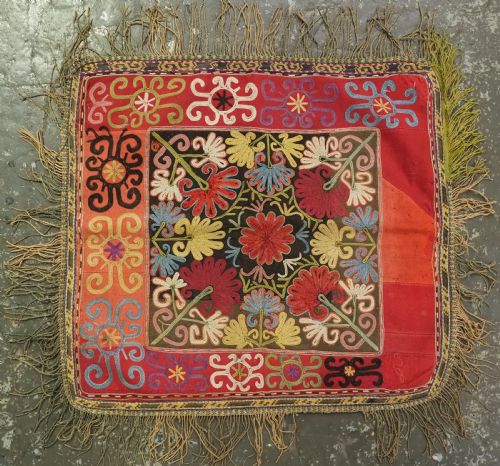
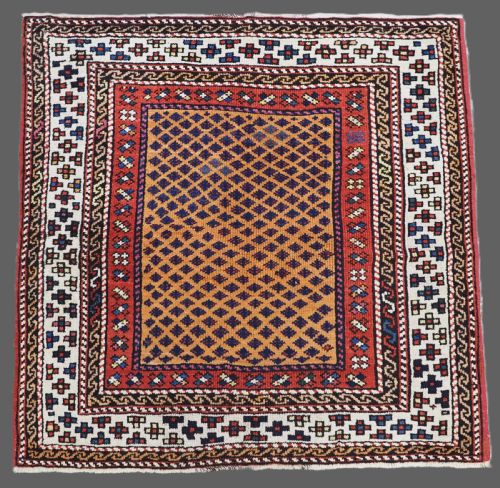
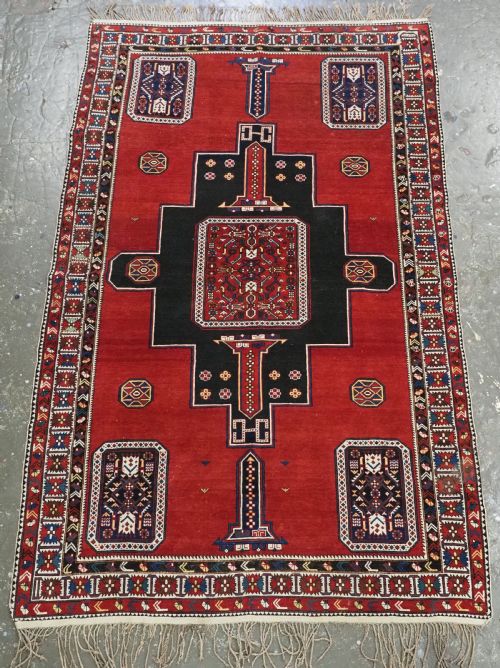
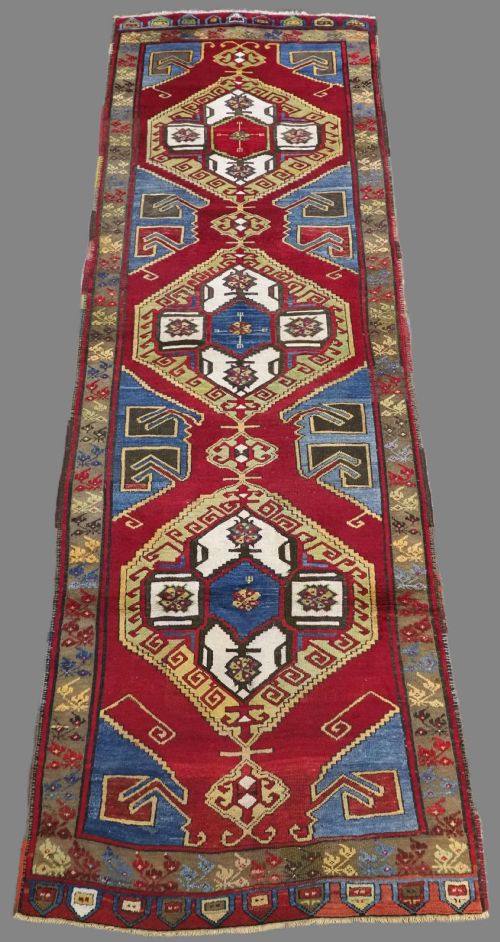
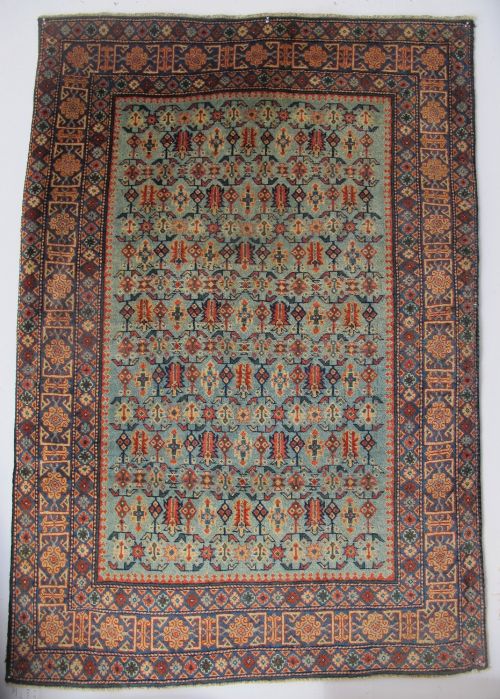
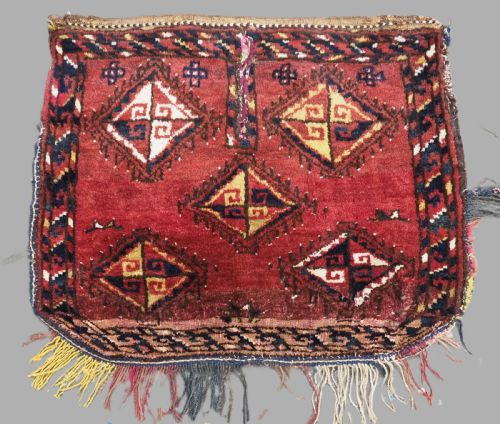
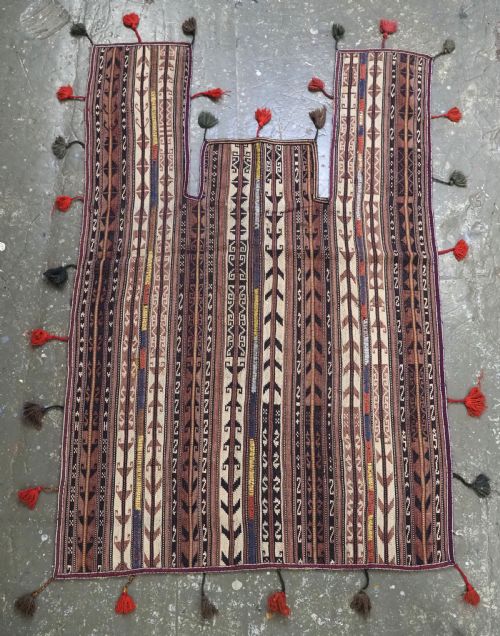
When searching for a circa 1900 rug, collectors encounter a diverse array of hand-knotted carpets, tribal trappings, and embroidered wall hangings originating from Persia, Turkey, the Caucasus, and Central Asia. These textiles represent the traditional domestic output of village weavers and nomadic tribes working at the turn of the twentieth century.
Nomadic and village pieces dominate the selection, offering distinct geometric motifs, tribal guls, and symbolic animal designs rather than strict court symmetry. Each textile serves as a functional artefact of daily life, ceremony, or dowry preparation from an era bridging traditional craftsmanship and early antique trade.
How they were made
Weavers constructed these carpets predominantly with hand-spun wool foundations and pile, utilising natural dyes derived from plants and insects to achieve rich madder reds, deep indigos, and warm earth tones. Certain finer urban pieces and tribal dowry items incorporated silk highlights or silk-on-silk foundations to add luminous detail to the design.
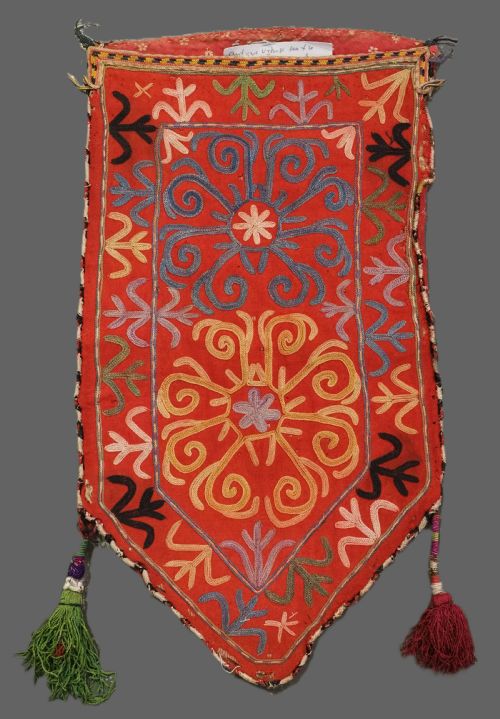
Nomadic textiles frequently utilised heavy felt, felted wool, or plain-weave backs alongside knotted pile, particularly in utilitarian items such as horse blankets, saddle covers, and storage bags. Specialised techniques like ikat dyeing and complex needlework embroidery characterised the decorative wall panels and dowry trappings produced in Central Asian regions.
Nomadic weavers occasionally wove playful animal figures and tiny comb amulets directly into tribal borders to ward off the evil eye.
What varies in quality
The standard of materials forms the foundation of distinction among these textiles, separating examples utilising resilient, lanolin-rich hand-spun wool and saturated natural dyes from those with lesser fibre preparations. Finely knotted pile and tight structural weaves demand exceptional skill, yielding greater durability and structural integrity over decades of use.
Design execution and chromatic harmony elevate superior examples above standard village output, distinguishing balanced, purposeful compositions from hurried or repetitive work. The presence of original decorative elements, such as surviving tassels, intact plain-weave backs, and undisturbed borders, preserves the historical integrity prized by collectors.
The Circa 1900 Rug Glossary
- Gul
- A repeating octagonal medallion motif frequently found in Turkmen tribal carpets and dowry bags. These primary design elements often identify the specific clan or nomadic group responsible for the weaving.
- Ikat
- A dyeing technique where bundles of yarn are tightly wrapped and resist-dyed prior to weaving to create characteristic blurred, feathered pattern edges. Artisans in Central Asia utilised this method extensively for vibrant silk and semi-silk fabric panels.
- Mihrab
- A stylized arch design indicating the prayer niche found on Islamic rugs. This directional motif points toward Mecca during daily devotions and structures the central field of regional prayer carpets.
- Suzani
- A large, decorative embroidered textile hand-stitched in Central Asia as part of a bride's dowry. These pieces typically feature silk embroidery on cotton or silk foundations with bold floral and botanical motifs.
- Torba
- A small, wide storage bag produced by Turkmen nomads for domestic use inside a yurt. These functional pieces display intricate face designs and were suspended against tent walls.
Circa 1900 Rug: Frequently Asked Questions
How do I identify a tribal rug?
Tribal rugs typically display geometric patterns, memory-driven nomadic motifs, and asymmetrical village structures rather than precise urban symmetry. They reflect the regional traditions and daily symbolism of specific wandering or settled groups.
Examining the back of the textile reveals hand-spun wool irregularities and casual finishing techniques characteristic of domestic production rather than large workshop manufacture.
How should I care for an antique rug?
Protect antique textiles by placing them in low-traffic areas or utilising them as wall hangings to minimise fibre degradation. Regular, gentle vacuuming without a rotating power brush removes embedded dust safely.
Professional specialist cleaning is recommended to address accumulated dirt without damaging natural dyes or fragile wool foundations.
Are these rugs made with natural dyes?
Many turn-of-the-century carpets and tribal trappings rely on traditional natural dye sources such as madder root and indigo for their coloration. These botanical and insect dyes yield deep, complex tones that age gracefully over time.
Subtle abrash, or tonal variation within a single colour field, often indicates the use of hand-prepared dye baths across different yarn batches.