
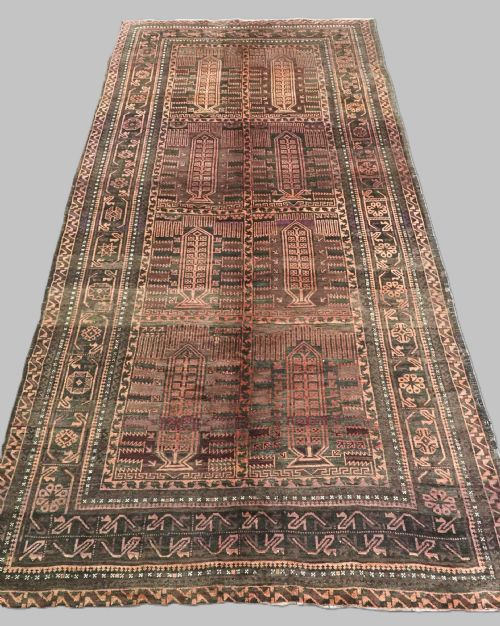
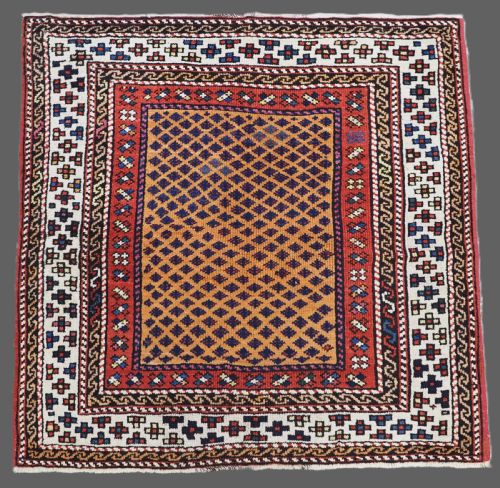
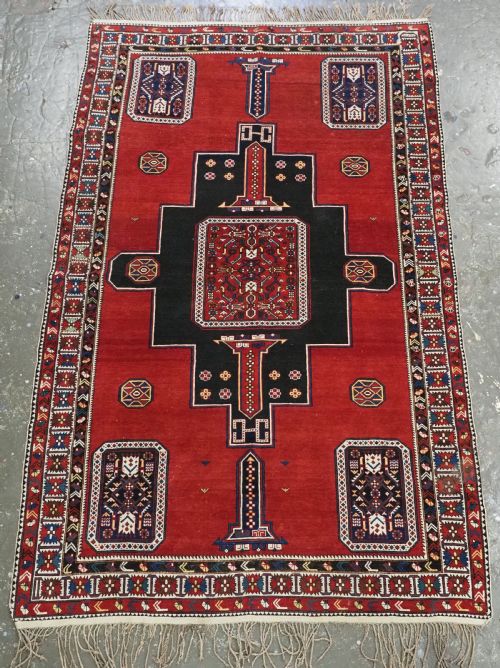
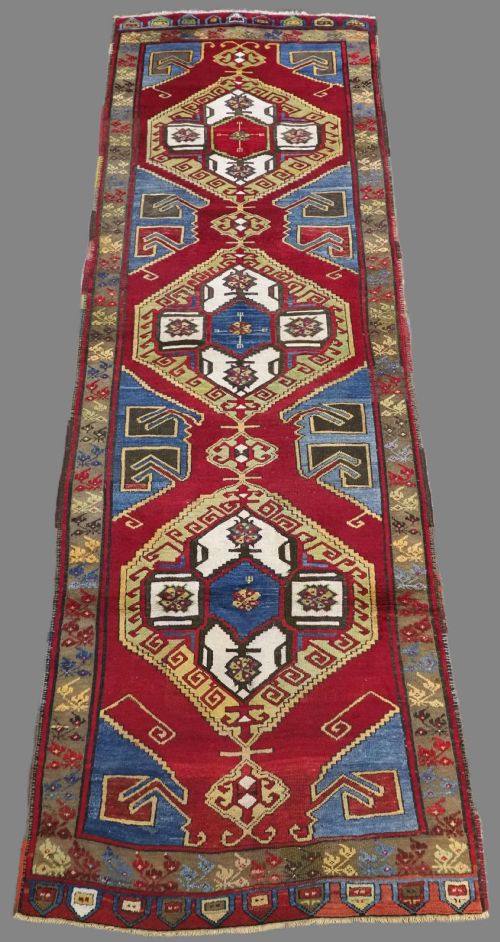

Circa 1900 Carpet
A circa 1900 carpet delivers heavy floor-anchoring presence and rich vegetable tones born at the turn of the twentieth century.
Circa 1900 Carpet
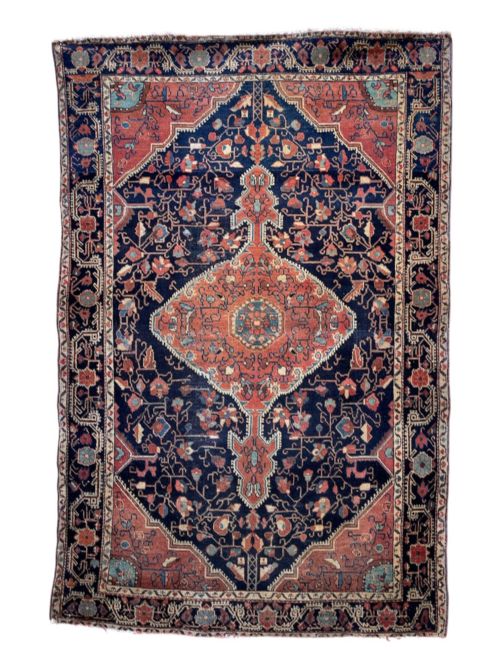
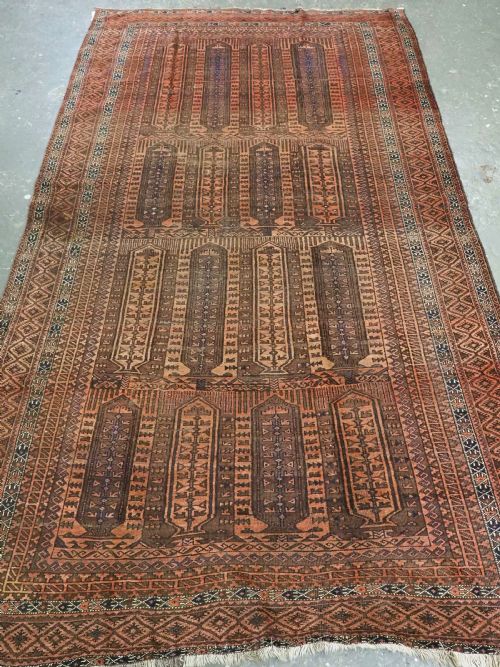
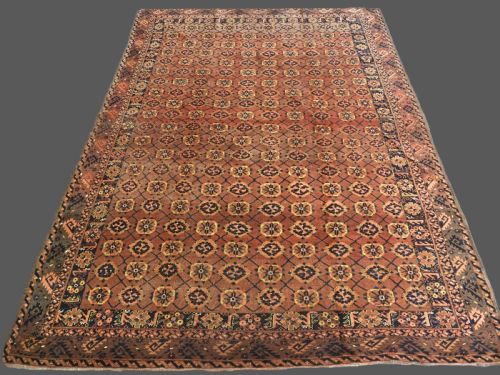
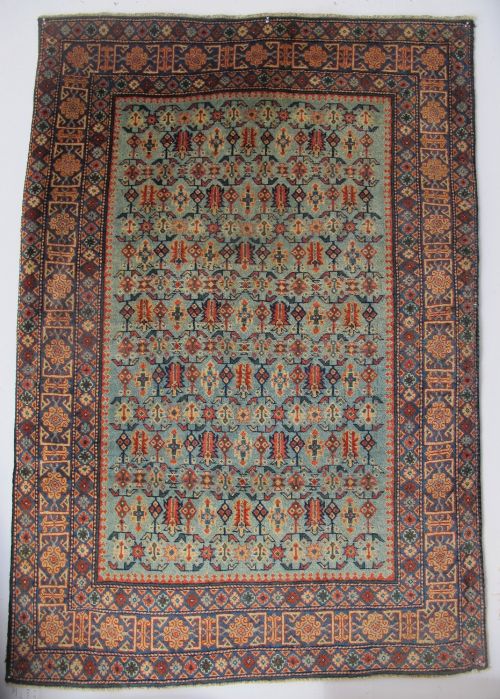
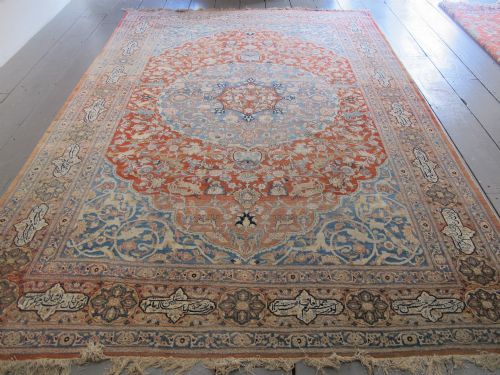
When browsing for a circa 1900 carpet, buyers encounter hand-knotted room-sized Persian centerpieces, nomadic tribal rugs from Central Asia, and geometric runners from Caucasian and Anatolian workshops. These floor coverings span the transition from nineteenth-century village traditions to early twentieth-century urban commerce, reflecting diverse regional aesthetics.
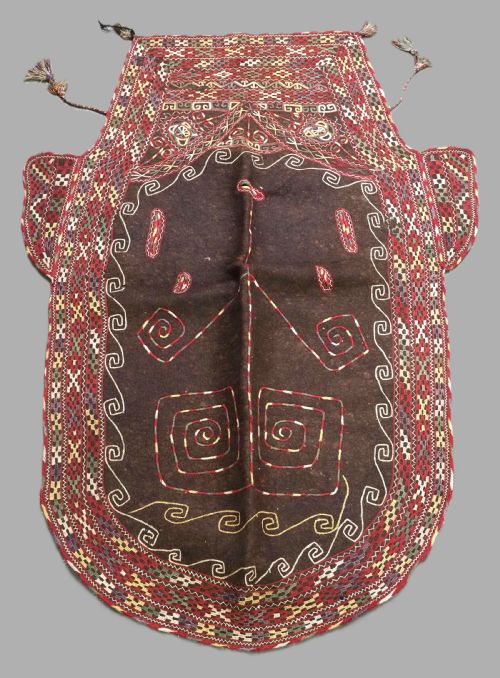
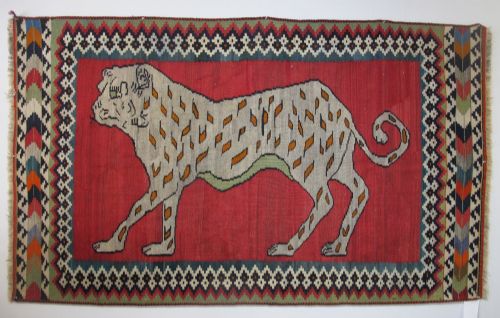
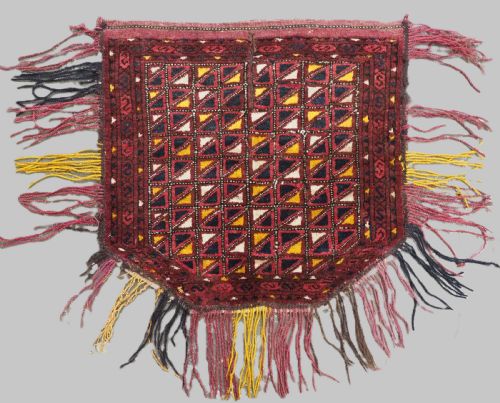
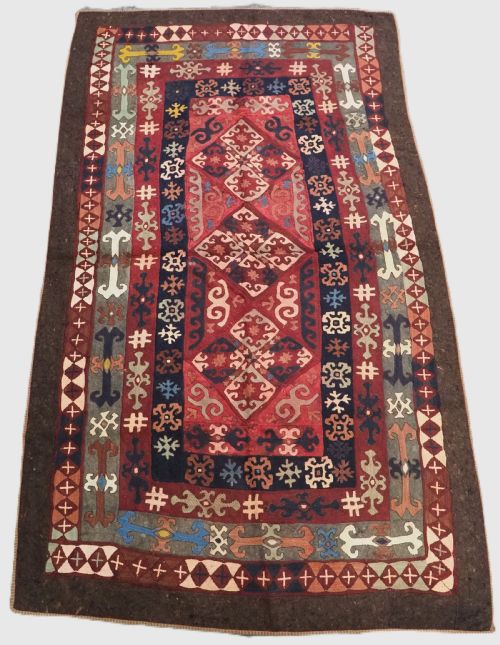
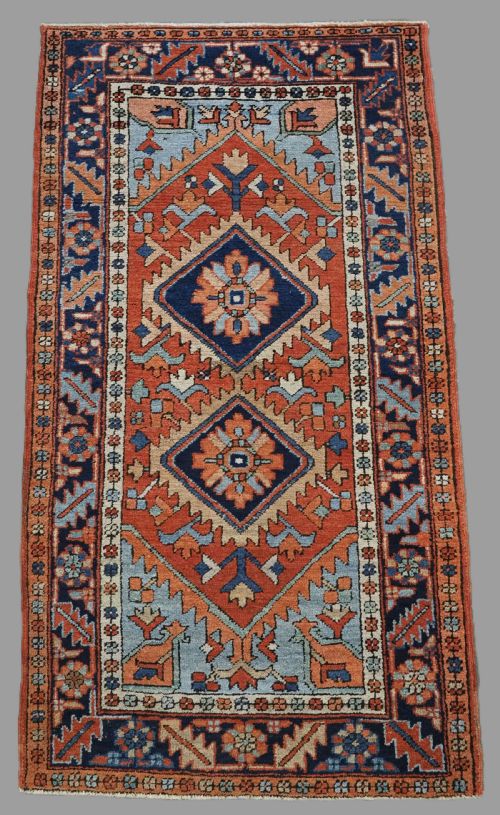
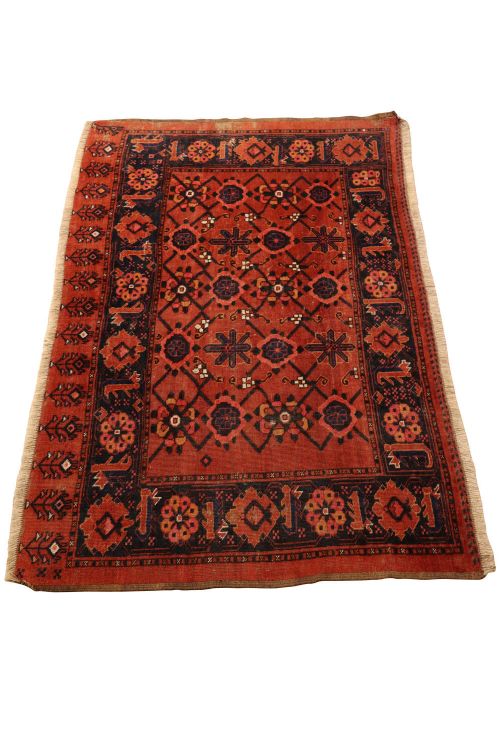
Village formats like Heriz and Mahal provide robust room-scale dimensions suited to heavy foot traffic, whereas nomadic Turkmen and Baluch pieces offer compact chuvals, torbas, and prayer rugs. Flatwoven kilims and embroidered felt horse blankets supplement the pile carpets, representing utilitarian nomadic crafts.
Originating primarily across Persia, Turkey, the Caucasus, and Central Asia, these textiles use traditional motifs including repeated guls, cruciform medallions, and bold geometric lattices. The selection balances monumental town carpets with intimate tribal expressions.
Evaluating Craft and Condition
Quality diverges based on the purity and consistency of the natural dyes used across the field, where rich, varied abrasch indicates authentic hand-dyeing batches. Finer knot density and precise execution of intricate geometric or curvilinear designs distinguish superior town weaves from simpler village production.
Physical preservation dictates long-term utility, with pile retention, secure foundations, and intact original borders holding primary importance. Pieces retaining untouched tassels and minimal restoration command greater appreciation among collectors seeking original states.
Listings feature regional wool and cotton textiles spanning Persian, Caucasian, Anatolian, and Central Asian tribal traditions.
Arthur Lasenby Liberty·Gavin Morton·Haji Jalili
The Circa 1900 Carpet Glossary
- Gul
- A primary octagonal or stamped medallion motif characteristic of Turkmen and Central Asian carpet design. It frequently repeats in structured rows down the central field.
- Kilim
- A flatwoven textile produced by tightly interweaving warp and weft strands without creating a raised pile. These lightweight panels function as rugs, wall hangings, and storage bags.
- Abrash
- Variations in wool colour caused by differences in dye batches or hand-spun yarn lots. It produces a natural, streaked tonal shift across the woven field.
- Ensi
- A specific Turkmen tribal rug layout featuring a characteristic candelabra pattern dividing the field into quadrants. These textiles historically served as tent door hangings.
- Sofreh
- A utilitarian flatwoven or piled cloth used historically for spreading meals or processing dough. They display minimalist tribal geometry.
Circa 1900 Carpet: Frequently Asked Questions
How do I clean an antique rug?
Gentle surface vacuuming without the beater bar removes loose grit trapped deep within the wool pile. Professional hand-washing remains necessary for deep cleaning to protect fragile cotton foundations and natural dyes.
Water immersion should be handled exclusively by specialists experienced in antique textiles. Harsh chemical detergents strip the natural lanolin from the wool and alter the original dye chemistry.
Can I place these carpets in high-traffic hallways?
Robust village runners and heavy wool room-sized carpets withstand moderate foot traffic when paired with a quality rug underlay. The dense wool pile absorbs impact and resists crushing in active living spaces.
Delicate flatweaves, silk-threaded pieces, and ceremonial embroideries perform better in low-traffic areas or displayed safely on walls. Proper placement prevents premature abrasion of the ancient wool foundations.
How do I distinguish Persian from Caucasian pieces?
Persian carpets from regions like Heriz or Tabriz tend to feature balanced floral curves, large central medallions, and curvilinear borders. Their construction often incorporates supple cotton foundations with dense wool pile.
Caucasian weaves from Shirvan or Kuba favor starker geometry, bold primary colours, and rectilinear star or cruciform motifs. Their structures typically present distinct wool-on-wool construction with heavier, stiffer handles.
What is the purpose of nomadic torbas?
Nomadic families utilised torbas as smaller functional storage bags hung inside tents to keep household goods organised. Their compact formats display tribal motifs equivalent to larger main carpets.
Today, these surviving bag faces function effectively as small accent rugs or decorative wall hangings. They provide concentrated examples of regional weaving techniques without requiring large floor spans.