
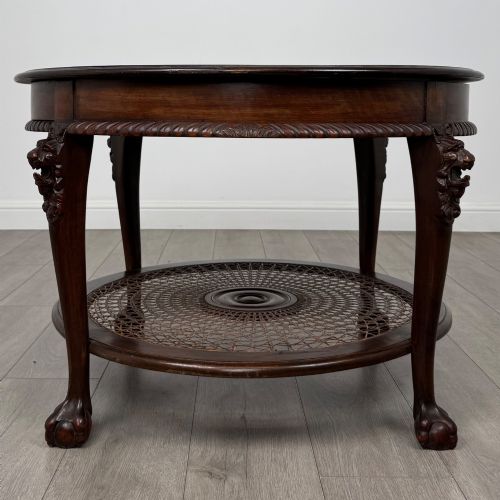
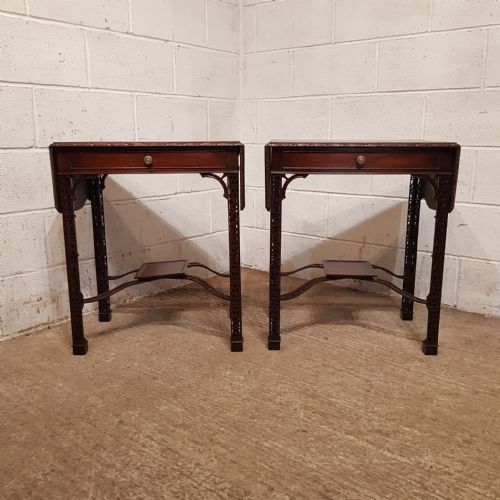
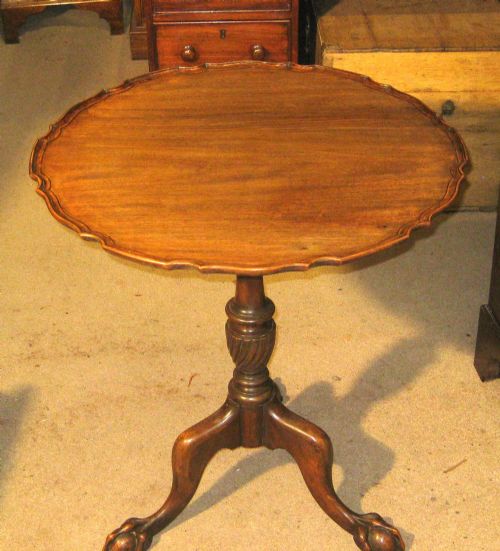
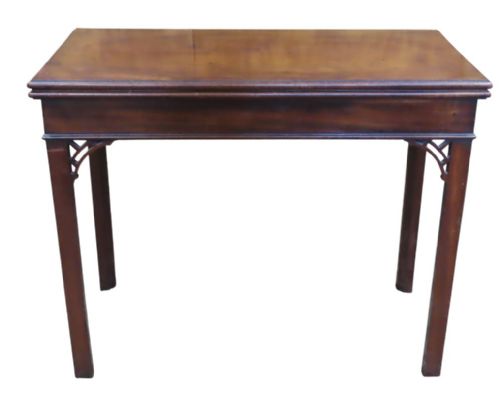
Chippendale Tea Table Mahogany
A chippendale tea table mahogany brings the refined proportion and carved detail of the eighteenth century into modern rooms.
Chippendale Tea Table Mahogany
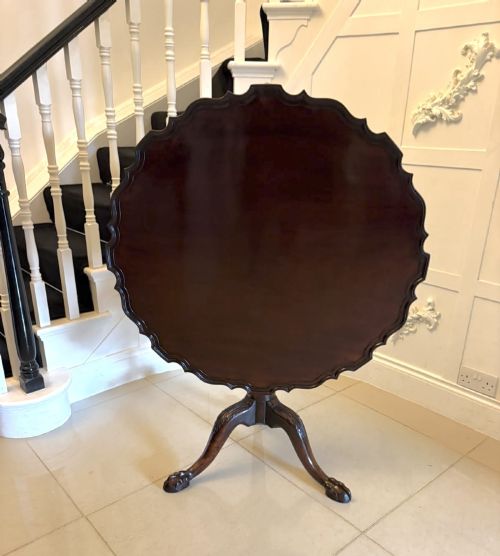
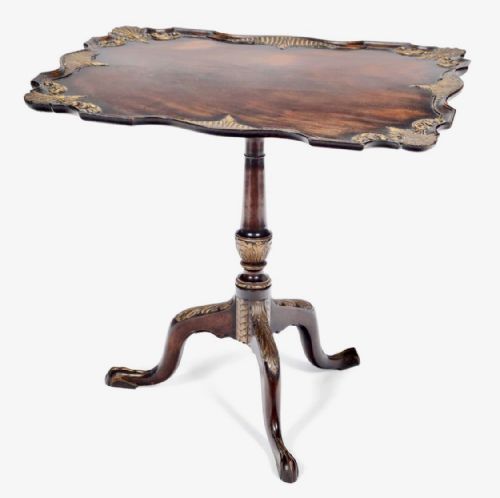
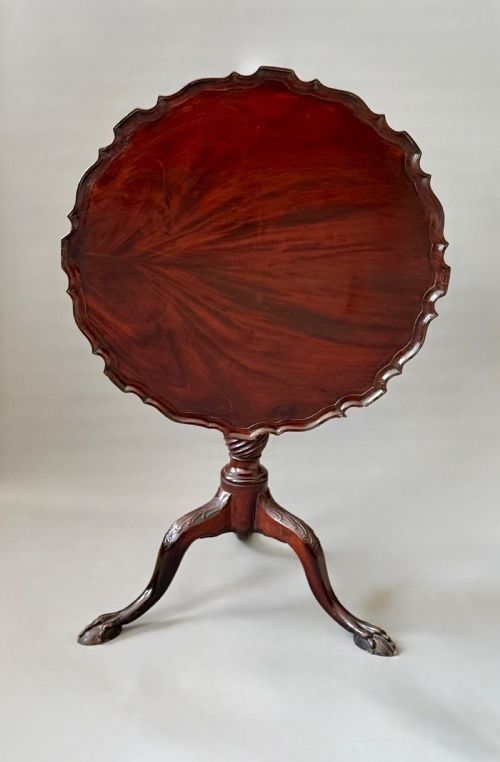
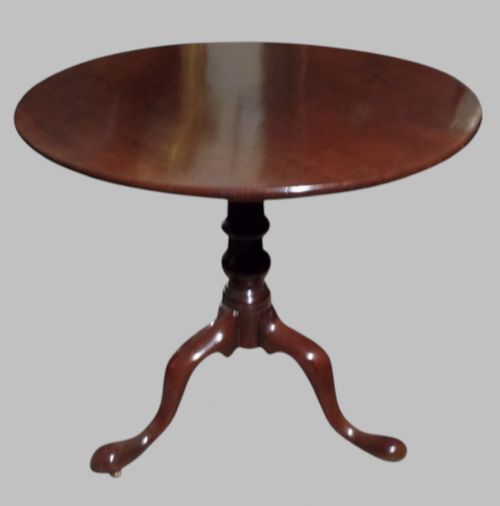
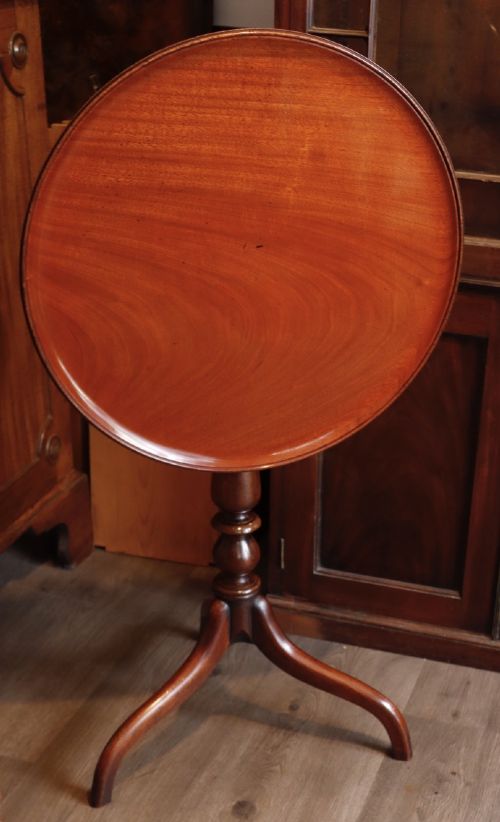
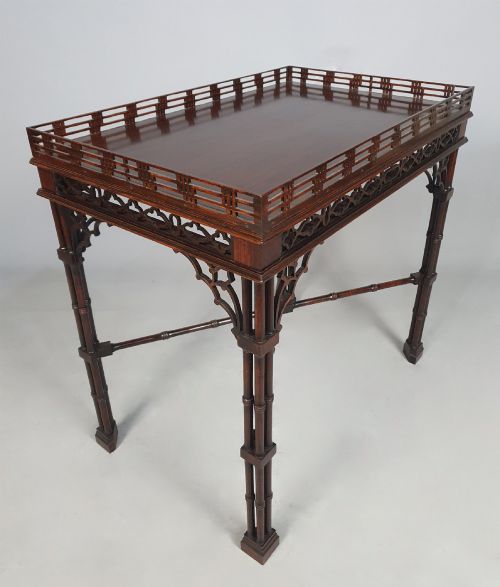
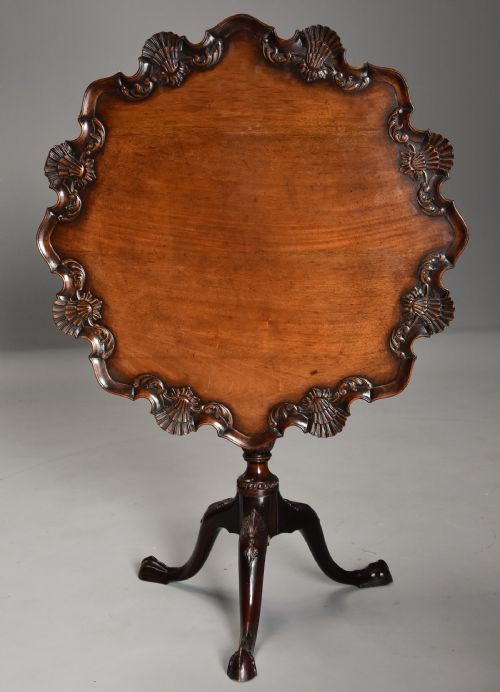
A chippendale tea table mahogany embodies the domestic elegance of the Georgian period, designed specifically for the social ritual of serving tea. These pieces range from tripod tables with tilting tops and birdcage mechanisms to rectangular fold-over console tables and silver tables with galleried rims.
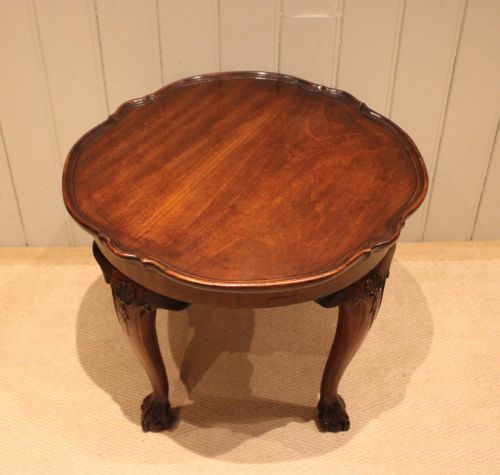
The selection encountered spans authentic eighteenth-century examples from the George II and George III eras alongside later interpretations from the Victorian, Edwardian, and twentieth-century revival periods. Forms vary from simple occasional tables to elaborate serpentine designs and Chinese Chippendale pieces featuring intricate fretwork.
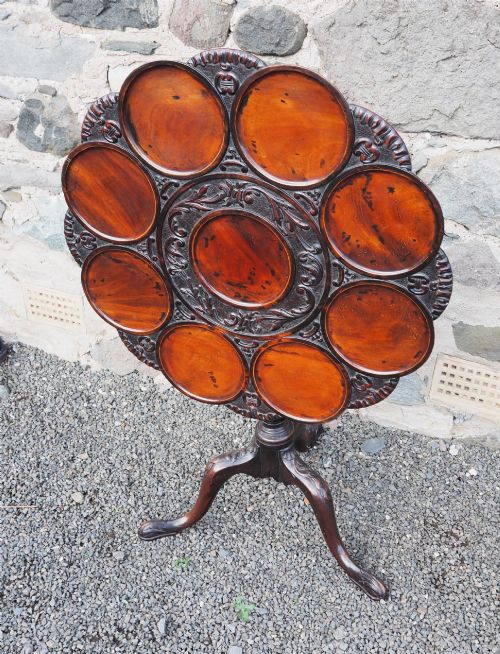
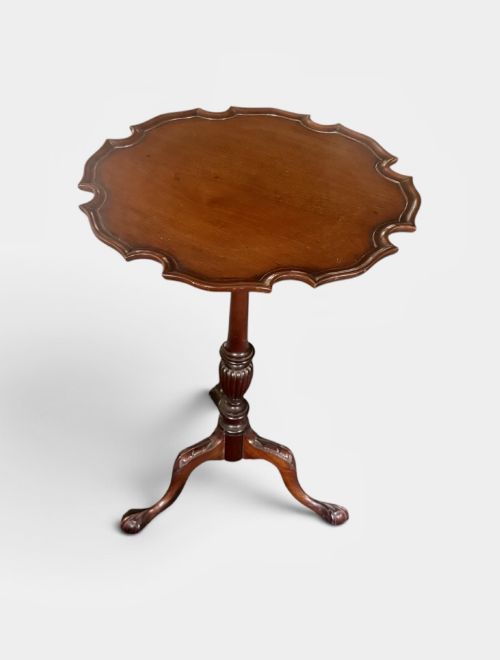
Buyers will find both circular tilt-top supper tables supported on carved tripod bases and rigid-frame tables intended to stand permanently against a wall. Each version serves the modern collector as a functional surface with distinct historical character.
Materials and Construction
Makers relied primarily on solid mahogany and dense Cuban mahogany, occasionally incorporating contrasting elements of padauk, walnut, brass inlay, and parcel gilt. Timber selection dictated the depth of colour and the stability required for intricate carving.
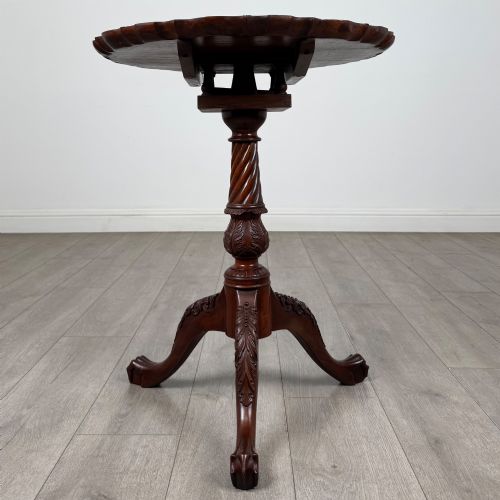
Joinery techniques included concertina actions for folding card and tea tables, birdcage mechanisms allowing circular tops to rotate and tip, and tenon joints secured without modern adhesives. Carvers shaped the solid timber directly to form pie crust edges, claw and ball feet, and elaborate friezes.
Some tilt-top tables include a birdcage mechanism so lively it seems ready to fly away the moment tea is served.
Judging Quality and Execution
The distinction between standard examples and the finest work lies in the crispness of the hand carving on the knees, edges, and ball-and-claw feet. Crisp undercut foliage and sharply defined pie crust rims separate master craftsmanship from routine production.
Original surface preservation and undisturbed patination heavily influence the standing of a piece. Examples retaining their early finish show a warmth and depth in the mahogany grain that stripped or heavily restored surfaces lack.
The Chippendale Tea Table Mahogany Glossary
- Birdcage
- A wooden framework beneath the tabletop that allows the surface both to tilt and to rotate. This mechanism utilises a series of small turned columns.
- Pie Crust
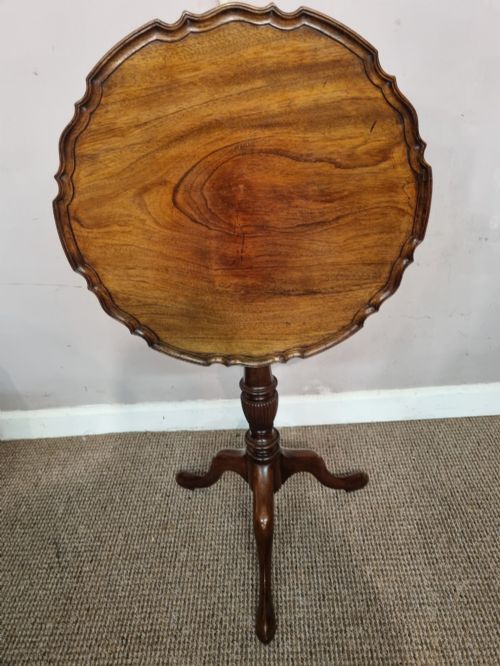
- A raised, scalloped edge carved directly from the solid mahogany top of a tripod table. The undulating profile resembles traditional pastry work.
- Concertina Action
- An expanding frame mechanism used on fold-over tables that extends the rear legs outward when the top is opened. This provides stable support for the extended leaf.
- Serpentine
- A furniture front or tabletop shaped with a central convex curve flanked by two concave curves. It requires precise timber selection and joinery.
- Galleried Top
- A raised miniature railing surrounding the perimeter of a tabletop to prevent items from sliding off. These galleries are frequently pierced or fretted.
Chippendale Tea Table Mahogany: Frequently Asked Questions
What is a birdcage mechanism?
A birdcage mechanism is an ingenious wooden assembly fitted beneath the tabletop of a tripod table. It connects the top to the central pillar, allowing the surface to both pivot vertically and rotate horizontally.
This construction made the table easier to store against a wall when not in use. Collectors look for smooth rotation and tight joints within this wooden cage.
How do I use a tea table today?
A tea table works well as a central display surface, a bedside stand, or a compact side table in a sitting room. The smaller tripod versions fit easily beside armchairs.
Fold-over and console variants provide a narrow profile against a wall that expands when needed. Their timber surfaces benefit from coasters and gentle care rather than heavy daily wear.
How do I distinguish eighteenth-century pieces?
Eighteenth-century examples display construction methods appropriate to the period, such as hand-cut dovetails, pegged joints, and native timbers finished with traditional wax. Tool marks left by hand saws and chisels remain visible upon close inspection.
Revival pieces from the Victorian and Edwardian eras often utilise machine-sawn components, different secondary woods, and standardised hardware. Comparing the timber density and carving depth helps clarify the manufacturing date.