


Chippendale Style Walnut Chair
A chippendale style walnut chair offers sculptural carved timber and rich grain, uniting sturdy comfort with the enduring elegance of 18th-century design.
Chippendale Style Walnut Chair
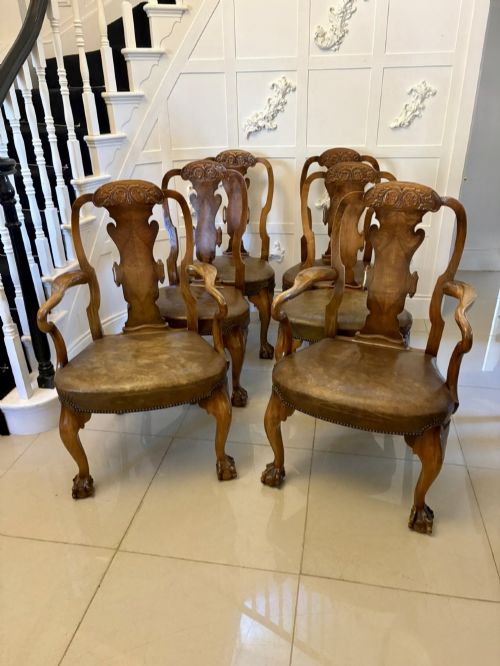
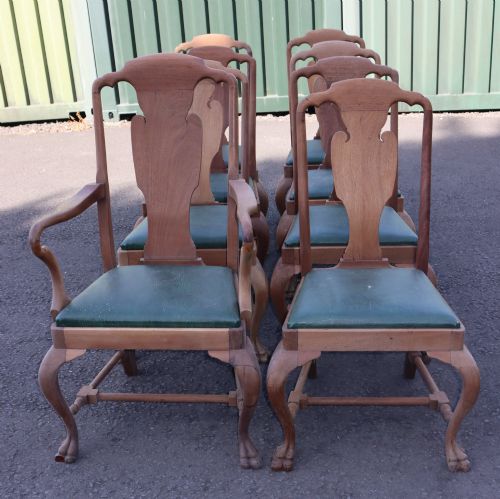
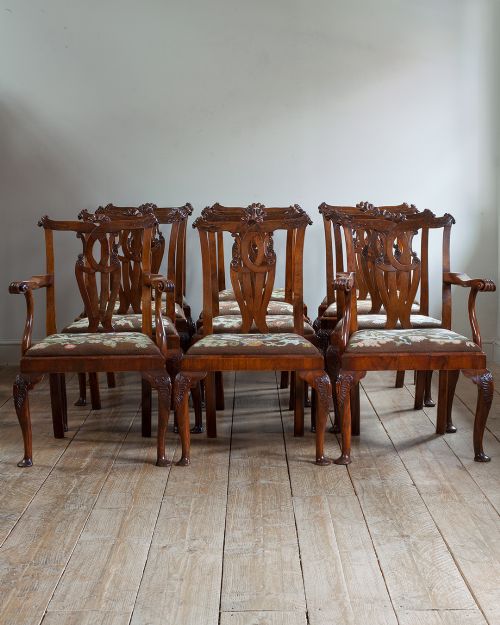
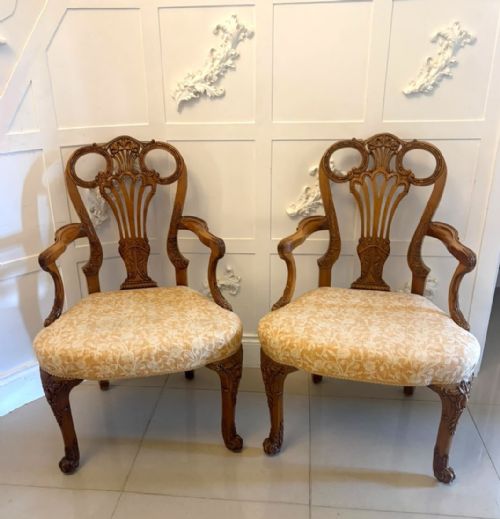
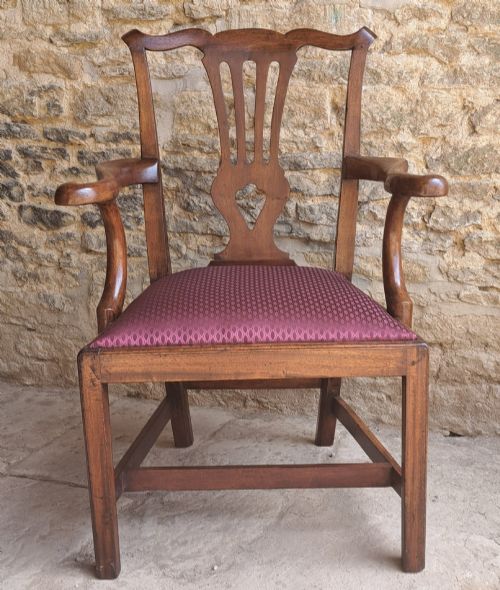
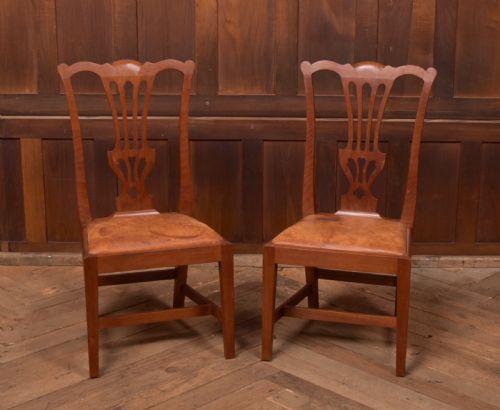
A chippendale style walnut chair encompasses a variety of seating forms designed for dining, study, and leisure, ranging from single side chairs to extensive sets. The most common examples met here include dining chairs and armchairs shaped during the 18th and 19th centuries, alongside revival pieces from the early 20th century.
Makers produced these seats in diverse configurations such as open arm desk chairs, corner chairs, children's chairs, and library armchairs. Buyers will encounter individual side chairs, matched pairs, and larger suites designed to suit formal dining rooms and studies alike.
How they were made
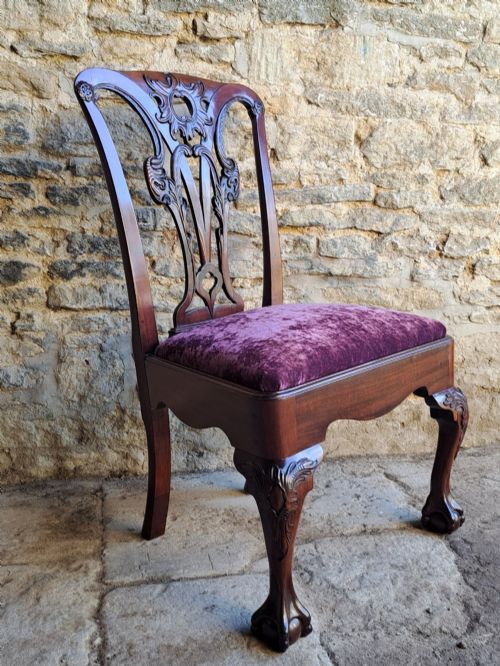
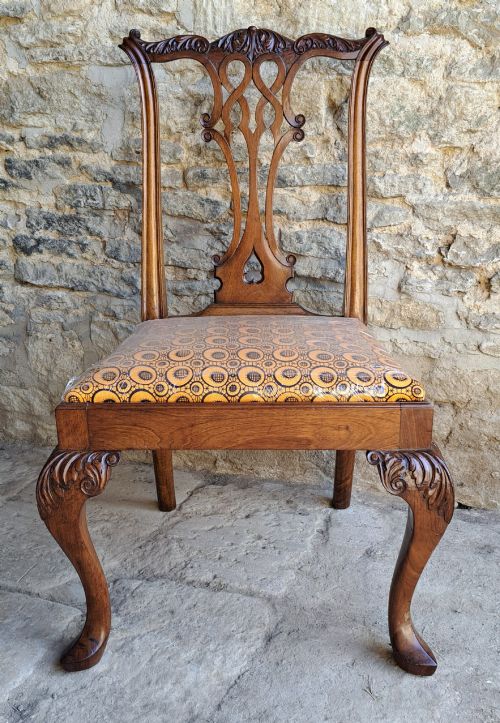
Craftsmen built these chairs primarily using solid walnut and red walnut, selected for its strong grain and suitability for intricate carving. Carved details and shaped splats define the aesthetic, relying on traditional joinery methods to ensure structural integrity across centuries.
Upholstery materials vary from period appropriate fabrics, leather, and velvet to tapestry and textile coverings. Additional elements such as brass nails or specific seat webbing complete the construction of upholstered armchairs and dining sets.
Some gossip chairs appear in the selection, proving that Victorians loved a good phone chat just as much as we do.
What varies in quality
The standard of carving distinguishes superior examples from simpler productions, particularly in the crispness of the openwork splats and the depth of relief on the legs and crest rails. Well executed walnut framing exhibits harmonious proportions and careful selection of timber grain.
The integrity of the structural frame and the authenticity of the period upholstery or replacement coverings influence the overall character. Surviving sets with uniform colour and minimal timber replacement hold distinct appeal for collectors.
The Chippendale Style Walnut Chair Glossary
- Ribbon back
- A chair back design featuring a central splat carved to resemble intertwined ribbons and flowing fabric folds. This intricate form represents some of the most ambitious cabinet work of the period.
- Gainsborough armchair
- A wide seat with open padded arms, short cabriole or straight legs, and upholstered back and seat. It was typically used as a desk or reading chair.
- Carver armchair
- A seating piece with wooden arms designed to sit at the head of a dining table or function as an occasional chair. It matches the simpler side chairs in a dining set.
- Gossip chair
- A low-backed seat designed for telephoning or casual conversation, often appearing in early 20th-century revival forms. It prioritises compact dimensions and low support.
- Corner chair
- A square-form seat designed to fit into the corner of a room, featuring a diagonal seat pad and a continuous curved backrest supported on turned columns.
Chippendale Style Walnut Chair: Frequently Asked Questions
How do I date a walnut chair?
Dating relies on examining the construction methods, tool marks, and timber characteristics visible beneath the frame. Joinery techniques and wood patination change noticeably between the mid 18th century and later revival periods.
Comparing the stylistic details, such as leg profiles and carved splats, against known period examples helps narrow down the decade of manufacture.
Are these chairs suitable for daily dining?
Many solid wood dining chairs remain robust enough for regular daily use provided the frame joints are secure. Upholstered versions may require modern internal webbing or supportive lining to withstand routine sitting.
Placing them around a dining table adds historic character to a room while fulfilling a practical seating function.
What is the difference between original and revival pieces?
Original pieces date from the 18th century and carry the authentic wear, patina, and construction methods of that era. Revival pieces, made during the Victorian and Edwardian periods, replicate those earlier historic styles using the manufacturing standards of their own time.
Both categories use walnut and traditional forms, but they reflect different centuries of craftsmanship.
How should I care for antique walnut?
Protect the timber by keeping the chair away from direct sunlight, heat sources, and rapid humidity changes that can cause the wood to dry out. Regular dusting with a soft, dry cloth preserves the natural finish without building up heavy wax layers.
Avoid commercial silicon sprays and consult a professional conservator if structural timber or upholstery requires repair.