
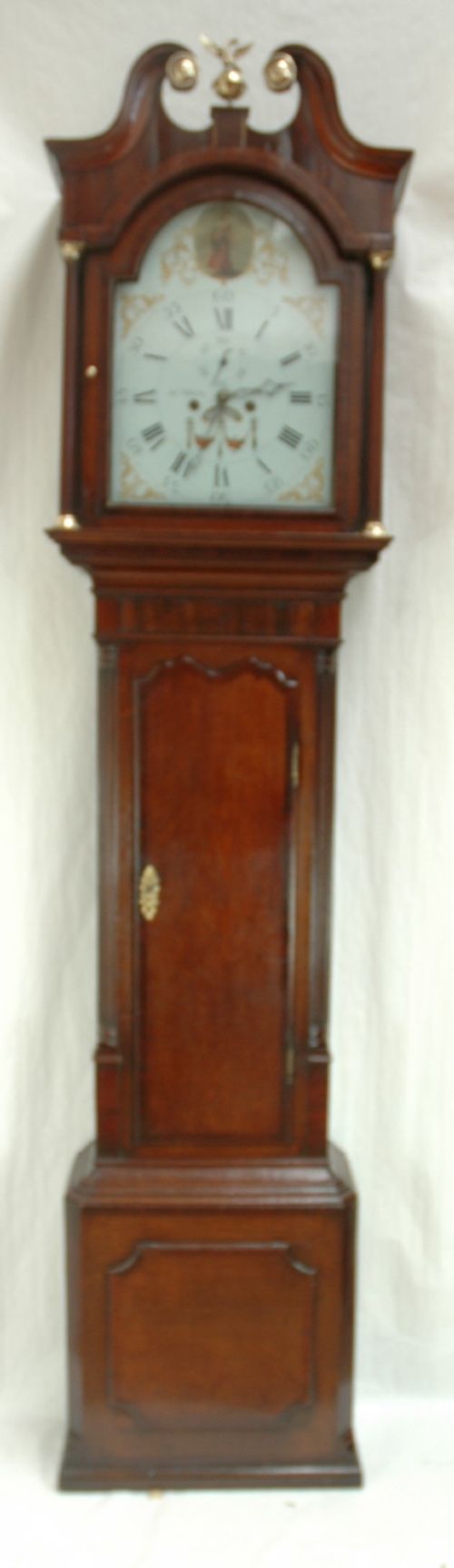


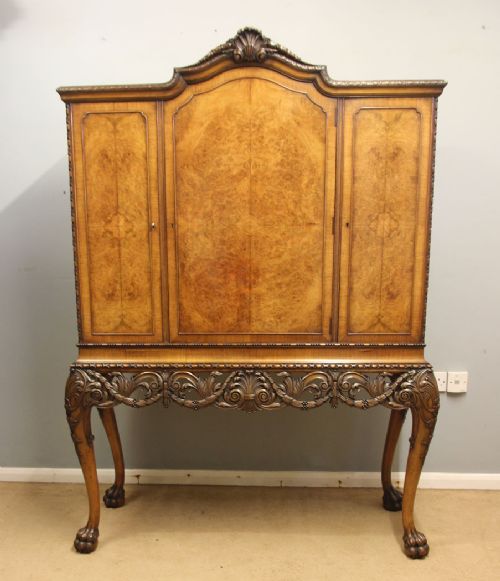
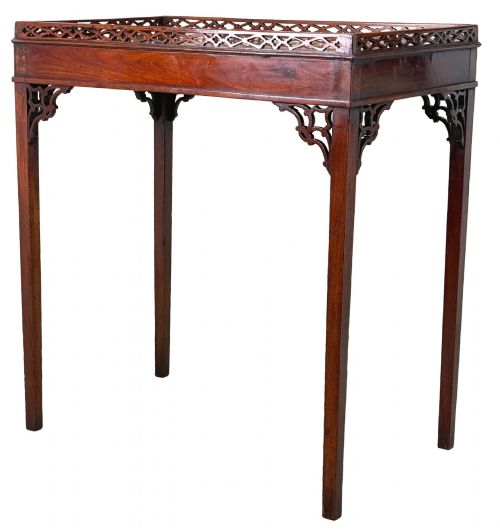
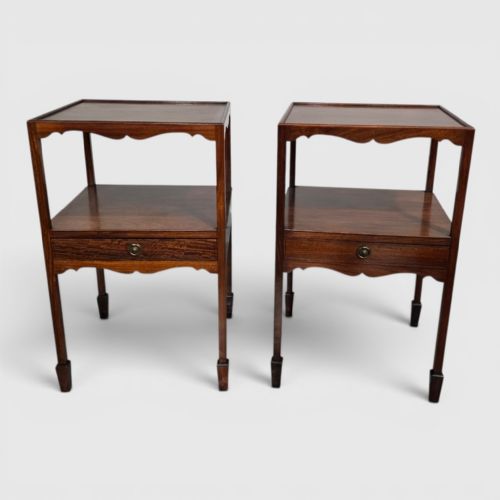
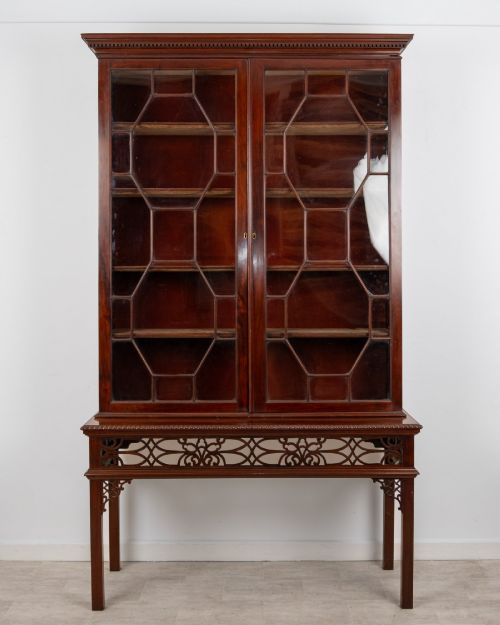
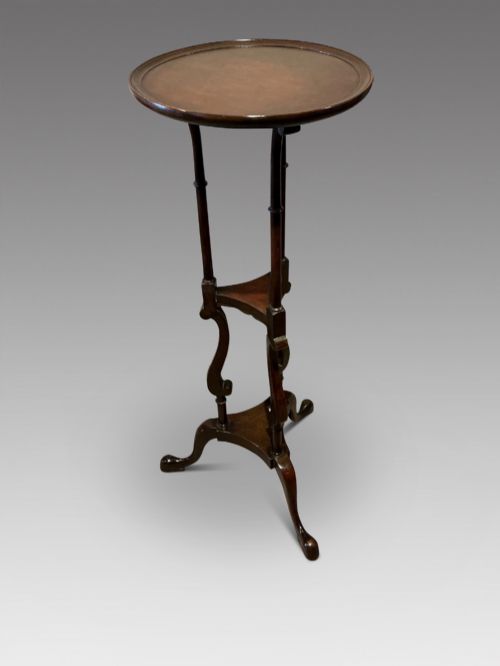
Chippendale Style Stand
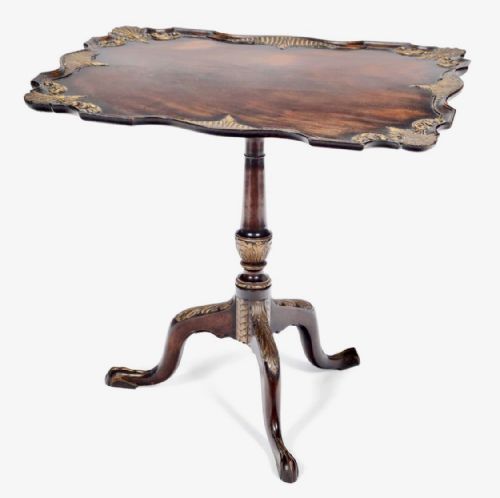
These chippendale style stand pieces bring substantial timber, carved detail, and classic tripod or tall column forms into a room.
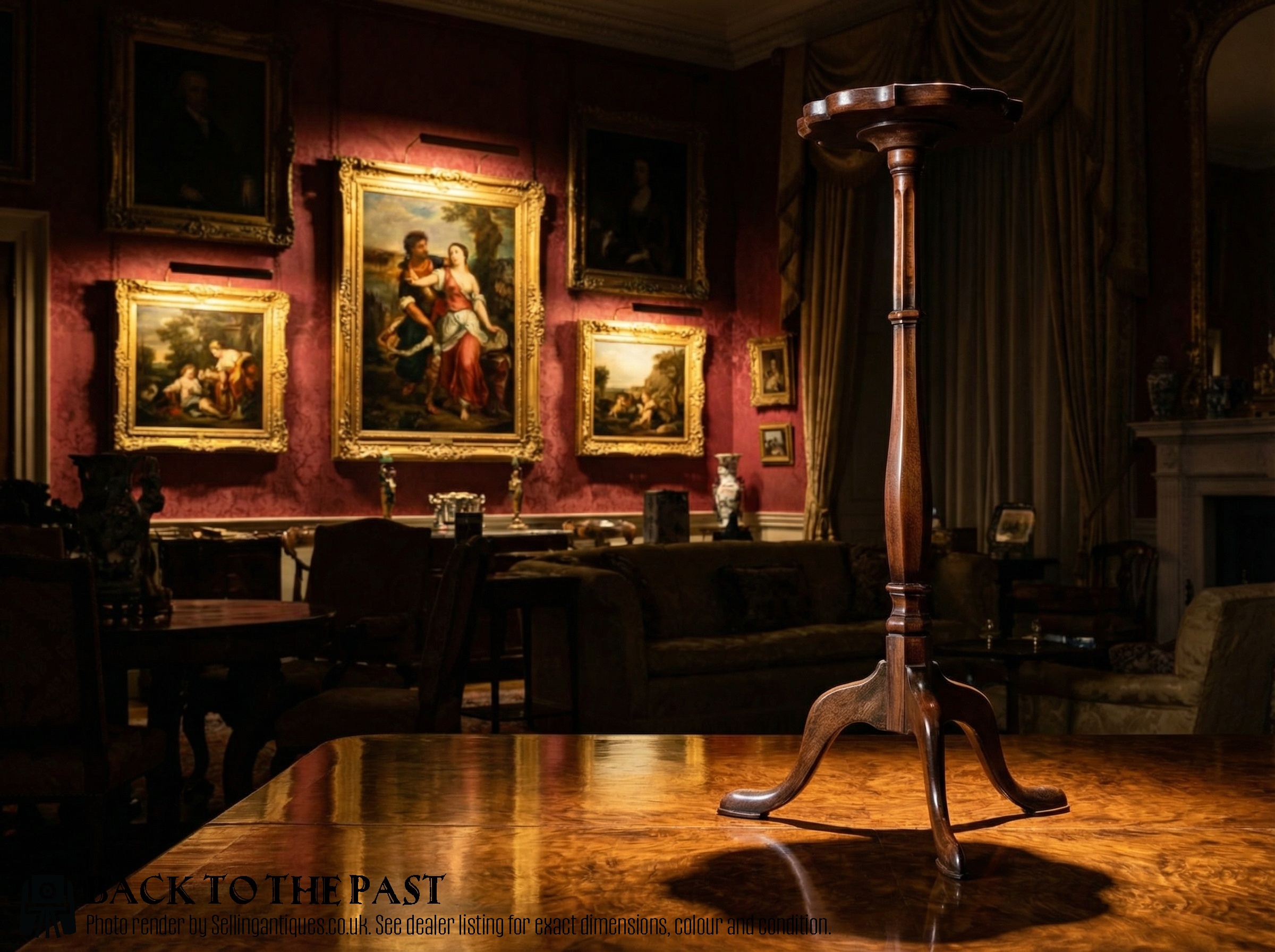
Chippendale Style Stand
A chippendale style stand encompasses a variety of raised display pieces, from tall torcheres and plant stands to compact wine tables and urn supports. These items appear across several eras, including the original eighteenth-century Georgian period as well as later revival phases spanning the Victorian, Edwardian, and early twentieth-century decades.
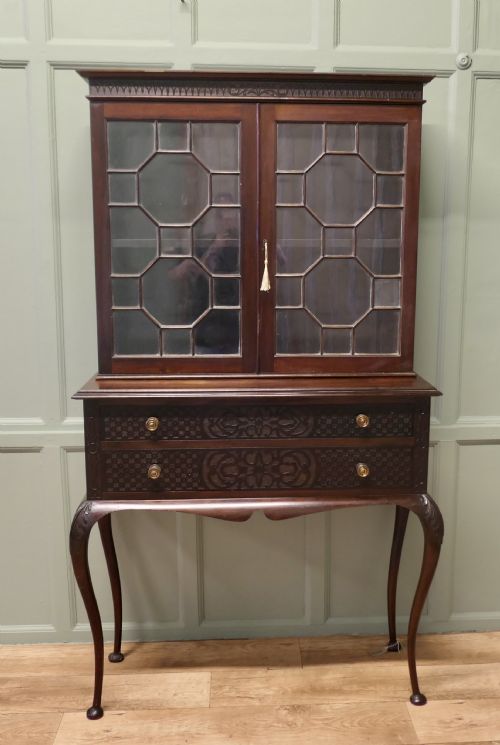
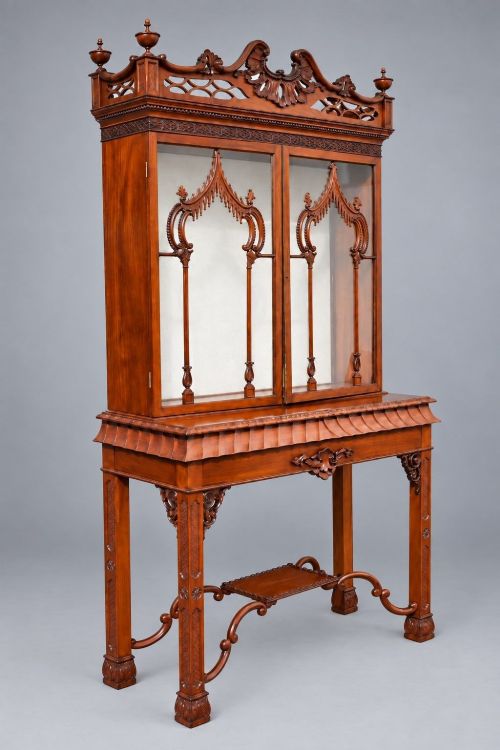
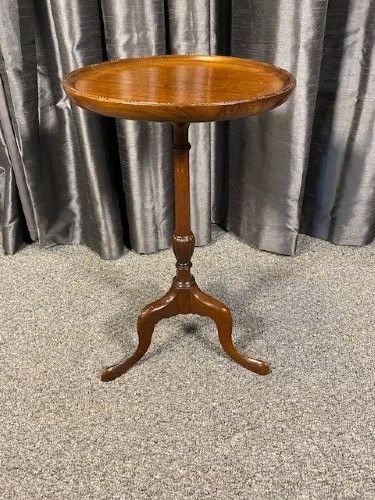
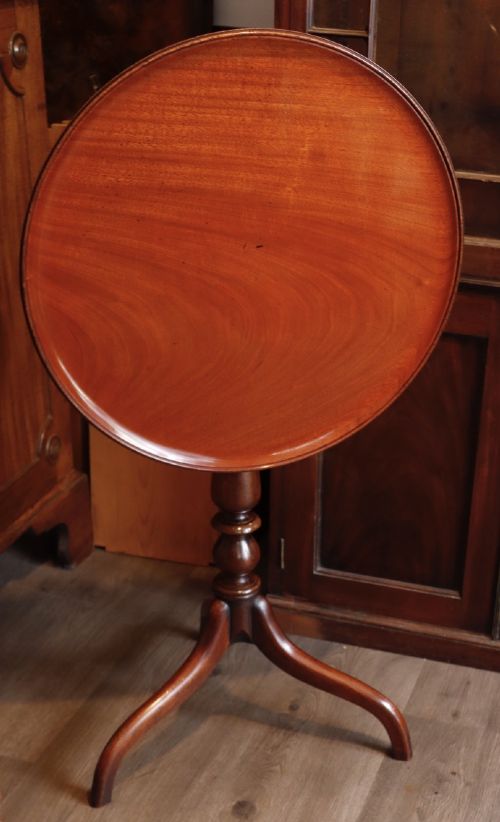
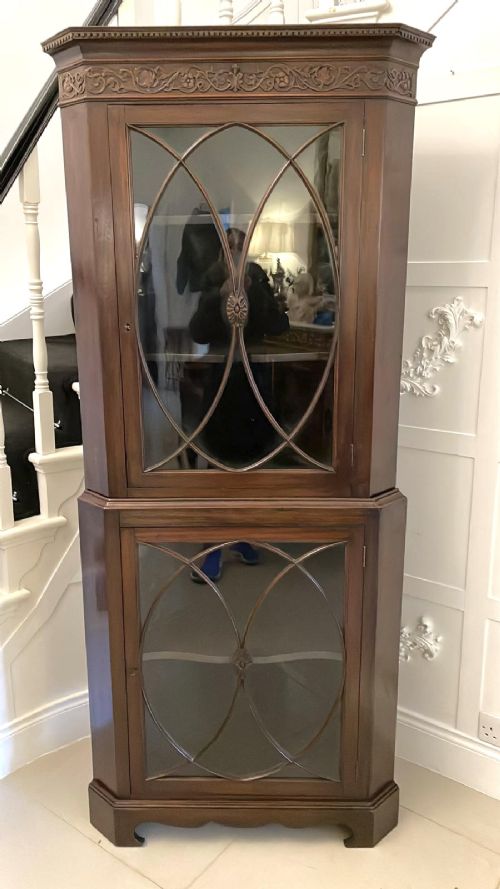
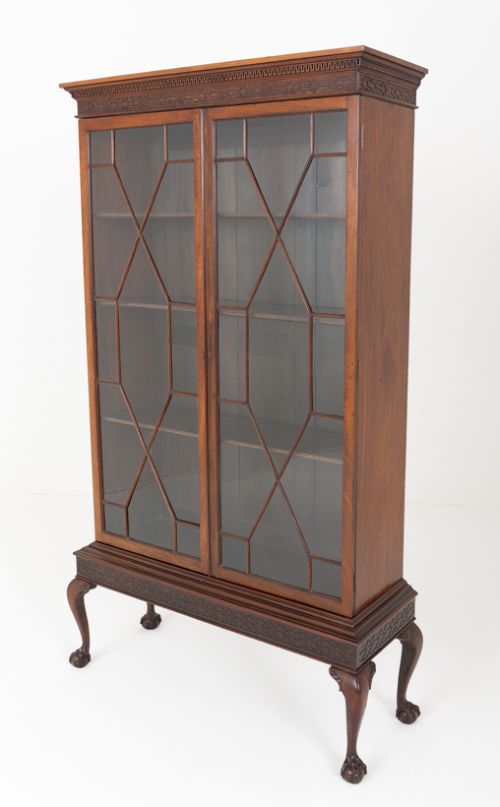
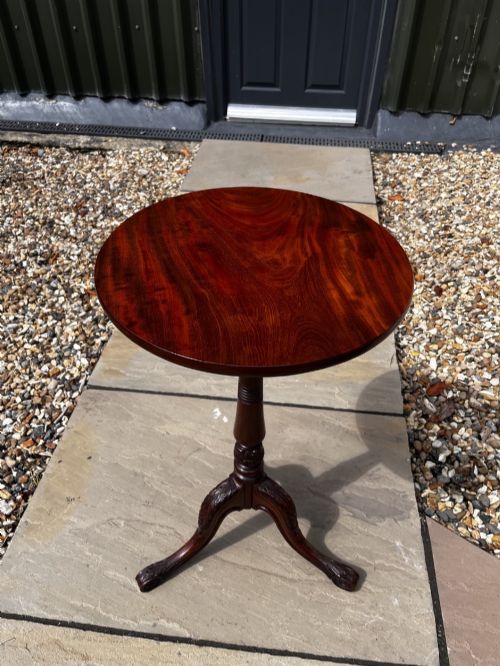
The version most commonly encountered on this page is the mahogany occasional table or plant stand, often taking the form of a tripod base with a circular top. Alongside these lighter tables, buyers frequently find display cabinets, bookcases, and specialised lamp stands sharing the same design vocabulary.
How They Were Made
Solid mahogany forms the primary structural material across nearly all examples, supplemented occasionally by walnut, burr walnut veneer, oak, and parcel gilt accents. Joinery methods rely on traditional cabinet-making practices to stabilise slender legs and central columns.
Carving provides the principal ornamentation, appearing on tripod knees, column shafts, and gallery edges. Glazed sections on larger cabinets utilise timber framework to hold glass panels in geometric or astragal arrangements.
Listings feature mahogany predominantly, alongside walnut, glass, and brass, spanning the eighteenth century through to the 1930s.
What Varies in Quality
The crispness of the wood carving marks the primary distinction between standard revival pieces and finer examples. Deeply undercut foliage, balanced claw and ball feet, and carefully turned columns indicate a higher standard of craftsmanship.
Timber selection and grain figure also separate the tiers of quality. Well-figured mahogany and burr walnut veneers demonstrate superior material choice compared to plain, unfigured boards.
Walker & Hall·Muirhead Moffat & Co
The Chippendale Style Stand Glossary
- Tripod table
- A small circular table supported by three legs radiating from a central pillar. These often feature tilt-top mechanisms for storage against a wall.
- Torchere
- A tall stand designed to elevate a lamp, candle, or decorative plant. They utilise slender vertical columns above supportive bases.
- Astragal glazed
- Glass panels held within a wooden lattice framework on cabinet doors. This technique divides the view while securing the panes.
- Pie crust
- A carved, undulating raised border around the edge of a circular table top. The curved rim resembles traditional pastry work.
- Parcel gilt
- Partial gilding applied selectively to highlighted carved details against a dark wood background. This adds reflective contrast to the timber.
Chippendale Style Stand: Frequently Asked Questions
What is a chippendale style stand used for?
These stands serve primarily to elevate lamps, plants, urns, or decorative objects within a room. Smaller variants function as portable wine tables or bedside supports.
Larger configurations incorporate display cabinets or bookcases to house collections while maintaining floor clearance through raised stands.
How do I date a chippendale style stand?
Dating relies on timber characteristics, construction methods, and stylistic cues present in the piece. Eighteenth-century originals display distinct hand-tool marks and period-specific proportions.
Revival pieces from the Victorian, Edwardian, and early twentieth-century eras often utilise machine-sawn elements and standardised hardware alongside period revival styling.
Are these stands made of solid mahogany?
Most pieces utilise solid mahogany for structural components, legs, and carved details. Some later revival examples incorporate secondary timbers or veneers.
Selected items combine solid framing with burr walnut veneer on primary surfaces to create distinct grain patterns.
What is the difference between a torchere and a wine table?
A torchere is a tall, narrow stand built specifically to elevate lighting or plants above floor level. They feature elongated columns and compact footprints.
A wine table sits lower to the ground with a smaller top intended for holding drinks or small personal items beside seating.