
Chippendale Style Seat
A chippendale style seat brings carved timber and classical proportion into a room, offering both formal presence and everyday utility.
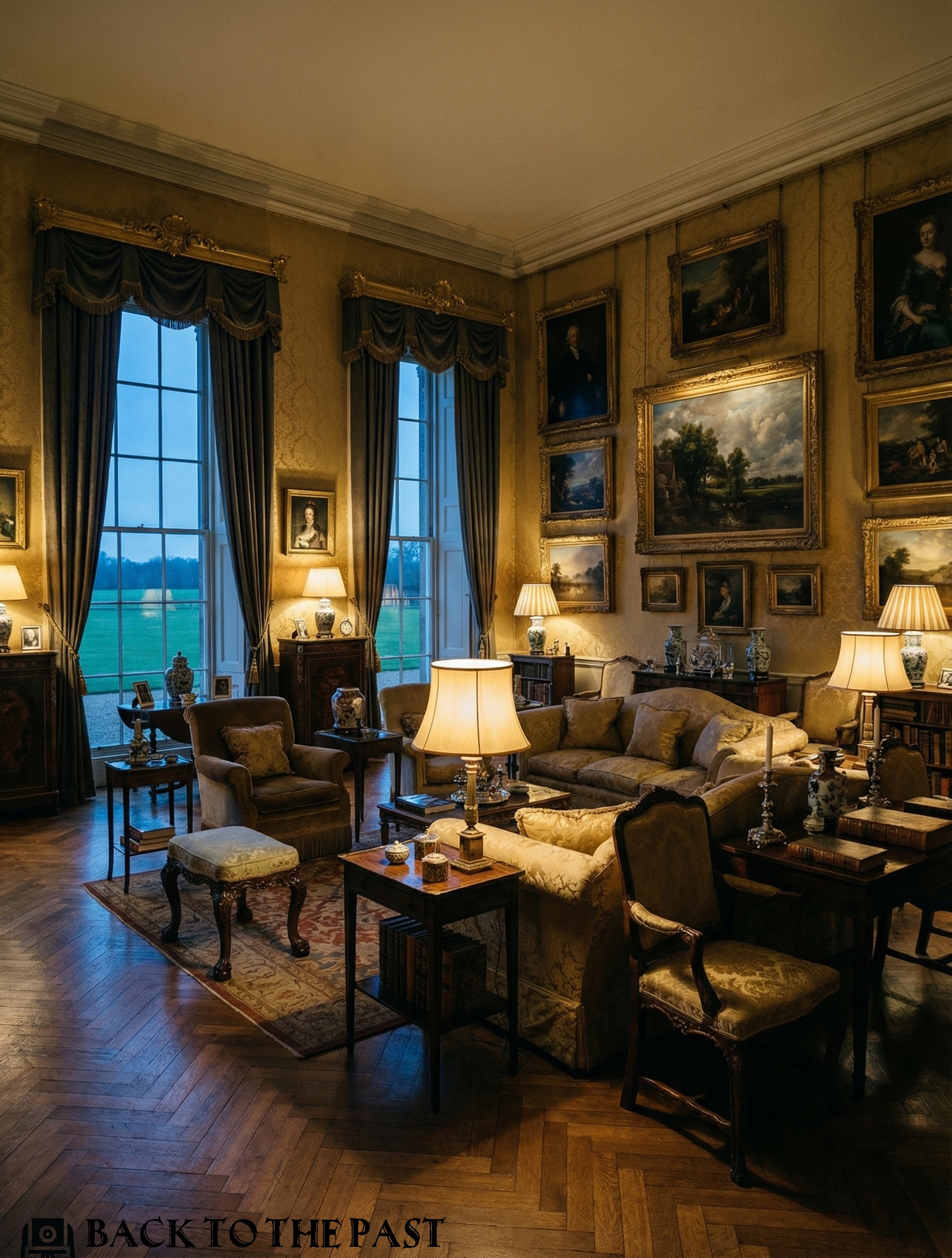
Chippendale Style Seat
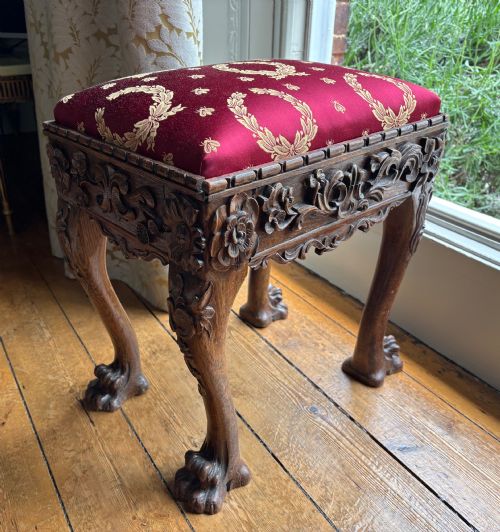
When searching for a chippendale style seat, buyers encounter a broad variety of domestic seating spanning the eighteenth century to the early twentieth century. The selection ranges from single dining chairs and generous library armchairs to low window stools and expansive multi-seater settees.
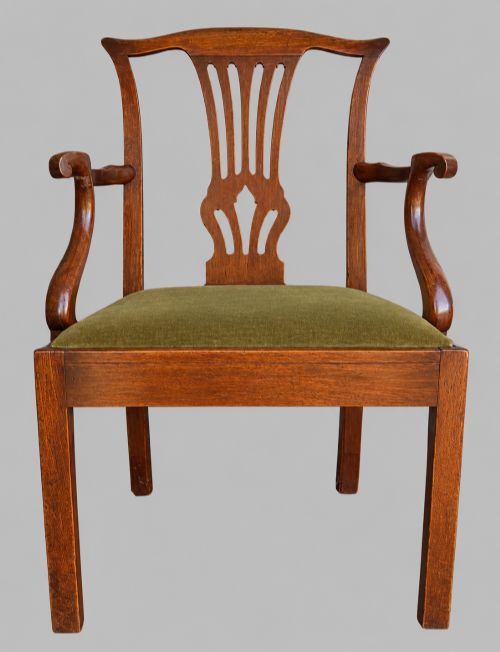
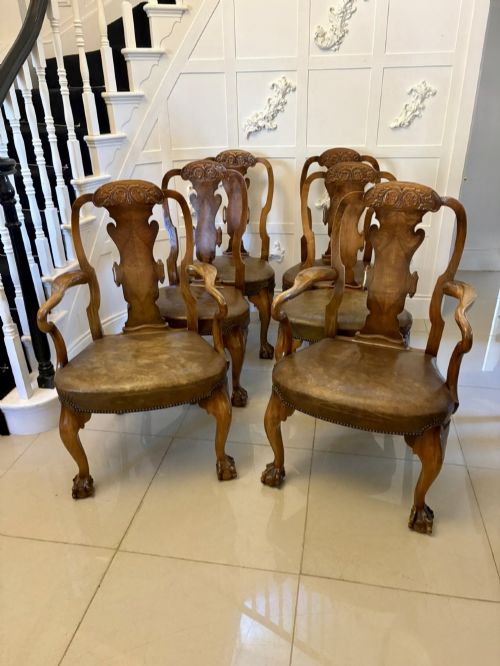
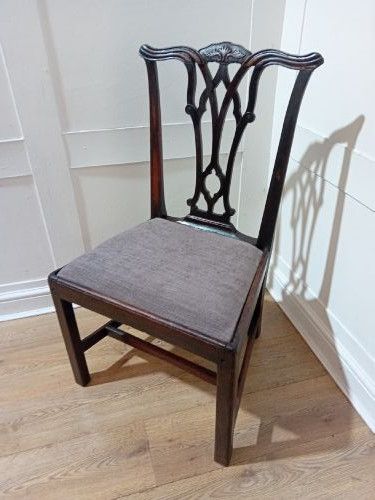
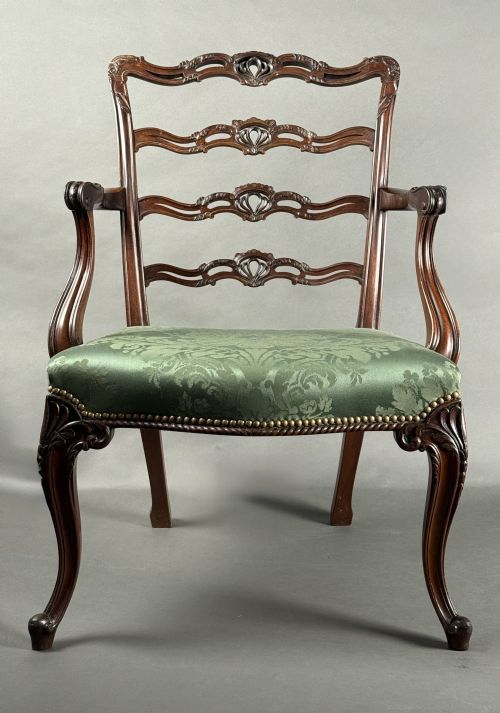
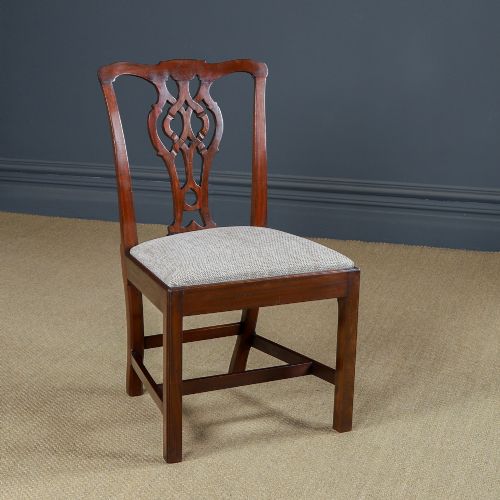
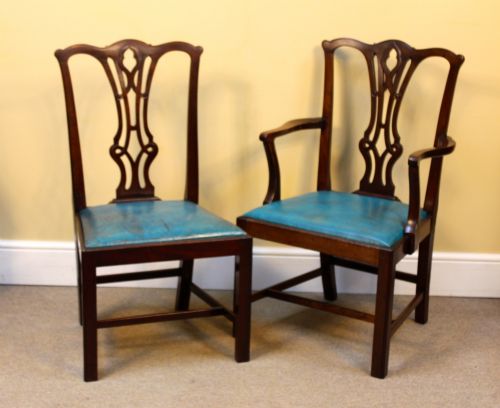
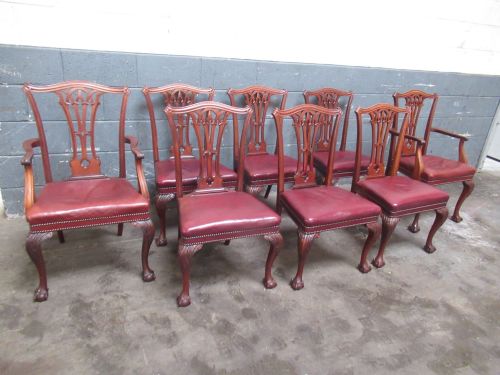
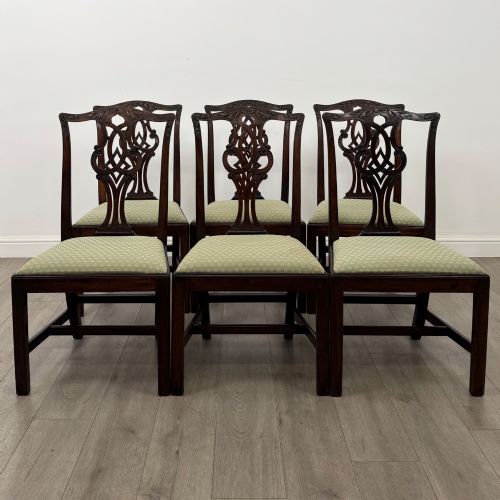
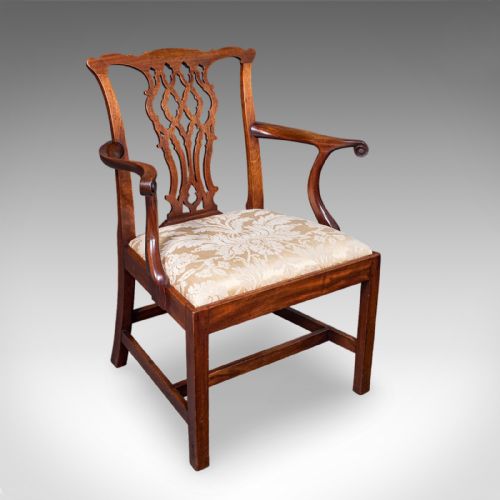
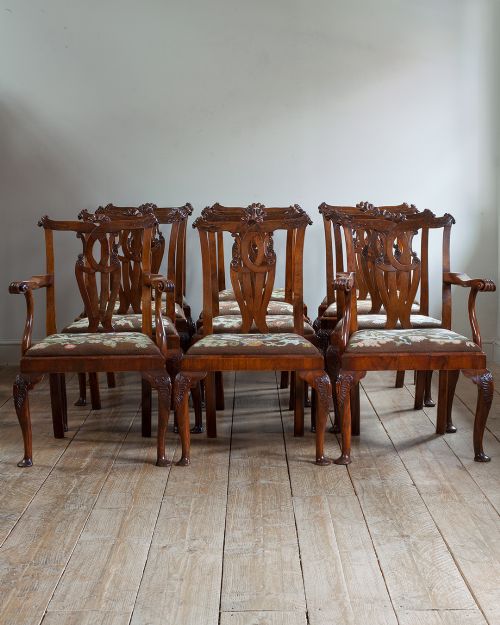
The version most commonly met on this page is the nineteenth-century or Edwardian mahogany dining chair, often appearing in sets or as matching pairs. These pieces draw directly on the ribbon-backs, interlaced splats, and carved cabriole legs popularised during the Georgian period.
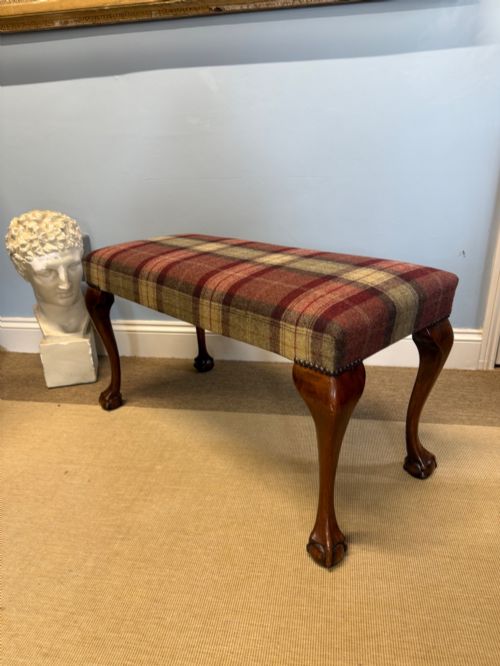
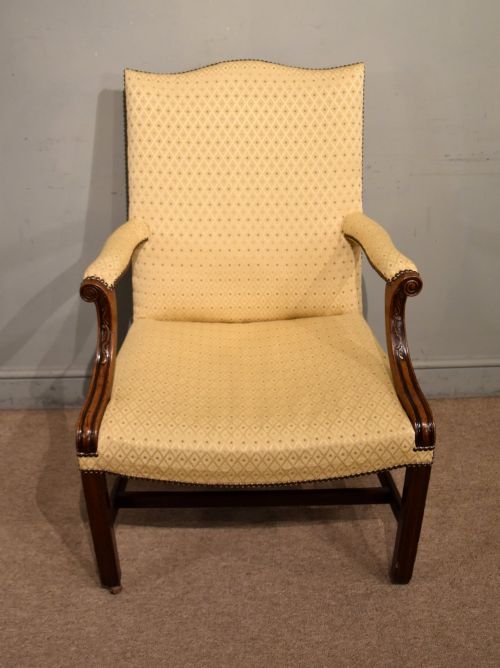
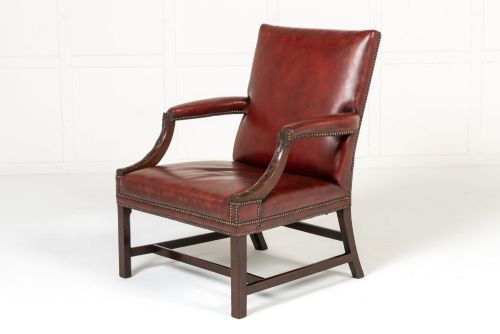
Beyond formal dining furniture, the category encompasses specialised forms such as Gainsborough desk chairs upholstered in leather, piano stools, and deep-seated country house sofas. Each form adapts the characteristic vocabulary of carved scrolls and pierced splats to a specific domestic function.
Materials and Construction
Makers relied primarily on dense tropical hardwoods, predominantly mahogany alongside occasional walnut, fruitwood, elm, and oak for regional variants. This timber provided the structural strength required for slender cabriole legs and intricate openwork back splats without snapping under load.
Carving was executed entirely by hand directly into the solid wood framework, producing low relief work on seat rails and elaborate pierced motifs on chair backs. Joinery relied on traditional mortise and tenon construction, frequently reinforced with corner blocks concealed beneath drop-in or fixed upholstery.
Upholstery materials evolved across the periods represented, moving from original horsehair stuffing secured with webbing and linen to later textiles, leather hides, velvet, and patterned wool tapestries. Brass tacking often finished the edge where fabric met the wooden frame.
Listings span multiple centuries, uniting eighteenth-century Georgian originals with nineteenth-century interpretations and early twentieth-century revival pieces.
Markers of Distinction
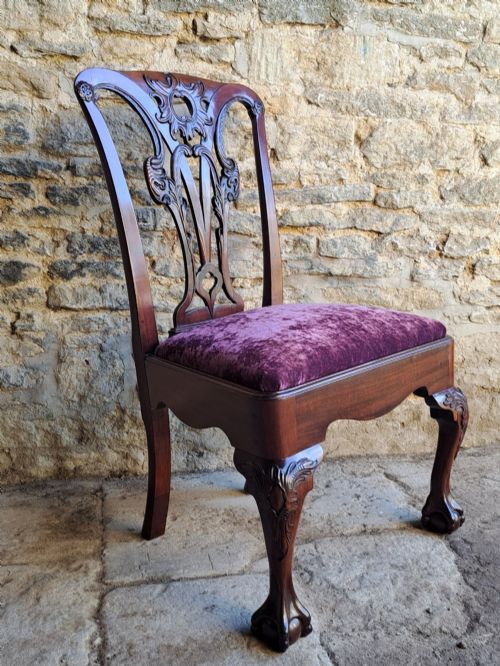
Quality separates ordinary production from superior craftsmanship through the crispness and depth of the timber carving. Sharp undercutting on pierced splats and well-defined claw and ball feet indicate a skilled hand, whereas softened edges suggest mechanical replication or excessive sanding.
Structural integrity and timber selection dictate the longevity of a piece, with straight-grained mahogany framing offering greater stability than warped or heavily repaired substitutes. The weight of the timber and the tightness of the joinery at the joints under the seat frame signal superior workshop standards.
The standard of upholstery and the retention of original materials or sympathetic recovering influence the overall character. Pieces retaining traditional webbing and appropriate period fabric grades maintain a truer harmony with the carved woodwork.
Howard and Sons·Wheelers of Arncroach
The Chippendale Style Seat Glossary
- Cabriole leg
- A furniture leg that curves outward at the knee and tapers inward toward the foot, mimicking animal limbs. This form was widely adopted in Georgian design.
- Drop-in seat
- A removable wooden frame upholstered separately and dropped into a recess in the chair rail. It allowed for easy recovering without disturbing the main frame.
- Splat
- The vertical wooden strip down the middle of a chair back. In these designs, it is frequently pierced and carved into intricate ribbon or lattice patterns.
- Gainsborough chair
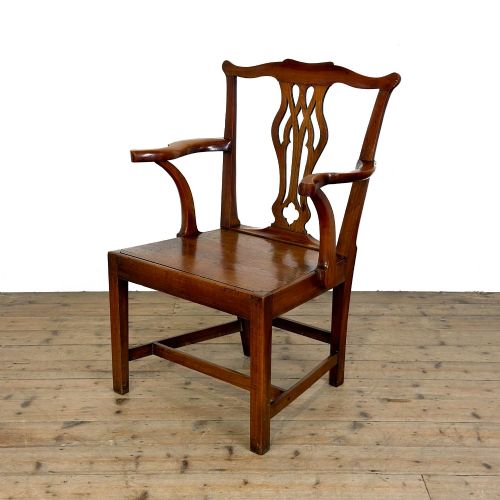
- A wide, open-armed armchair with a padded back and seat, standing on short legs. It was traditionally used at a desk or in a library.
- Elbow chair
- A term historically used for an armchair or carver chair, providing armrests for added comfort at the dining table or desk.
Chippendale Style Seat: Frequently Asked Questions
How do I identify a true period piece?
Distinguishing eighteenth-century originals from later revivals requires examining the tool marks, timber shrinkage, and construction methods hidden beneath the frame. Hand-cut joinery and period-appropriate secondary woods often reveal the true age.
Later nineteenth- and twentieth-century revivals tend to use machine-standardised components and possess a uniform finish that lacks the subtle irregularities of earlier hand craftsmanship.
Were these seats used exclusively for dining?
While dining chairs form a large part of the inventory, the category includes diverse seating designed for different rooms in the house. Library armchairs, hall benches, and window stools served specialised domestic purposes.
Stools and settees were placed in corridors, morning rooms, and drawing rooms to provide flexible seating alongside primary chairs.
How should I care for mahogany frames?
Maintenance involves keeping timber away from direct heat sources and sudden humidity shifts to prevent the wood from splitting. Regular dusting with a dry, soft cloth preserves the finish without building up heavy wax residues.
Leather and fabric upholstery require appropriate cleaning methods distinct from the care given to the polished wooden structures.
What is the difference between George III and Edwardian revival?
George III pieces represent the original eighteenth-century execution of the style, showing the proportions and tool characteristics of that era. Edwardian revival pieces recreate these classical lines with the manufacturing techniques and timber stocks typical of the early twentieth century.
Revival pieces often display a lighter build quality and standardised dimensions compared to their Georgian predecessors.