


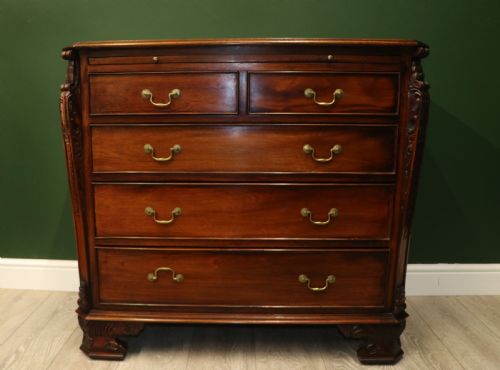

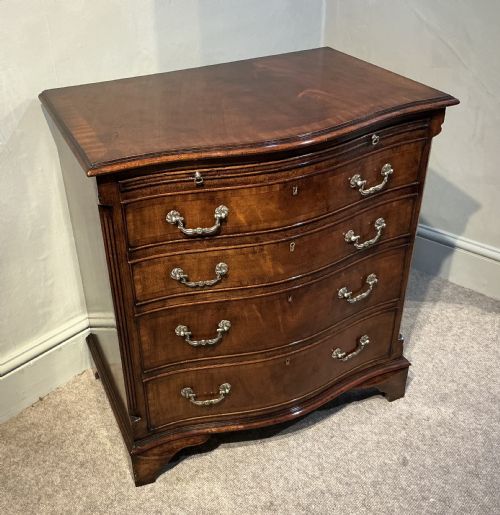


Chippendale Style Dresser
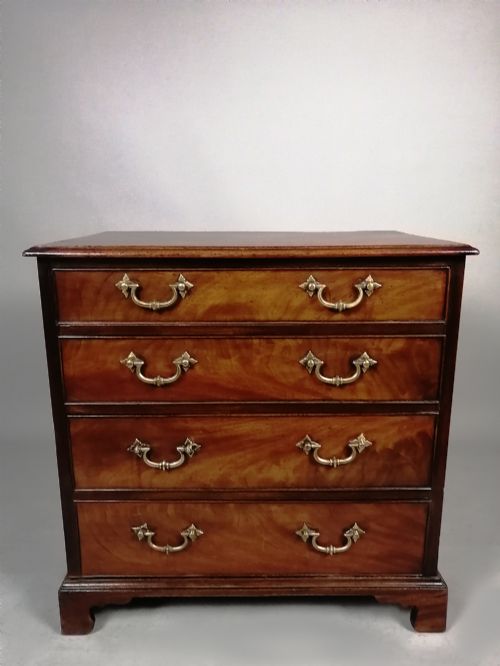
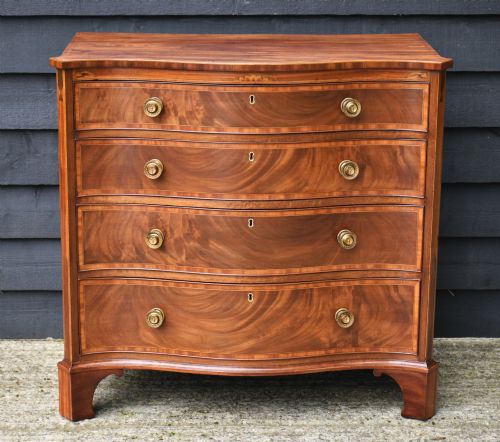
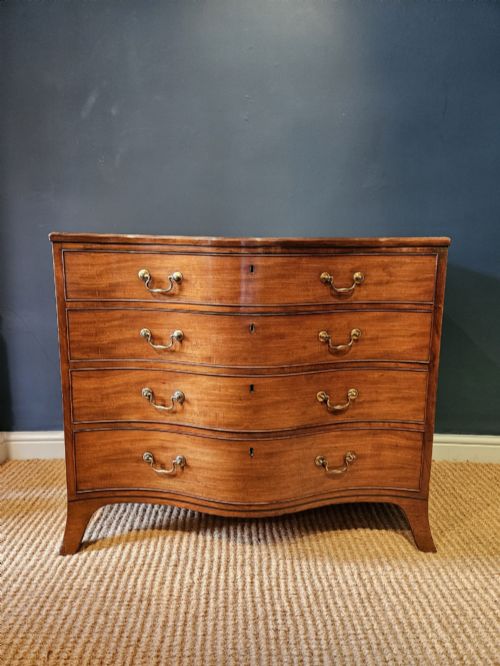
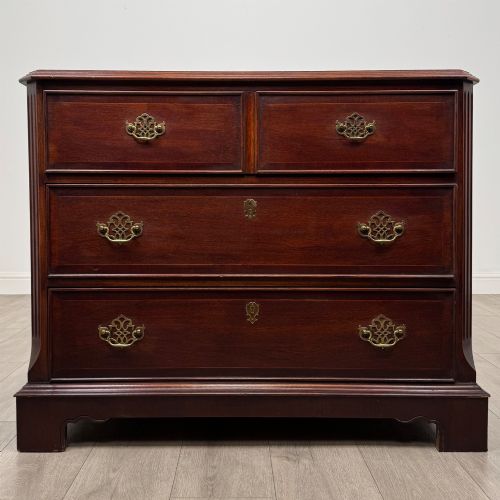
These chippendale style dresser pieces offer the refined proportions and serpentine drawer fronts that define eighteenth and nineteenth-century cabinetmaking.
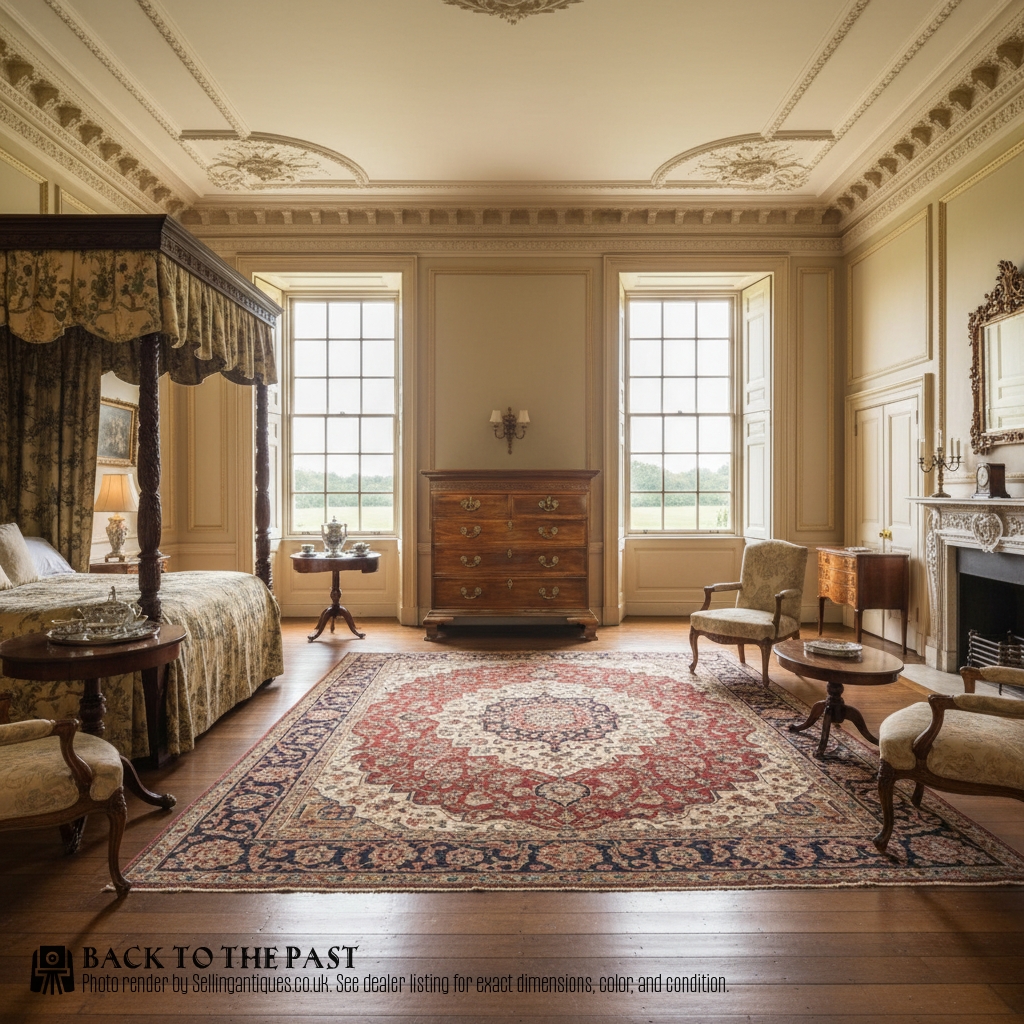
Chippendale Style Dresser
When searching for a chippendale style dresser, buyers encounter pieces primarily taking the form of chests of drawers, gentleman's chests, and dresser bases. These items span from the eighteenth century through later revival periods including the Edwardian era and the early twentieth century.
The most common formats on this page are mahogany chests featuring serpentine fronts, sometimes incorporating brushing slides or specialised internal fittings. Origins range from eighteenth-century Georgian workshops to later revival pieces created in the nineteenth and twentieth centuries.
Makers recorded in the evidence include William Gomm and pieces executed in the manner of Giles Grendey, alongside items associated with Dumfries House styles. The historical scope connects authentic Georgian cabinetmaking with subsequent revival movements.
Materials and Construction Techniques
Construction relies heavily on mahogany, with specific examples noted in Cuban mahogany, complemented by structural timbers such as oak. Decorative refinement is often achieved through boxwood inlay and brass hardware.
Cabinetmakers shaped the dense timber to create undulating serpentine fronts and caddy-tops, requiring precise joinery. The physical weight and warmth of the mahogany define the structural integrity of these items.
Listings feature mahogany, Cuban mahogany, oak, and boxwood inlay across pieces dated from the eighteenth to the twentieth century.
Factors Determining Quality
Quality rests upon the crispness of the serpentine shaping and the proportional harmony of the drawers. Superior examples display thoughtful grain matching across the mahogany drawer fronts and refined execution of brass fittings.
The presence of original construction details, such as integrated brushing slides and untouched backboards, separates masterworks of the period from later commercial interpretations.
William Gomm·Giles Grendey
The Chippendale Style Dresser Glossary
- Serpentine front
- A furniture front curving outward in the centre and inward at the ends. This undulating shape demands advanced woodworking skill.
- Brushing slide
- A pull-out shelf located above the top drawer used for folding clothes or writing. It sits discreetly within the cabinet framework.
- Caddy-top
- A raised, moulded tabletop profile resembling the lid of a tea caddy. It is typical of mid-eighteenth-century case furniture.
- Gentleman's chest
- A tall storage piece designed for men's garments, often featuring compartmentalised interior drawers. These pieces combine hanging or shelf space with standard drawer configurations.
Chippendale Style Dresser: Frequently Asked Questions
What is a chippendale style dresser?
A chippendale style dresser generally refers to a chest of drawers or dresser base incorporating eighteenth-century design characteristics such as serpentine drawer fronts and solid mahogany construction. These items reflect both original Georgian craftsmanship and later nineteenth and twentieth-century revival interpretations.
Buyers select these pieces for their formal presence and functional storage capacity within domestic interiors.
How do I spot a reproduction?
Distinguishing period pieces from later revivals requires examining the secondary timbers, such as oak linings, and the hand-cut dovetailing on the drawer construction. Revival pieces from the Edwardian era or the twentieth century often utilise more uniform machine-cut elements and different internal construction standards.
Contextual clues like drawer linings and timber ageing help confirm the exact period of manufacture.
What is a brushing slide?
A brushing slide is a pull-out wooden shelf positioned immediately beneath the top surface of the chest. Eighteenth-century gentlemen utilised this feature for brushing garments or writing brief notes.
It slides flush into the cabinet frame when not in use, maintaining clean exterior lines.
How do I care for mahogany?
Mahogany requires stable indoor humidity and protection from direct sunlight to prevent the timber from drying out or fading. Regular dusting with a soft, dry cloth preserves the natural lustre of the polished wood surface.
Avoid placing these items near heat sources or damp environments to protect the antique joinery.