


English Chippendale Chest
An english chippendale chest offers solid mahogany construction and architectural proportion, providing sturdy storage with understated period elegance.
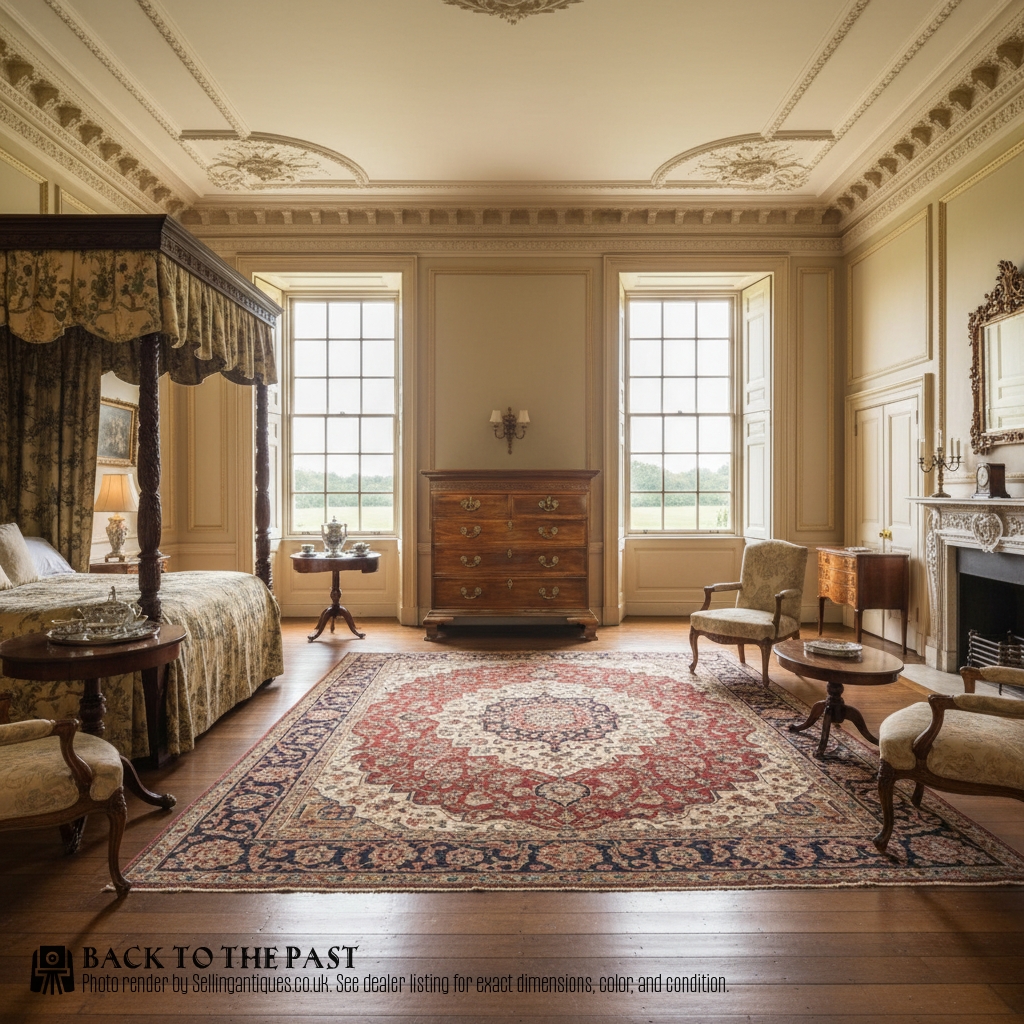
English Chippendale Chest
An english chippendale chest brings Georgian character into a room, taking the form of standard chests of drawers, taller chest on chest formats, and serpentine variations. These pieces date from the eighteenth century through to later Chippendale style revivals, reflecting robust domestic utility.
The selection ranges from compact drawer units to expansive mule chests and tallboys, incorporating secondary timbers such as oak and pine within their carcasses. Buyers encounter both period examples and later interpretations sharing the same foundational vocabulary.
How They Were Made
Cabinet makers built these carcasses primarily using dense mahogany, complemented by structural pine and oak linings for internal drawer construction. Brass handles and escutcheons provided functional hardware, securing the drawers while adding metallic contrast to the timber surfaces.
Joinery techniques relied on traditional methods suited to heavy daily use, ensuring the structural stability of multi-tier chests and taller configurations over centuries of service.
Early mule chests doubled as makeshift seating while housekeepers sorted seasonal linens by the fire.
What Varies in Quality
The standard of timber selection and surface grain alignment dictates visual refinement, distinguishing straightforward utility pieces from more ambitious cabinet work. Finer examples display carefully chosen mahogany figures across drawer fronts and harmonious proportions that balance height and depth.
Execution of secondary details, such as brass furniture integration and the precision of drawer linings in oak or pine, separates baseline production from superior workshop output.
The English Chippendale Chest Glossary
- Mahogany
- A durable tropical hardwood imported for high-grade eighteenth-century cabinet making. It accepts a deep polish and resists warping.
- Serpentine
- A front profile characterised by a convex centre flanked by concave curves. This shaping requires skilled woodworking.
- Tallboy
- A vertical storage unit comprising one chest stacked upon another, often called a chest on chest. It maximises vertical capacity.
- Mule chest
- A storage trunk featuring one or more drawers at the base beneath a hinged lid compartment. It bridges the function of a chest and a chest of drawers.
- Escutcheon
- A protective brass plate surrounding a keyhole. It prevents timber wear around the lock.
English Chippendale Chest: Frequently Asked Questions
How do I identify a genuine period chest?
Examine the secondary timbers used inside the drawers and backboards, such as oak or pine, alongside the method of construction. Eighteenth-century pieces exhibit hand-cut joints and timber movement consistent with age.
Compare the proportions and brass hardware against documented examples from the Georgian era to establish authenticity.
What is the difference between a tallboy and a standard chest?
A tallboy, or chest on chest, consists of a smaller upper section stacked directly onto a wider lower chest. This design provides increased vertical storage.
Standard chests maintain a single vertical tier of drawers under a fixed top surface.
How should I care for mahogany surfaces?
Keep wooden furniture away from direct heat sources and strong sunlight to prevent timber splitting and fading. Regular dusting with a dry cloth maintains the finish.
Apply traditional wax sparingly when the surface appears dry to nourish the grain.
Where were these chests placed in a Georgian home?
These pieces served practical storage functions in bedrooms, dressing rooms, and hallways for linens and garments. Tallboys and chests on chests offered significant capacity for household textiles.
Smaller variants also functioned in private chambers as dressing chests.