


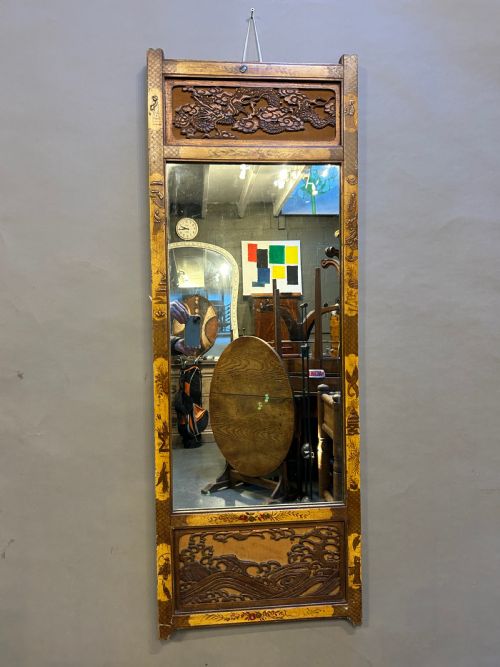
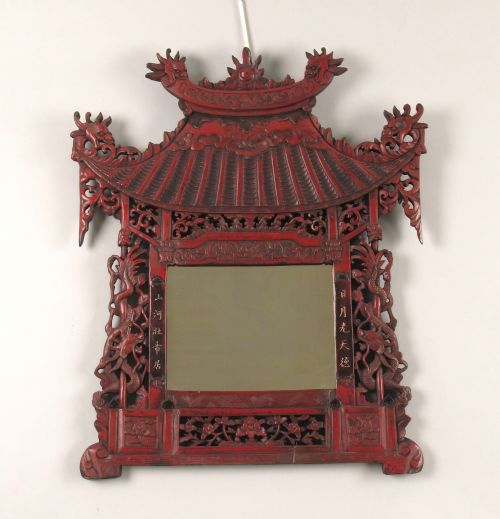

Chinoiserie Framed Mirror
A chinoiserie framed mirror brings painted lacquer, giltwood, and oriental motifs into a room, offering both decorative depth and historical character.
Chinoiserie Framed Mirror
When you search for a chinoiserie framed mirror, you encounter pieces spanning the Victorian, Edwardian, and early twentieth-century periods. These include wall mirrors, overmantle mirrors, and table mirrors shaped by distinct stylistic revivals.
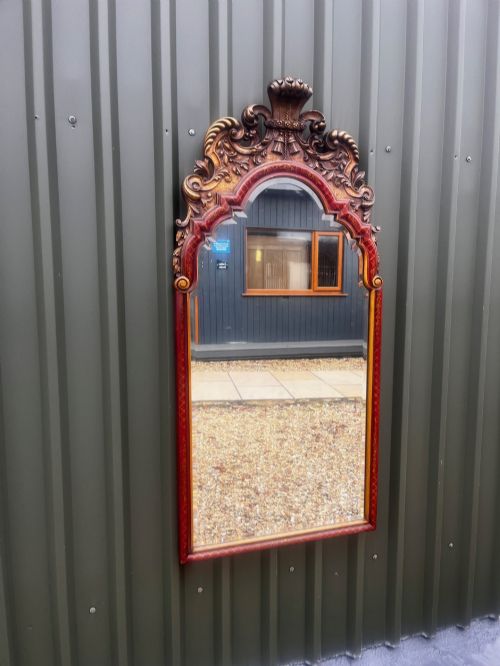
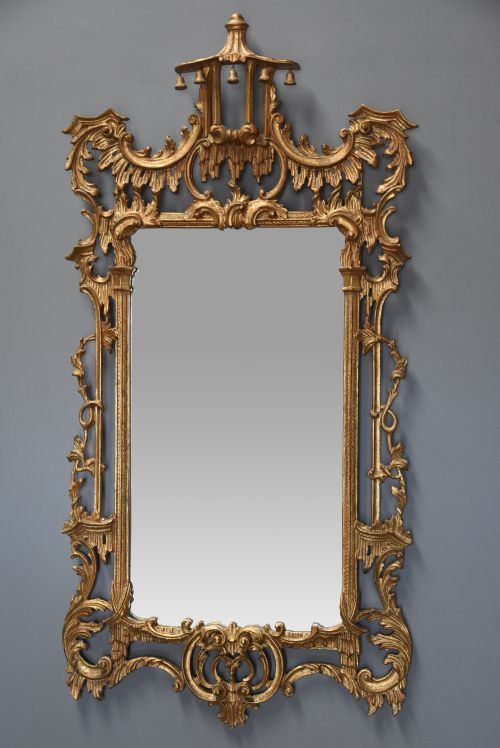
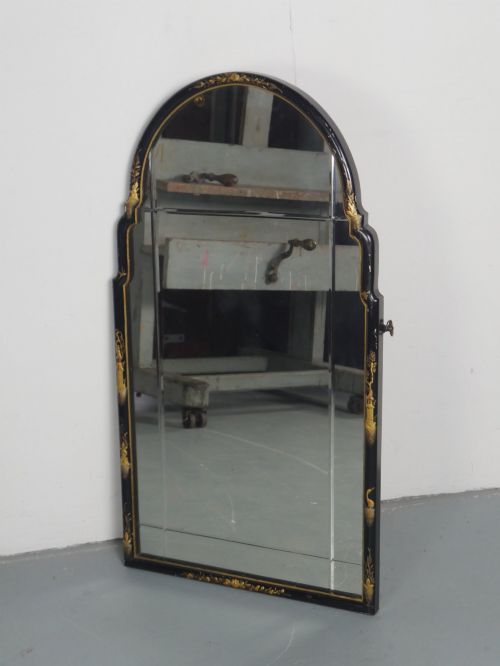
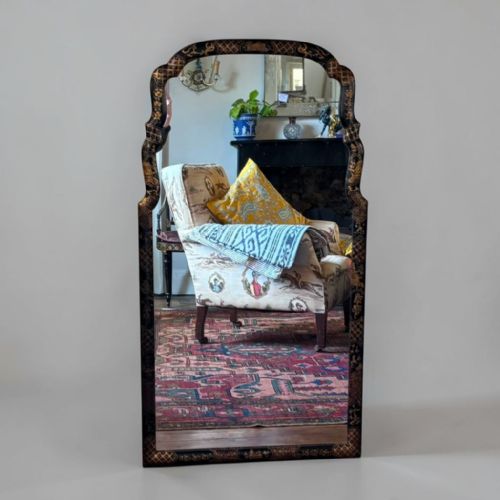
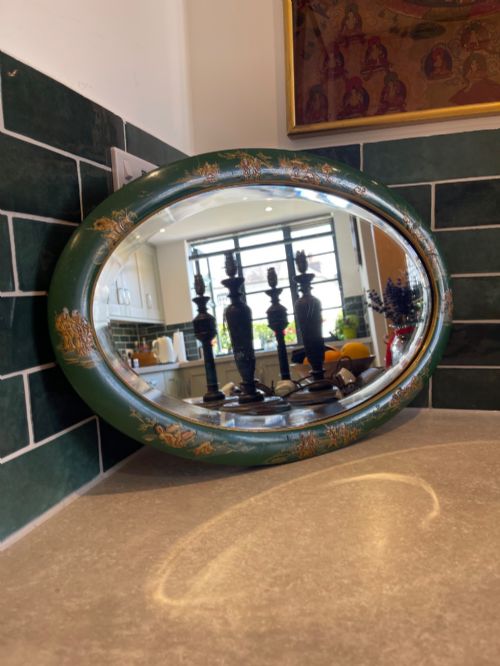
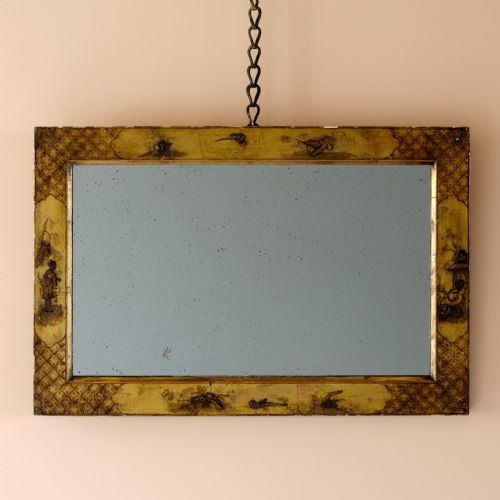
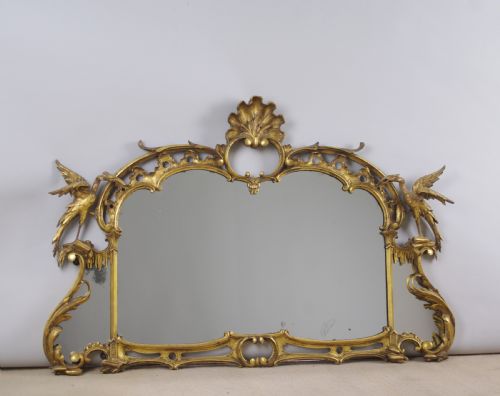
You are most likely to meet wall mirrors finished in black or red lacquer, giltwood, or carved wood. Forms range from oval wall hung pieces to pagoda designs and Chinese Chippendale style frames.
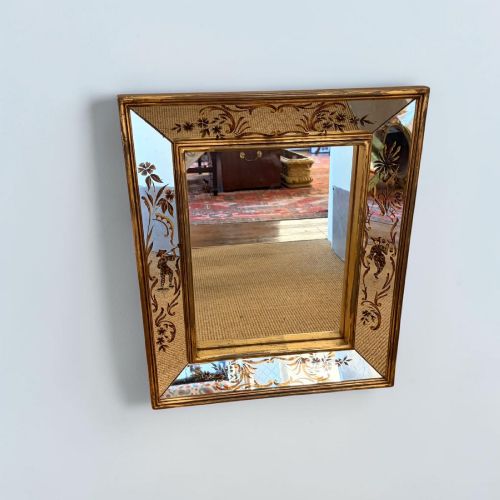
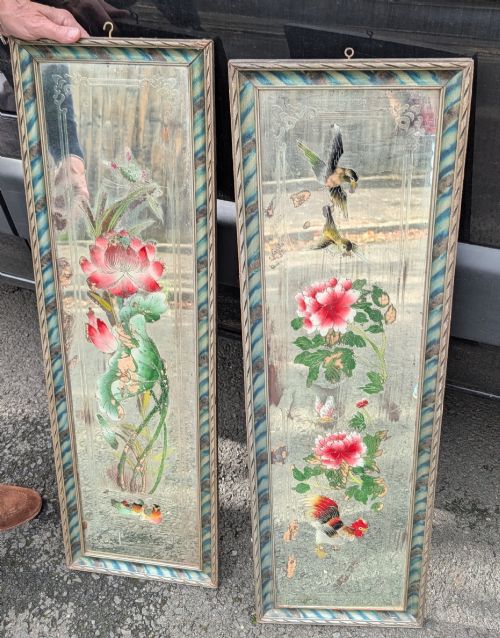
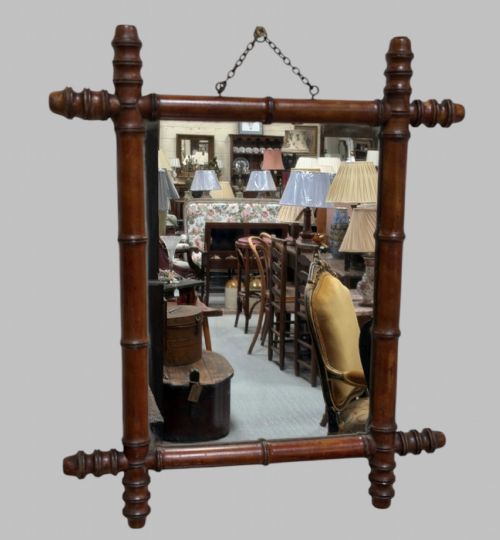
The selection extends from late nineteenth-century examples to pieces made around 1910, 1920, and 1930. Alongside standard wall mirrors, related items such as faux bamboo frames and eglomise panels appear within the listings.
Materials and Techniques
Maker construction relies on wood, carved wood, and giltwood frames housing mirror glass and eglomise panels. Lacquer finishes, including red and black japanning, create the characteristic glossy surface applied to the timber bodies.
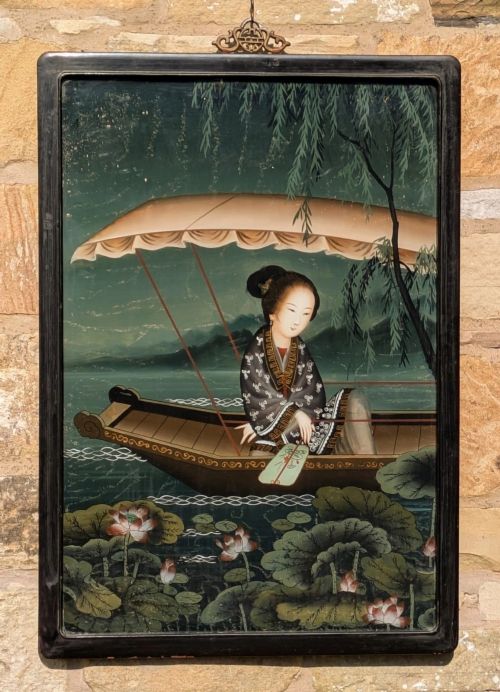
Techniques involve reverse painting on glass and gold leaf application to carved wooden structures. Faux bamboo framing replicates natural stem forms through shaped wood, while eglomise incorporates gilded and painted designs directly onto the glass.
Chinoiserie Framed Mirror Retail Price Guide 2026
Typical asking prices for chinoiserie framed mirror among the pieces listed under this phrase on Sellingantiques today, from the lower quarter to the upper quarter. They describe what is for sale here now, not the wider market.
Listings feature periods from the nineteenth century through the 1930s, utilising materials including gold leaf, lacquer, and eglomise glass.
Assessing Quality and Execution
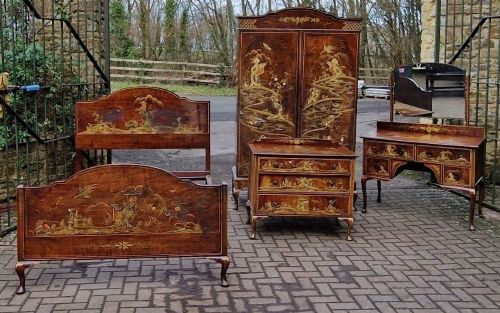
Quality separates through the depth of the carved wood and the finesse of the hand-painted lacquer scenes. Finer examples display intricate detailing in motifs such as figures, pagodas, and birds across the frame.
The integrity of the original giltwood or japanned finish determines the preservation level of the piece. Superior craftsmanship shows in the precise joinery of the frame and the clarity of the reverse painted glass panels.
The Chinoiserie Framed Mirror Glossary
- Chinoiserie
- European decorative style reflecting Chinese artistic influences, featuring motifs like figures, landscapes, and pagodas. This aesthetic shapes the primary decoration found on the frames.
- Eglomise
- Cold painting and gilding on the rear face of glass, producing a reflective picture panel. This technique appears in specialised mirror and wall art pieces.
- Japanning
- European imitation of East Asian lacquerwork, built up in layers of varnish and heat-cured. This finish provides the dark or scarlet surfaces on many Edwardian and Victorian frames.
- Giltwood
- Timber carved and coated with a thin layer of gold leaf or metallic powder. This material defines the ornate overmantle and Chippendale style frames.
- Faux Bamboo
- Wood turned and carved to imitate natural bamboo stalks. This style appears frequently in nineteenth-century French and English frames.
Chinoiserie Framed Mirror: Frequently Asked Questions
How do I date a chinoiserie mirror?
Dating relies on the structural materials, backing boards, and the specific style of the lacquer or gilding. Victorian and Edwardian examples often display machine-cut screws or specific framing techniques characteristic of their decade.
Stylistic shifts between late nineteenth-century dark lacquers and 1920s minimalist ovals also help establish the period of manufacture.
Where should I hang a wall mirror?
These mirrors suit principal reception rooms, hallways, and bedrooms where their decorative frames act as focal points. Overmantle versions fit naturally above fireplaces, while smaller oval or pier mirrors suit narrower wall spaces.
Placement should consider natural light sources to enhance the reflective glass and highlight the surface lacquer or gilt details.
What is the difference between japanning and lacquer?
Japanning is a European technique developed to replicate traditional East Asian lacquer using resin varnishes and heat-cured finishes. Authentic Asian export pieces utilised native tree saps applied in numerous thin layers.
Both methods produce a hard, glossy surface capable of holding intricate painted scenes and gilt detailing on the frame.
How do I care for antique mirror glass?
Care requires avoiding commercial chemical sprays that can seep behind the glass plate and damage the silvering or reverse painting. A soft, dry cloth removes dust safely from both the glass and the surrounding wooden frame.
Environmental stability is important, as excessive humidity can affect the underlying wood and the adherence of gold leaf or lacquer.