
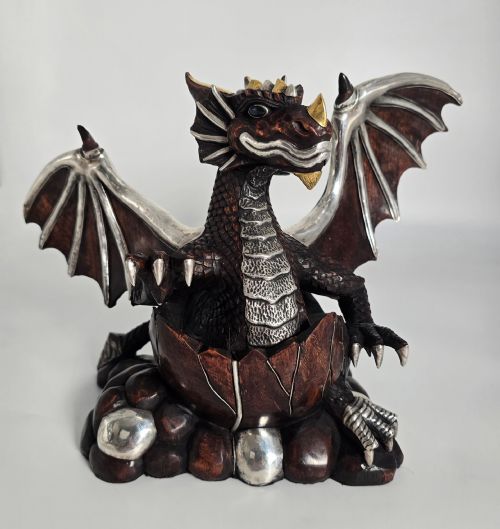
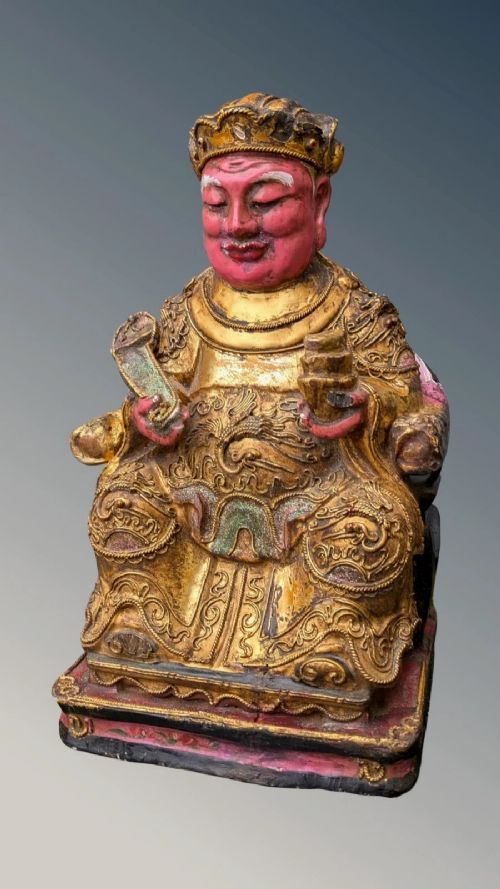
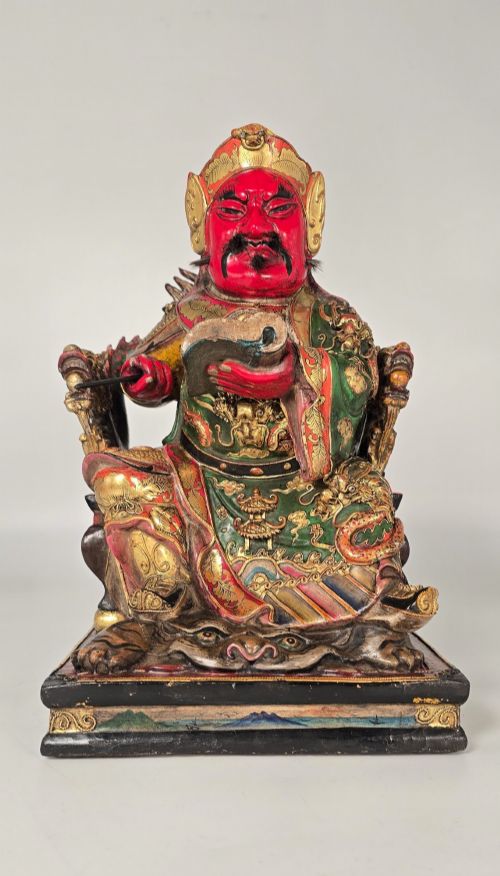


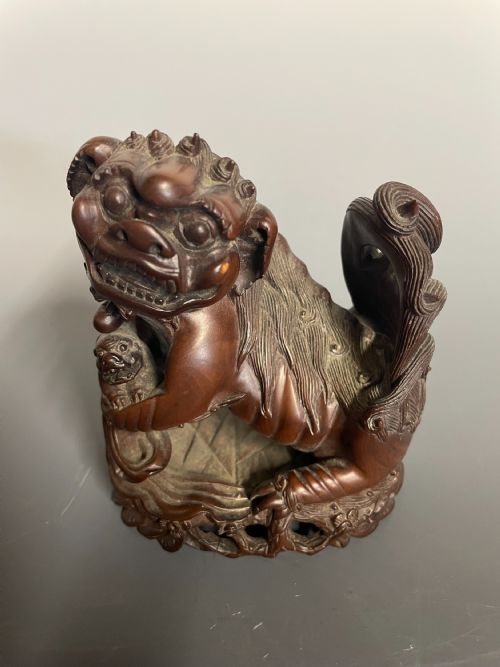
Chinese Wooden Figure Carving
These Chinese wooden figure carving examples capture centuries of craftsmanship, offering tactile depictions of deities, scholars, and mythical beasts for collectors.
Chinese Wooden Figure Carving
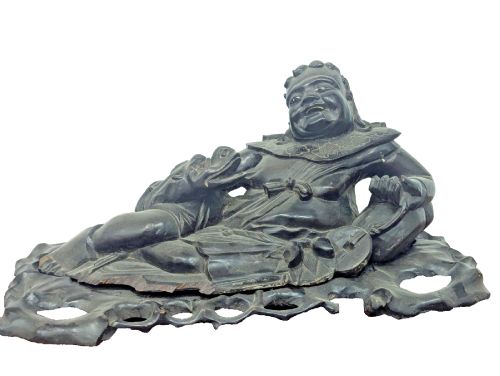
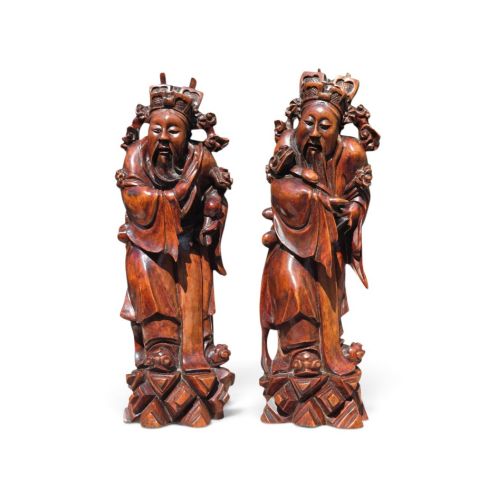
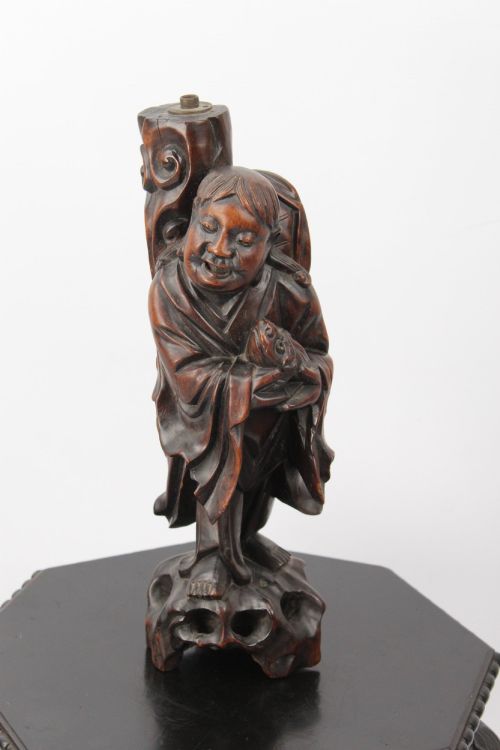
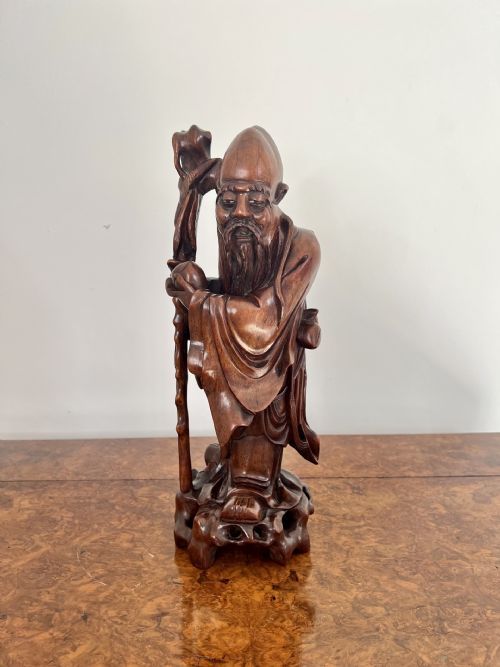
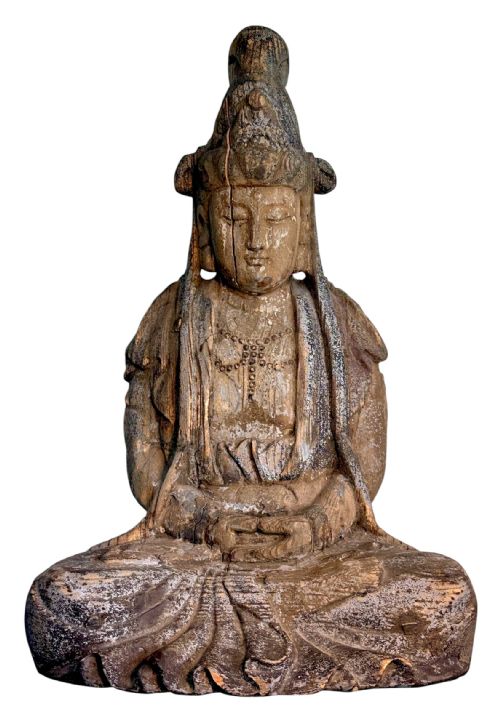
A Chinese wooden figure carving represents traditional subjects ranging from Daoist immortals and Buddhist deities to figures from daily life, rendered in materials like dense hardwood and expressive root wood. These works often emerge from the Qing Dynasty and the late nineteenth or early twentieth centuries, spanning periods of rich sculptural output.
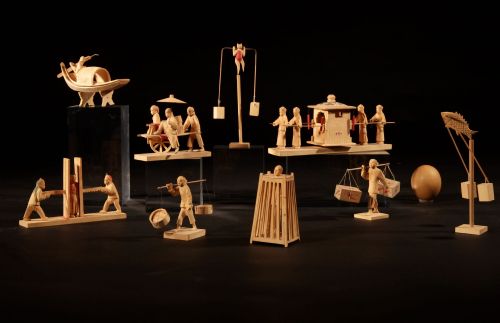
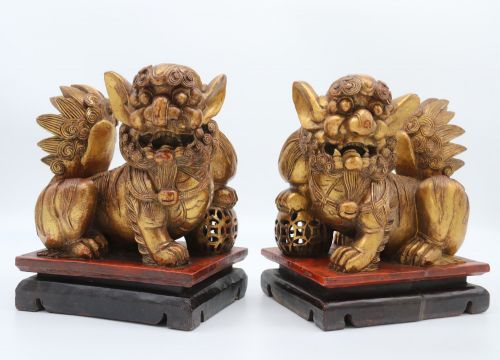
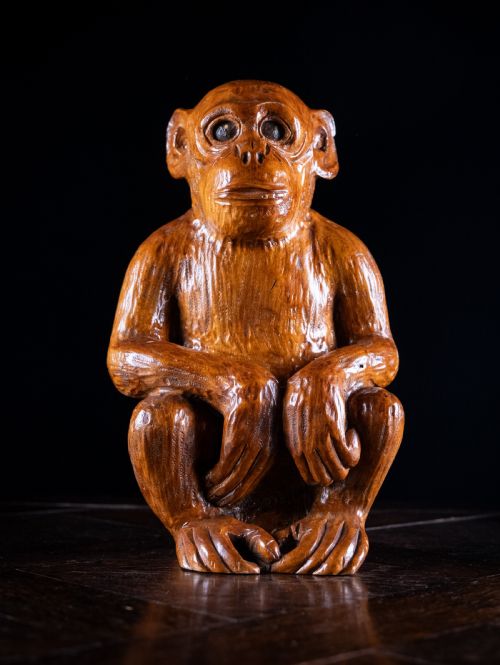
The forms vary from single standing figures to pairs of mythical beasts such as Foo dogs and elephants, alongside narrative groups depicting daily scenes or historic figures.
Materials and Techniques
Makers utilised dense timbers, boxwood, and organic root wood, often following the natural contours of the grain to shape the final form.
Surfaces frequently display applied gold leaf, polychrome paint, or dark lacquer, sometimes combined with mixed metal mounts or inlay to highlight details.
Listings feature items spanning the 17th century to the early 20th century, executed in hardwood, boxwood, root wood, lacquer, and gold leaf.
Evaluating Quality
The choice of material dictates longevity and presence, with heavy, figured hardwoods and complex root wood formations commanding greater visual depth than plain timber.
The Chinese Wooden Figure Carving Glossary
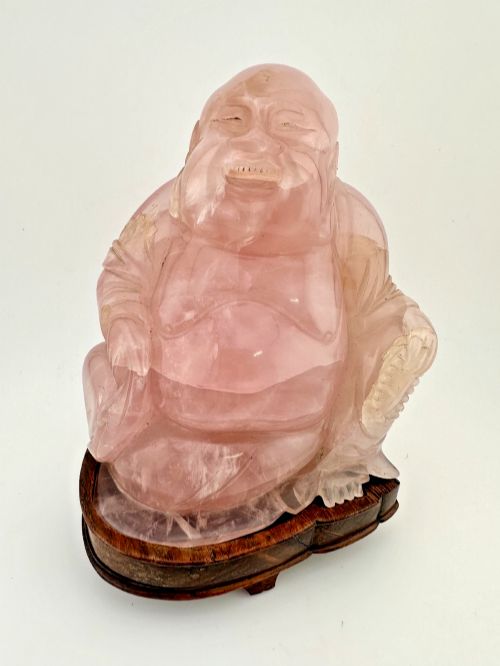
- Budai
- A representation of the laughing monk, often depicted with a large exposed belly and associated with contentment and abundance. He appears frequently in hardwood and stone figures.
- Root wood
- Timber formed from the root system of a tree, chosen for its gnarled, twisting shapes that makers incorporated into organic figure compositions. This material yields highly individual silhouettes.
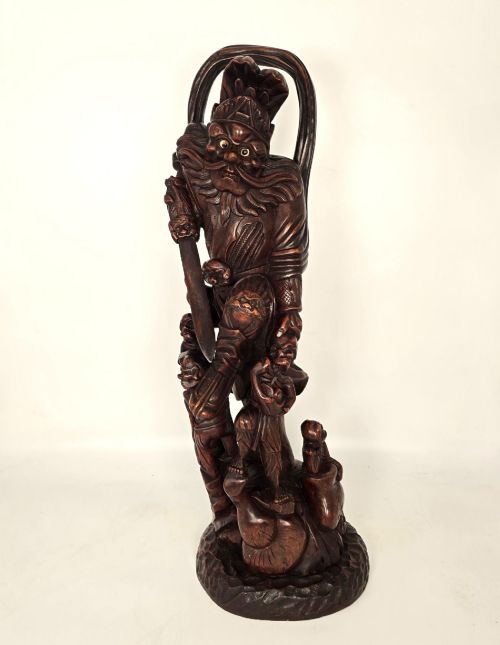
- Lokapala
- A celestial guardian king positioned in Buddhist temples to ward off evil spirits, typically rendered in dynamic, muscular poses with elaborate armour.
- Foo Dog
- A traditional guardian lion creature, usually shown in pairs guarding entrances and sacred spaces. They symbolise protection and authority in Chinese art.
- Polychrome
- Painted in several colours, a technique applied to wooden sculptures to add realistic detail to robes, faces, and attributes.
Chinese Wooden Figure Carving: Frequently Asked Questions
How do I identify a Qing Dynasty piece?
Look for characteristic robes, traditional hairstyles, and dense hardwood materials associated with the eighteenth and nineteenth centuries.
Compare the carving depth and patina with dated examples from the same era to confirm the period.
Where were these figures displayed originally?
Many larger sculptures originated in temples as guardians or deities, while smaller hardwood figures decorated scholar's desks and domestic interiors.
Domestic items focused on Daoist immortals, daily life scenes, and auspicious animals meant to bring good fortune.
How should I care for antique wood?
Keep wooden carvings away from direct sunlight and steady humidity levels to prevent the timber from splitting or warping.
Dust gently with a dry, soft cloth rather than using liquid polishes that might damage historic lacquer or paint.
What is the difference between root wood and standard hardwood?
Hardwood is milled from straight timber trunks, allowing for precise, symmetrical figurative work and smooth polished surfaces.
Root wood utilises the natural, irregular growths of a tree's root system, resulting in whimsical, one-of-a-kind shapes where the grain dictates the final subject.