
Dark Wood Carved Ornament
A dark wood carved ornament brings tactile warmth and animal spirit into a room through centuries of hand-chiselled detail.
Dark Wood Carved Ornament
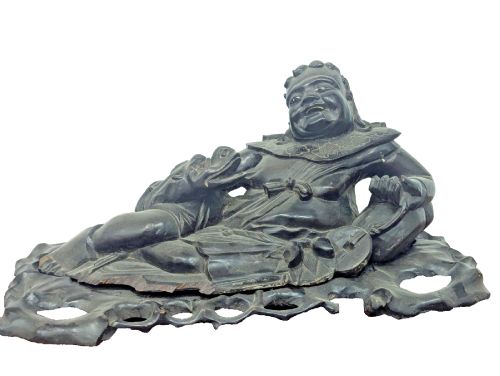
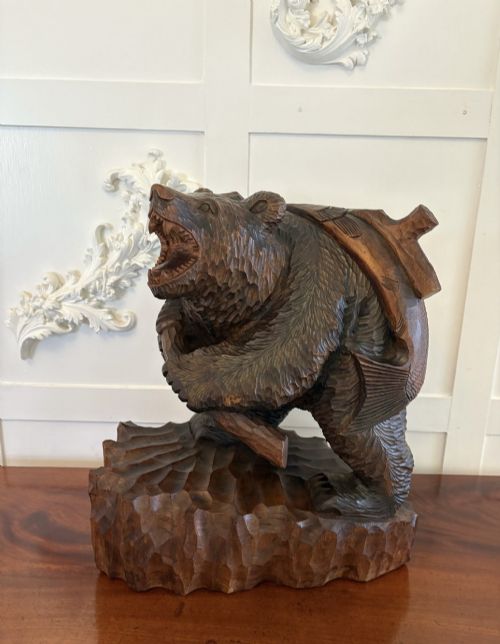
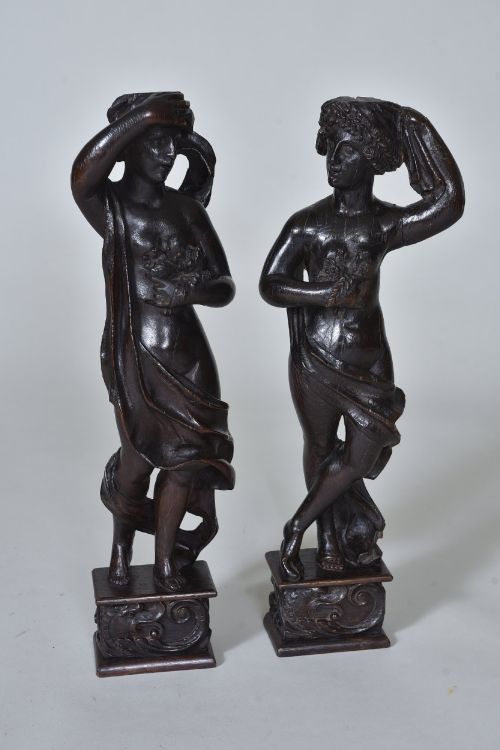
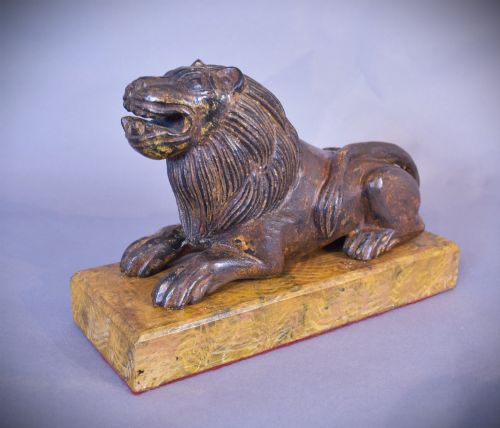
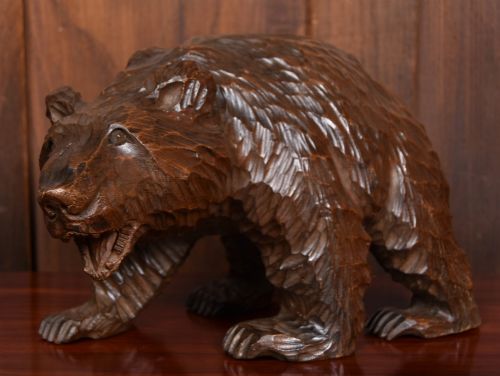
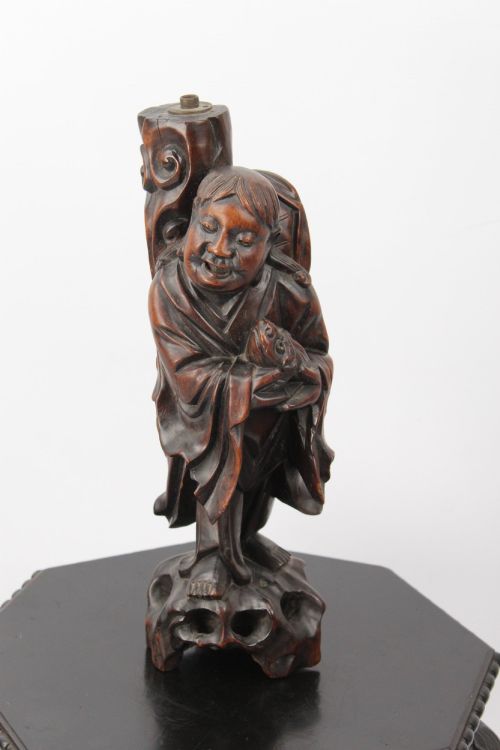
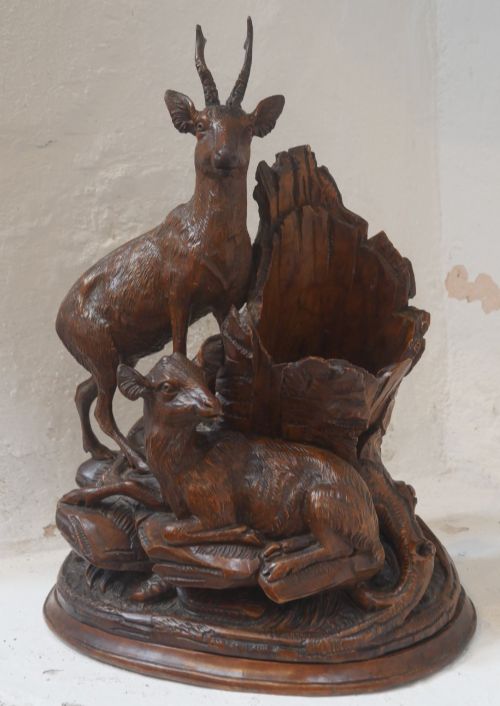
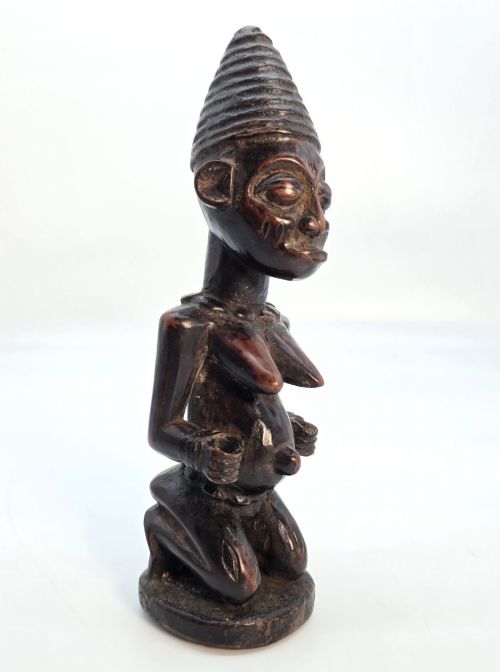
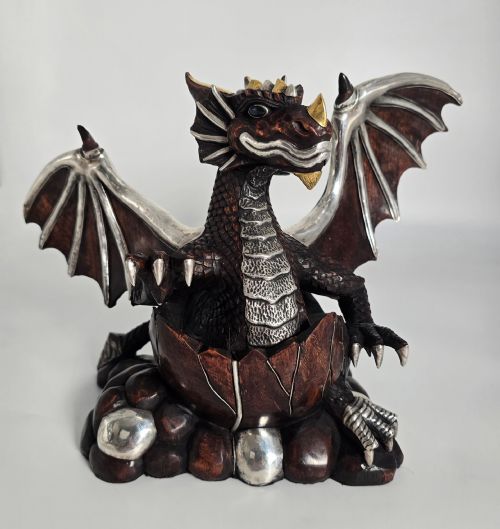
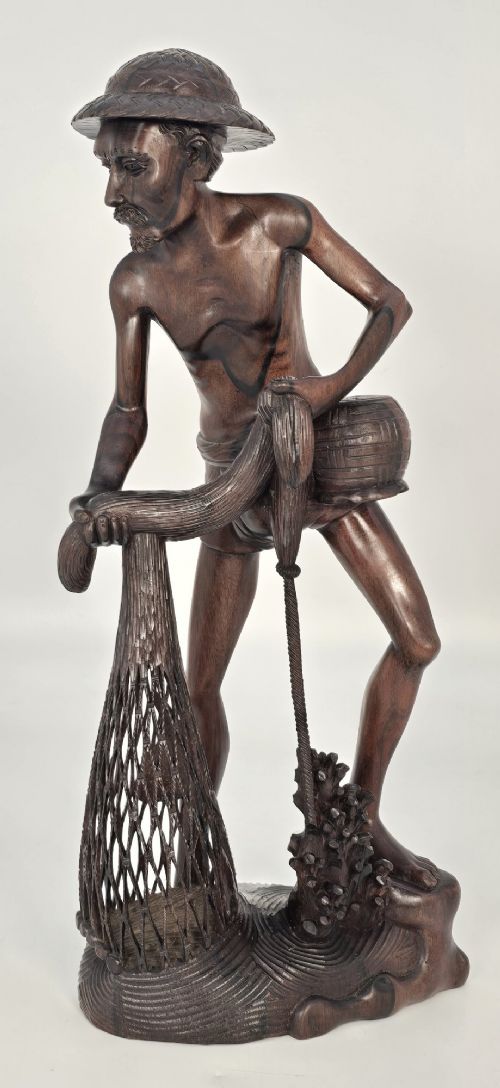
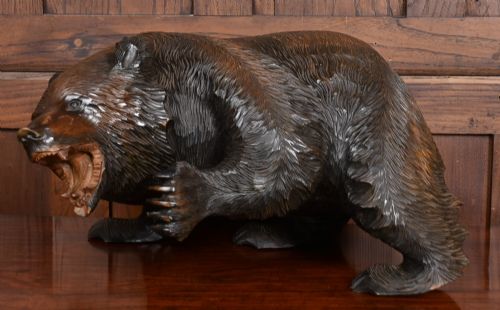
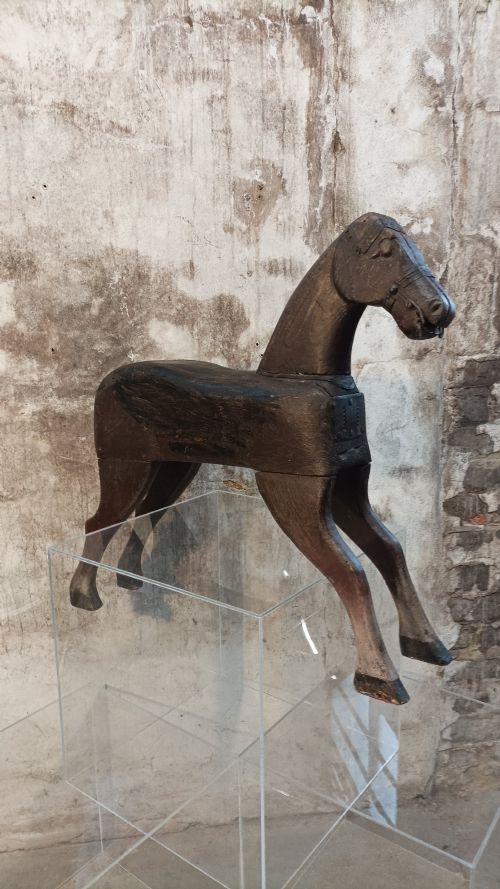
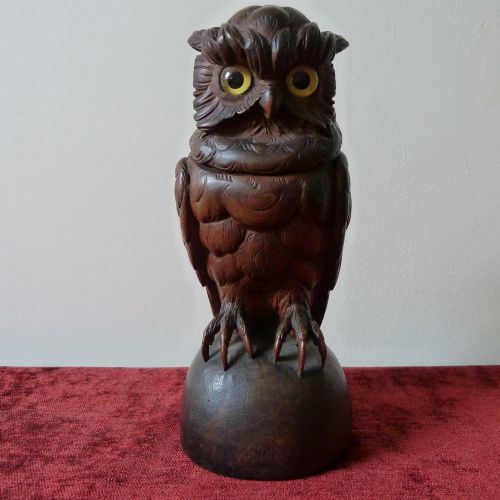
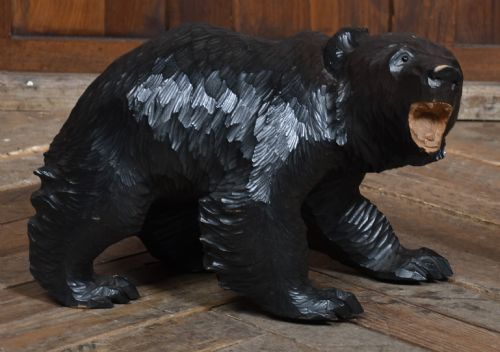
When you search for a dark wood carved ornament, you encounter figurative sculptures, animal figures, and architectural fragments spanning the eighteenth century through the early twentieth century. The selection ranges from European Black Forest bears and owls to Chinese hardwood Buddhas, elephants, and Japanese Meiji period wooden carvings.
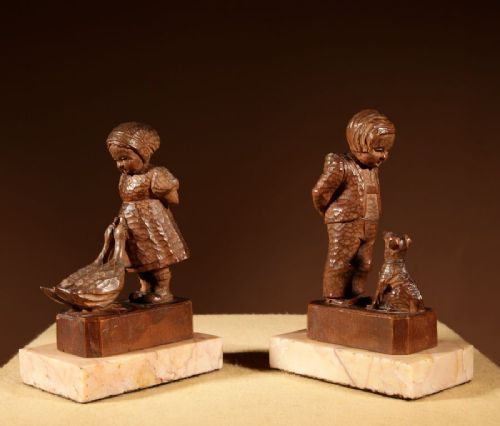
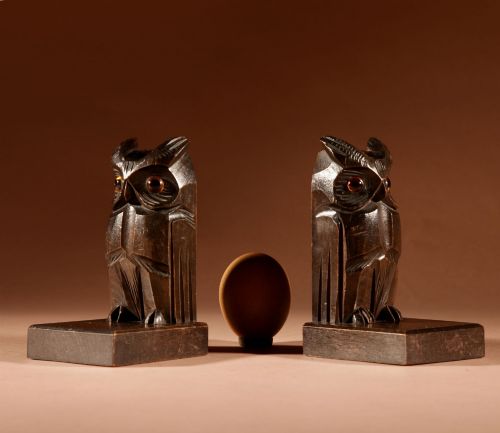
You are most likely to meet nineteenth-century animal figures and regional folk art pieces on this page. These works bridge utilitarian objects like inkwells and bookends with pure decorative sculpture, shaped by carvers working in oak, linden wood, and dense tropical hardwoods.
How they were made
Maker's tools carved these objects directly from timber blocks, utilising the natural grain and density of hardwood, oak, and pale linden wood. Sculptors brought out form with gouges and chisels, leaving subtle tool marks across surfaces that sometimes received dark stains or contrasting paint.
Materials span plain oak and linden wood to dense ebony, root wood, and mixed metal mounts.
What varies in quality
Condition of the timber surface and the preservation of crisp relief edges also separate pieces. Items retaining original polish, unbroken extremities, and uncompromised structural integrity hold greater visual authority.
The Dark Wood Carved Ornament Glossary
- Kibori Kuma
- Japanese wood-carved bear originating from the Hokkaido region. These pieces often depict the animal holding a fish in its mouth.
- Black Forest
- Swiss and German carving style associated with realistic animals and woodland figures. Pieces from this tradition frequently incorporate functional elements such as inkwells or bookends.
- Okimono
- Japanese decorative figurine designed for display in a household alcove. They are typically small in scale and carved from bamboo or dense wood.
- Architectural Fragment
- Surviving portion of a larger building element or church woodwork. These items display historical period motifs carved into structural oak.
- Root Wood
- Natural gnarled timber root utilised by Chinese artisans to shape figures and mythical beasts. The organic contours of the material dictate the final form of the sculpture.
Dark Wood Carved Ornament: Frequently Asked Questions
Where should I place a carved wooden animal?
These sculptures suit tabletops, bookshelves, and mantelpieces where natural light reveals the depth of the chisel work. Position them away from direct heat sources to prevent the timber from drying and splitting.
Pairing animal studies with leather-bound books or botanical displays complements their organic origins and dark tones.
How do I clean antique carved wood?
Dust the crevices gently with a dry, soft-bristled brush to remove settled particles without disturbing the grain or fragile extremities. Avoid liquid polishes and damp cloths, which can darken bare timber or accumulate in carved recesses.
Applying a light coat of specialist wax preserves the finish when the surface appears dry.
How do I identify Black Forest carvings?
Look for realistic depictions of bears, owls, and mountain goats rendered in deep brown linden wood or walnut. Many incorporate functional compartments, such as hinged lids on inkwells or flat bases designed for bookends.
European alpine motifs and expressive glass eyes serve as strong indicators of this regional tradition.
What is Chinese hardwood carving?
These pieces utilise dense, heavy timbers such as zitan or rosewood to portray figures like Budai, Daoist immortals, and elephants. The material allows for high-relief detailing and smooth, polished surfaces that emphasise the natural dark grain.
They frequently rest on integrated wooden stands carved to match the primary subject.