




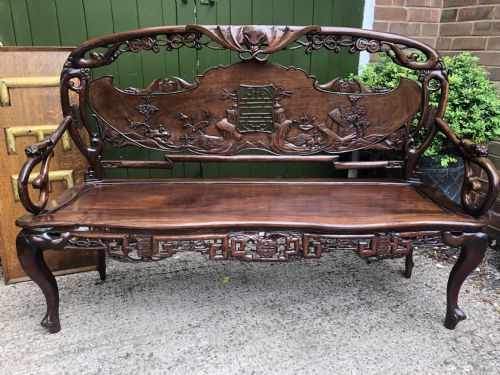


Chinese Wood Bench
A chinese wood bench brings functional form and regional craftsmanship into a room, spanning Qing dynasty seating and rustic elm low tables.
Chinese Wood Bench
When you search for a chinese wood bench, you encounter seating and low tables shaped by centuries of tradition, ranging from hall benches and window seats to day beds and opium tables. The selection includes pieces originating across the nineteenth century and the early twentieth century.
You are most likely to meet sturdy elm and hardwood examples alongside specialised forms like altar benches, dressing stools, and lacquered corner seats. These objects bridge functional seating and decorative low furniture, often showing regional characteristics.
The styles recorded span Qing dynasty work, rustic vernacular pieces, and Chinese export designs. Such variety allows these wooden forms to function as coffee tables, settles, or standalone seats in contemporary interiors.
Materials and construction methods
Makers utilised dense timbers such as rosewood, hongmu, huanghuali, and elm, building structures designed to endure through centuries of daily use. Plank-top construction provides stable surfaces for tables and benches alike.
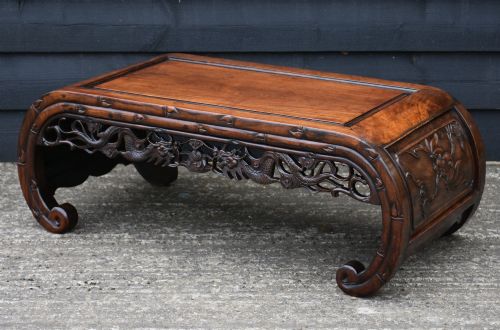
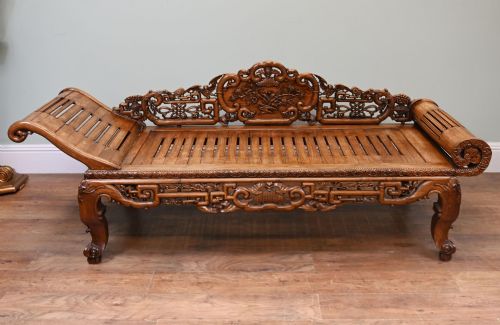
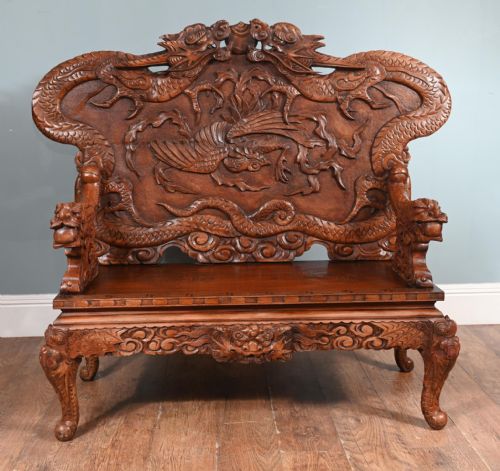
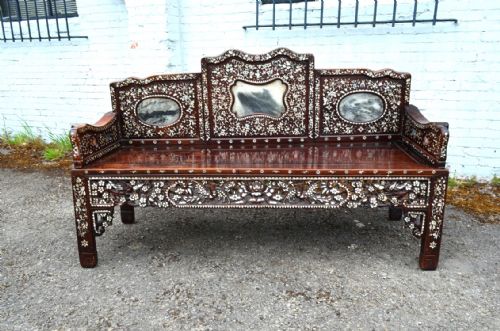
Carving and inlay techniques define the decorative vocabulary, featuring dragon details, cinnabar lacquer, and mother of pearl inlay. Ebonised finishes and marble inserts also appear across the surviving pieces.
Joinery traditions in these regional and export pieces rely on precise woodcraft rather than metal fixings, allowing woods like blonde wood and ebonised hardwood to hold intricate carvings along aprons and seats.
Chinese Wood Bench Retail Price Guide 2026
Typical asking prices for chinese wood bench among the pieces listed under this phrase on Sellingantiques today, from the lower quarter to the upper quarter. They describe what is for sale here now, not the wider market.
Listings feature items from the nineteenth century, Edwardian era, and early twentieth century, utilising elm, rosewood, and lacquered hardwood.
Distinctions in construction and material grade
The hierarchy of quality rests primarily on the choice of timber, with dense hardwoods like rosewood, hongmu, and huanghuali standing apart from softer elm or generic wood variants. Heavier, finer-grained timbers support deeper and crisper carved detail.
Structural integrity and the preservation of original surfaces, whether polished hardwood, lacquer, or ebonised finishes, determine the standing of an individual piece. Retaining the authentic patination of the wood surface remains central to the character of each item.
Whytock and Reid
The Chinese Wood Bench Glossary
- Hongmu
- A dense, heavy Chinese hardwood prized for its rich colour and ability to hold fine carved detail. It is frequently encountered in nineteenth-century tables and seating.
- Opium table
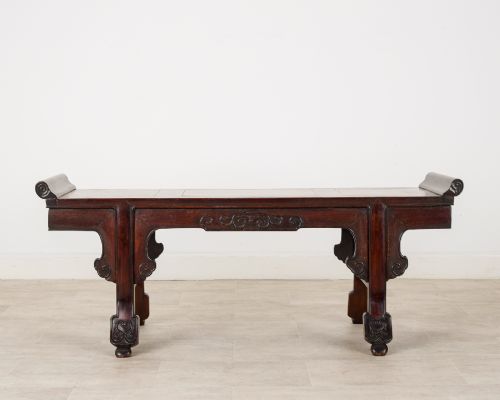
- A low wooden table traditionally used for resting or dining while seated on cushions or a bed. These low forms often feature carved aprons and sturdy legs.
- Cinnabar
- A red mineral pigment used in lacquer work to create carved, layered surfaces. It appears on select nineteenth-century Chinese furniture.
- Settle
- A wooden bench with high backs and arms designed to block drafts in traditional interiors. In an export or regional context, these pieces incorporate traditional Chinese carving.
- Ebonised
- Wood treated to imitate ebony, producing a dark, uniform finish. This technique was applied to various low tables and seating during the late nineteenth and early twentieth centuries.
Chinese Wood Bench: Frequently Asked Questions
What is a chinese wood bench used for?
These pieces serve multiple functions in modern spaces, acting as hallway seating, window seats, or low coffee tables depending on their height and form. Their sturdy construction makes them suitable for daily utility.
Shorter low tables and opium tables function well as central surfaces in living areas, while longer hall benches provide practical seating paired with traditional carvings.
How do I identify a qing dynasty bench?
Identification relies on observing traditional construction methods, specific timber choices like rosewood or hongmu, and characteristic carved motifs such as dragons. These elements align with the manufacturing standards of the period.
Dates span the nineteenth century and early twentieth century, reflecting stylistic continuity through the late imperial era and into export production.
What is the difference between elm and rosewood benches?
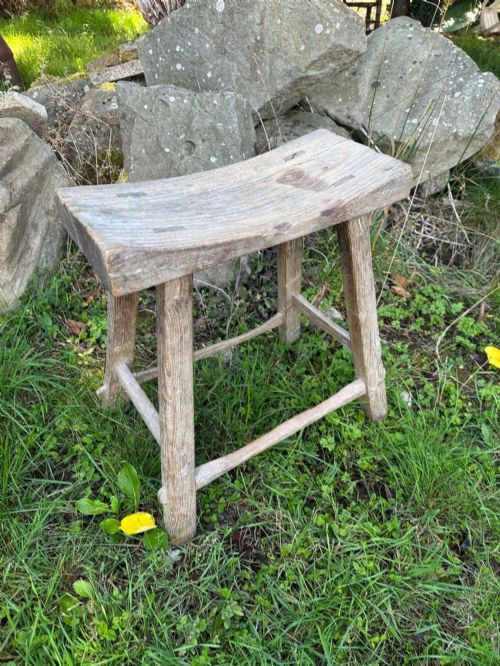
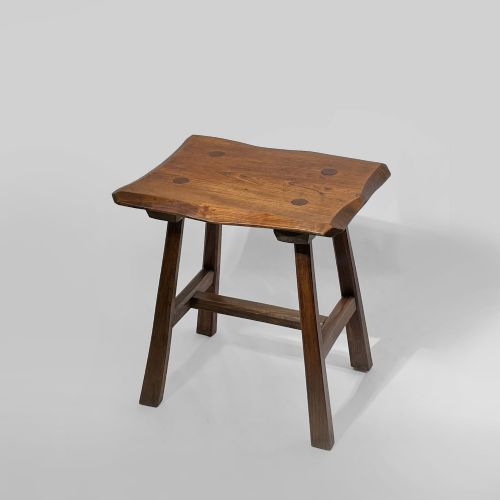
Elm typically provides a more rustic, domestic character with a visible grain pattern, often seen in regional vernacular and country pieces. It offers a lighter tone and simpler lines.
Rosewood and other dense hardwoods support intricate, deep carving and possess a heavier weight and darker natural hue. These timbers indicate formal workshop production rather than vernacular country use.
How do I care for an antique wood bench?
Maintain the wood by keeping the piece away from direct heat sources and sudden humidity changes to prevent timber movement. Regular dusting with a dry cloth preserves the finish.
Avoid harsh chemical cleaners that can strip the historic patination or damage delicate lacquer and inlay work. Gentle conditioning maintains the natural lustre of the hardwood.