









Chinese Style Side Table
These Chinese style side table pieces bring distinct forms and rich timber to a room, offering both practical surface space and decorative presence.
Chinese Style Side Table
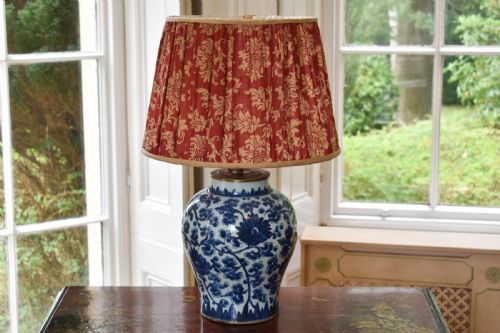
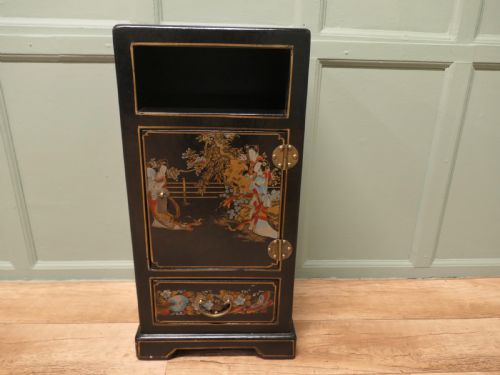
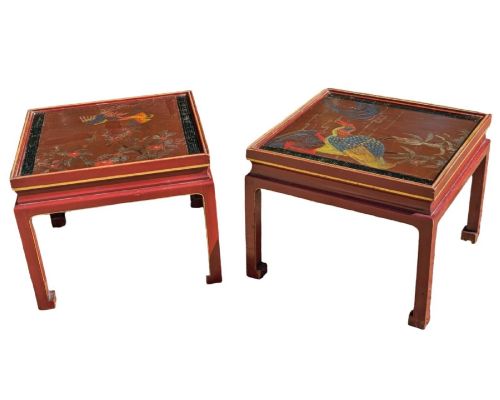
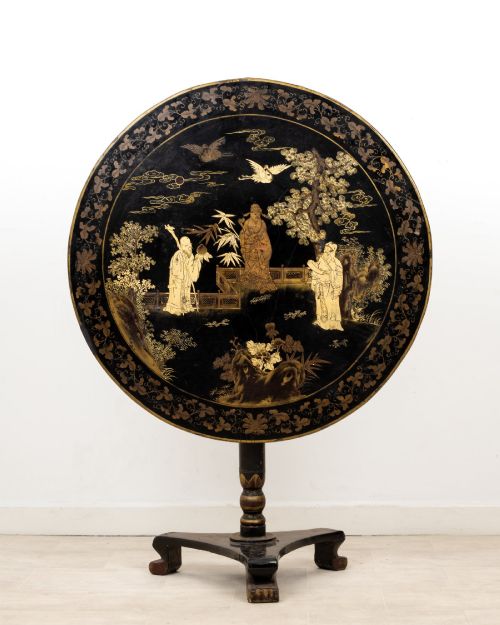
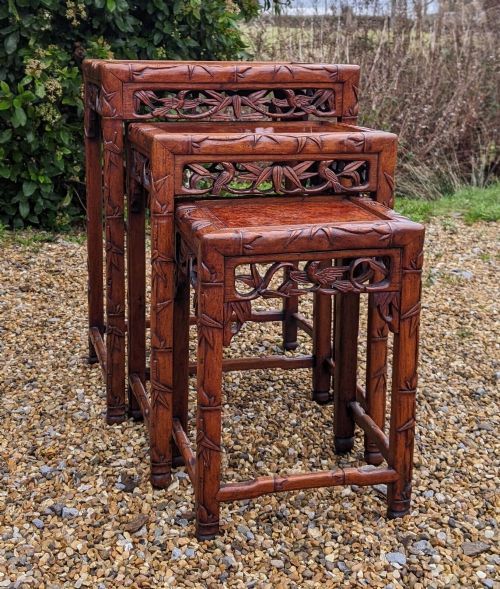
A Chinese style side table encompasses various low tables, nests of tables, occasional tables, console tables, and plant stands spanning from the 18th century through the early 20th century. Buyers searching this phrase most frequently encounter hardwood and lacquered pieces drawing on traditional Chinese forms and Chinoiserie aesthetics.
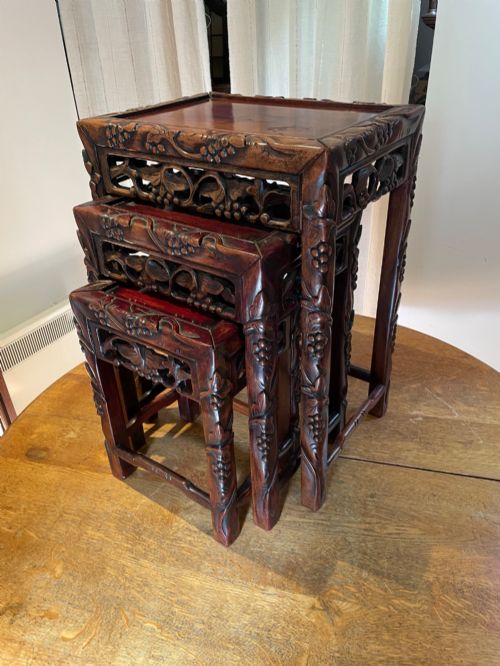
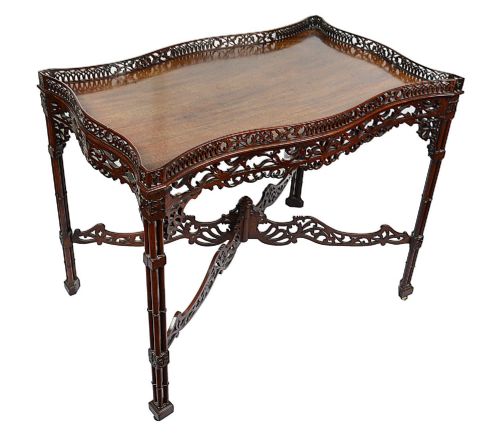
The selection ranges from carved hardwood corner leg tables and altar tables to red lacquer low tables and nests of tables featuring mother of pearl inlay. Alongside these traditional forms appear European interpretations, including Chippendale style mahogany silver tables and kettle stands reflecting intercultural design influences.
Materials and Construction
Construction relies heavily on dense timbers such as hardwood, rosewood, huanghuali, padouk, and elm, providing durable frames for intricate carving and joinery. Lacquer finishes in red, cream, and black are applied to wood surfaces, often paired with decorative elements like mother of pearl inlay and cloisonne.
Insets of marble feature prominently on stands and table tops, offering cool, smooth contrasting surfaces alongside porcelain components and brass fittings. European pieces within the selection utilise mahogany and incorporate Georgian and Edwardian cabinet-making techniques.
Chinese Style Side Table Retail Price Guide 2026
Typical asking prices for chinese style side table among the pieces listed under this phrase on Sellingantiques today, from the lower quarter to the upper quarter. They describe what is for sale here now, not the wider market.
Some tables double as garden seats, proving that Victorian households loved a multifunctional ceramic barrel.
Distinctions in Quality
Quality rests upon the selection of timber, such as the grain and natural colour found in huanghuali pieces, and the precision of the joinery and carving. Finer examples exhibit deeply carved ornamentation and well-preserved lacquer work with minimal disturbance to the underlying structure.
The integration of inset marble tops and specialised inlays like mother of pearl separates standard utility pieces from more ambitious decorative examples. Consistency in surface finishing and the structural integrity of frames further define the upper tier of these tables.
The Chinese Style Side Table Glossary
- Chinoiserie
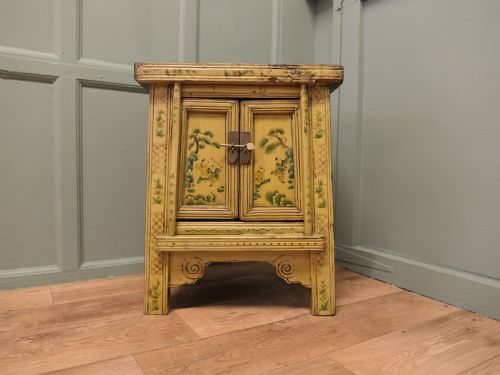
- European decorative style inspired by Chinese artistic traditions, popular in furniture and lacquer work. This aesthetic manifests in red and cream decorated cabinets and tables.
- Altar Table
- Traditional long, narrow table featuring upturned ends or carved aprons, originally designed for ritual use. These pieces now function as console tables in domestic interiors.
- Cloisonne
- Enamelwork technique where thin metal wire creates cells that hold coloured paste before firing. This technique appears alongside lacquer on select side tables.
- Nest of Tables
- Set of graduating tables designed to fit neatly beneath one another when not in use. They occur frequently in hardwood and lacquered finishes.
Chinese Style Side Table: Frequently Asked Questions
What rooms suit a Chinese style side table?
These tables adapt well to living rooms, hallways, and studies where surface space is required beside seating or against walls. Smaller stands and nests function flexibly as coffee tables or plant pedestals.
Their varied dimensions, from low tables to tall altar tables, allow them to fit into both spacious reception rooms and compact corners.
How do I care for lacquer and hardwood surfaces?
Hardwood benefits from occasional treatment with appropriate natural waxes to maintain the timber's moisture and sheen. Lacquered surfaces require gentle dusting with a soft, dry cloth to protect the decorative finish.
Avoiding direct sunlight and excessive humidity prevents warping in the timber and preserves the integrity of inlaid elements.
How do I distinguish between traditional and revival styles?
Traditional pieces draw directly on historical Chinese construction methods and indigenous timbers like elm and huanghuali. Revival styles, such as Chippendale style or Chinoiserie pieces, apply European framing and decorative idioms to Asian motifs.
Examining the joinery, hardware, and wood species helps clarify the geographic origin of the workshop.
Can marble top tables support heavy items?
Inset marble tops provide sturdy, heat-resistant surfaces originally intended to hold heavy ceramic jardiniere stands and lamps. The stone is supported by robust hardwood frames beneath.
Care should be taken when placing objects to avoid chipping the edges of the inset marble slab.