




Vintage Red Storage Cupboard
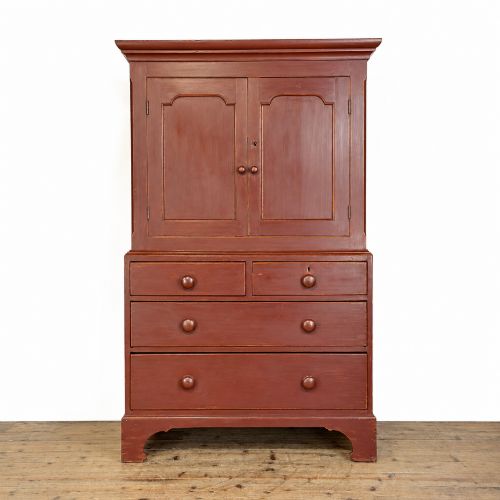
A vintage red storage cupboard brings striking colour and practical shelving to a room, drawing the eye with rich paintwork and timber.
Vintage Red Storage Cupboard
When you search for a vintage red storage cupboard, you encounter a diverse selection of furniture spanning the nineteenth and twentieth centuries. These pieces function primarily to house linens, medicines, or household items while introducing a bold red finish to the interior.
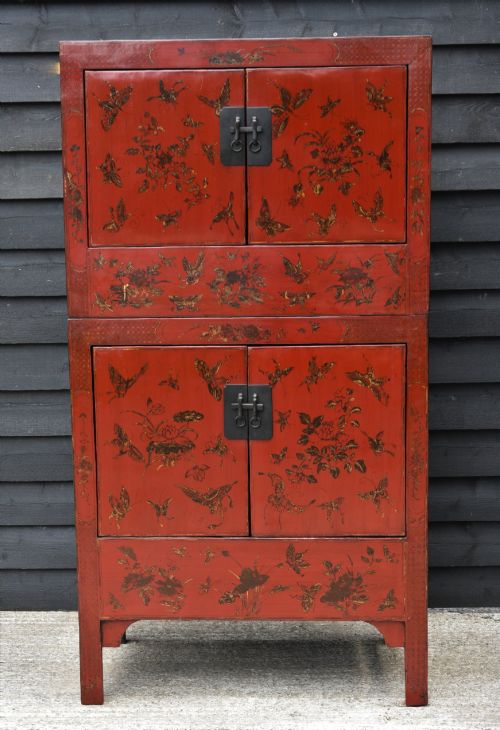
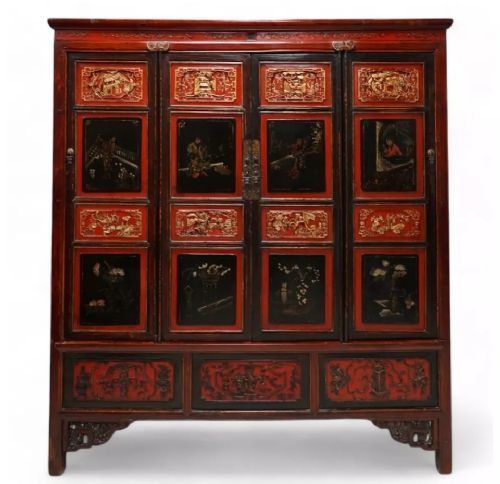
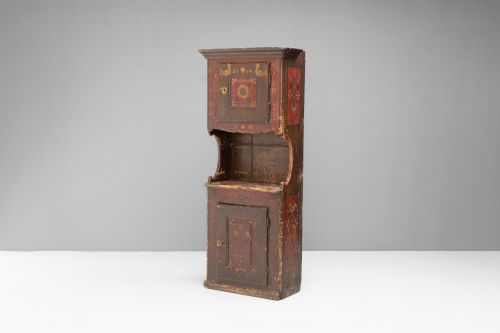
The objects take many forms, including Chinese marriage cabinets, apothecary chests, and European painted larder cupboards. Buyers are most likely to meet nineteenth-century examples featuring lacquered wood or traditional hand-painted floral decoration.
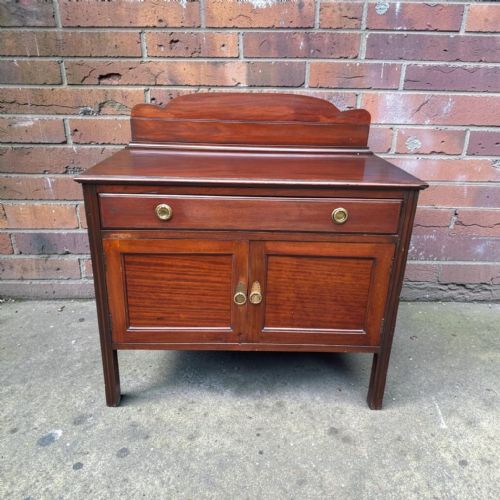
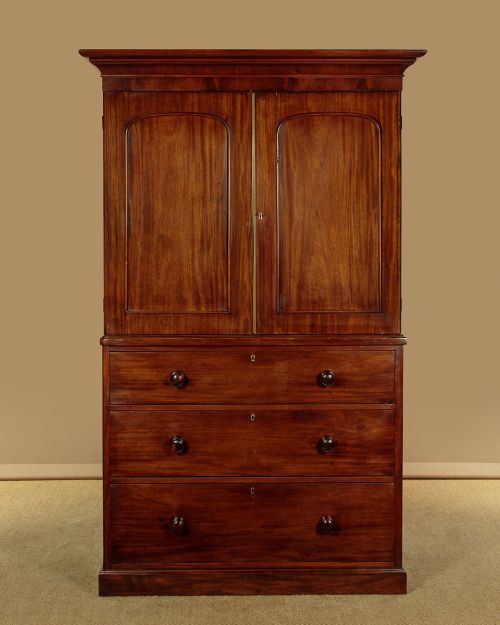
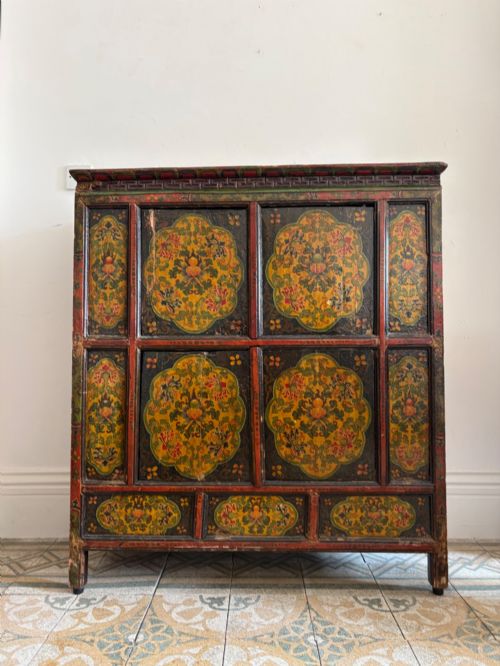
Origins vary widely, ranging from British Victorian pine and mahogany sideboards to Scandinavian and Tibetan folk art pieces. Each style brings distinct proportions and construction methods to the category.
How they were made
Makers utilised solid timbers such as pine, mahogany, elm, and gonçalo-alvez to build the foundational carcasses and internal shelving. Brass and iron hardware, including hinges and drawer pulls, provide structural support and functional detail.
Surface finishes rely heavily on applied red paint or multiple layers of red lacquer. Artisans decorated many pieces with hand-painted floral motifs or maintained an original painted finish over softwood and hardwood.
Vintage Red Storage Cupboard Retail Price Guide 2026
Typical asking prices for vintage red storage cupboard among the pieces listed under this phrase on Sellingantiques today, from the lower quarter to the upper quarter. They describe what is for sale here now, not the wider market.
Object types include apothecary chests, noodle cabinets, larder cupboards, and serpentine sideboards.
What varies in quality
The standard of a vintage red storage cupboard rests upon the preservation of its original surface and the integrity of the timber. Pieces retaining undisturbed early lacquer or authentic folk paintwork hold greater visual interest than those with heavy modern intervention.
Joinery techniques and hardware also define the tier of craftsmanship, distinguishing standard utility furniture from finer cabinetmaking. Well-fitted doors, stable carcasses, and period-correct brass fittings indicate superior manufacture.
The Vintage Red Storage Cupboard Glossary
- Lacquer
- A durable finish applied in multiple layers to wood, often associated with Asian cabinetmaking and polished to a smooth sheen. It creates a hard, protective surface that deepens the colour of the piece over time.
- Tansu Chest
- Traditional Japanese mobile storage cabinetry constructed with interlocking joinery and iron mounts. These chests serve versatile domestic functions while displaying meticulous woodwork.
- Skeleton Cupboard
- A utilitarian storage cabinet design featuring open framework or simplified interior organisation. Victorian examples utilise this configuration primarily for linen and housekeeping storage.
Vintage Red Storage Cupboard: Frequently Asked Questions
What rooms suit a red storage cupboard?
These cabinets suit kitchens, hallways, and living spaces where a strong splash of colour acts as a focal point. Their internal shelving provides practical storage for everyday items while hiding clutter behind closed doors.
Placing one against a neutral wall allows the red paint or lacquer to stand out without overwhelming the room. Smaller floor or table cabinets fit easily into compact spaces.
How do I care for lacquered wood?
Dust the surface regularly with a soft, dry cloth to prevent grit from scratching the delicate finish. Avoid placing lacquered or painted furniture in direct sunlight or near heat sources to prevent cracking.
Keep humidity levels stable in the room to protect the underlying timber and the integrity of the paint layers. Use gentle cleaning methods without harsh chemical polishes.
How do I identify a nineteenth-century piece?
Examine the construction methods, tool marks on the interior timber, and the type of hardware fitted to the doors and drawers. Hand-cut dovetails and forged iron or brass hinges often indicate earlier manufacture.
Consider the wear patterns on the red paint or lacquer, which should show natural signs of age rather than artificial distress. Comparing the proportions to documented regional styles helps confirm the period.
Are these cupboards practical for modern use?
Cupboards and cabinets from these periods offer deep shelves and enclosed compartments that accommodate contemporary storage needs. They work well for holding tableware, linens, or media equipment.
Checking the internal depth and shelf configuration ensures the piece fits specific items before purchase. Many historic cabinets provide more robust construction than modern flat-pack alternatives.