


Asian Lacquered Cupboard
An asian lacquered cupboard brings rich colour and layered storytelling to a room, offering practical storage disguised as art.
Asian Lacquered Cupboard
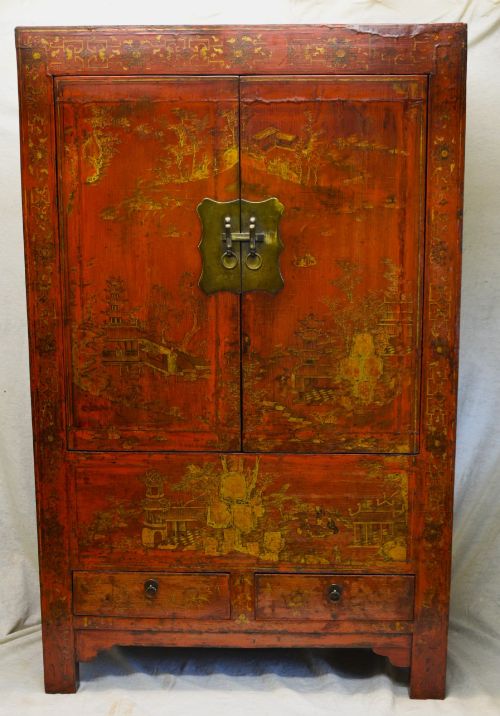
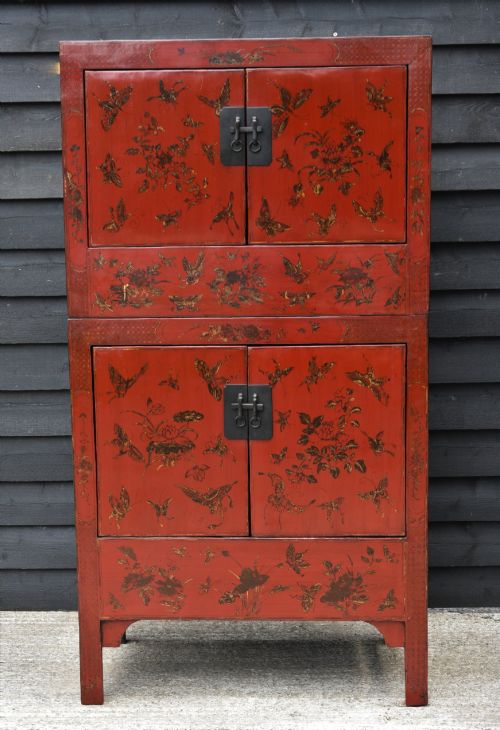
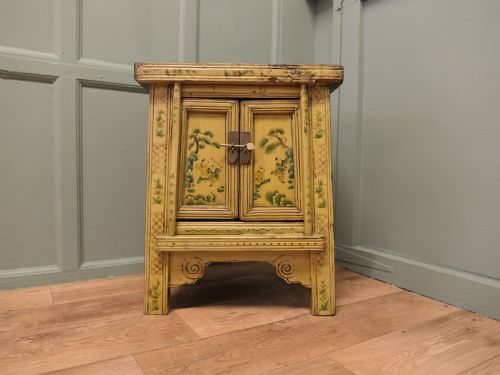
An asian lacquered cupboard encompasses storage pieces ranging from large marriage cabinets and compound wardrobes to compact bedside chests and apothecary cabinets. These items emerge from various periods including the seventeenth, nineteenth and early twentieth centuries, reflecting diverse cultural traditions.
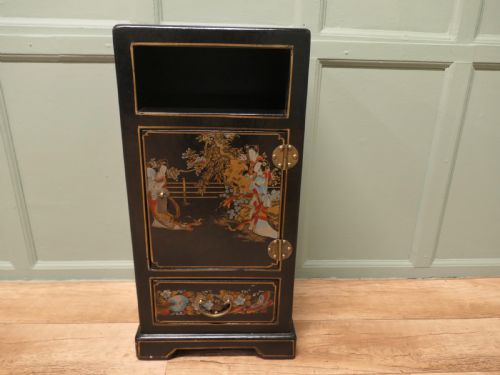
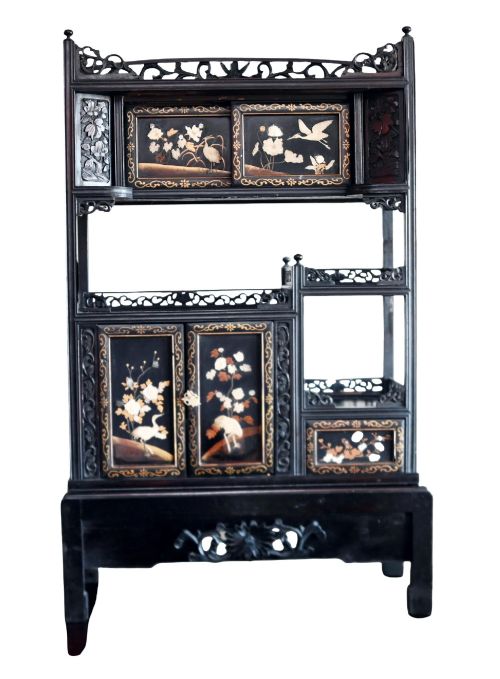
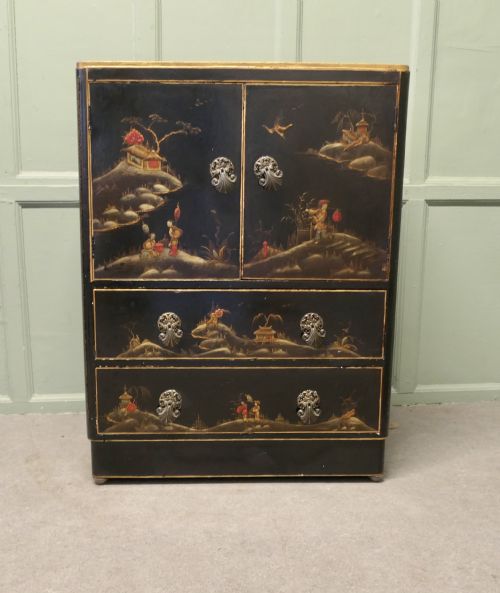
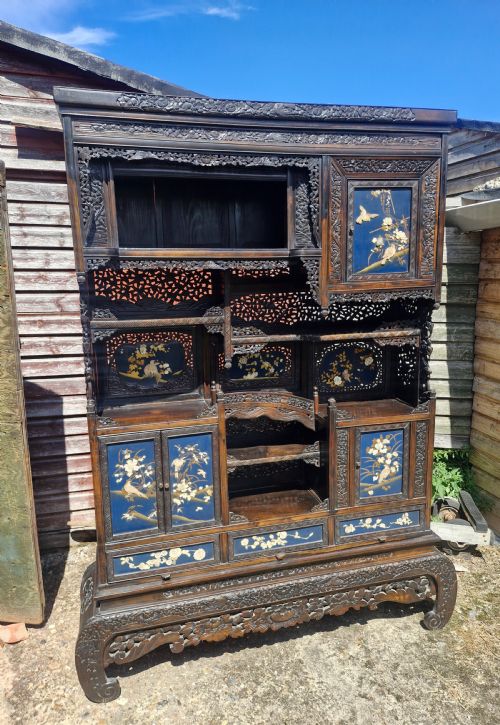
The selections span distinct stylistic origins, pairing traditional Chinese provincial forms and Qing dynasty designs with Japanese Meiji period display cabinets and Korean painted chests. Buyers encounter striking red and black finishes alongside cream and ebonised variants.
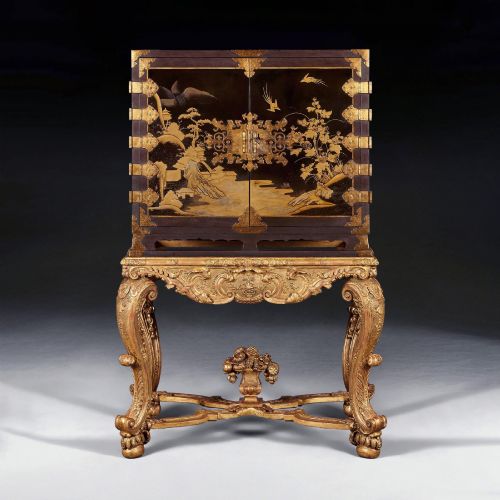
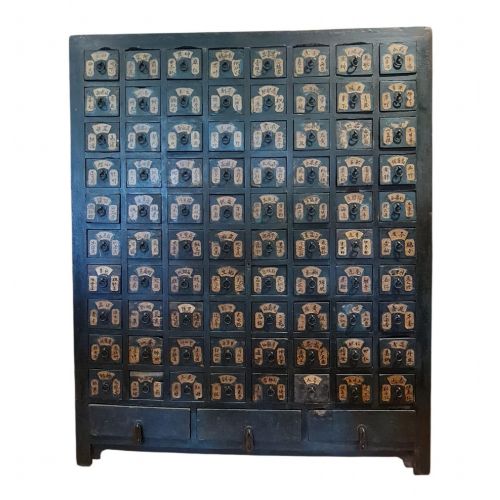
Many examples arrive raised on stands, including French giltwood Regence frames paired with seventeenth-century Japanese lacquer bodies. Others take the form of specialised furniture like the multi-drawer apothecary chest originating from Shanxi province.
Materials and construction methods
Wood serves as the foundational substrate, with Chinese elm and various hardwoods providing the sturdy structure for large wedding cabinets and smaller side cupboards. Master artisans applied successive layers of lacquer to seal and protect this timber.
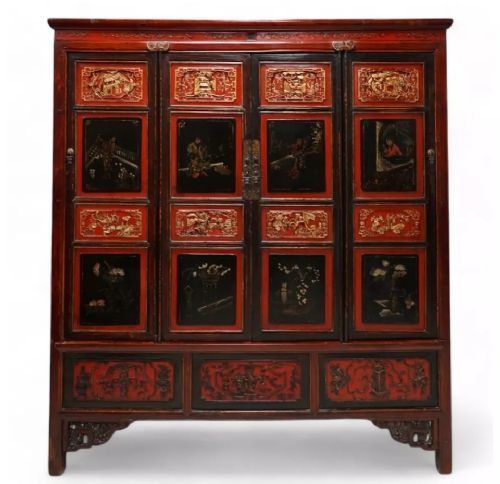
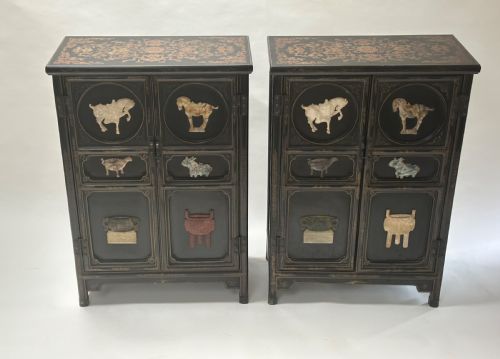
Decoration relied heavily on contrasting elements applied to the lacquered surfaces, including intricate gold leaf detailing, inlaid mother-of-pearl, and delicate brass hardware. Specific pieces integrate cinnabar lacquer or hand-painted botanical and avian motifs.
Asian Lacquered Cupboard Retail Price Guide 2026
Typical asking prices for asian lacquered cupboard among the pieces listed under this phrase on Sellingantiques today, from the lower quarter to the upper quarter. They describe what is for sale here now, not the wider market.
The inventory records pieces spanning the seventeenth century through to the Edwardian era and the 1930s.
Distinguishing quality across pieces
The refinement of the surface decoration determines a significant portion of a cabinet's visual impact, separating simple painted finishes from deeply carved cinnabar or meticulous gold leaf and mother-of-pearl inlay. The integrity of the underlying lacquer layer matters greatly.
The harmony between structural elements and decorative stands creates distinction, particularly where European mounts like French giltwood Regence frames support antique Japanese lacquer bodies. Original hardware and untouched painted surfaces elevate the integrity of the piece.
The Asian Lacquered Cupboard Glossary
- Chinoiserie
- European decorative style reflecting Chinese artistic influences, frequently applied to British and continental cabinets with black, red or cream lacquer grounds. It often depicts figures, landscapes, birds and flowers in gold or coloured paint.
- Tansu
- Traditional Japanese mobile storage chest built from wood, historically utilised for clothing or household goods. These pieces rely on utilitarian metal fittings and functional drawer configurations.
- Shodana
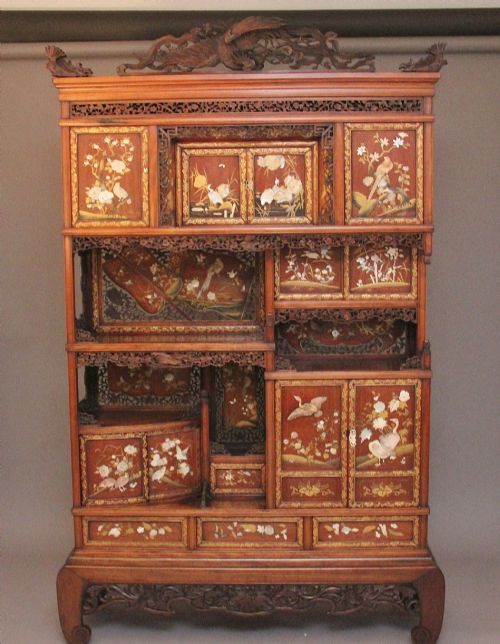
- Japanese display cabinet originating from the Meiji period, designed with asymmetrical shelving and small cupboards for exhibiting curiosities. These cabinets showcase intricate woodwork and fine lacquer techniques.
- Cinnabar
- Carved lacquer created by applying numerous layers of red pigment derived from mercuric sulphide before carving intricate patterns into the buildup. This technique yields deep relief ornamentation on specialised cabinets.
- Marriage Cabinet
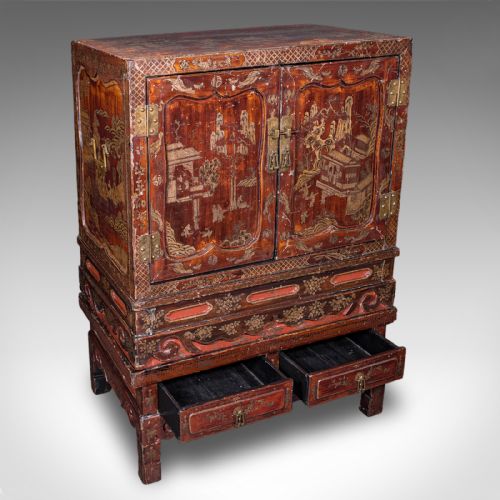
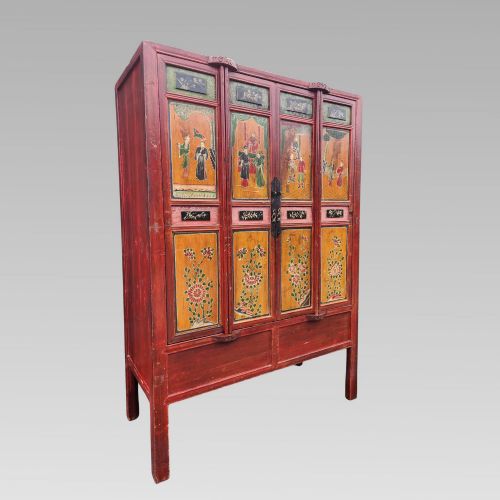
- Large traditional Chinese storage furniture given to brides as part of their dowry, typically featuring prominent brass mounting plates and two main doors. Red lacquer and gold leaf decoration are common on these celebratory pieces.
Asian Lacquered Cupboard: Frequently Asked Questions
Where should I place an asian lacquered cupboard?
These storage pieces function well in living rooms, dining spaces or hallways where their colourful finishes can act as a focal point. Pairing them with neutral walls allows the intricate lacquerwork and metallic hardware to stand out.
Larger marriage cabinets provide substantial concealed storage for household items, while smaller bedside chests or table cabinets fit easily into tighter spaces for displaying decorative objects.
How do I care for antique lacquer furniture?
Keep wooden lacquer pieces away from direct sunlight, extreme temperature shifts, and moisture to prevent the surface from drying or cracking. Dusting gently with a soft, dry cloth is usually sufficient for routine maintenance.
Avoid using harsh chemical polishes, modern cleaning sprays, or abrasive cloths that can permanently damage the delicate gold leaf, inlaid mother-of-pearl, or layered lacquer finish.
What is the difference between Chinese and Japanese cabinets?
Chinese examples on this page often manifest as large wedding cabinets, compound storage cupboards, or multi-drawer apothecary chests utilising elm and hardwood. Their decoration frequently employs bold red lacquer, prominent brass hardware, and painted pictorial scenes.
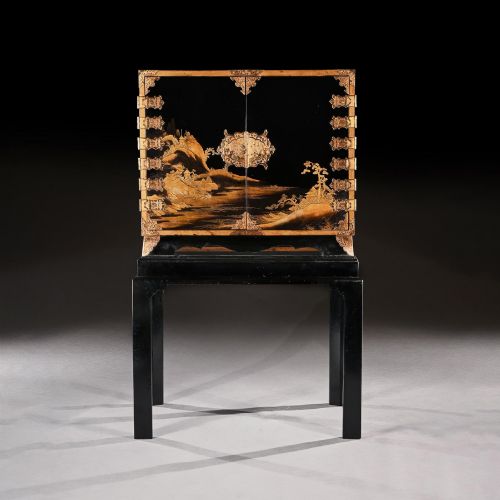
Japanese pieces tend to include specialised forms like tansu chests or shodana display cabinets with asymmetrical shelving. They frequently feature black lacquer grounds paired with intricate metal fittings or refined export styling.
How can I tell the age of a lacquer cabinet?
Dating relies on examining the construction techniques, the wear patterns on the wood and lacquer, and the style of the hardware. Seventeenth-century and Victorian pieces carry distinct joinery methods compared to early twentieth-century or 1930s productions.
Reference points in the design, such as Meiji period characteristics or Qing dynasty motifs, help anchor the piece within a specific historical era alongside recorded provincial origins.