


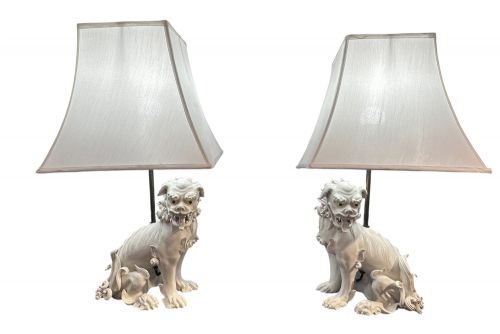


Chinese Style Lamp
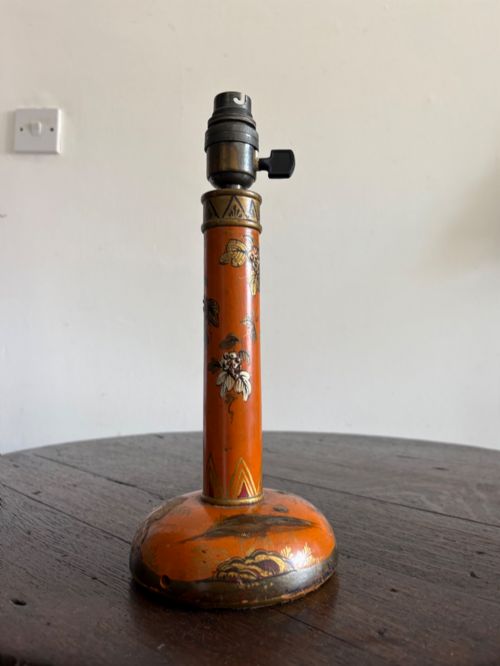
These pieces known as a chinese style lamp bring painted porcelain and lacquered wood into a room with distinct historical character.
Chinese Style Lamp
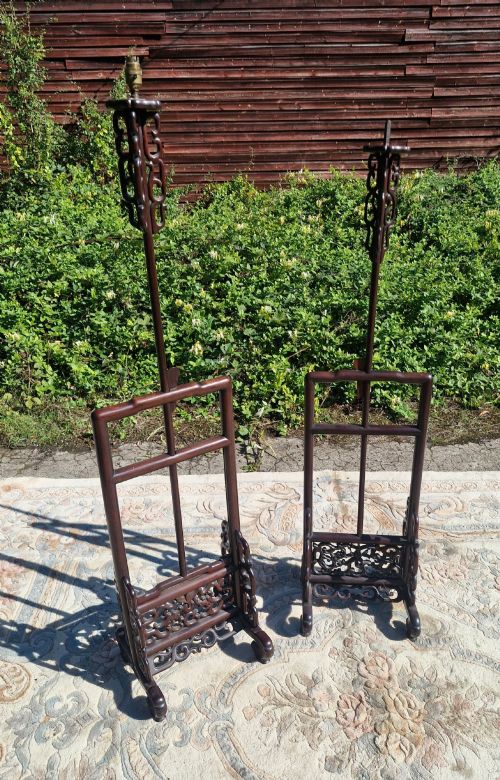
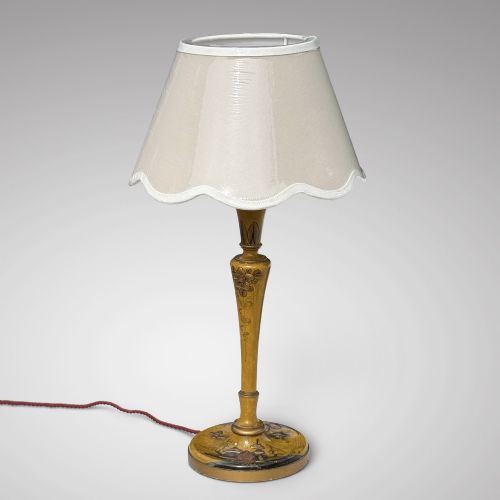
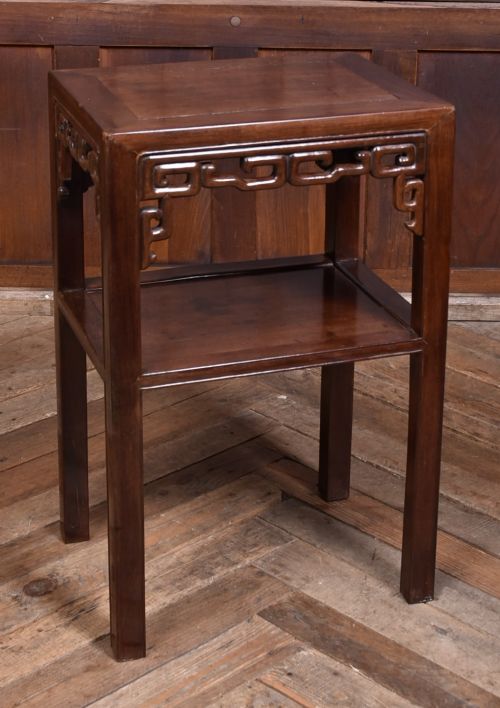
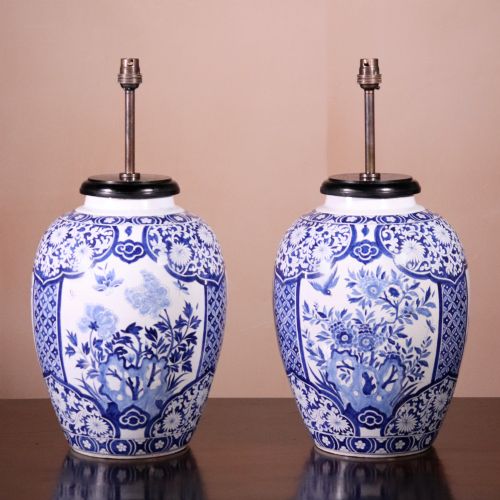
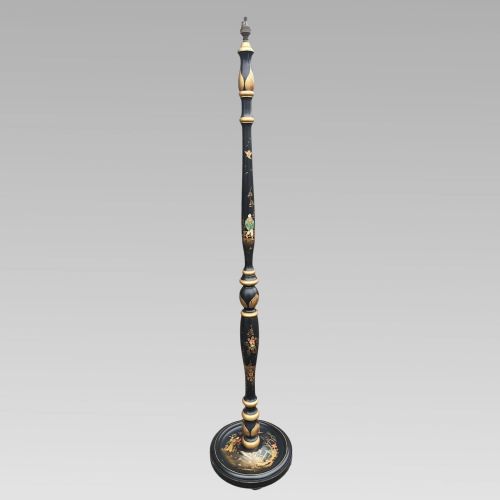
A chinese style lamp generally takes the form of a converted vase, jar or lantern stand, appearing across the nineteenth and early twentieth centuries in various decorative guises. Buyers encounter porcelain vessels decorated in blue and white or polychrome enamels alongside wooden lamp standards and lacquered occasional tables.
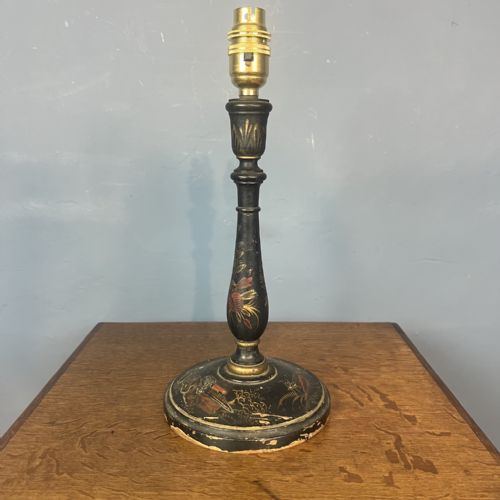
The selection ranges from Victorian porcelain pieces to Edwardian examples finished in black or coloured lacquer. Many items originate from conversions of earlier ceramic bodies mounted with brass or gilt bronze for domestic lighting.
Materials and construction
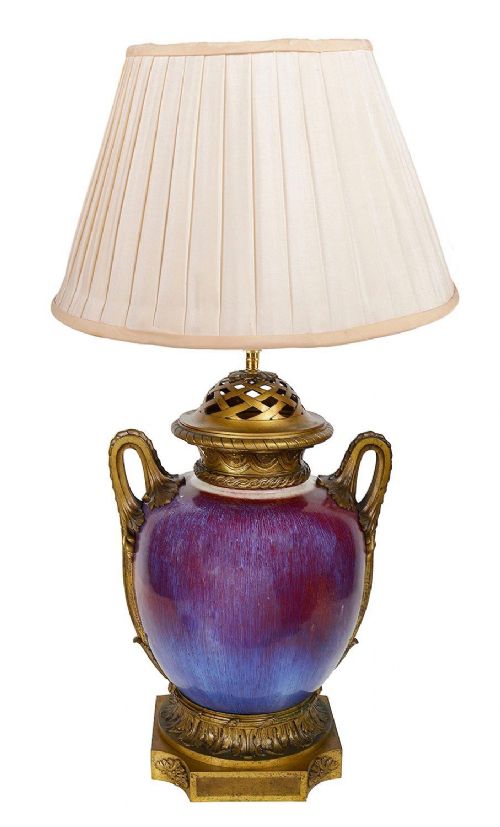
Makers utilised hard-paste porcelain, hardwood, brass and lacquer, often applying hand-painted motifs or gilt decoration to the surface. Ceramic bodies frequently display crackleware glazes or traditional palette colours such as famille verte and sang de boeuf.
Wooden items employ hardwoods and applied lacquer, whilst metal components like ormolu mounts provide structural support and decorative framing for the ceramic or wooden columns.
Periods represented range from the eighteenth century through to the nineteen-thirties, including Victorian and Edwardian examples.
Evaluating workmanship
Quality rests upon the crispness of the hand-painted detail on the porcelain or the depth and preservation of the lacquer finish. Pieces demonstrating finer brushwork and well-cast bronze or brass mounts stand apart from simpler utilitarian conversions.
The integrity of the original ceramic vessel and the subtlety of the conversion work dictate the overall refinement of the finished object.
The Chinese Style Lamp Glossary
- Chinoiserie
- European decorative style reflecting Chinese artistic influences, popular in lacquerwork and furniture design. It is frequently seen in twentieth-century lamp standards.
- Famille Verte
- Green-dominant palette of enamel colours used on porcelain during the Qing dynasty and later revival periods. This term helps identify specific vase decorations in listings.
- Crackleware
- Pottery glaze characterised by a network of fine cracks intentionally created during firing. It appears on nineteenth-century blue and white vases.
- Blanc de Chine
- White porcelain produced in Dehua, China, known for its milky texture. Items in this material often depict figures such as lion dogs.
- Ormolu
- Gilded bronze used for mounts and decorative fittings on furniture and porcelain bases. It adds structural weight and ornamental detail.
Chinese Style Lamp: Frequently Asked Questions
What periods do these lamps come from?
The pieces span the nineteenth century up through the nineteen-thirties, including Victorian and Edwardian examples. Many incorporate ceramic bodies from earlier centuries.
Makers often adapted older porcelain vessels or constructed new lamp stands using traditional stylistic elements during the early twentieth century.
How do I identify a lacquer finish?
Lacquer surfaces exhibit a hard, glossy sheen built up from multiple resin coats, frequently coloured in black, red or ochre. Hand-painted or gilded motifs often decorate the top layer.
These finishes appear on wooden tables and floor standards designed in the chinoiserie style.
Are these lamps converted from vases?
Many examples originate from Chinese porcelain vases or ginger jars fitted for electricity at a later date. Metal mounts and bases often secure the electrical components to the ceramic body.
This method of conversion was common practice for incorporating antique oriental ceramics into Western interiors.