


Chinese Stone Sculpture
These pieces of chinese stone sculpture span centuries of carving, bringing monumental temple figures, scholar's desk items and intricate jade groups into your home.
Chinese Stone Sculpture
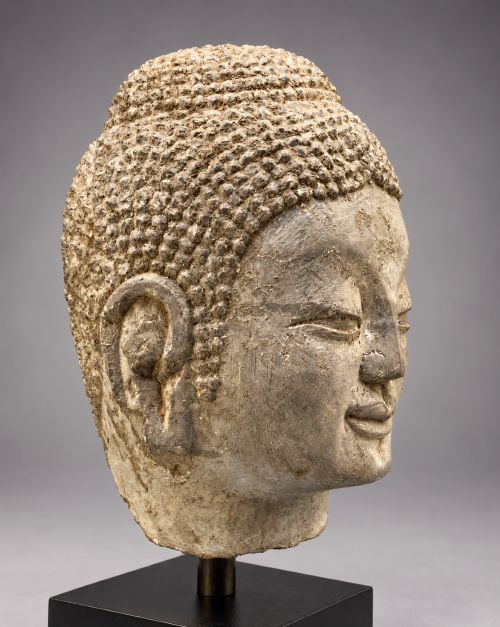
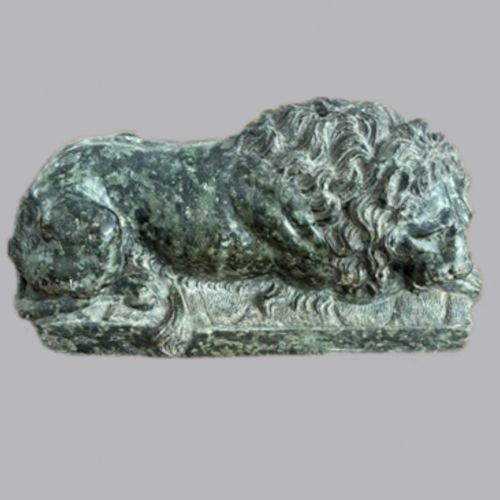
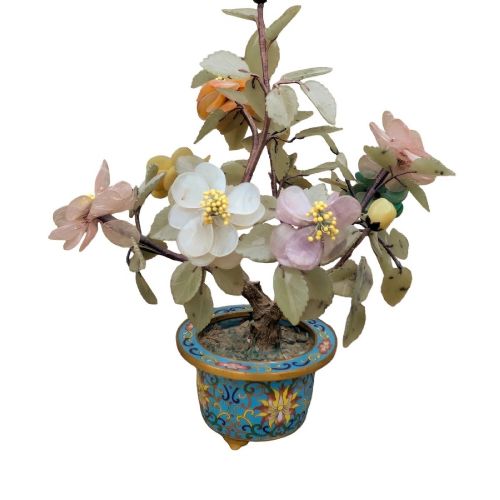
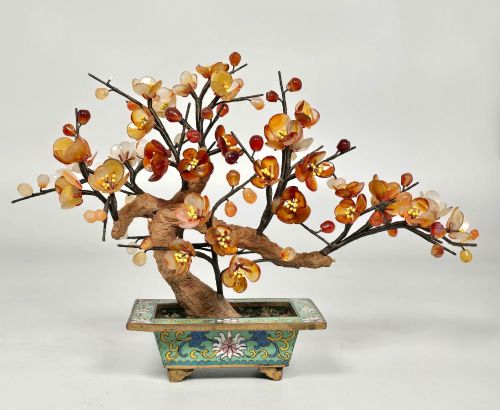
When you examine a chinese stone sculpture, you encounter a tradition that ranges from early limestone and sandstone Buddha heads to intricate nineteenth-century soapstone figures of deities, sages and animals. These works take many forms, from large architectural temple guards and recumbent lions in marble to miniature jade fish and complex bonsai trees set in cloisonne jardinieres.
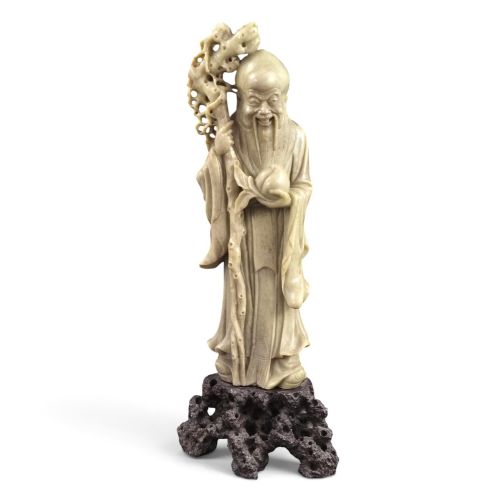
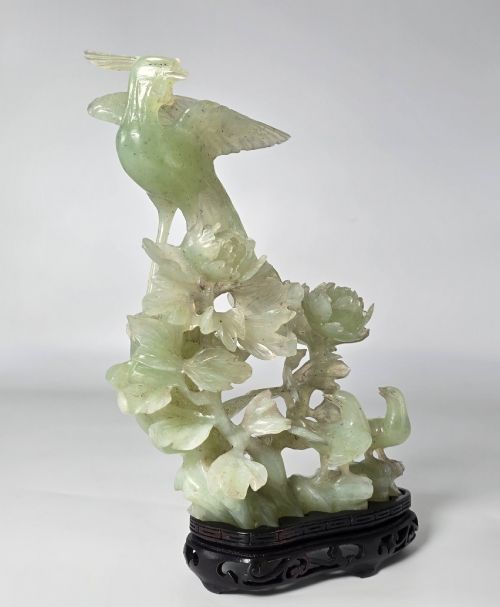
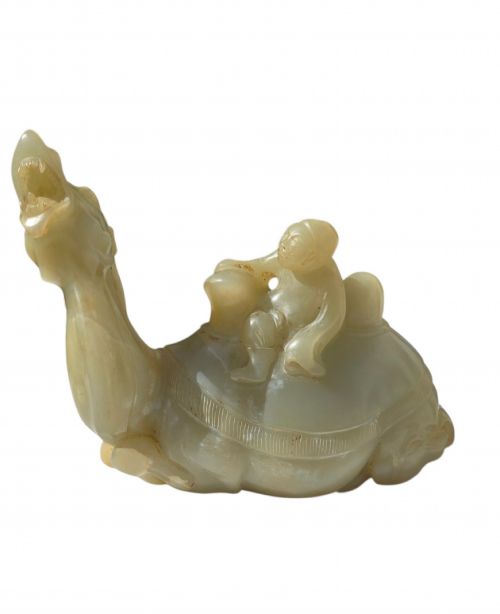
The objects on this page bridge domestic scholar's table carvings and monumental groupings, including soapstone Shoulao figures, serpentine camels and riders, and hardstone landscapes mounted on hardwood stands. Many pieces reflect the aesthetic of the Qing Dynasty and the Republic Period, capturing traditional motifs like Foo dogs, dragons, birds and figures feeding geese.
The material vocabulary is exceptionally broad, spanning soapstone, jade, nephrite, bowenite serpentine, quartz, agate, limestone, sandstone and hualien green marble. Whether you select a desk seal, a paperweight or a landscape sculpture, each item demonstrates the patience and precision of traditional carving techniques passed down through generations.
Materials and Carving Techniques
Carvers utilised a diverse palette of natural minerals, selecting softer stones like soapstone and Shoushan stone for detailed figural groups and seals, whilst reserving tougher materials like jade, quartz, nephrite and bowenite serpentine for durable miniature sculptures and landscape carvings.
Larger architectural pieces and Buddhist heads were hewn from limestone, sandstone and marble using traditional chisel and abrasion methods, often paired with specialist hardwood stands carved to fit the irregular contours of the stone.
Many tabletop decorative objects combine carved hardstone with cloisonne wirework and enamel, integrating botanical elements like flowering prunus trees and bonsai foliage into mixed media compositions.
Listings feature periods spanning from pre-sixteenth century Ming Dynasty limestone and sandstone fragments to late nineteenth-century soapstone figures and early twentieth-century jade bonsai trees.
Evaluating the Carving
Quality rests in the relationship between the natural characteristics of the stone and the ambition of the composition, where superior pieces integrate the grain, colour variations and translucency of the material directly into the subject matter.
The crispness of the undercut details and the fluidity of movement distinguish masterworks from standard production, particularly in complex figural groups involving multiple animals, human forms or delicate botanical elements like birds' nests and foliage.
The inclusion of a bespoke, well-fitted hardwood stand or the preservation of original polish and surface patination elevates the standing of a piece within historical production periods.
The Chinese Stone Sculpture Glossary
- Soapstone
- A relative soft metamorphic rock composed largely of talc, widely utilised for intricate figural and landscape carvings due to its ease of manipulation.
- Hardstone
- A general term for semi-precious stones harder than ordinary building stone, including jade, quartz, agate and serpentine, used for small sculptures and scholar's objects.
- Nephrite
- One of the two distinct mineral species recognised as jade, known for its tough, fibrous micro-structure and variable green or white tones.
- Foo Dog
- A traditional Chinese architectural guardian figure resembling a stylized lion, frequently depicted in pairs protecting temple entrances or domestic spaces.
- Jardinerie
- A decorative pot or container, often paired with artificial bonsai trees constructed from carved hardstone and cloisonne.
- Shoulao
- The Taoist god of longevity, commonly depicted in Chinese carvings as an elderly man with an elongated forehead holding a peach or staff.
Chinese Stone Sculpture: Frequently Asked Questions
How do I identify soapstone?
Soapstone has a characteristic soapy or waxy feel to the touch and a relatively soft surface compared to hardstones like jade or quartz. It often displays rich veining in tones of red, yellow, green and cream.
Because the material is easy to carve, carvers utilised it for highly detailed figural groups, seals and continuous landscapes with deep undercut foliage.
Where were these sculptures placed?
Many smaller carvings functioned as scholar's desk objects, paperweights or seals, placed within studies to inspire contemplation and poetry. Larger figures, lions and Buddha heads served as temple guardians, architectural elements or significant decorative displays within traditional interiors.
Tabletop bonsai trees and jade landscapes were specifically designed to bring miniature representations of nature indoors.
How should I clean my stone sculpture?
Dust the surface gently with a soft, dry brush to prevent accumulation in the crevices of intricate carvings. Avoid using liquid cleaners, chemical solvents or abrasive cloths, particularly on softer stones like soapstone.
For hardstones mounted on hardwood stands, lift the stone carefully from its base rather than moving the entire ensemble by the sculpture alone.