


Chinese Scholar Studio
A chinese scholar studio antique brings the quiet intellectual pursuits of imperial China straight to the desk.
Chinese Scholar Studio
Buyers will frequently encounter pieces originating from the Ming and Qing dynasties, alongside later Victorian and early twentieth-century examples. These items reflect the traditional tastes and scholarly habits of the imperial scholar's studio.
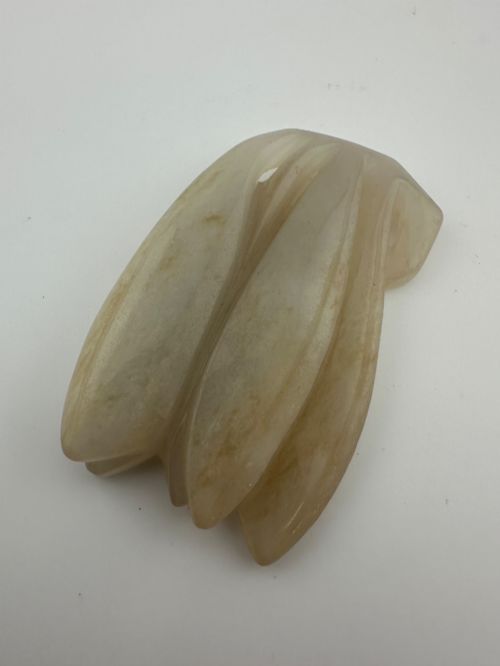
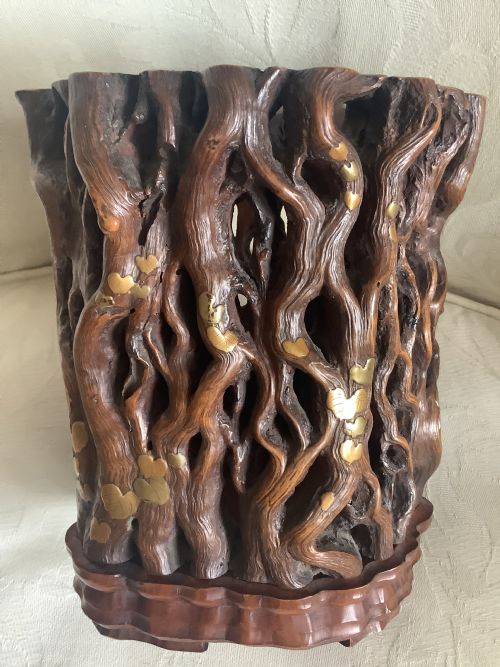
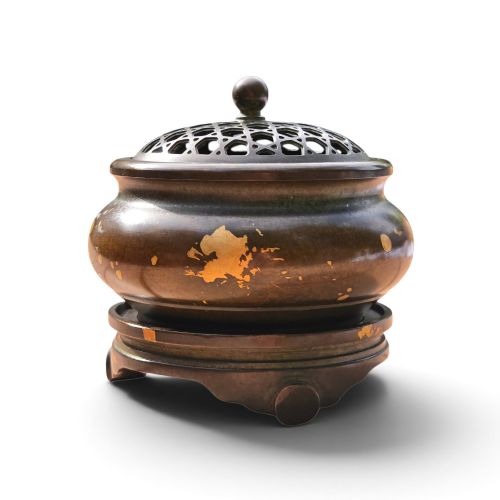
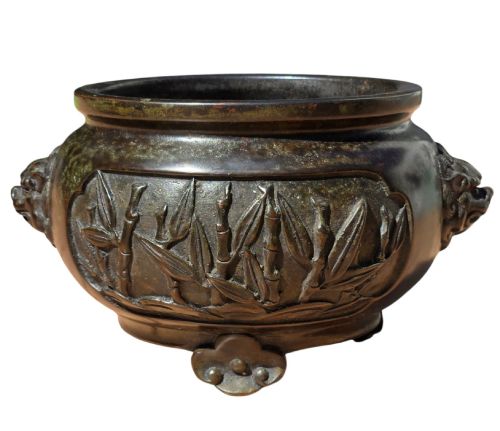
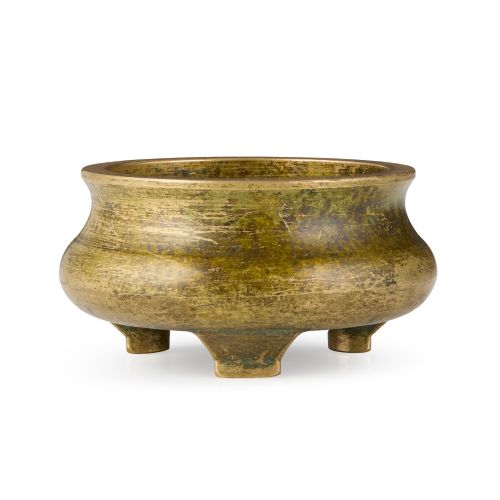
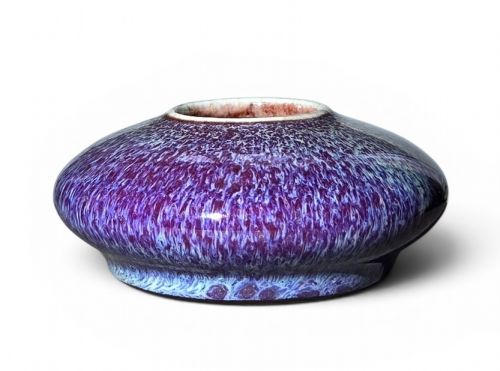
The objects range from utilitarian brush pots carved in hardwood or bamboo to delicate celadon jade brush washers and cast bronze censers. Each piece served a specific function within the scholar's workspace, combining utility with refined artistic expression.
Evaluating Quality
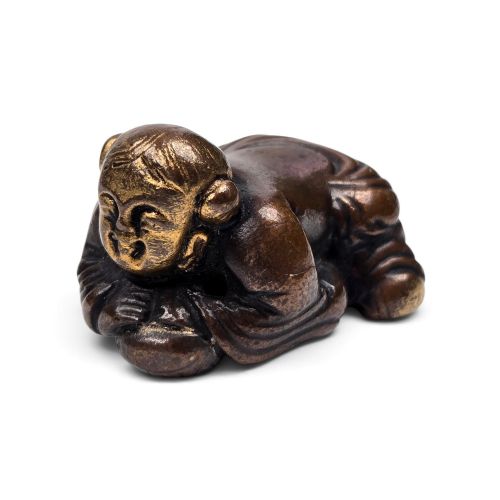
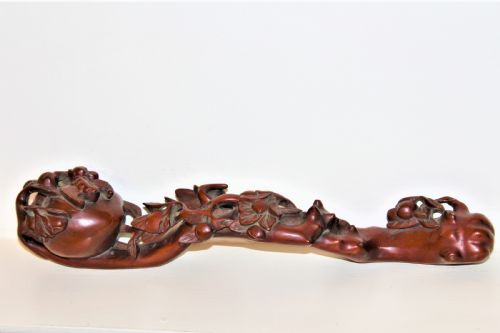
Quality rests upon the fineness of the carving, the weight and patina of the bronze, and the purity of the jade. Superior examples demonstrate exceptional control in handling difficult materials, whether rendering intricate naturalistic foliage in boxwood or achieving a smooth, even glaze on porcelain.
The distinction between standard items and superior works lies in the depth of detail and the sophistication of the casting or carving technique. Imperial-quality pieces display a higher degree of finish and material selection that sets them apart.
Listings span from the 16th-century Ming period through the Qing dynasty and Victorian era, utilising bronze, jade, porcelain, and boxwood.
The Chinese Scholar Studio Glossary
- Bitong
- A cylindrical brush pot used in traditional Chinese scholar's studios. These vessels hold writing brushes upright when not in use.
- Censer
- A vessel designed for burning incense, frequently cast in bronze or ceramic. These often feature tripod supports and decorative relief panels.
- Celadon
- A ceramic glaze denoting a pale green jade-like tint, or the jade mineral itself. It is prized for its subtle colour and smooth finish.
- Ruyi
- A curved decorative sceptre symbolising good fortune. They are traditionally carved from materials such as boxwood or jade.
- Scholar's Rock
- An ornamental stone displayed for contemplation and inspiration. These naturally weathered stones mimic mountain peaks.
Chinese Scholar Studio: Frequently Asked Questions
What is a chinese scholar studio antique used for?
These items were utilitarian objects designed for writing, painting, and scholarly contemplation. Pieces such as brush pots held writing implements, while brush washers cleansed ink brushes.
Other items like bronze censers burned incense to purify the air during study, and paperweights secured documents on the desk.
How do I identify the dynasty of a bronze censer?
Dynastic attribution relies on casting technique, style of relief panels, and presence of specific studio marks. Ming dynasty pieces often display robust casting and distinct patination.
Later Qing examples show varied decorative styles influenced by imperial preferences and changing manufacturing techniques.
How should I care for jade and hardwood pieces?
Jade requires minimal maintenance beyond gentle cleaning with a soft cloth to preserve its natural lustre. Hardwood and boxwood objects benefit from stable humidity to prevent wood movement.
Keep organic materials out of direct sunlight to protect the patination built up over centuries.