


Qing Dynasty Bitong
A qing dynasty bitong is a scholarly desk vessel crafted for the scholar's studio, offering tactile depth and historic presence to any collection.
Qing Dynasty Bitong
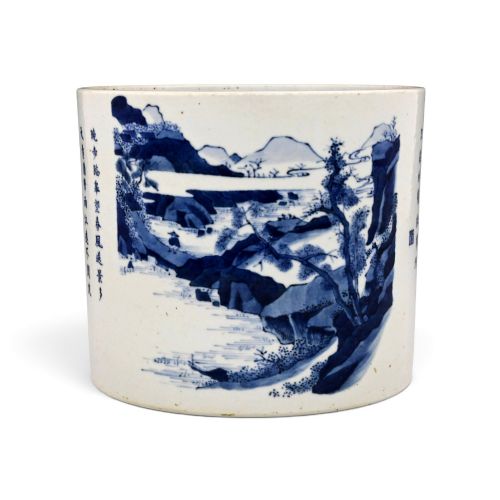
A qing dynasty bitong is a cylindrical brush pot designed to hold writing brushes on the scholar's desk. These vessels sit at the heart of the Chinese scholars studio tradition, serving both a practical function and a symbol of scholarly pursuits.
The pieces on this page span several periods, reaching from the 17th century through the 19th century and around 1900. Visitors will frequently encounter carved bamboo and painted porcelain versions among these listings.
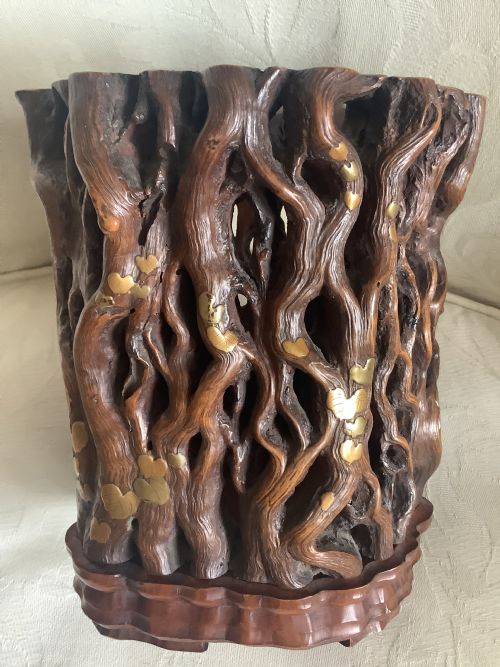
Makers shaped these cylinders from materials including hardwood, porcelain, and bamboo. Each object reflects the aesthetic priorities of the Qing dynasty through distinct forms and decorative programmes.
What varies in quality
The depth and clarity of the carving separate finer bamboo and hardwood pieces from simpler examples. Superior carvers achieved subtle gradations in relief that give figures and landscapes a genuine sense of volume.
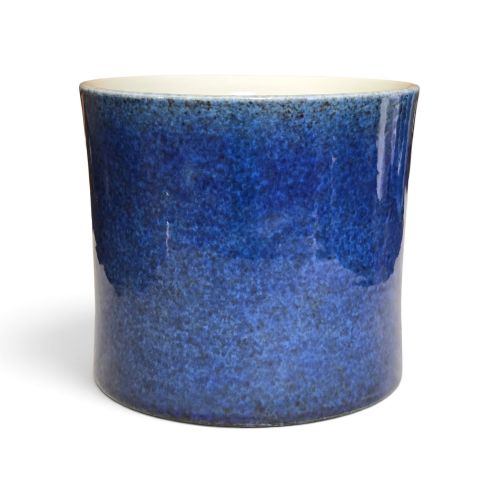
Ceramic quality rests on the control of the glaze and the precision of the painted details. Powdery consistency in blue grounds or crisp execution in famille verte and famille rose enamels indicate skilled studio work.
Eight immortals occasionally crowd onto a single porcelain cylinder to keep your desk company.
The Qing Dynasty Bitong Glossary
- Bitong
- A cylindrical brush pot used in traditional Chinese studies. These vessels held writing brushes and stood as objects of contemplation.
- Kangxi period
- A significant era of the Qing dynasty spanning from 1662 to 1722. Ceramics and works of art from this timeframe are particularly noted for technical refinement.
- Famille verte
- A ceramic palette dominated by green enamels introduced during the Qing dynasty. Artisans combined this green with other overglaze colours to render complex pictorial scenes.
- Underglaze blue
- A decoration method where cobalt pigment is applied directly to the ceramic body before glazing and firing. This technique produced deep blue designs beneath a clear glossy surface.
Qing Dynasty Bitong: Frequently Asked Questions
What is a bitong used for?
A bitong functioned primarily as a desk accessory to hold writing brushes within the traditional scholar's studio. Scholars valued them as contemplative desk objects that reflected their refined tastes.
Over time, these cylindrical vessels became collector's pieces in their own right. They occupied a central place among desk accessories due to their sculptural qualities and material variety.
How do I identify a Kangxi period bitong?
Pieces attributed to the Kangxi period often feature precise cobalt underglaze or brilliant famille verte enamels on porcelain. The potting tends to be robust yet refined, characteristic of late 17th and early 18th century imperial kilns.
Examining the foot rim and the depth of the glaze provides further clues to dating. Scholars also look at the specific narrative or floral motifs typical of this era.
Are bitong made from wood or bamboo?
Bitong were constructed from multiple materials, with bamboo and hardwood appearing alongside porcelain. Carved bamboo and dense hardwoods were favoured for their organic textures and suitability for relief carving.
Each material influenced the style of decoration applied to the cylinder. Wood and bamboo relied on deep carving, while porcelain utilised glazes and painted enamels.
How should I display a brush pot?
Display a bitong on a stable surface where its carved exterior or painted glaze can be examined from multiple angles. Good lighting helps reveal the fine details of bamboo relief or porcelain enamels.
Keep these vessels away from direct sunlight and extreme humidity fluctuations to protect organic materials like bamboo and hardwood.